


Exotic pets have always fascinated animal lovers with their intriguing looks and unique behaviors. However, while the allure of owning an unusual animal is tempting, not all of them are suited for life as pets. Many exotic animals are legally restricted or outright banned in various parts of the United States to ensure public safety and animal welfare. In this article, we explore some of the exotic pets that are illegal to own across the US and discuss the reasons behind these strict regulations.
What Defines an Exotic Pet?
When people refer to exotic pets, they often mean animals that are not commonly domesticated and typically found in their natural habitats. These can range from large carnivores and primates to reptiles and birds. Unlike cats, dogs, or hamsters, exotic pets often pose challenges in terms of care, diet, and habitat requirements, making them unsuitable for the average household.
The Role of Legislation in Animal Ownership

Exotic pet ownership is regulated by a combination of state, local, and federal laws. The federal government enforces acts like the Endangered Species Act and the Lacey Act, which restrict the importation and ownership of specific species. Meanwhile, state and local laws vary significantly — what may be permitted in one state could be prohibited in another. These laws aim to protect both humans and the animals themselves from harm.
Why Are Some Animals Banned?

The bans on exotic pets typically arise from concerns about safety, disease transmission, and conservation. Some animals may pose a direct threat to humans due to their size, strength, or natural behaviors. Others could potentially spread zoonotic diseases, which are illnesses that can be transferred from animals to humans. Moreover, capturing and selling wild animals can lead to detrimental environmental impacts and threaten biodiversity.
Big Cats

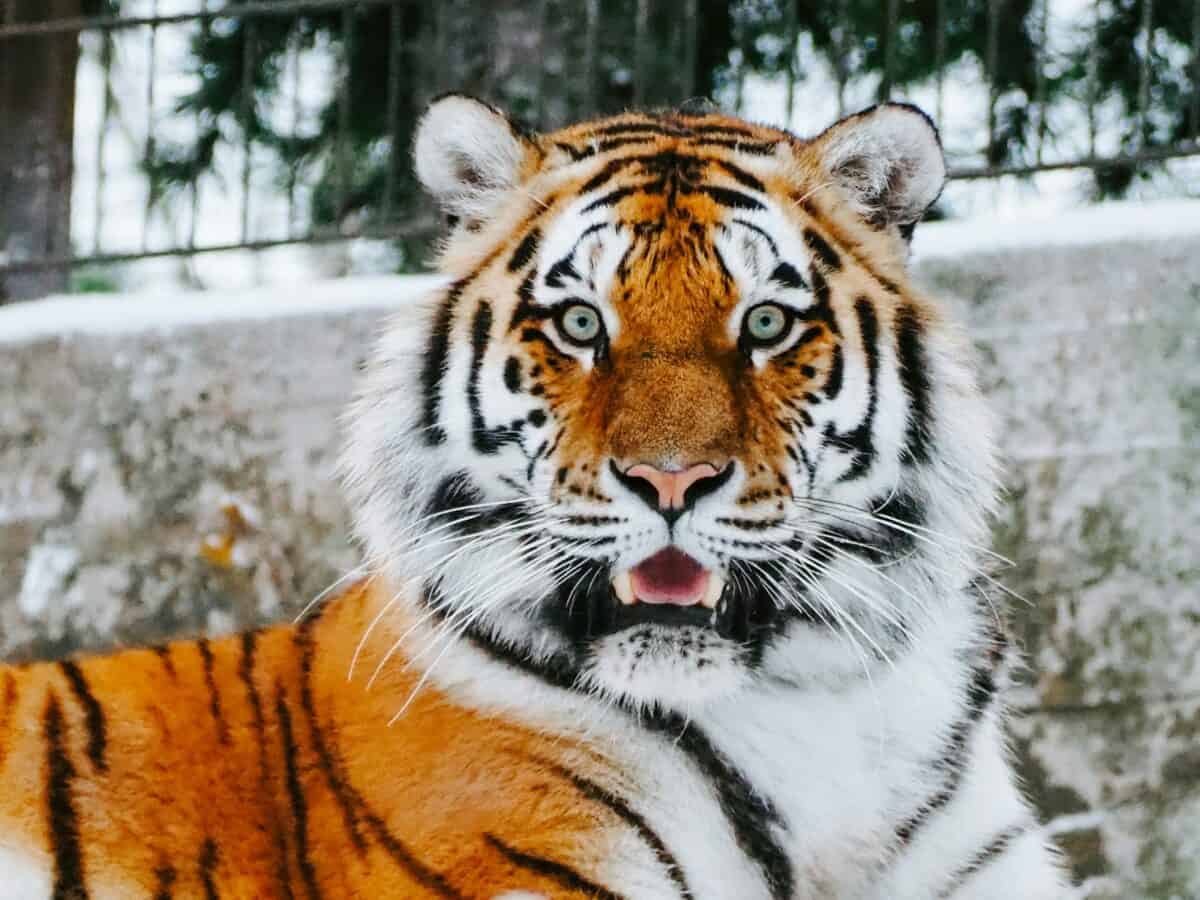
Large cats like lions, tigers, and cheetahs are often at the top of many people’s wish lists for exotic pets. However, due to their power, predatory instincts, and specific care needs, they are illegal to own in many states. These animals require large spaces to roam, specialized diets, and experienced handlers, making them unsuitable for private ownership.
Primates

While monkeys and other primates may appear cute and intelligent, they are often banned as pets. Primates can be aggressive when they mature and may carry diseases such as herpes B virus, which can be fatal to humans. Their complex social and mental needs are also difficult to meet in a home environment, which can lead to stress and behavioral issues.
Reptiles and Amphibians
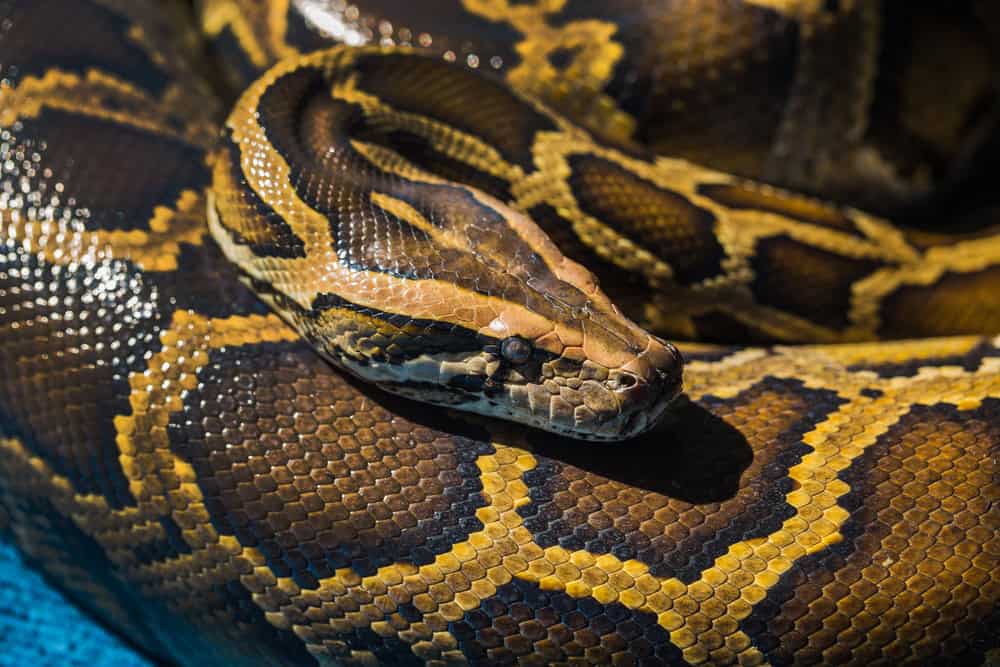
Reptiles such as large snakes and some amphibians are restricted under various state laws. Species like Burmese pythons, known for their size and strength, are banned due to the risk they pose to small children and pets. Additionally, the illegal trade of reptiles contributes to the decline of wild populations and disrupts ecosystems.
Foxes and Wolves

While owning a dog that resembles a wolf or fox might seem appealing, many states ban the private ownership of these canids. Wild canines require complex social structures and exhibit behaviors incompatible with domestic life. Furthermore, their predatory nature makes them a potential threat to people and other animals.
Exotic Birds
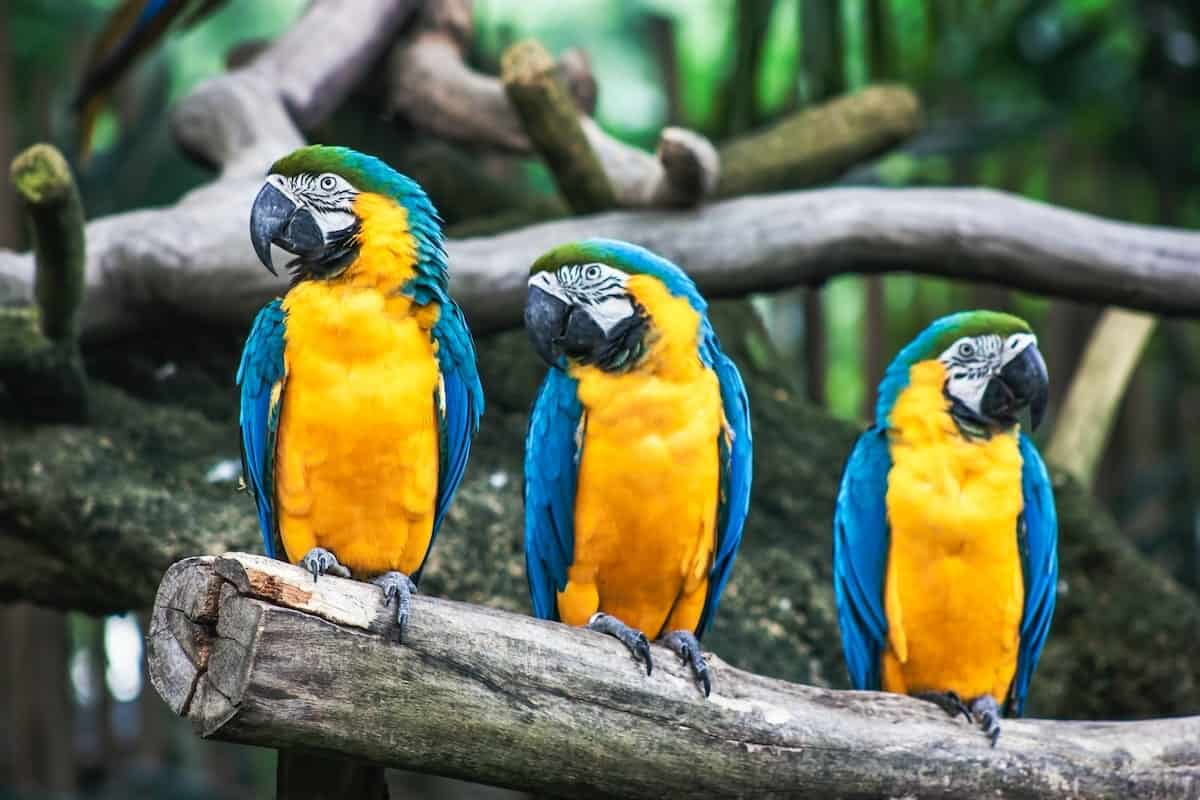
Parrots and macaws are popular but can be illegal depending on the species and location. These birds require a lot of mental stimulation, and improper care can lead to self-destructive behaviors. Furthermore, the illegal bird trade poses threats to wild populations, placing many species at risk.
Marine Animals

Owning marine animals such as certain jellyfish or sharks is regulated by laws due to the difficulty in mimicking their natural environment in captivity. These creatures have specialized care requirements and pose risks, both physically and legally, when maintained outside of professional facilities.
Small Mammals

Even small mammals like sugar gliders and hedgehogs can be subject to bans or restrictions. Although smaller in size, they can have intricate care requirements or run the risk of becoming invasive species if released into the wild. States concerned about agriculture or ecological impacts often have strict regulations regarding these animals.
Legal Consequences of Owning Banned Pets

Owning a banned exotic pet can result in serious legal consequences, ranging from fines and confiscation of the animal to criminal charges. These penalties aim to deter individuals from attempting to bypass regulations designed to protect both people and wildlife.
The Importance of Responsible Pet Ownership

Responsible pet ownership involves understanding the needs and behaviors of the animals you wish to keep and being aware of the legal implications involved. It’s important to prioritize the well-being of the animal and to respect the laws put in place for their protection.
Conclusion: A Balancing Act of Curiosity and Responsibility

While the idea of owning an exotic pet may seem thrilling, it’s imperative to consider the ethical and legal aspects involved. Regulations around exotic pet ownership serve to protect the animals, their owners, and the environment. By adhering to these laws and supporting conservation efforts, we contribute to a harmonious coexistence with our planet’s diverse wildlife.

From exploring the marine wonders in the Azores and witnessing the vast savannas of Kenya, to delving deep into the rich biodiversity of South Africa and traversing iconic landscapes in Australia and the US like Yellowstone, Chris's experiences are vast.
With a penchant for diving alongside sharks, the ocean holds a special place in his heart.
Through his academic insights, he champions wildlife conservation, striving with 'Animals Around The Globe' to cultivate a profound connection between humans and animals, enhancing our mutual appreciation.
Connect with him at Feedback@animalsaroundtheglobe.com.
- What Happens to Male Chicks in Egg Farming? - July 18, 2026
- How Close Are We to Cloning the Woolly Mammoth? - July 18, 2026
- The Most Venomous Creature in the U.S. - July 18, 2026
Leave a comment
You must be logged in to post a comment.