


The sight of sea lions lounging across American beaches has become increasingly common, sparking curiosity and concern alike. These charismatic marine mammals have been known to frequent the coasts, but their growing presence has left many questioning the reasons behind this behavioral shift. In this article, we delve into the fascinating world of sea lions to understand why they are making themselves at home on America’s shores.
The Rise of Sea Lions on American Beaches

Over the past few decades, there has been a noticeable increase in the number of sea lions spotted on American beaches. This trend is attributed to several factors, including population recovery efforts and environmental changes that have impacted their natural habitat. The expanding visibility of these marine mammals is a testament to both their adaptability and the effectiveness of conservation strategies.
Understanding Sea Lions: A Brief Overview
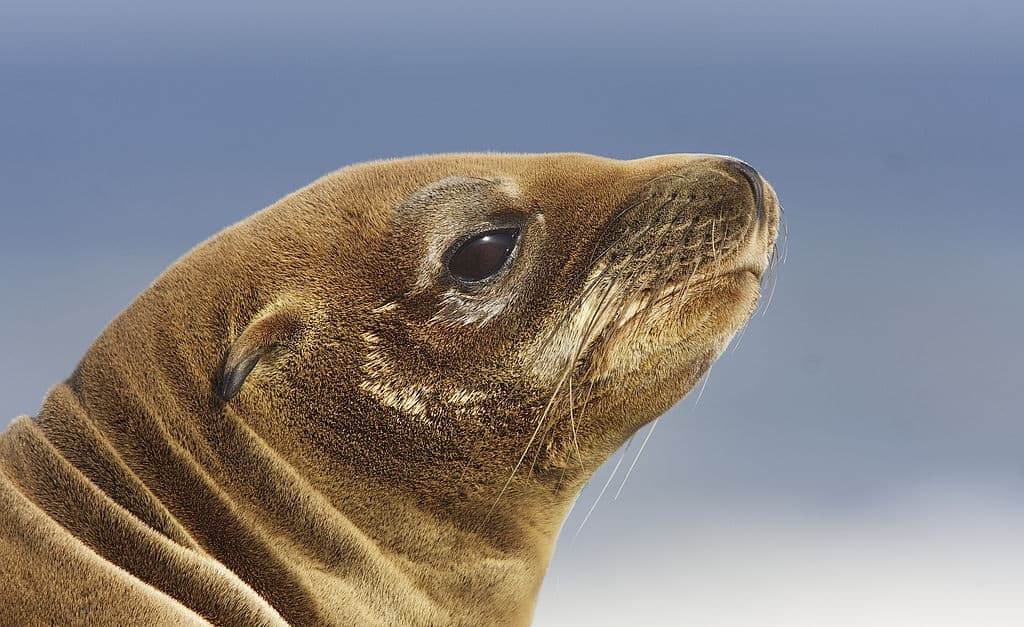
Sea lions belong to the family Otariidae, commonly known as eared seals, and are easily recognizable by their external ear flaps and long front flippers. They are sociable creatures that thrive in large colonies, often seen “hauled out” on sandy beaches or rocky outcrops. These marine mammals are primarily found along coastlines in the Pacific Ocean, with the California sea lion (Zalophus californianus) being one of the most prevalent species in North America.
Population Recovery and Its Impact

Decades of conservation efforts have led to significant population recovery for several sea lion species. Protective regulations under the Marine Mammal Protection Act of 1972 have played a crucial role in minimizing human-induced threats and allowing sea lion numbers to rebound. The burgeoning population now seeks new resting grounds, contributing to their frequent appearances on beaches.
Environmental Factors Driving Shore Visits
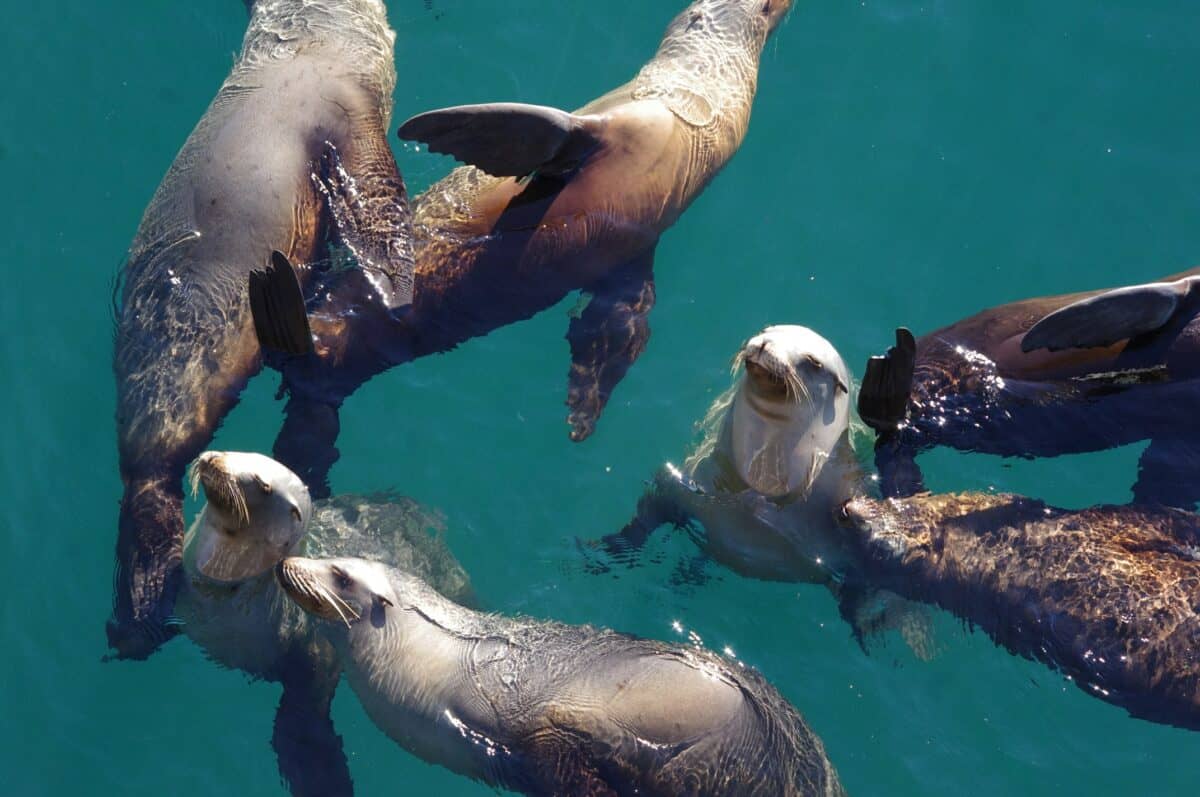
Many environmental factors influence the shoreward movement of sea lions. Climate change has altered ocean temperatures and food availability, encouraging sea lions to explore new territories in search of prey. Additionally, El Niño events, which cause fluctuations in water conditions and fish populations, can drive these marine mammals closer to shore.
Behavior: Adaptability as a Key Trait
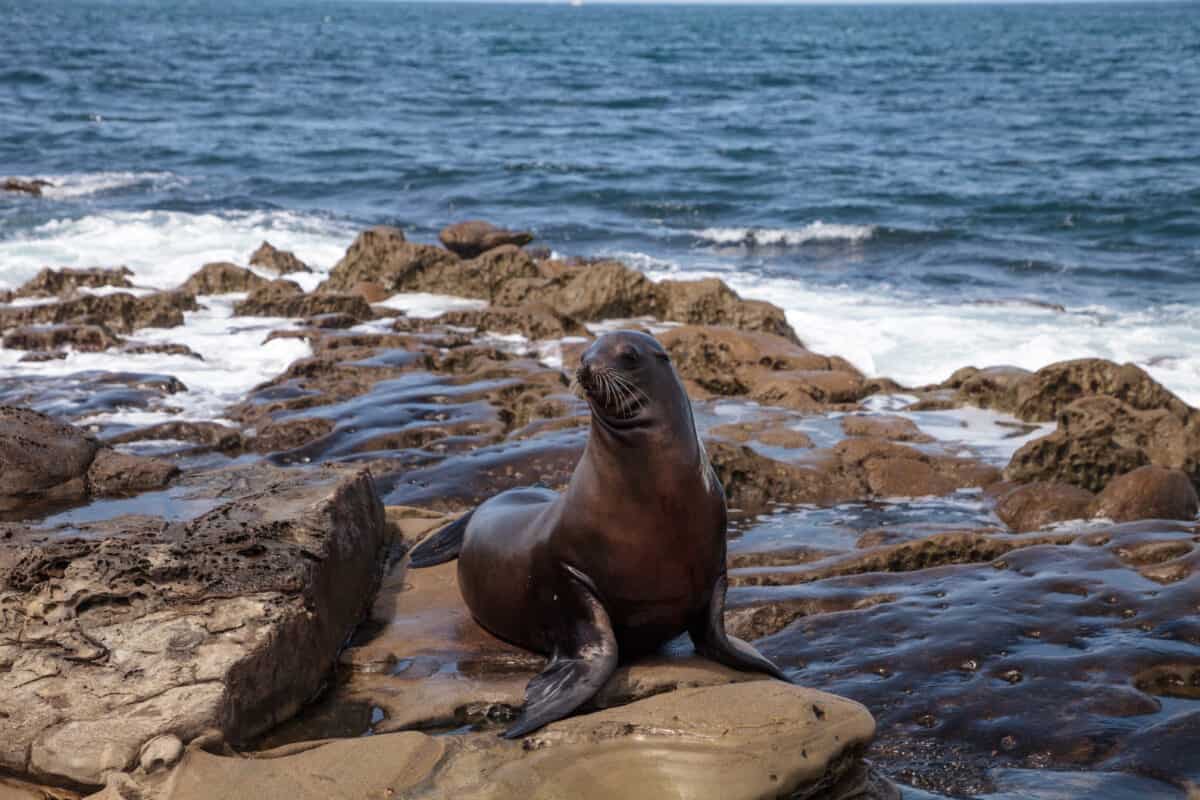
Sea lions are highly adaptable animals capable of thriving in diverse environments. Their ability to adjust to changing conditions has allowed them to take advantage of coastal areas for resting and socializing. This adaptability is a crucial factor in their increasing presence on beaches.
Nutritional Needs and Coastal Foraging

Sea lions primarily feed on fish and squid, and their search for adequate food sources can lead them closer to human-inhabited coastlines. The abundance of fish near the shore provides an attractive food supply, encouraging sea lions to venture onto beaches where they can easily access their next meal.
Human Interactions: Opportunities and Challenges
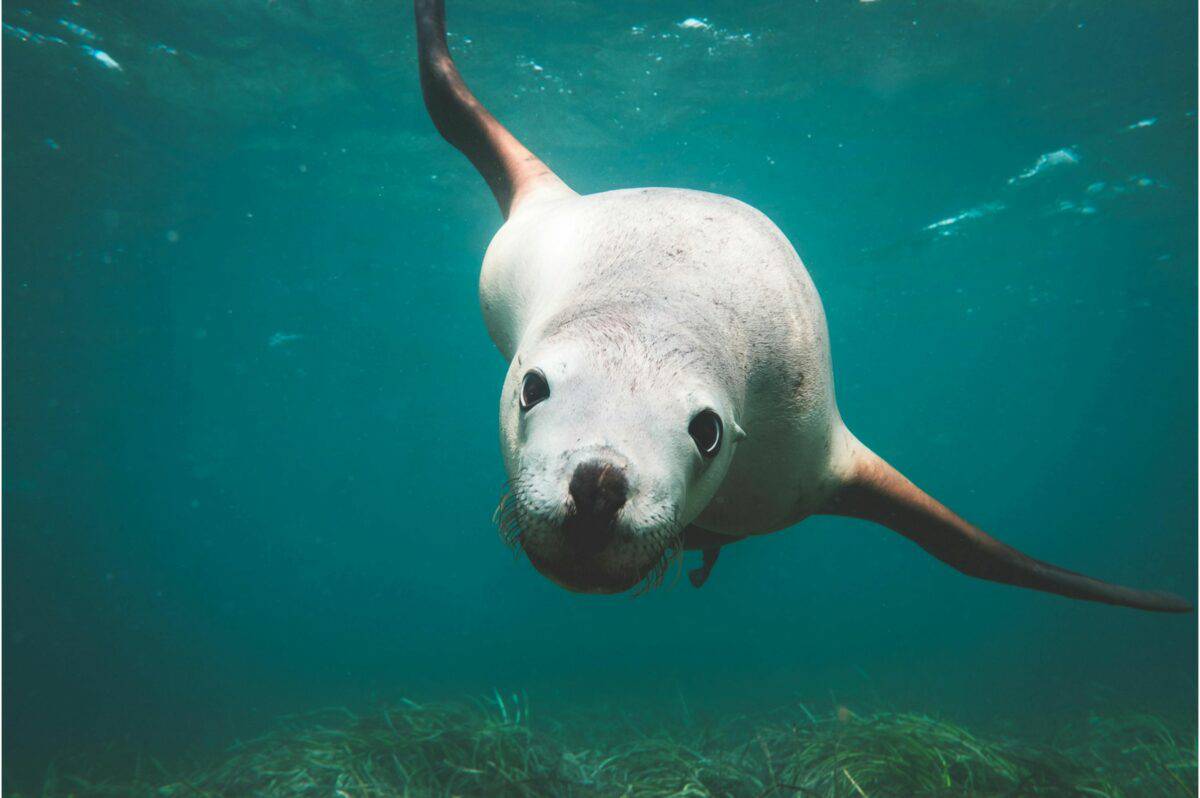
The increased presence of sea lions on beaches presents both opportunities and challenges for human interactions. On the one hand, these animals can attract tourism and offer unique wildlife viewing experiences. On the other hand, their presence can lead to conflicts, such as competition with local fisheries and instances of habituation to human activity.
The Role of Marine Protected Areas

Marine protected areas (MPAs) have been established to safeguard critical habitats for sea lions and other marine life. These zones provide safe havens where sea lions can rest and reproduce without the threat of disturbance. The creation and enforcement of MPAs have been instrumental in supporting the recovery of sea lion populations.
Health and Well-being Concerns
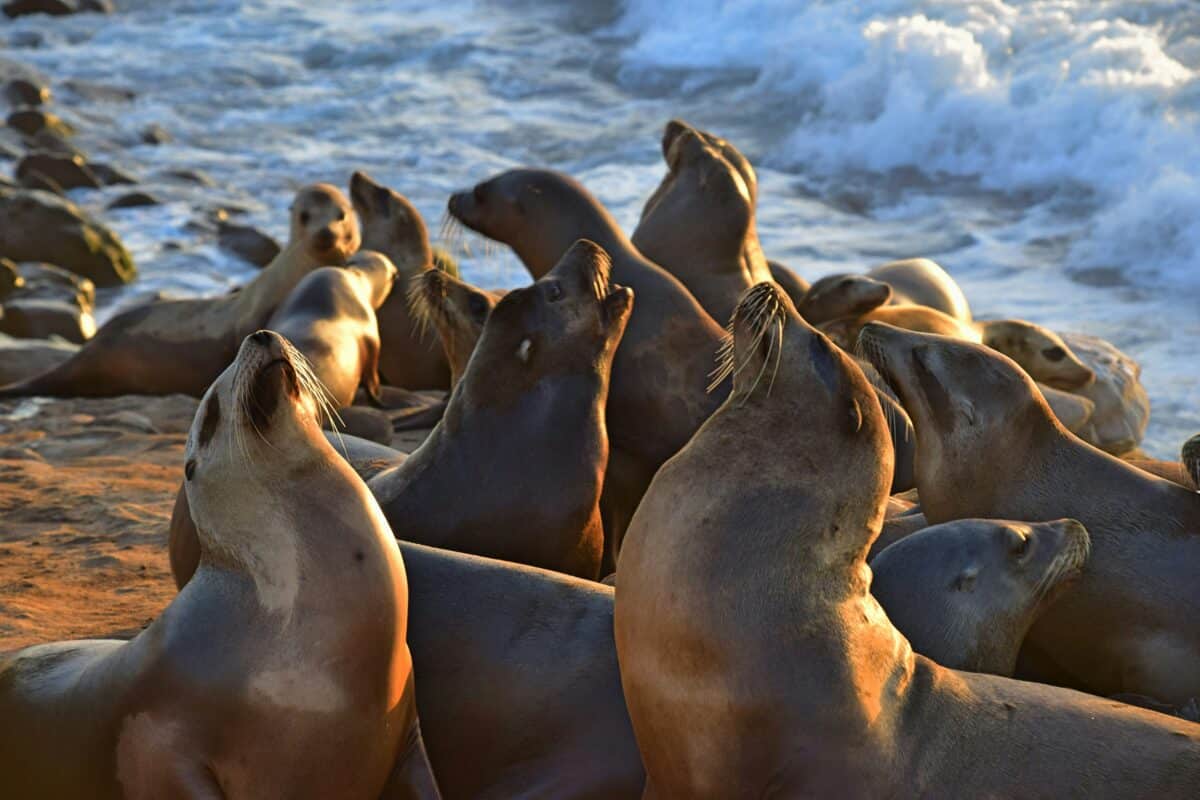
While sea lions are resilient creatures, their well-being can be compromised by various factors, including pollution, disease, and entanglement in fishing gear. Efforts to monitor and address these threats are vital to ensuring the health of sea lion populations as they continue to expand into new areas.
Protective Measures for Beach Visitors
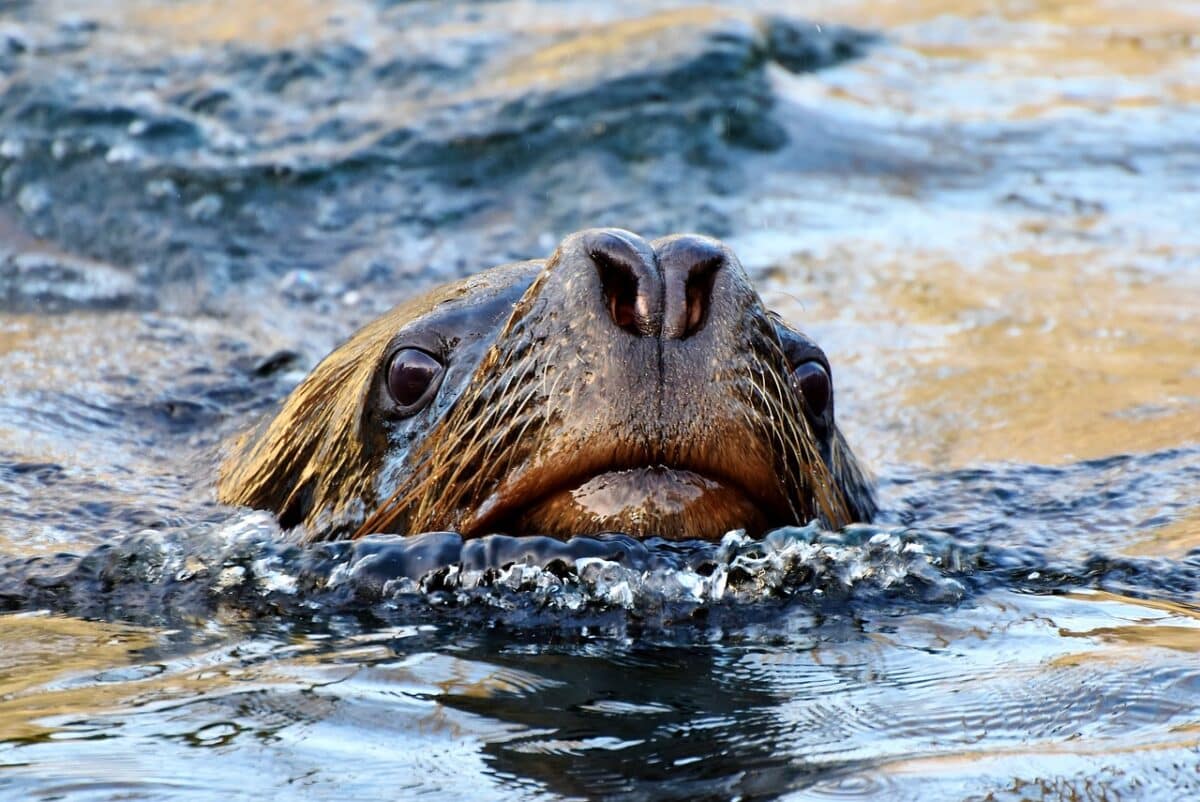
Beachgoers should exercise caution and respect when encountering sea lions. It’s important to maintain a safe distance from these wild animals to avoid disrupting their natural behavior and ensure the safety of both humans and sea lions. Local authorities often provide guidelines to help minimize human-sea lion conflicts.
The Future of Sea Lions on American Beaches
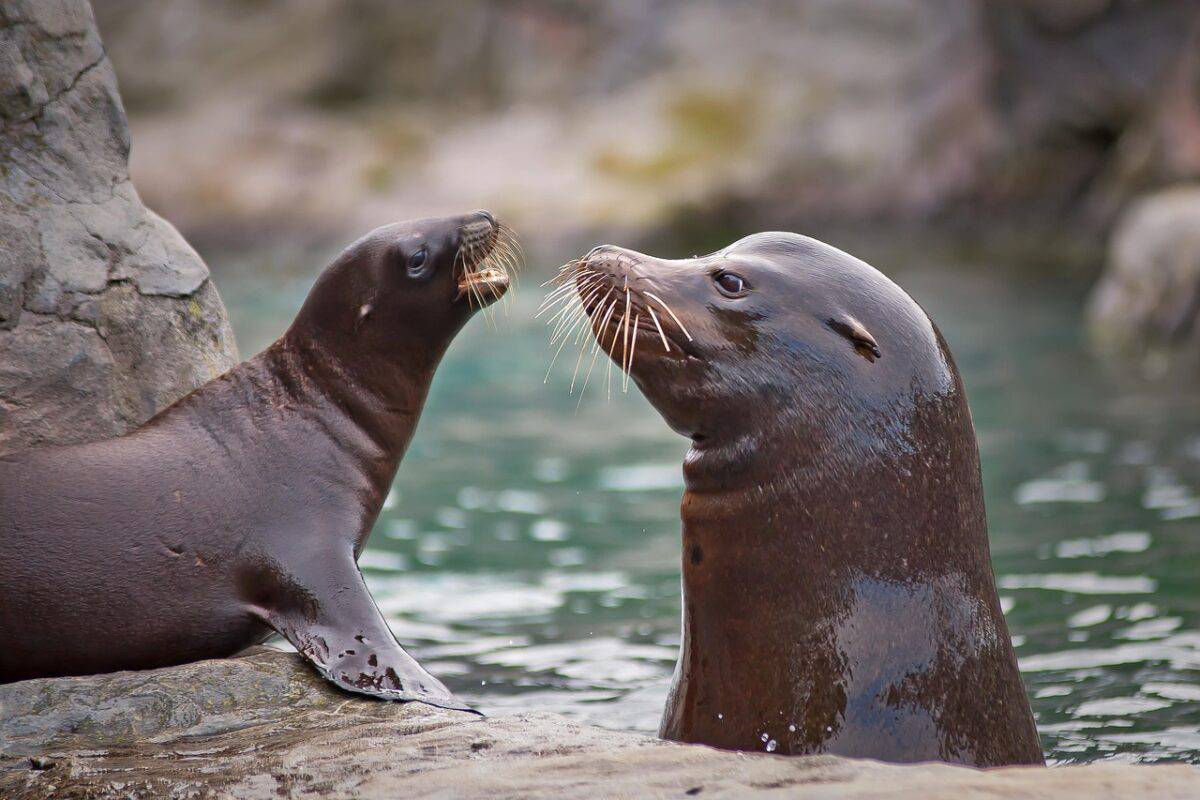
The presence of sea lions on America’s beaches is likely to remain a fixture in the coming years, given current environmental trends and population dynamics. Understanding and supporting these animals through conservation and responsible management will be crucial as they continue to adapt to a changing world.
Concluding Thoughts: The Balance of Nature
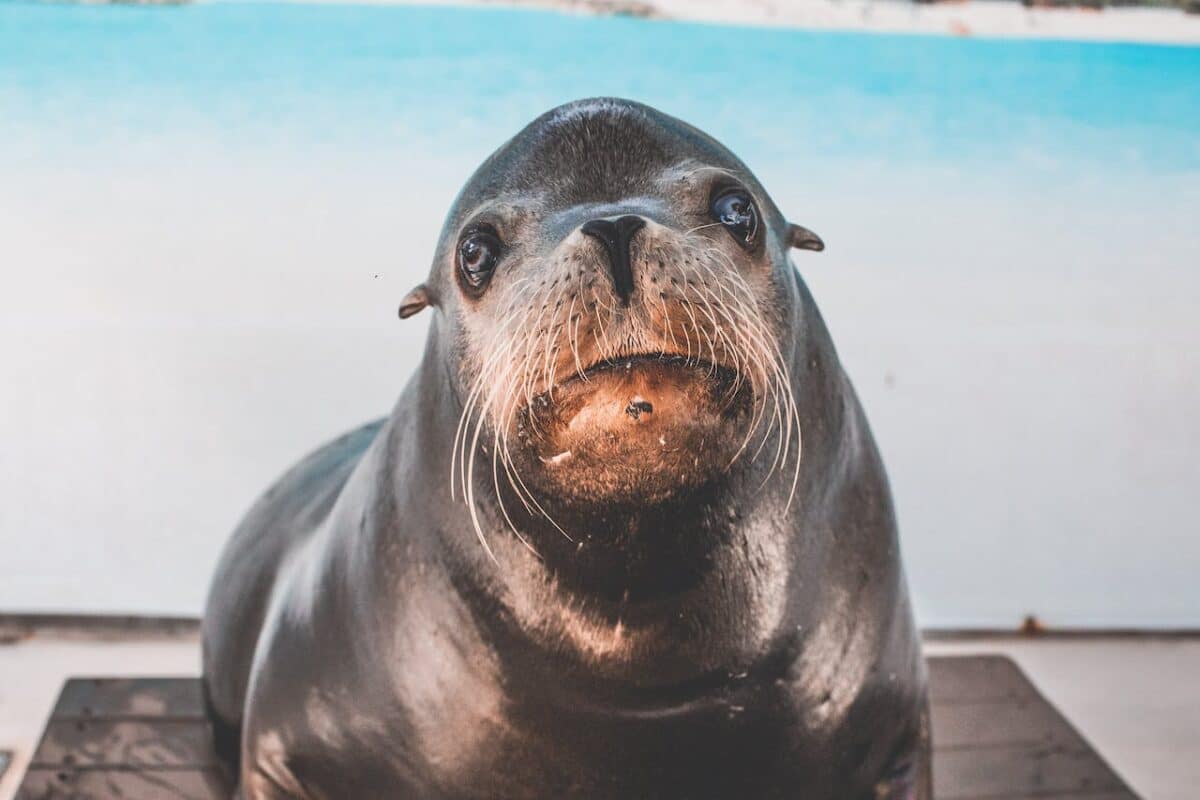
The increasing presence of sea lions on American beaches is a reminder of the complex interplay between humans and the natural world. By fostering a deeper understanding and appreciation of these magnificent creatures, we can find ways to coexist harmoniously, ensuring a future in which both sea lions and humans thrive side by side on our shared shores.

From exploring the marine wonders in the Azores and witnessing the vast savannas of Kenya, to delving deep into the rich biodiversity of South Africa and traversing iconic landscapes in Australia and the US like Yellowstone, Chris's experiences are vast.
With a penchant for diving alongside sharks, the ocean holds a special place in his heart.
Through his academic insights, he champions wildlife conservation, striving with 'Animals Around The Globe' to cultivate a profound connection between humans and animals, enhancing our mutual appreciation.
Connect with him at Feedback@animalsaroundtheglobe.com.
- Why Spiders Don’t Get Stuck in Their Own Webs - July 20, 2026
- What Scientists Found in a 10,000-Year-Old Beehive - July 20, 2026
- This Spider Builds Fake Decoys of Itself - July 20, 2026