
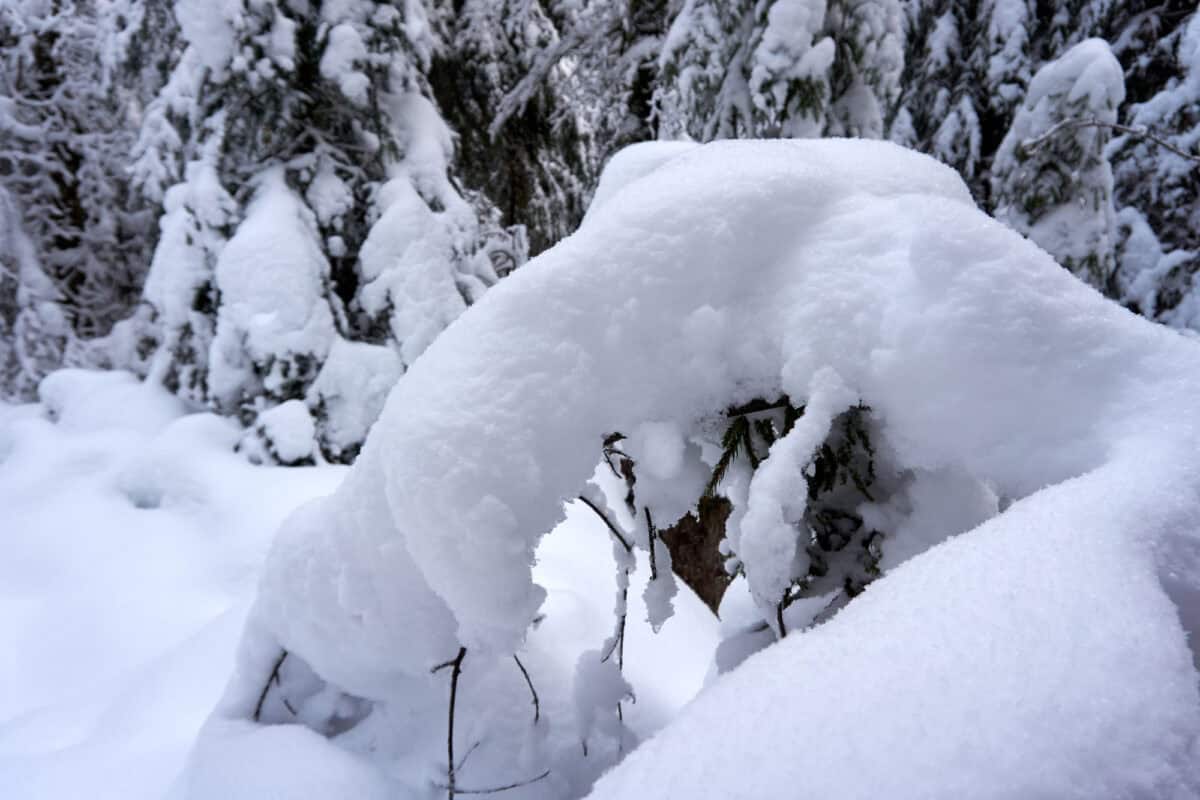
A monumental blizzard once struck the Northeastern United States, leaving a profound mark on the region’s history. Known for its sheer intensity and far-reaching consequences, this natural phenomenon not only paralyzed cities but also reshaped communities’ approach to winter preparedness.
The Blizzard of 1888: A Historical Overview

Referred to often as the “Great Blizzard of 1888,” this storm is a benchmark in the annals of severe weather events in America. Occurring in March, it was unexpected due to the late winter timing, which caught many residents and officials off-guard. This storm blanketed the Northeast with heavy snow and brought wild winds, resulting in one of the most devastating natural disasters of the 19th century.
Unexpected Timing of the Storm

Typically, by March, the hope of spring begins to loom, but the 1888 storm subverted expectations. With meteorological tools in their infancy, forecasting long-term storms was nearly impossible. Residents, believing winter was waning, were unprepared for the severity that was about to unfold.
Record-Breaking Snowfall
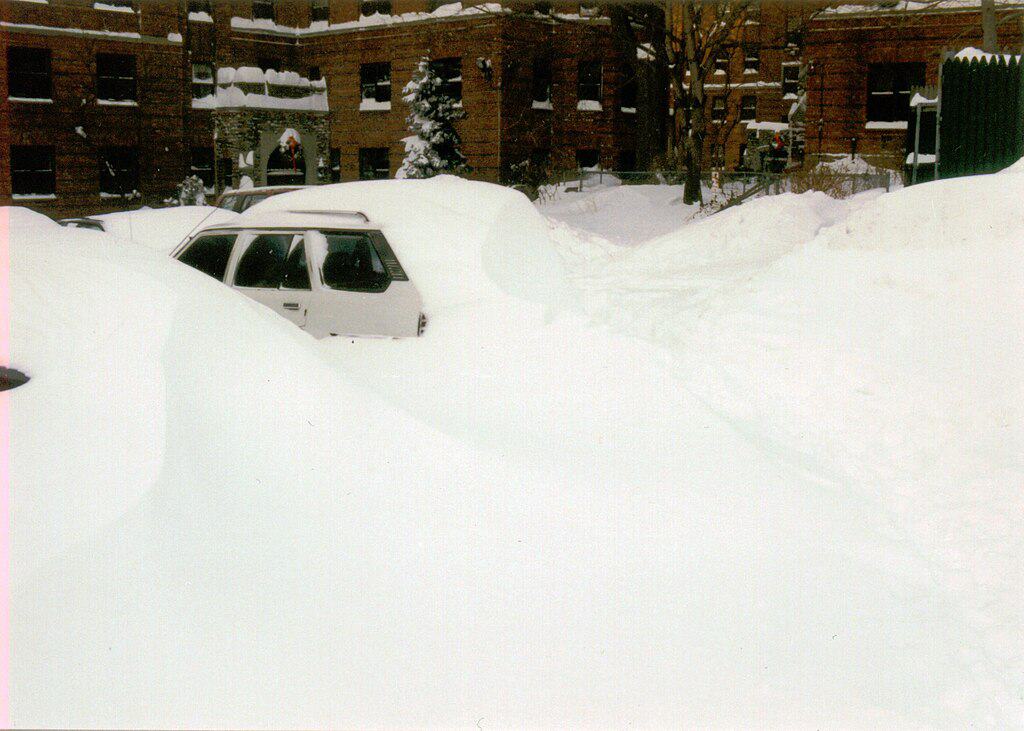
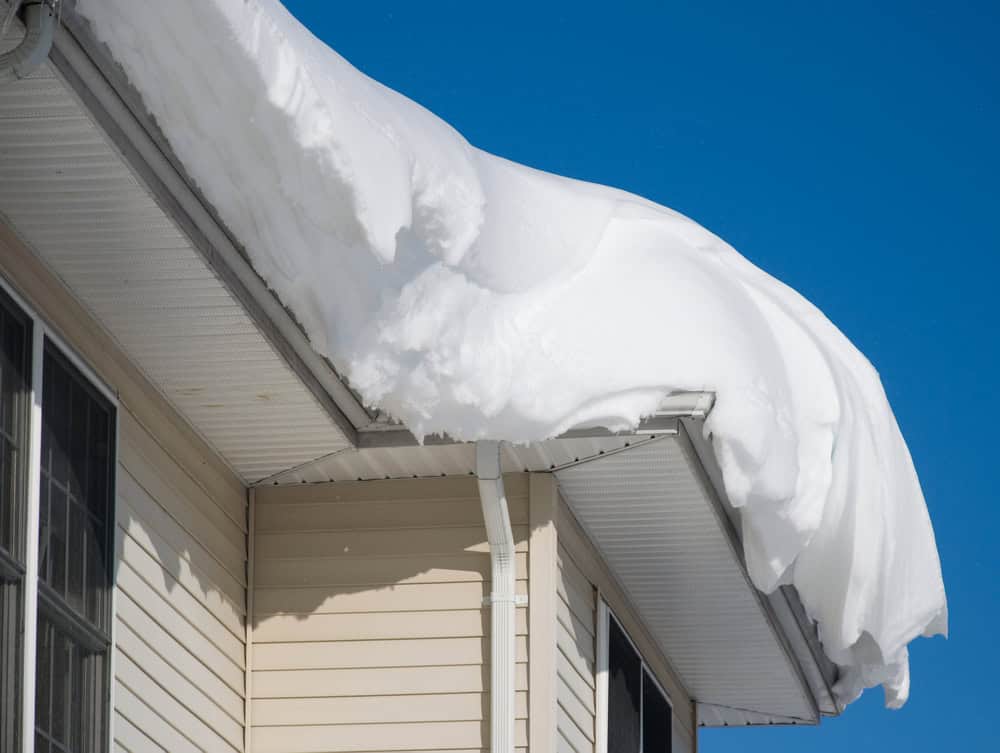
In just a matter of days, the blizzard dumped 40 to 50 inches of snow in parts of New York, New Jersey, Massachusetts, and Connecticut. The heavy and wet snow, capable of exerting significant weight, led to the collapse of structures unable to bear such intense pressure. Roads and railways were rendered impassable, isolating entire communities.
Hurricane-Force Winds

The storm’s ferocity was augmented by winds reaching up to 85 miles per hour. These powerful gales created towering drifts, some piling as high as 50 feet. They obliterated visibility and worsened the already hazardous conditions, making travel and rescue efforts perilous.
Urban Areas Brought to a Standstill
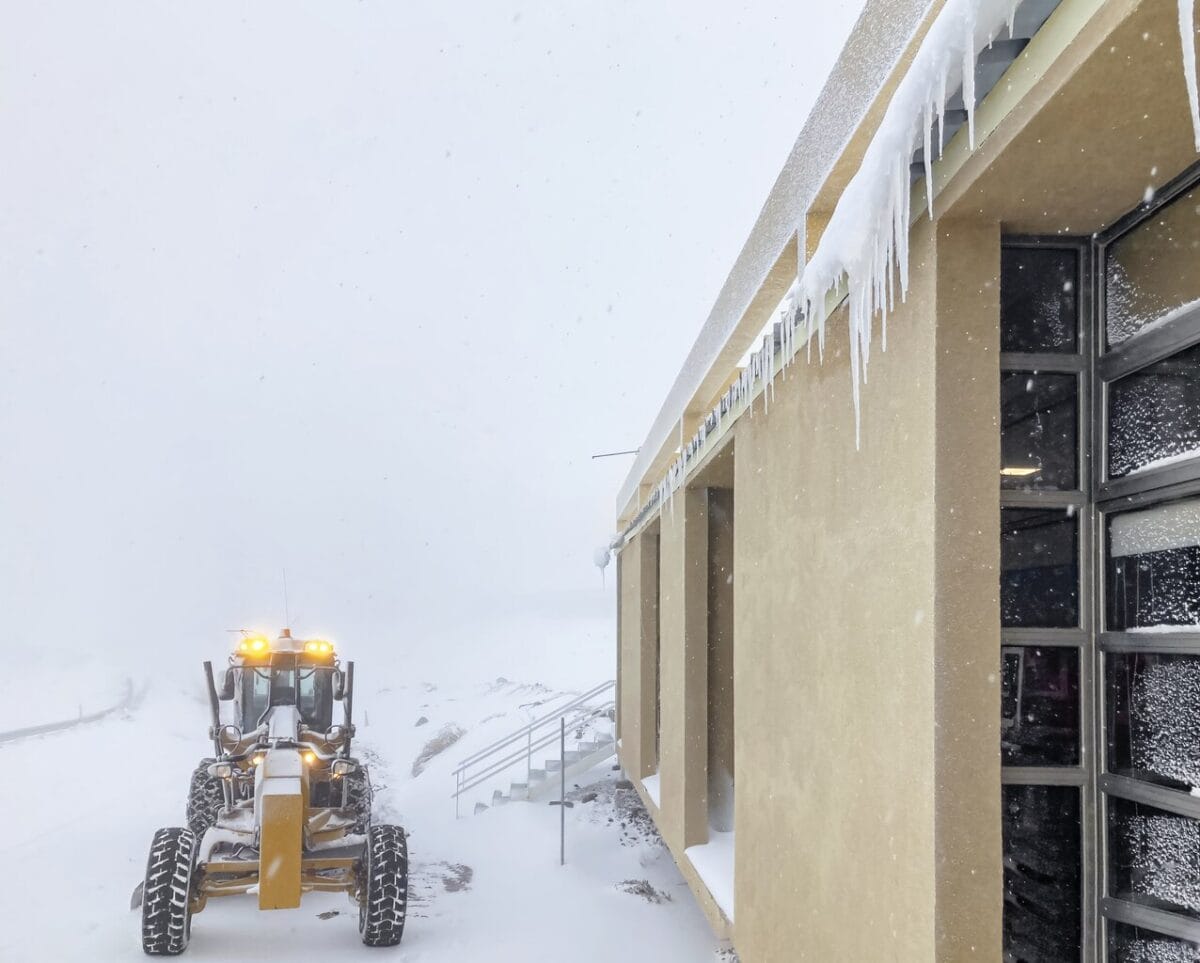
Major cities like New York were particularly hard hit. Manhattan, devoid of its modern subterranean subway system, was immobilized. Elevated trains were stuck in their tracks, and horse-drawn vehicles were unable to navigate through the accumulation. Essential services were halted, and daily life came to a standstill.
Impact on People’s Daily Lives
Hundreds were trapped within their homes, facing dire shortages of food, fuel, and other necessities. The isolation extended to smaller towns and rural areas, where communication lines were down, and the delivery of essentials was entirely obstructed.
Fatal Consequences
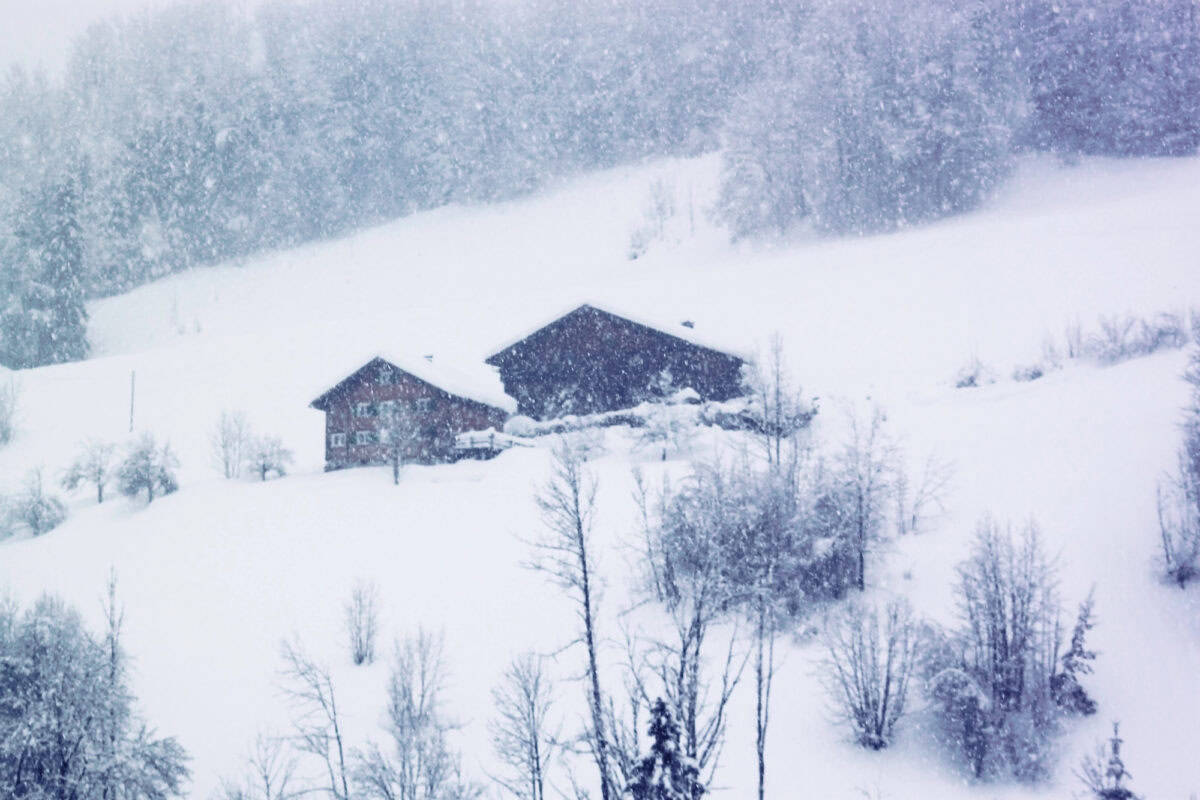
The blizzard claimed the lives of over 400 people, a testament to its lethal nature. Many succumbed to hypothermia, while others were lost in the chaos of the blinding snow. This tragic loss highlighted the need for better preparation and awareness in the face of such weather emergencies.
The Economy Takes a Hit
The economic ramifications of the blizzard were significant. Business closures and disrupted transportation chains led to considerable financial losses. The paralyzed infrastructure took days, sometimes weeks, to restore, with wider-reaching implications on the local economies.
Lessons in Urban Planning

One of the lasting impacts of the blizzard was a reevaluation of urban infrastructure. As a direct response, New York City spearheaded the move to underground telegraph and telephone lines and eventually developed its famed subway system, enhancing the city’s resilience to future storms.
A Catalyst for Change in Weather Forecasting
The Great Blizzard of 1888 underscored the importance of advancing meteorological science. It spurred developments in weather prediction technologies and laid the groundwork for the modern systems we rely on today, providing invaluable lead times in the face of potential hazards.
Community Resilience and the Human Spirit
Despite the hardships, communities showcased remarkable resilience. Neighbors came together to assist one another, overcoming adversity with collaborative efforts. Tales of heroism and human endurance emerged, illustrating the unyielding spirit of the affected regions.
Legacy of the Great Blizzard

The memory of the 1888 blizzard endures, not only as a cautionary tale but also as a cornerstone for improving infrastructure, communication, and emergency response systems. It serves as a stark reminder of nature’s potential fury and a testament to human perseverance in the face of overwhelming odds.
Conclusion: A Snowfall That Echoes Through Time

The Great Blizzard of 1888 remains a defining episode in the Northeast’s weather history. Its unparalleled impact initiated vital changes in urban planning and meteorology, while its stories of human courage and determination continue to inspire. Although over a century has passed, its lessons in preparedness and community solidarity are timeless, echoing as a reminder of nature’s unpredictable might.

- The Secret Language of Dolphins Decoded by Researchers - July 20, 2026
- 7 Animals That Can Survive Extreme Environments You Couldn’t - July 20, 2026
- The Longest Snake Ever Found in the U.S. - July 20, 2026