

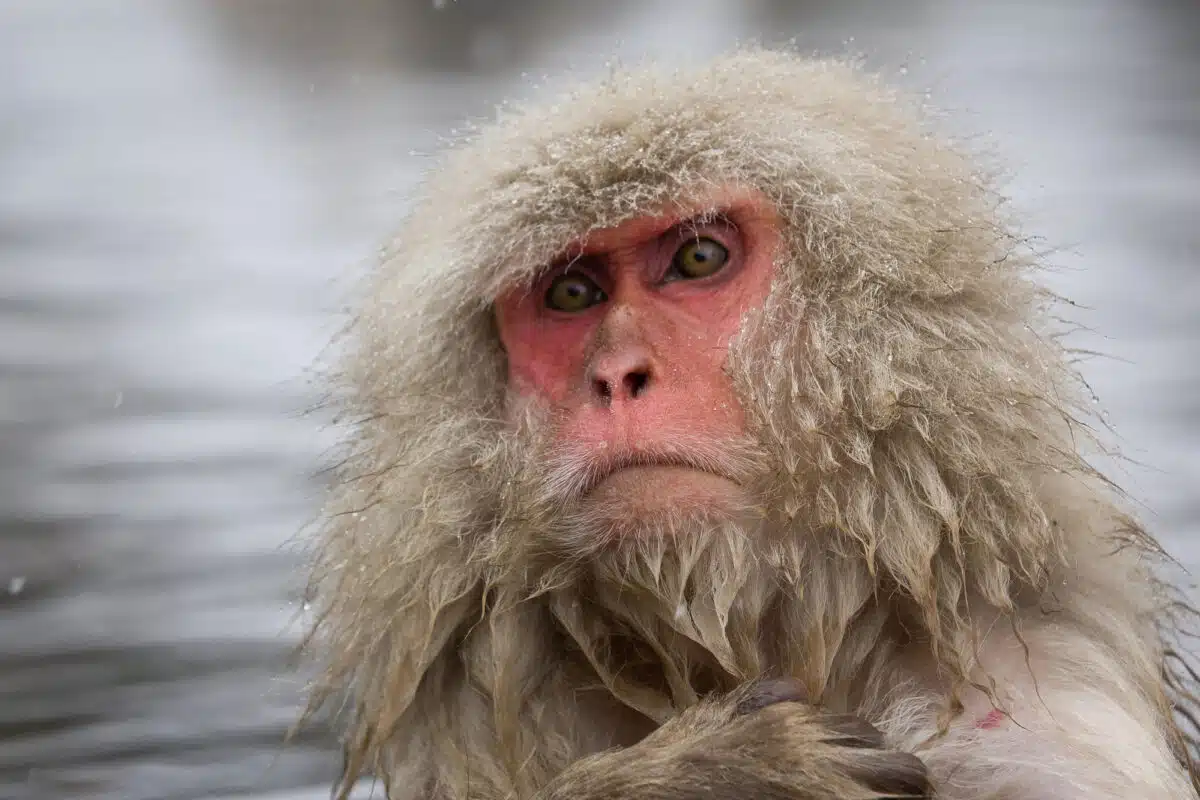
Animals never cease to amaze us with their fascinating behaviors, many of which occur when they’re completely unobserved. From nocturnal rituals to peculiar self-care practices, the animal kingdom is a treasure trove of curious and quirky behaviors. Understanding these actions not only deepens our appreciation for wildlife but also reveals the complex and intriguing ways animals adapt to their environment. Let’s dive into the hidden world of animal antics and discover how they spend their unsupervised moments.
Unconventional Bath Time Rituals
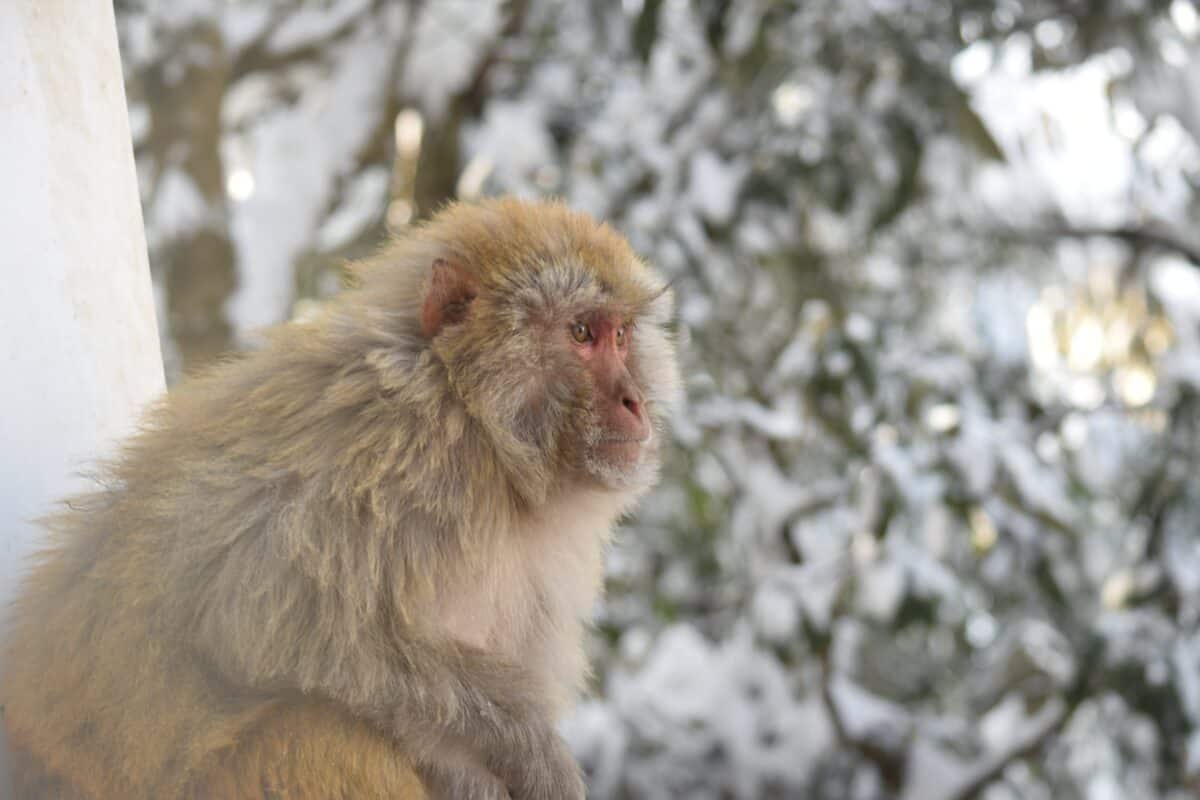
When it comes to personal hygiene, some animals take a rather unorthodox approach. The Japanese macaque, also known as the snow monkey, famously enjoys relaxing in hot springs to wash away the winter chill. This unexpected behavior provides not only cleanliness but also a warming comfort in freezing temperatures. Meanwhile, birds like to engage in dust bathing. They flop around in the dirt to cleanse their feathers of excess oil, pests, and dirt, which is crucial for maintaining their plumage in pristine condition.
Singing Spectacles Under the Moon

It’s not just humans who enjoy music—some animals perform intricate vocal displays after dark. The blue whale, the largest animal on Earth, sings late into the night with songs that can travel vast distances across the ocean. These haunting calls are believed to play a role in mating rituals and territory establishment. Similarly, nightingales are known for their complex nocturnal songs, which are both a declaration of presence and an invitation to potential mates.
Architectural Endeavors

When no one is watching, some animals reveal their inner architects. Beavers are famous for their dam-building expertise. These aquatic engineers work tirelessly through the night, felling trees and crafting structures that alter waterways to create protective ponds. Meanwhile, the bowerbird constructs elaborate nests decorated with colorful objects to attract mates. Their artistic prowess is a testament to creativity in the animal kingdom.
Nocturnal Navigation Skills

Many animals exhibit extraordinary navigation skills, particularly under the cover of darkness. Bats, for instance, rely on echolocation—a biological sonar—to maneuver through pitch-black environments. By emitting high-frequency sounds and listening for the echoes, they can pinpoint objects and prey with astonishing accuracy. Night-flying moths also employ acute navigation, using the moon and stars as guides to travel long distances at night.
Secretive Communication Strategies

When the sun sets, some animals launch clandestine conversations. Fireflies, for example, communicate using bioluminescent light signals that vary by species. This luminescent language allows them to locate mates in the darkness. In the depths of the ocean, many marine animals like the cuttlefish use patterns and colors as a form of silent communication to convey warnings or attract partners even in the absence of light.
Hidden Food Hoarding Habits
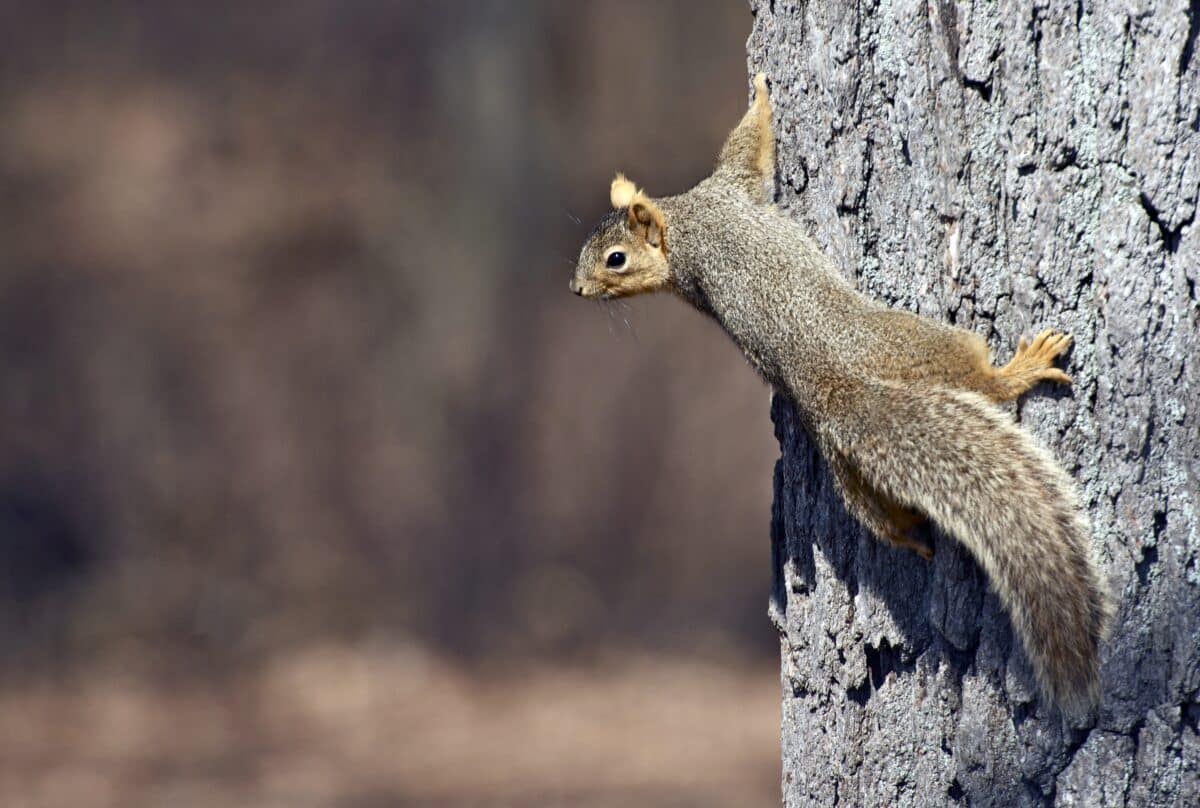
Several species are covertly industrious when it comes to food storage. Squirrels, well-known for their autumnal nut burial, actually practice deceptive caching to prevent thievery, often pretending to bury nuts while secretly stashing them elsewhere. Jays demonstrate similar behavior, storing thousands of seeds in underground caches, relying on their remarkable memory to retrieve them months later.
Peculiar Feeding Practices

Some animals engage in rather strange meal-time habits. The star-nosed mole, found in North America, uses its unusual, tentacle-covered nose to identify and eat prey with remarkable speed. This peculiar appendage is instrumental in locating food underground. Meanwhile, the hagfish, dwelling in ocean depths, ties itself into knots to strip flesh from carcasses, an efficient method that suits its scavenging lifestyle.
Undercover Mate Selection
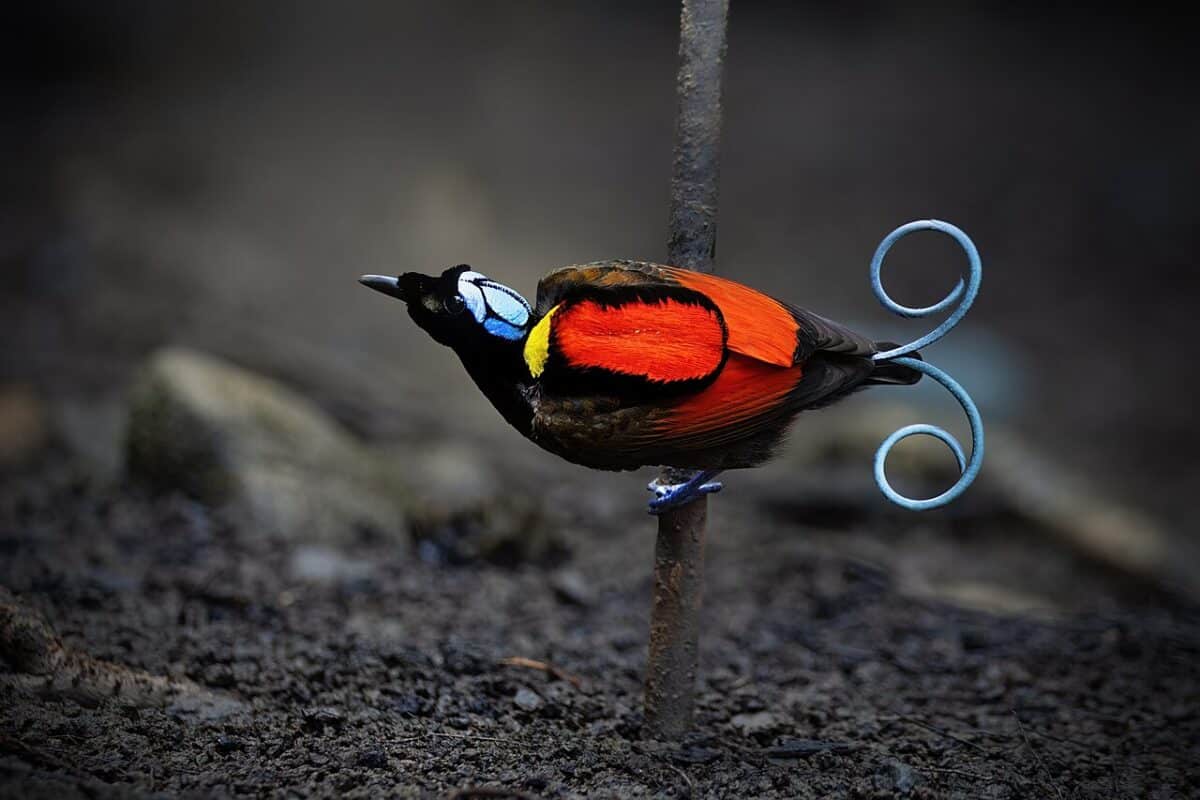
In the quest for companionship, certain animals employ unique courtship rituals. The male superb bird-of-paradise performs an elaborate dance routine unparalleled in the animal kingdom. This display of vibrant plumage and energetic moves is done in private forest arenas to captivate prospective mates. In contrast, the male Attenborough’s long-beaked echidna releases an enticing scent to woo females—a potent perfume that is wafted in secret.
Unique Sleep Strategies

Sleep is a private affair, and many animals have adapted unusual techniques. Giraffes, for instance, manage on very little sleep, often catnapping in short bursts and using their long necks as a pillow. Dolphins exhibit unihemispheric slow-wave sleep, allowing one half of their brain to rest while the other remains alert for predators or navigational needs—an ingenious way to stay vigilant even in slumber.
Cleaning Companions

In a symbiotic exchange, some animals have found partners to help them with grooming. Oxpeckers diligently clean ticks and parasites from the backs of large mammals like rhinos and buffaloes, simultaneously feeding themselves while providing a valuable service. In the oceans, cleaner fish offer similar services to larger fish, removing dead skin and parasites—an unseen but vital health regimen for their hosts.
Customized Habitat Enhancements
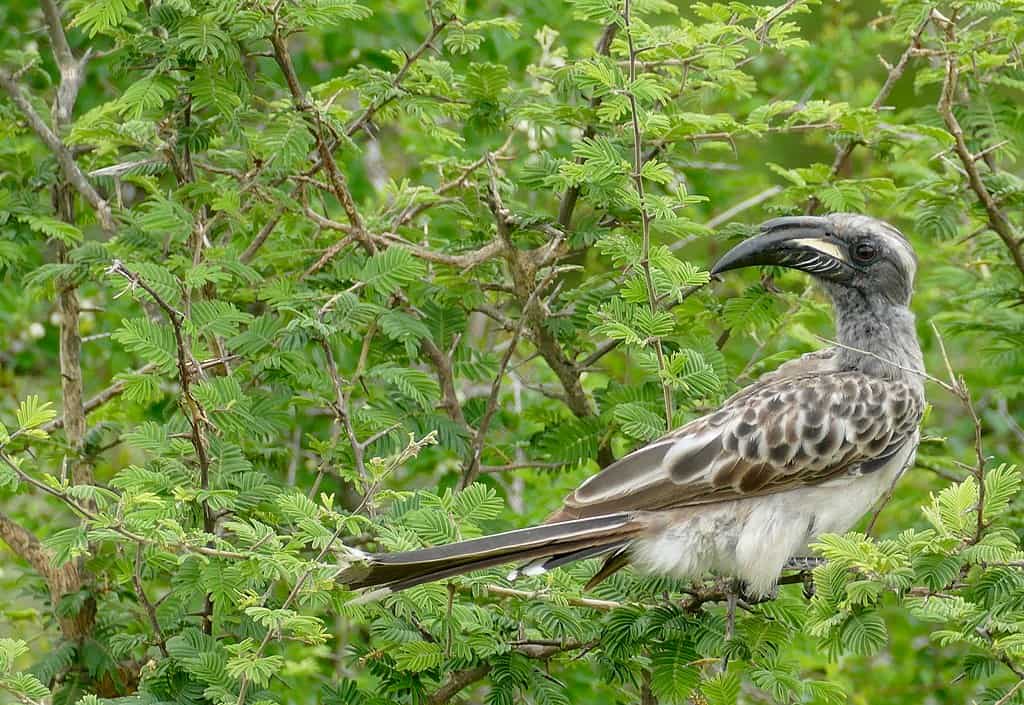
Beyond general nest building, some creatures customize their homes in remarkable ways. The African hornbill seals itself into a tree cavity with a mud and droppings mixture, leaving only a small opening for the male to provide food while its mate incubates eggs. Meanwhile, the octopus is known to collect and arrange stones and shells around its den’s entrance, creating a protective and personalized barrier in the seafloor sand.
Camouflage and Disguise Tactics
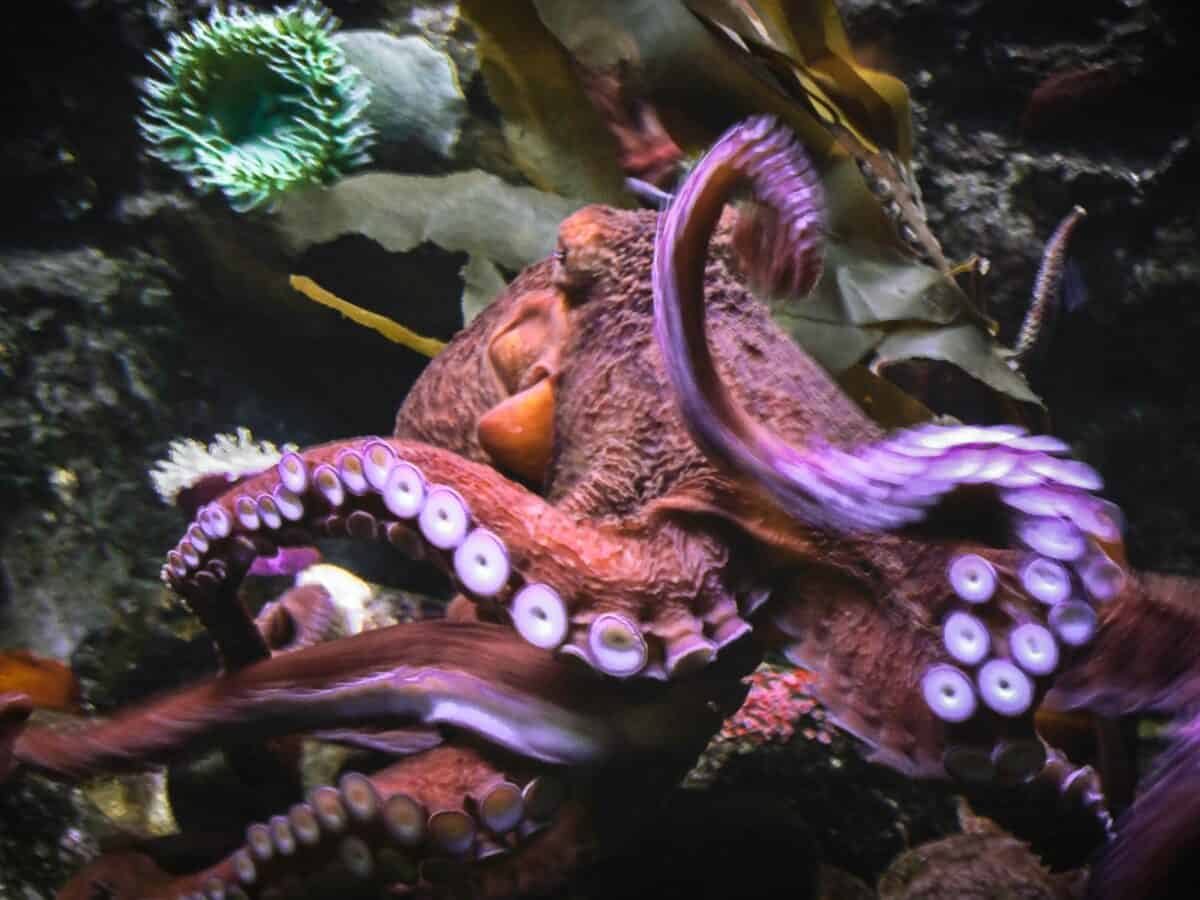
Many creatures are masters of disguise, using their environment for protection. The mimic octopus can change its color, pattern, and even body shape to imitate other marine life, deterring predators by blending in perfectly with different species. On land, the Indian leaf butterfly displays wings that resemble dried leaves, an effective camouflage that aids in evading potential threats.
Conclusion

The enigmatic actions of animals when they’re not in the spotlight reveal the inherent creativity and adaptability of wildlife. These behaviors, ranging from strange rituals to impressive feats of engineering and communication, highlight the complexity of animal lives and their interactions with the environment. Understanding these profound acts reminds us of the diverse strategies animals employ to survive and thrive in the wild, painting a vivid picture of the unseen wildlife spectacle.

As a little kid, I fell in love with nature, wildlife, and animals. Living in the USA, South Africa, Italy, China and Germany gave me the opportunity to discover the world's Wildlife. My favorite animals are Mountain Gorillas, Siberian Tigers, and Great White Sharks.
I'm a certified PADI Open Water Diver, went to Everest Base Camp and Trekked Gorillas in Uganda. I hold a Master of Science in Economics and Finance.
Please send any feedback to feedback@animalsaroundtheglobe.com
- Why the Garden Snail Moves at a Glacial Pace - July 30, 2026
- 14 Low-Maintenance Pets for First-Time Owners - July 30, 2026
- How the Three-Toed Sloth Defies Speed in the Animal Kingdom - July 30, 2026