


The conservation of endangered species is a vital task as biodiversity loss accelerates across the globe. Communities everywhere are stepping up to safeguard the wildlife they share the planet with. These daily heroes demonstrate the power of grassroots initiatives in preserving our natural heritage for future generations.
Understanding Endangered Species

Endangered species are plants and animals that are at serious risk of extinction. Human activities like deforestation, pollution, and hunting, alongside natural phenomena, lead to habitat loss and population declines. The International Union for Conservation of Nature (IUCN) maintains the Red List, which categorizes species based on their conservation status ranging from ‘Least Concern’ to ‘Critically Endangered’.
The Role of Local Communities

Local communities play a crucial role in conservation efforts. They often possess traditional ecological knowledge that helps in understanding wildlife behaviors and ecosystem functions. By involving local communities, conservation projects can tailor strategies that respect cultural practices and improve the likelihood of long-term success.
Community-Based Conservation Strategies

Community-based conservation integrates the livelihoods of local populations with environmental objectives. This approach includes activities like sustainable farming, eco-tourism, and the sustainable harvesting of natural resources. By aligning community welfare with conservation aims, these strategies empower residents to become advocates for biodiversity.
Success Stories Community-Led Initiatives

Across the world, there are numerous success stories where communities have successfully protected endangered species. For example, the Snow Leopard Conservancy engages with local communities in the Himalayas to protect snow leopards through educational programs and workshops without threatening pastoral livelihoods.
Innovative Conservation Tactics

Communities often employ inventive ways to tackle conservation challenges. In Africa, local groups leverage technology like wildlife monitoring apps and GPS tracking to prevent poaching. Such technology enables quick and effective responses to threats, showcasing how traditional knowledge and modern tools can work hand-in-hand.
Educational Programs and Awareness

Education and awareness campaigns form the backbone of many conservation programs. By enlightening communities about the importance of biodiversity, these programs foster a stewardship ethos. Schools and NGOs collaborate to bring conservation education to children, nurturing future guardians of the wild.
Funding and Resources

Adequate funding is integral to successful conservation efforts. Communities often partner with international NGOs and governments to secure resources. Fundraising events, grant writing, and philanthropic donations are crucial to procuring the equipment and training needed for sustained conservation activities.
Challenges Faced by Guardians
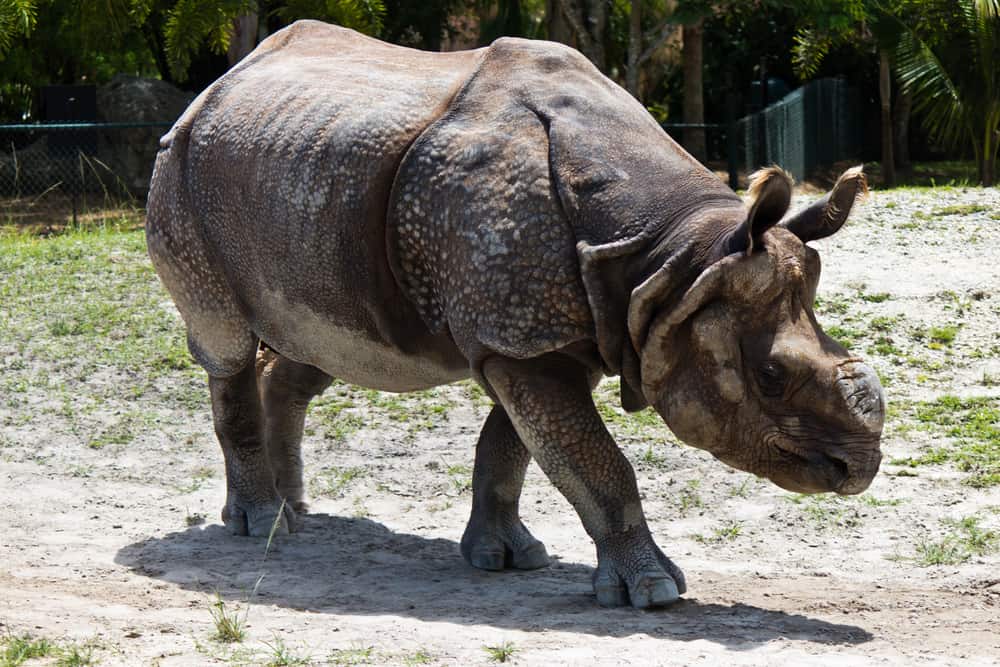
Despite their efforts, communities face significant challenges in conservation efforts. Conflicts over land use, limited funding, and sometimes hostile political environments can impede progress. Communities persist through collaboration, resilience, and adaptability.
Policy and Advocacy

Advocating for policies that favor conservation is a powerful tool. Communities often engage in dialogue with policymakers to influence legislation that protects endangered species. Lobbying for habitat protection, anti-poaching laws, and sustainable development policies are critical components of their advocacy work.
The Impact of Eco-Tourism
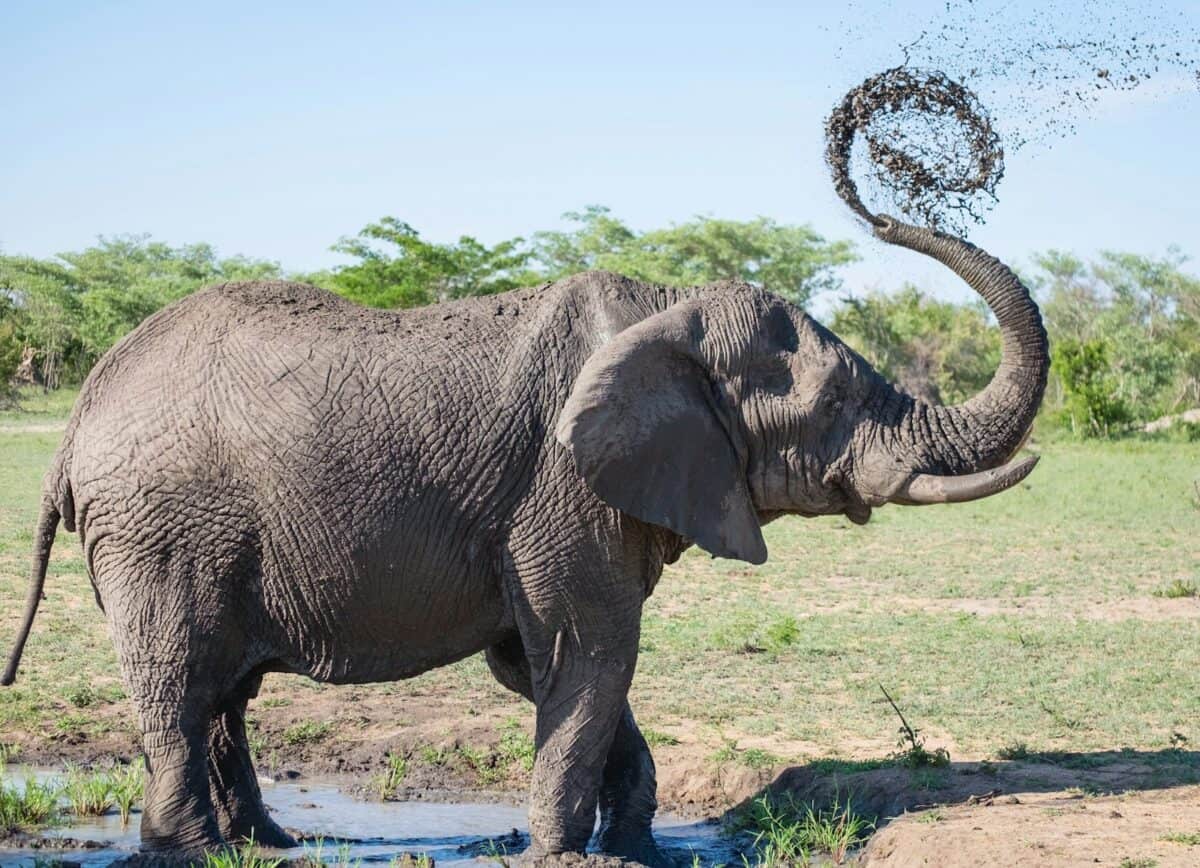
Eco-tourism can be a significant source of income for local communities while promoting conservation. By attracting visitors interested in nature, communities can generate revenue that funds conservation projects. This also creates jobs and raises awareness about the importance of preserving wildlife.
Measuring Success and Adaptation


Monitoring and evaluating conservation results is essential. Communities employ various methods to measure success, from tracking species population to examining ecosystem health. The ability to adapt strategies based on results is a hallmark of successful conservation efforts.
The Future of Community-Based Conservation

The future of conservation relies on empowering more communities to become guardians of the wild. As threats to biodiversity increase, learning from successful community-based efforts provides a valuable blueprint for expanding conservation initiatives worldwide. With continued support and innovation, these grassroots movements will play a vital role in preserving the Earth’s endangered species.
Conclusion:
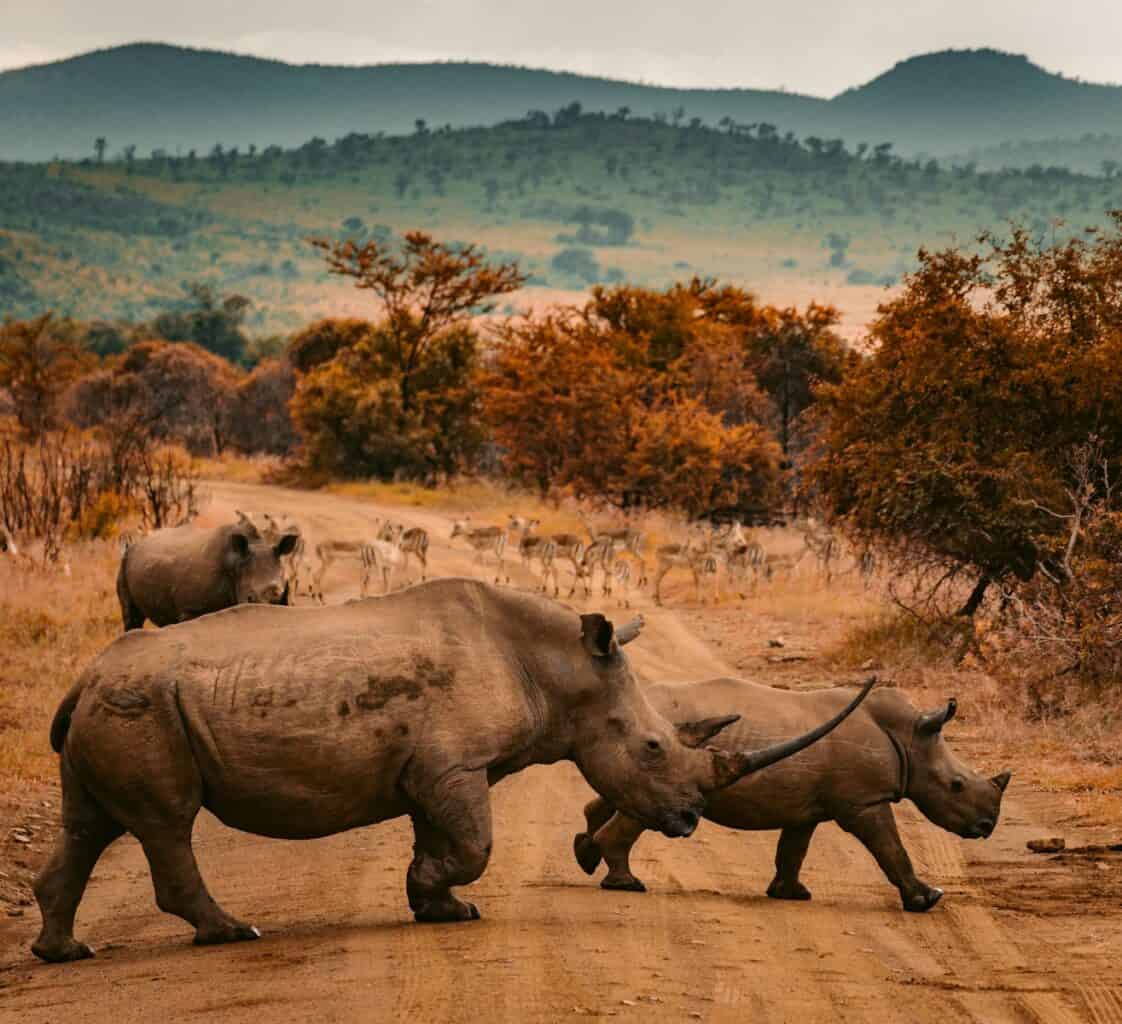
In conclusion, community-driven conservation efforts have proven essential in protecting endangered species. Through education, innovation, and collaboration, local communities worldwide show that it is possible to harmonize human activities with nature’s prosperity. These guardians of the wild remind us that every effort counts in the global mission to preserve our planet’s precious biodiversity.

As a little kid, I fell in love with nature, wildlife, and animals. Living in the USA, South Africa, Italy, China and Germany gave me the opportunity to discover the world's Wildlife. My favorite animals are Mountain Gorillas, Siberian Tigers, and Great White Sharks.
I'm a certified PADI Open Water Diver, went to Everest Base Camp and Trekked Gorillas in Uganda. I hold a Master of Science in Economics and Finance.
Please send any feedback to feedback@animalsaroundtheglobe.com
- 10 Most Powerful Earthquakes That Shook the US to Its Core - June 25, 2026
- New York Urban Raccoons Are Smarter Than Ever Scientists Are Shocked - June 25, 2026
- 15 Amazing Feats of Memory in the Animal Kingdom - June 25, 2026