


Spiders are often associated with webs and stealthy movements, but did you know that some of them can fly? This remarkable ability is not achieved by wings or mechanical means, but rather through a fascinating interaction with the Earth’s natural electrical field. In this article, we explore the intriguing phenomenon that gives certain spiders a supernatural mode of travel, defying what we traditionally understand about arachnid locomotion.
The Phenomenon of Ballooning

Spiders employ a method called ballooning to “fly.” This triggers a process where they release silk threads into the air, allowing them to be carried away by wind and updrafts. More than just a whimsical means of travel, ballooning is a vital survival tactic that enables spiders to disperse across wide areas, colonizing new habitats and escaping unfavorable conditions.
The Role of Electrostatic Forces

Recent studies have uncovered a stunning aspect of ballooning: the role of electrostatic forces. It turns out that Earth’s atmosphere carries a natural electric field, with the ground being more negatively charged compared to the upper atmosphere. Spiders have learned to harness these forces to enhance their aerial journeys. The silk threads they release become positively charged, creating a repulsion from the ground, which effectively gives the spiders lift.
How Scientists Discovered Electric-Assisted Flight

Researchers have long been puzzled by how spiders could balloon even on seemingly windless days. It was only through a combination of atmospheric science and zoology that scientists pieced together the role of electric fields. Experiments involving electric fields and observation of spider behavior in controlled environments confirmed that spiders sense and respond to electrostatic forces around them, prompting them to engage in ballooning.
The Mechanics of Silk Charge

The charging process of silk is a fascinating topic. When spiders extrude silk, it automatically picks up a charge through a process called “triboelectric effect,” which occurs upon contact with the air. The charge on the silk causes the strands to repel each other, spreading out to capture more air and counteract gravity, which assists in the spider’s lift.
The Spider’s Sensory Adaptations

Spiders possess extraordinary sensory abilities that compensate for their seemingly simple appearance. Specialized sensory hairs on their legs, called trichobothria, allow them to detect subtle changes in the electrical fields. These hairs give them a sort of ‘sixth sense’ to optimize their timing for ballooning, ensuring they capture the most conducive moment to take flight.
The Importance of Ballooning for Spider Ecology

Ballooning plays a critical ecological role by empowering spiders to relocate and thrive in diverse environments. This form of dispersal is crucial for population dynamics, entire colony survival, and ecological balance. By colonizing new areas, spiders contribute to insect population control and are vital to the ecosystem’s health.
The Influence of Weather on Spider Flight

While electrostatic forces provide the support needed for flying, weather conditions are a significant factor determining the success of ballooning. Ideal conditions include clear days with slight breezes and dry air, which amplify the electric fields necessary for efficient traveling. Conversely, rainy or turbulent weather disrupts and grounds their flight plans.
Implications for Robotics and Technology

The marvel of spiders ballooning using electric charge has not gone unnoticed by the tech world. Researchers are investigating biomimicry to develop drones and tiny robots that can navigate using similar principles. Emulating spider ballooning may lead to technological advances in autonomous aerial travel and provide new ways to explore remote or hazardous areas.
Myths and Misunderstandings
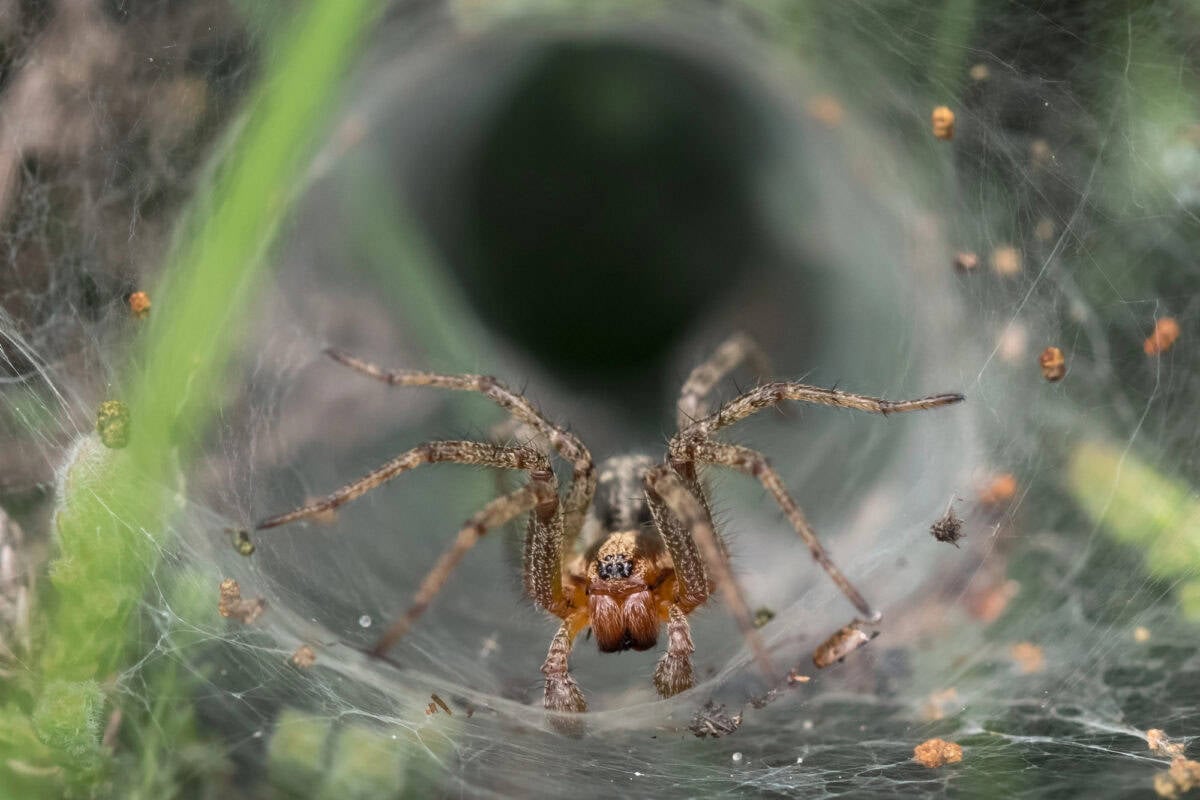
Despite being thoroughly researched, spider ballooning often seems shrouded in myth and misunderstanding. Some still believe spiders can control their silk like a kite, which isn’t entirely accurate. The process is more complex, involving both passive and active responses to environmental cues, an elegance of design developed through millennia of evolution.
The Future of Spider Research
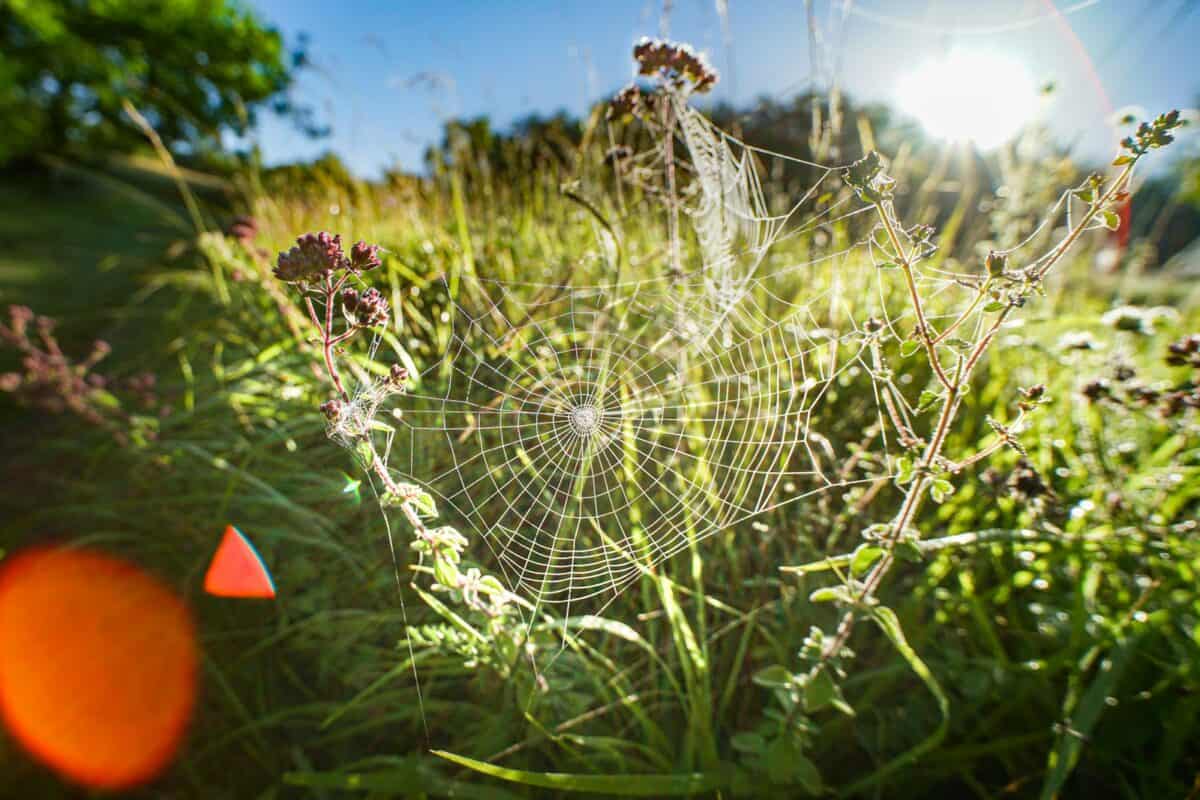
As scientific inquiry continues to unravel the mysteries behind spider ballooning, each discovery paves the way for exciting new questions and possibilities. Understanding the nuances of spider behavior and environmental interaction could open doors to vast fields of innovation, from environmental science to cutting-edge robotics.
Conclusion: Nature’s Aeronautical Engineers

Spiders, though often feared and misunderstood, are a testament to nature’s genius. Their ability to soar through the sky by harnessing natural electrical forces reminds us of the intricate interconnectedness of natural systems. By studying these fascinating creatures, we not only broaden our understanding of the natural world but also open avenues for technological progress inspired by millions of years of evolution. So next time you glimpse a spider taking a journey aloft, remember you’re witnessing one of nature’s most elegant engineering feats.

From exploring the marine wonders in the Azores and witnessing the vast savannas of Kenya, to delving deep into the rich biodiversity of South Africa and traversing iconic landscapes in Australia and the US like Yellowstone, Chris's experiences are vast.
With a penchant for diving alongside sharks, the ocean holds a special place in his heart.
Through his academic insights, he champions wildlife conservation, striving with 'Animals Around The Globe' to cultivate a profound connection between humans and animals, enhancing our mutual appreciation.
Connect with him at Feedback@animalsaroundtheglobe.com.
- What Scientists Found in a 10,000-Year-Old Beehive - July 20, 2026
- This Spider Builds Fake Decoys of Itself - July 20, 2026
- What Happens If a Crocodile Fights a Hippo? - July 20, 2026