


Honeybees play a critical role in our ecosystems and food systems across the globe. These small yet mighty creatures are much more than just producers of honey. They are essential pollinators that facilitate the growth of countless plants. Despite their significance, honeybee populations are declining, posing serious concerns for biodiversity and agriculture. This article delves into the various reasons honeybees are indispensable to our planet, shedding light on their fascinating world and the urgent need for their conservation.
The Role of Honeybees in Pollination

Honeybees are some of the most efficient pollinators on the planet. As they forage for nectar, they inadvertently transfer pollen from flower to flower, enabling plants to fertilize and bear fruit. This process is crucial for the reproduction of flowering plants, many of which are critical sources of food for animals and humans alike. It is estimated that one-third of the food we consume depends on pollination, particularly by bees.
Supporting Biodiversity

Honeybees help maintain the rich biodiversity of plant species on which entire ecosystems rely. The diversity of flowering plants affects the overall health and sustainability of ecosystems, providing habitats and food sources for countless wildlife species. By supporting plant diversity, honeybees contribute to the resilience of these ecosystems, helping them withstand environmental changes and threats.
Impacts on Food Production
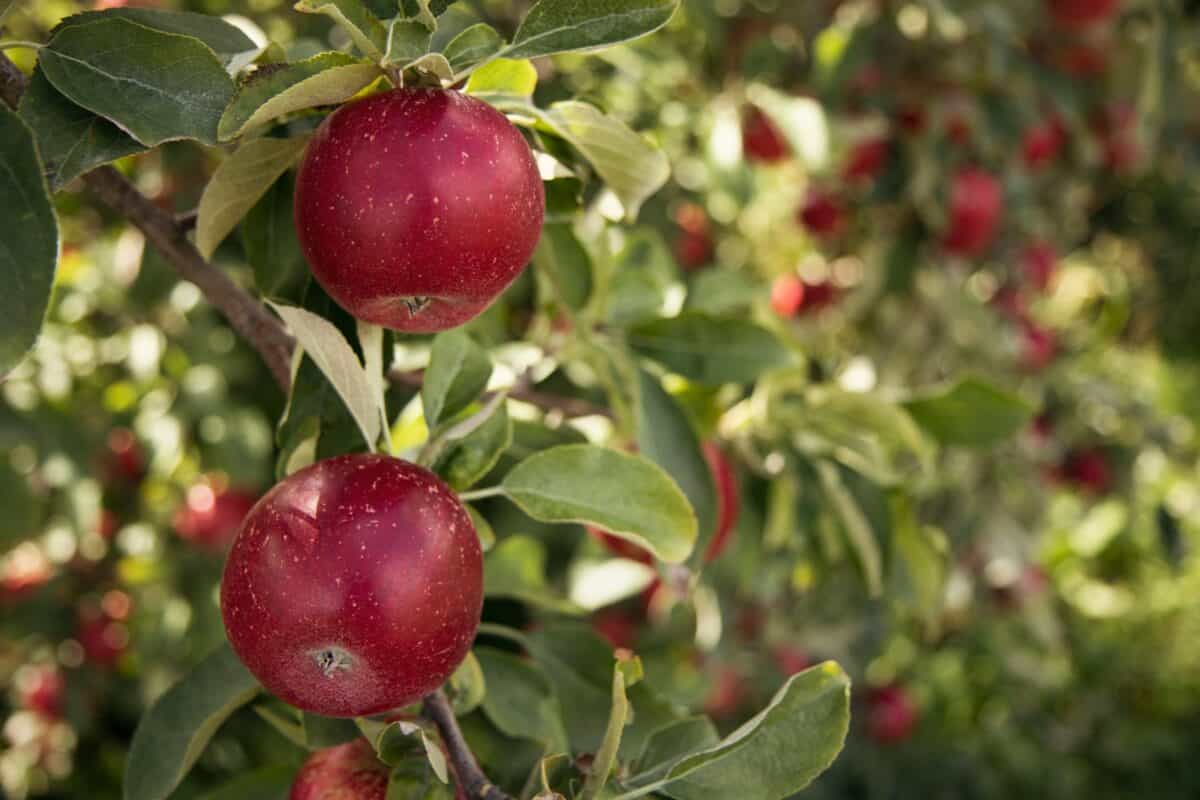
Many of the crops humans rely on, such as fruits, vegetables, nuts, and seeds, are dependent on bee pollination. Honeybees contribute significantly to agriculture, enhancing crop yields and quality. Without honeybees, the production of these foods would diminish, leading to increased scarcity and higher prices, thus impacting food security globally.
Ecosystem Services Beyond Pollination

Beyond pollination, honeybees also support ecosystems by contributing to the health of plants and flowers. Healthy plants, in turn, enhance soil quality, conserve water, and provide clean air by absorbing carbon dioxide. These ecosystem services are critical for maintaining a balanced and healthy environment.
The Economic Value of Honeybees
The economic implications of honeybee pollination are enormous, with their contribution to agriculture valued in the billions of dollars annually. This includes the direct value of increased crop yields and the indirect benefits such as jobs in agriculture and industries that rely on agricultural products.
The Threats Facing Honeybee Populations

Despite their importance, honeybees face numerous threats, including habitat loss, pesticide exposure, diseases, and climate change. The loss of wildflower habitats reduces their food sources, while pesticides can be harmful or even lethal to bees. Additionally, climate change alters the blooming periods of plants, disrupting the synchronization critical for effective pollination.
Conservation Efforts for Honeybees

Efforts to conserve honeybee populations include promoting sustainable agricultural practices, such as reducing pesticide use and planting bee-friendly habitats. Supporting organic farming and urban beekeeping initiatives can create safer environments for these pollinators. Public awareness and policies focusing on environmental protection also play a crucial role in honeybee conservation.
The Role of Beekeepers

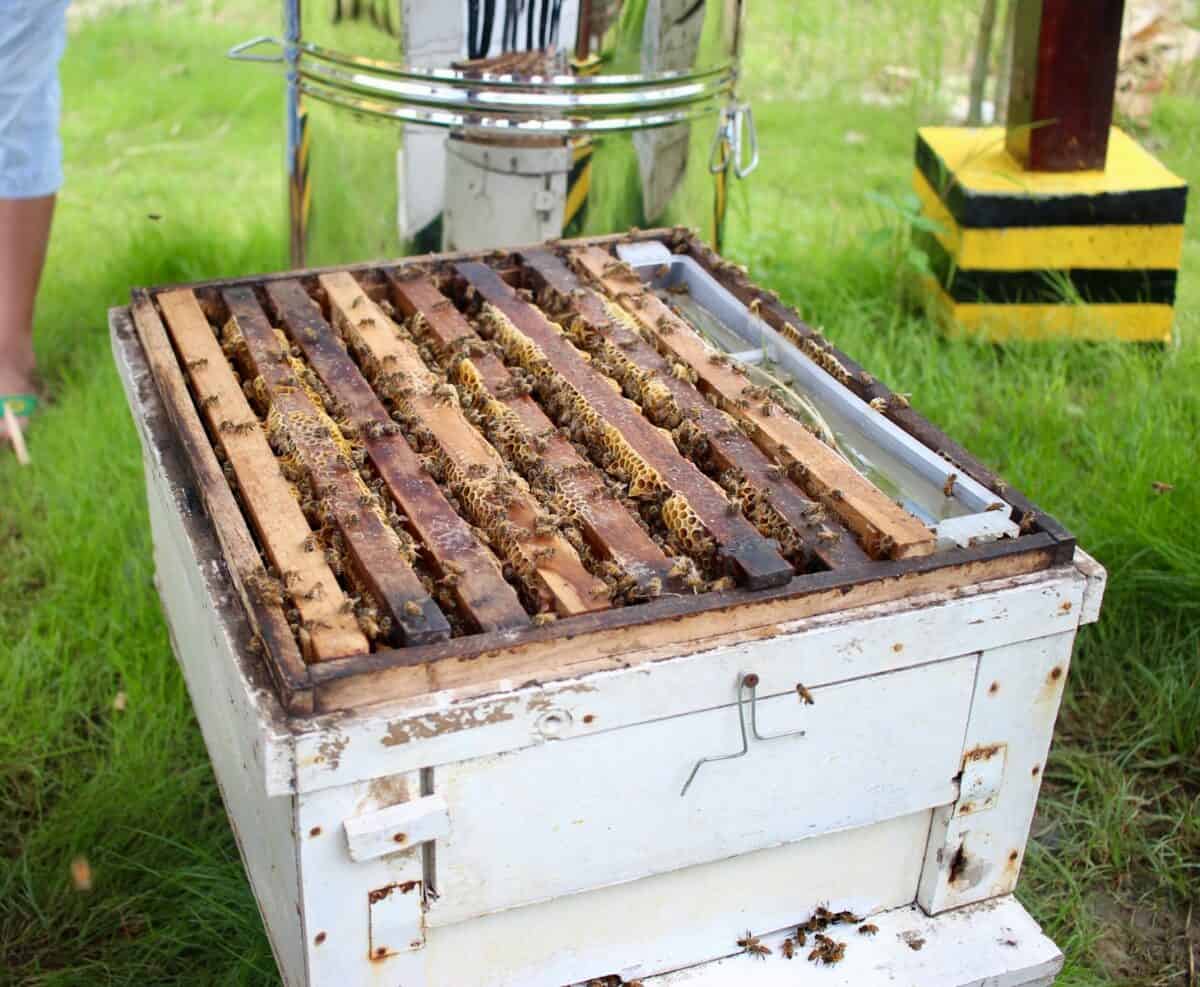
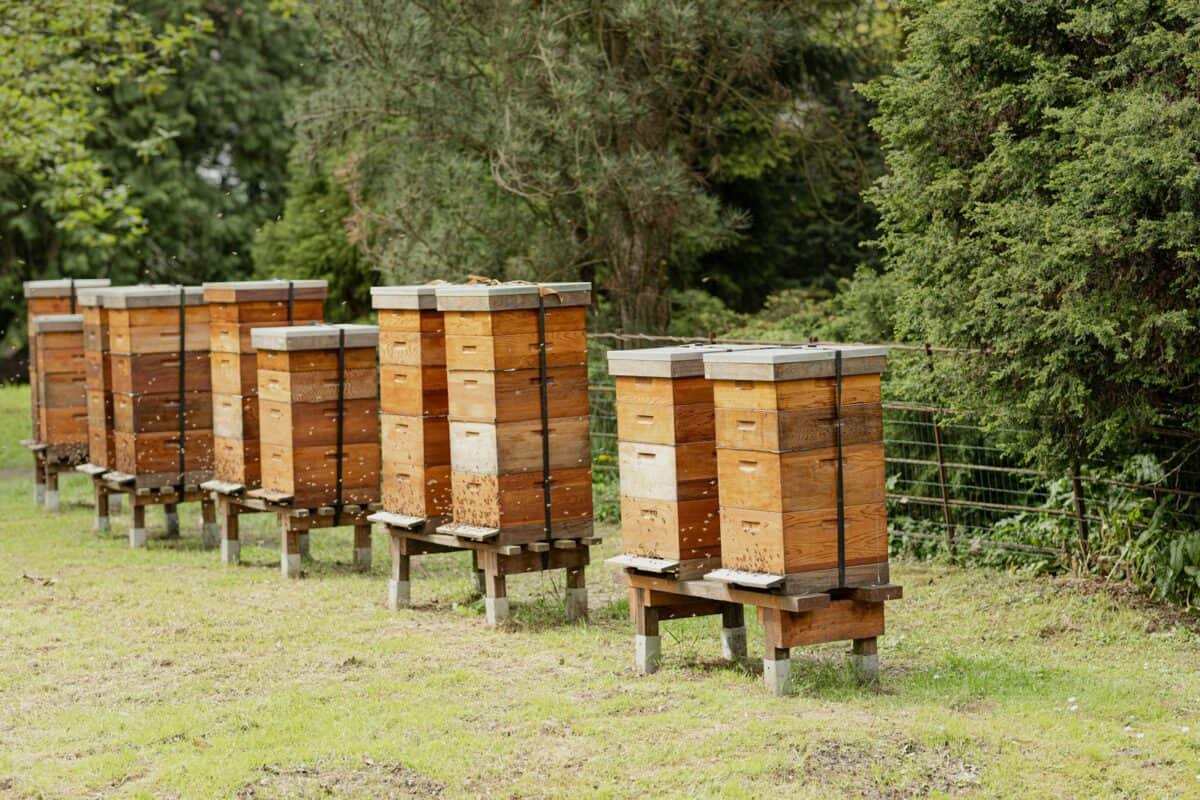
Beekeepers are pivotal in monitoring and maintaining honeybee health. They manage hives to ensure that bees have access to diverse and plentiful food sources and address issues such as disease and mite infestations. Beekeepers often act as advocates for bee conservation, spreading awareness about the importance of bees.
Innovative Solutions for Bee Conservation

Researchers and innovators are developing new technologies and methods to protect honeybees. These include creating bee-friendly pesticides, using technology to monitor hive health, and breeding disease-resistant bee strains. There is also a growing interest in developing robotic pollinators, although these have yet to match the efficiency of natural bees.
Community Involvement in Bee Conservation
Community programs that encourage people to plant native wildflowers, reduce pesticide use, and create ‘bee hotels’ can significantly impact local bee populations. Educating the public on the value of bees and how to support them fosters a collective effort toward conservation that is both powerful and sustainable.
The Global Importance of Bees
Honeybees have a universal impact that transcends borders. Their role as pollinators supports not only local economies and food supplies but also international trade and agricultural interconnectedness. Protecting bees is thus a global responsibility that requires international cooperation and commitment.
What You Can Do to Help

Individuals can contribute to honeybee conservation in various ways, such as planting bee-friendly gardens, supporting organic and local farms, or even starting their own bee hives. Every small action can contribute to a larger movement to safeguard these indispensable creatures.
Honeybees are a keystone species that serve vital ecological and economic functions. Their pollination supports food production, biodiversity, and ecosystem health. However, facing threats such as habitat loss and climate change, their populations are in decline. Through collective efforts in conservation, sustainable practices, and public education, we can ensure that honeybees continue to thrive, sustaining our planet and the future of human food sources.

- Why Honeybees Are Vital for Our Planet - July 27, 2026
- Animals That Depend on Rainforests for Survival - July 27, 2026
- Species Where Learning Takes Years Before Maturity - July 27, 2026
Leave a comment
You must be logged in to post a comment.