


Nature is a vast and intricate tapestry, woven together by the lives of countless creatures. Each animal, no matter how small or seemingly insignificant, plays a vital role in maintaining the balance of our ecosystem. From the majestic flight of an eagle to the silent scuttle of a beetle, wildlife is full of hidden wonders waiting to be discovered. For animal enthusiasts and nature lovers alike, understanding these creatures’ lives offers a glimpse into the intricate dance of life on Earth. Let’s dive into the secret lives of wildlife and uncover the mysteries that lie beyond our doorsteps.
The Mysterious World of Nocturnal Animals

When the sun sets and the world goes to sleep, a bustling world awakens. Nocturnal animals like owls, bats, and foxes have adapted to life in the dark, using their heightened senses to navigate and hunt. Owls, with their keen eyesight and silent flight, are master hunters of the night. Bats, on the other hand, rely on echolocation to pinpoint their prey in complete darkness. These adaptations ensure their survival in a world where light is a rare commodity. Observing these creatures offers a unique perspective on how life thrives in the absence of daylight.
The Underwater Symphony of Marine Life

Beneath the ocean’s surface lies a vibrant and dynamic world teeming with life. Coral reefs, often referred to as the “rainforests of the sea,” are home to a diverse array of species, from the colorful clownfish to the majestic sea turtle. These ecosystems are not only breathtakingly beautiful but also crucial for the health of our planet. They provide shelter, food, and breeding grounds for countless marine species. By exploring the underwater symphony of marine life, we gain a deeper appreciation for the delicate balance that sustains our oceans.
The Intricate Web of Forest Dwellers

Forests are bustling ecosystems where every creature, from the towering trees to the tiniest insects, plays a crucial role. Birds, insects, mammals, and reptiles coexist in a complex web of life, each contributing to the forest’s health and vitality. In these lush environments, symbiotic relationships flourish. For instance, certain birds rely on ants to flush out insects from tree bark, while the ants benefit from the birds’ presence as a deterrent to predators. This intricate web of interactions highlights the interconnectedness of all living things.
The Art of Camouflage and Survival

In the wild, the ability to blend in can mean the difference between life and death. Many animals have developed remarkable camouflage techniques to evade predators or ambush prey. The chameleon, for example, can change its skin color to match its surroundings, while the stick insect mimics the appearance of twigs and leaves. These adaptations are not just about hiding; they are a testament to the ingenuity of nature. By mastering the art of camouflage, animals can increase their chances of survival in a world full of challenges.
The Majesty of Birds in Flight

Birds have captured the human imagination for centuries with their graceful flight and melodious songs. From the powerful wingspan of the eagle to the delicate flutter of the hummingbird, each species has evolved unique adaptations for flight. Birds migrate thousands of miles, guided by instinct and environmental cues, to find food and breeding grounds. Their ability to soar through the skies is a reminder of the freedom and beauty of nature. Observing birds in flight inspires awe and a deeper connection to the natural world.
The Silent Communication of Insects

Insects may be small, but their impact on ecosystems is immense. Many insects communicate using chemical signals called pheromones, which can convey messages about territory, mating, and danger. Ants, for example, leave scent trails to guide their fellow colony members to food sources. Bees perform intricate dances to relay information about the location of nectar-rich flowers. These forms of silent communication are essential for the survival and success of insect communities. By studying insects, we gain insights into the complex social structures that exist within the animal kingdom.
The Social Dynamics of Mammals
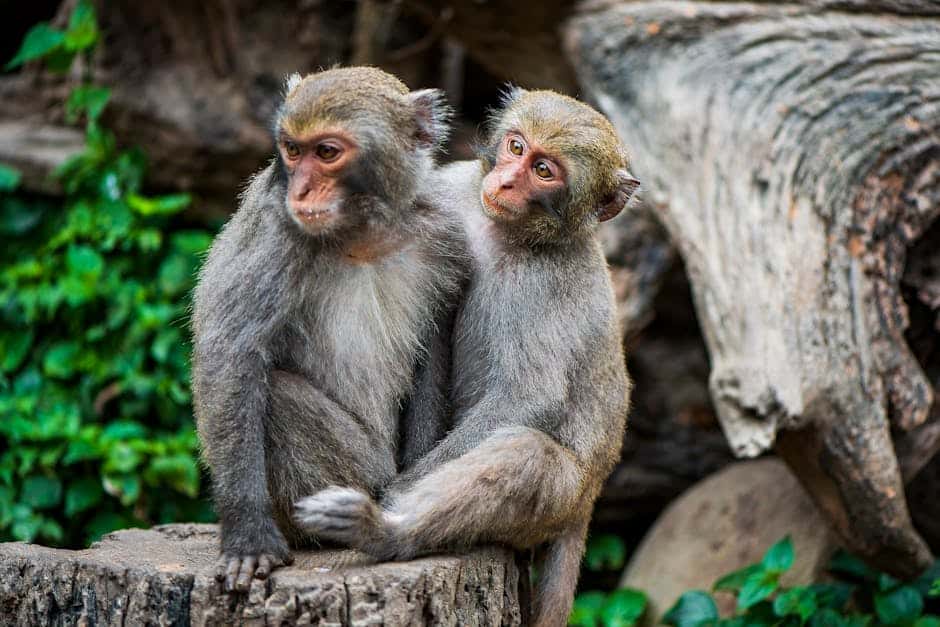
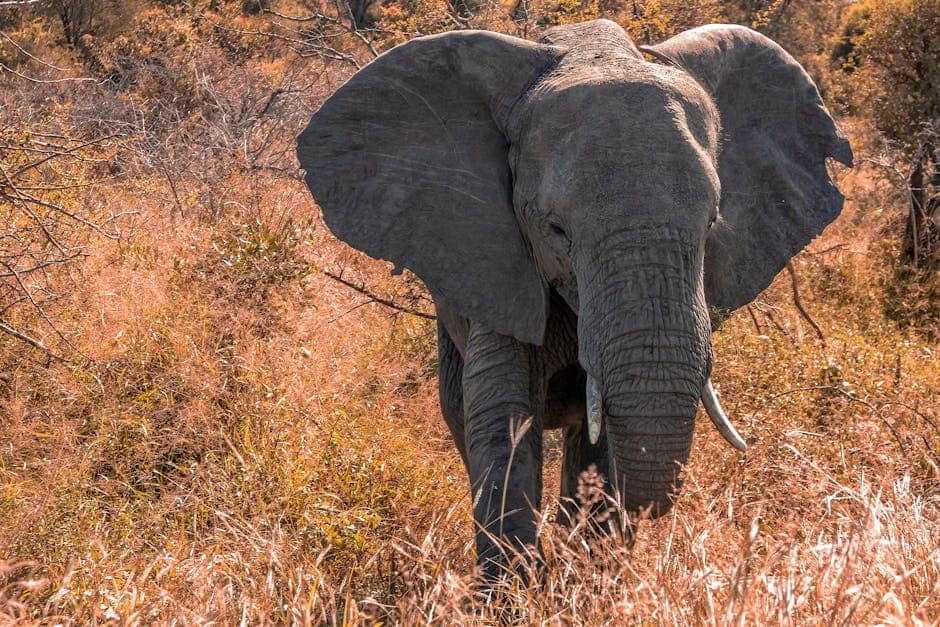
Mammals are known for their complex social structures and behaviors. From the familial bonds of elephants to the cooperative hunting strategies of wolves, mammals exhibit a wide range of social dynamics. Elephants, for example, live in close-knit family groups led by a matriarch, and their strong social bonds are evident in their interactions. Wolves, on the other hand, work together as a pack to hunt and raise their young. These social dynamics highlight the importance of cooperation and communication in the animal world, offering valuable lessons for humans as well.
The Ingenious Engineering of Beavers

Beavers are nature’s architects, known for their incredible ability to alter landscapes. By building dams and lodges, beavers create wetlands that provide habitat for a variety of species. Their engineering skills not only benefit themselves but also enhance biodiversity by creating new ecosystems. Beavers use their strong teeth to fell trees and gather materials, demonstrating remarkable problem-solving abilities. Their impact on the environment is a testament to the power of individual species to shape the natural world in profound ways.
The Elusive Lives of Big Cats

Big cats, such as lions, tigers, and leopards, are some of the most iconic and elusive animals in the wild. These apex predators are known for their strength, agility, and stealth. Lions, often referred to as the “king of the jungle,” live in prides and exhibit complex social behaviors. Tigers, on the other hand, are solitary hunters that rely on their camouflage and patience to ambush prey. Observing big cats in their natural habitats offers a glimpse into the raw power and beauty of the animal kingdom.
The Resilient Spirit of Desert Wildlife
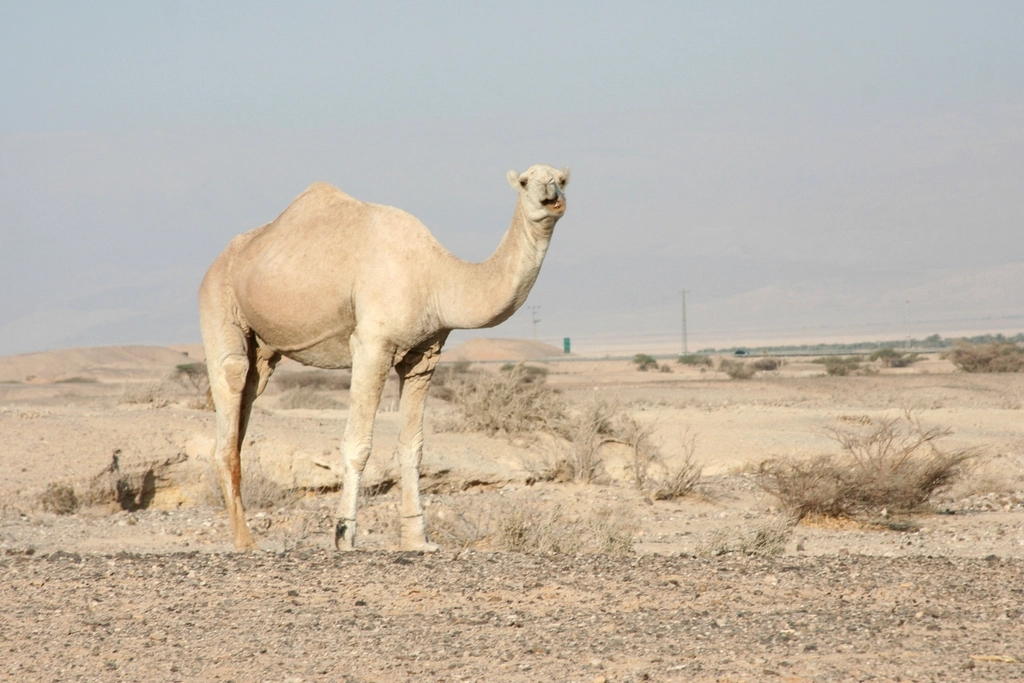
Deserts are harsh environments where only the most resilient species can survive. Animals like camels, snakes, and scorpions have adapted to extreme temperatures and scarcity of water. Camels, for instance, can store fat in their humps, allowing them to endure long periods without food or water. Desert snakes have developed unique hunting strategies to capture prey in the scorching heat. These adaptations highlight the incredible resilience and adaptability of desert wildlife, showcasing nature’s ability to thrive in even the most challenging conditions.
The Role of Pollinators in Ecosystems

Pollinators, such as bees, butterflies, and hummingbirds, play a crucial role in the reproduction of flowering plants. By transferring pollen from one flower to another, they facilitate the production of seeds and fruits. This process is essential for the survival of many plant species and the animals that depend on them for food. Bees, in particular, are vital pollinators that contribute to the health of ecosystems and agricultural systems alike. Protecting pollinators is crucial for maintaining biodiversity and ensuring the sustainability of our food supply.
The Marvels of Migration

Migration is one of nature’s most awe-inspiring phenomena, involving the movement of animals over vast distances in search of food, breeding grounds, or favorable climates. Monarch butterflies, for example, undertake a remarkable journey from North America to central Mexico, guided by genetic instincts. Similarly, whales migrate thousands of miles between feeding and breeding grounds, navigating the open ocean with precision. These journeys are a testament to the endurance and determination of wildlife, showcasing the lengths animals will go to ensure their survival.
The Enigmatic World of Reptiles

Reptiles, with their scaly skin and cold-blooded nature, are often misunderstood creatures. However, they play essential roles in ecosystems as predators and prey. Snakes, lizards, and turtles each have unique adaptations that enable them to thrive in various environments. Snakes, for example, use their flexible bodies to navigate tight spaces and capture prey, while turtles rely on their shells for protection. Understanding the enigmatic world of reptiles reveals the diversity and complexity of life on Earth, challenging our perceptions and expanding our knowledge.
The Importance of Conservation Efforts

Conservation efforts are vital for the protection and preservation of wildlife and their habitats. Human activities, such as deforestation, pollution, and climate change, pose significant threats to the survival of many species. Organizations and individuals worldwide are working tirelessly to safeguard endangered species and restore ecosystems. By supporting conservation initiatives, we can help ensure that future generations have the opportunity to experience the wonders of wildlife. Protecting nature is not just about preserving beauty; it is about sustaining the delicate balance that supports all life on our planet.
The Timeless Wisdom of Indigenous Knowledge
Indigenous communities around the world have lived in harmony with nature for centuries, possessing deep knowledge of local ecosystems and wildlife. Their traditional practices and wisdom offer valuable insights into sustainable living and conservation. Many indigenous cultures view wildlife as sacred and integral to their cultural identity. By respecting and integrating indigenous knowledge into modern conservation efforts, we can learn to coexist with nature in a way that respects and honors the delicate balance of life.
The Endless Wonder of Wildlife

The world of wildlife is filled with endless wonder, offering a glimpse into the beauty and complexity of nature. From the smallest insect to the largest mammal, every creature plays a vital role in the tapestry of life. By exploring and understanding the secret lives of wildlife, we gain a deeper appreciation for the interconnectedness of all living things. As animal enthusiasts and stewards of the Earth, it is our responsibility to protect and preserve the natural world for future generations. Through education, conservation, and a shared commitment to nature, we can ensure that the wonders of wildlife continue to inspire and captivate for years to come.

As a little kid, I fell in love with nature, wildlife, and animals. Living in the USA, South Africa, Italy, China and Germany gave me the opportunity to discover the world's Wildlife. My favorite animals are Mountain Gorillas, Siberian Tigers, and Great White Sharks.
I'm a certified PADI Open Water Diver, went to Everest Base Camp and Trekked Gorillas in Uganda. I hold a Master of Science in Economics and Finance.
Please send any feedback to feedback@animalsaroundtheglobe.com
- 13 Amphibians That Can Survive Freezing Temperatures - June 19, 2026
- 14 Pets That Can Learn Real Tricks Not Just Dogs - June 19, 2026
- 10 Hidden Caves in the US That Few People Have Ever Explored - June 19, 2026