

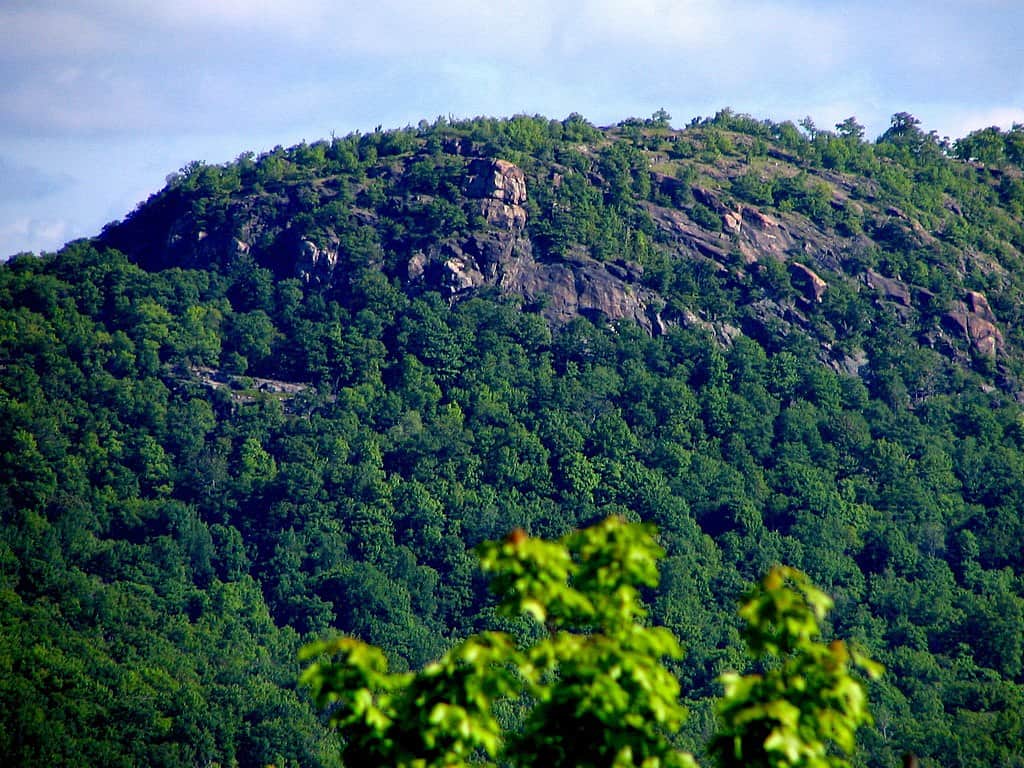
Our planet is alive with motion, constantly reshaping itself through a network of fault lines deep beneath the surface. While many are familiar with the infamous San Andreas Fault in California, dozens of lesser-known faults pose equally significant risks. This article delves into these under-the-radar geological features that warrant attention due to their potential to cause substantial quakes. From historic seismic activity to their impact on nearby communities, these fault lines demonstrate the earth’s formidable power.
10. The Wabash Valley Seismic Zone
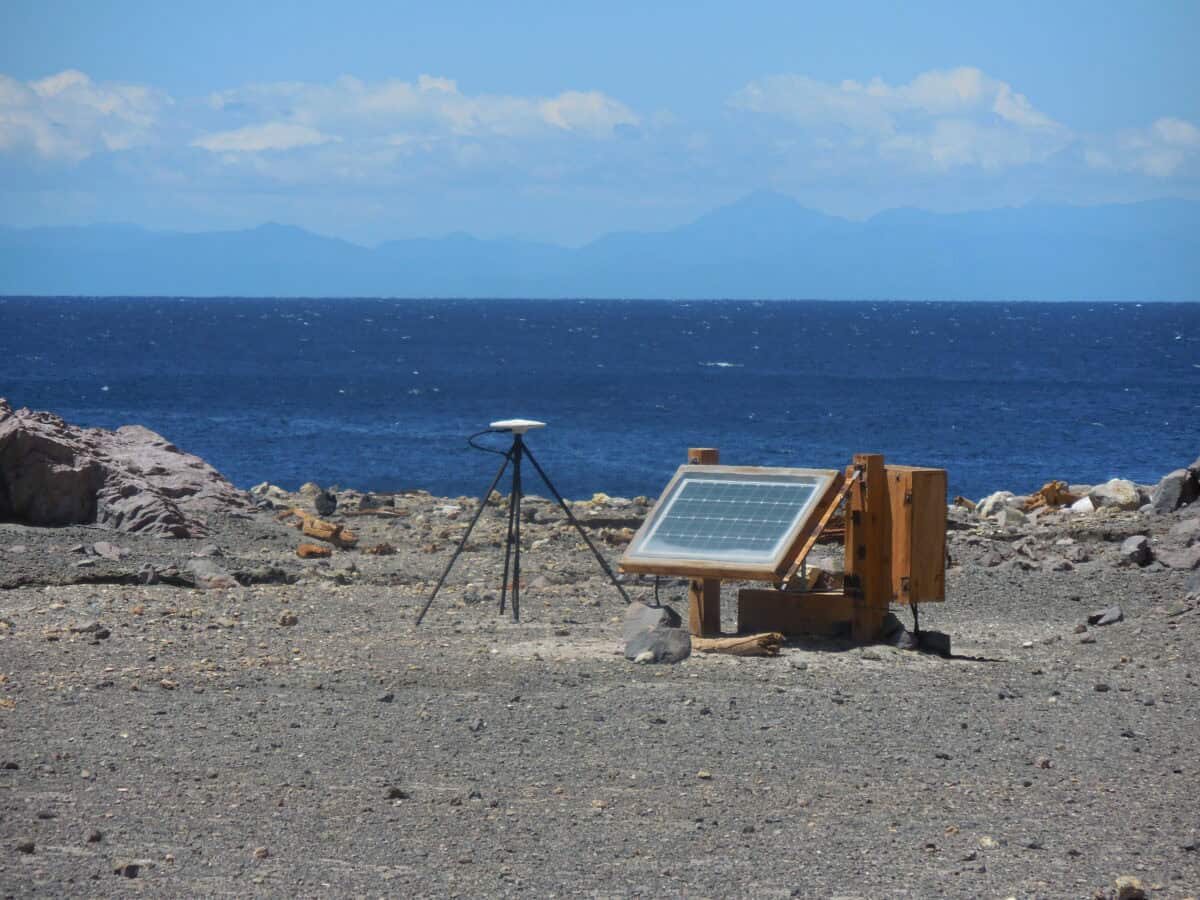
Located in the Midwest, straddling Indiana and Illinois, the Wabash Valley Seismic Zone is a long-overlooked fault system. It’s a series of faults lurking beneath the surface, capable of generating moderate to strong earthquakes. In 2002, a 4.6 magnitude earthquake reminded residents of its presence, serving as a wake-up call regarding the need for preparedness in the region.
9. The Odessa Fault
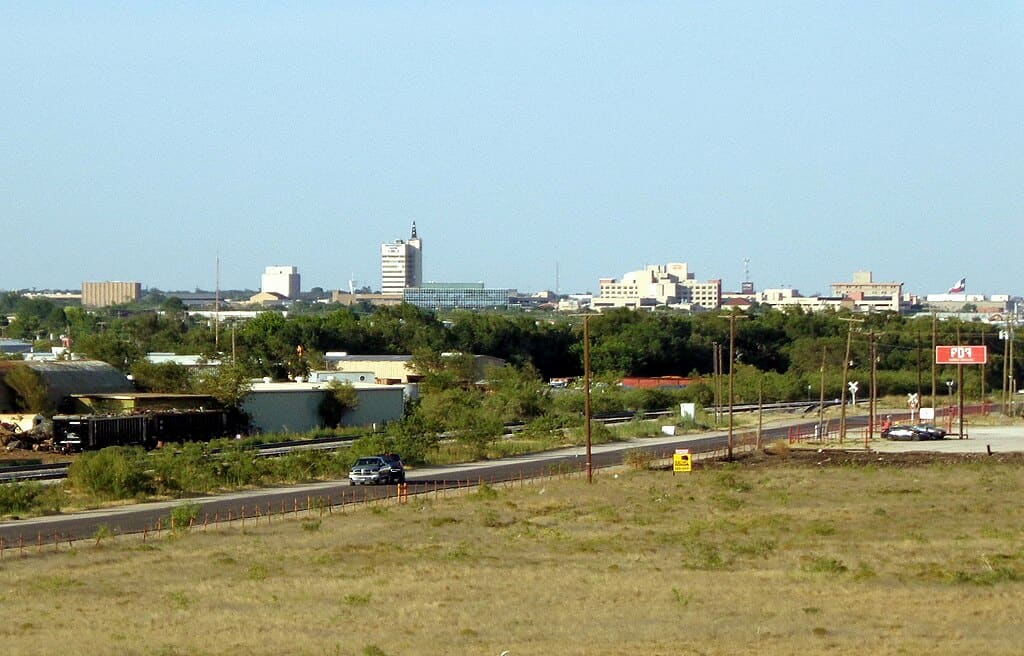
Buried in the flat expanses of West Texas, the Odessa Fault is an unexpected source of seismic activity. Known for smaller, frequent tremors, this fault is intricately linked to oil extraction activities, making it a point of contention and study for geologists curious about the interplay between industry and natural fault lines.
8. The East Tennessee Seismic Zone
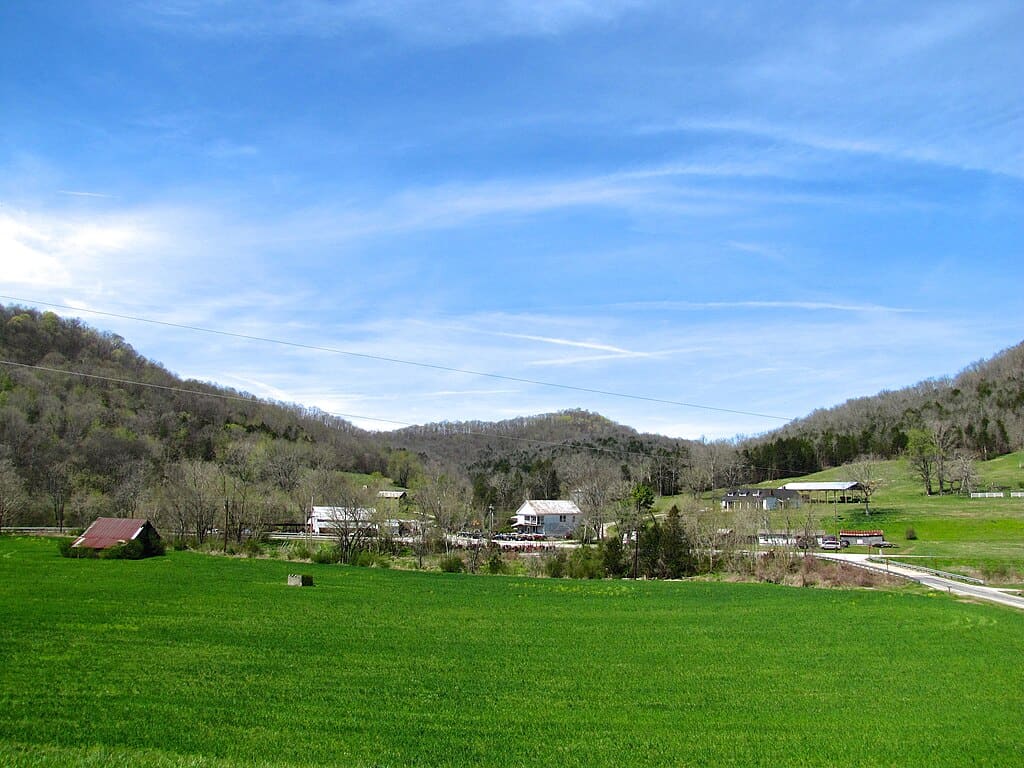
Stretching from northeastern Alabama to southwestern Virginia, the East Tennessee Seismic Zone is one of the most active seismic zones in the southeastern United States. While typically producing low-magnitude earthquakes, its potential for more significant events remains a topic of concern, especially for the infrastructure and populous cities in the vicinity.
7. The Ramapo Fault
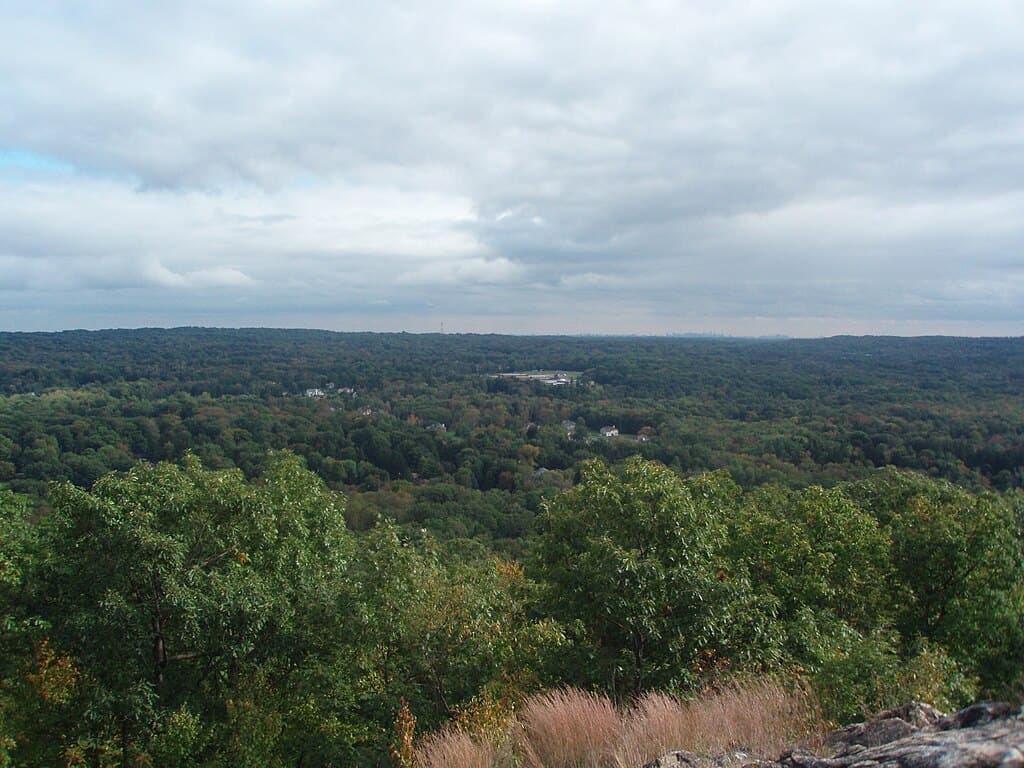
The Ramapo Fault runs through the northeastern United States from Pennsylvania to New York. Despite being inactive for over 200 million years, it is closely monitored because of its proximity to major urban centers. Historically, it has been the epicenter of moderate shocks that rattle nerves as much as buildings.
6. The Enriquillo-Plantain Garden Fault Zone
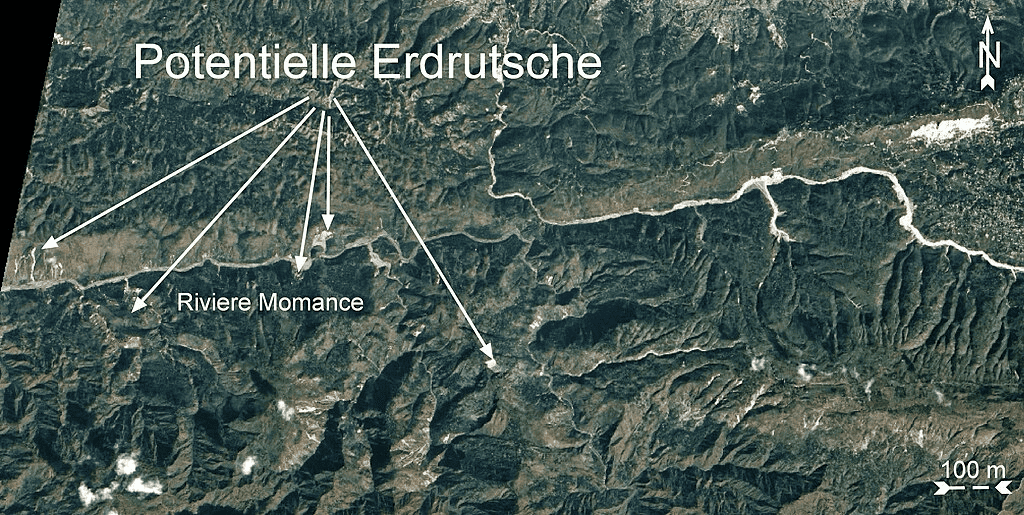
Situated in the Caribbean, this fault line is infamous for the catastrophic 2010 earthquake in Haiti. Known for its complex, strike-slip mechanism, the fault continues to be a seismic threat to not just Haiti but also to neighboring regions, highlighting the fragile balance between natural forces and human resilience.
5. The Reelfoot Rift

Deep beneath the Mississippi embayment lies the Reelfoot Rift, the source of the famed New Madrid seismic activity that rattled regions along the Mississippi River in the early 1800s. This fault system’s seismicity raises concerns about potential future quakes that could disrupt life in various Midwestern states.
4. The Charlevoix Seismic Zone

In Quebec, the Charlevoix Seismic Zone is Canada’s most active source of earthquakes east of the Rockies. With a history of moderate quakes, this fault line necessitates preparedness due to its frequent tremors and the potential impact on large urban areas like Quebec City and Montreal.
3. The Dead Sea Transform Fault
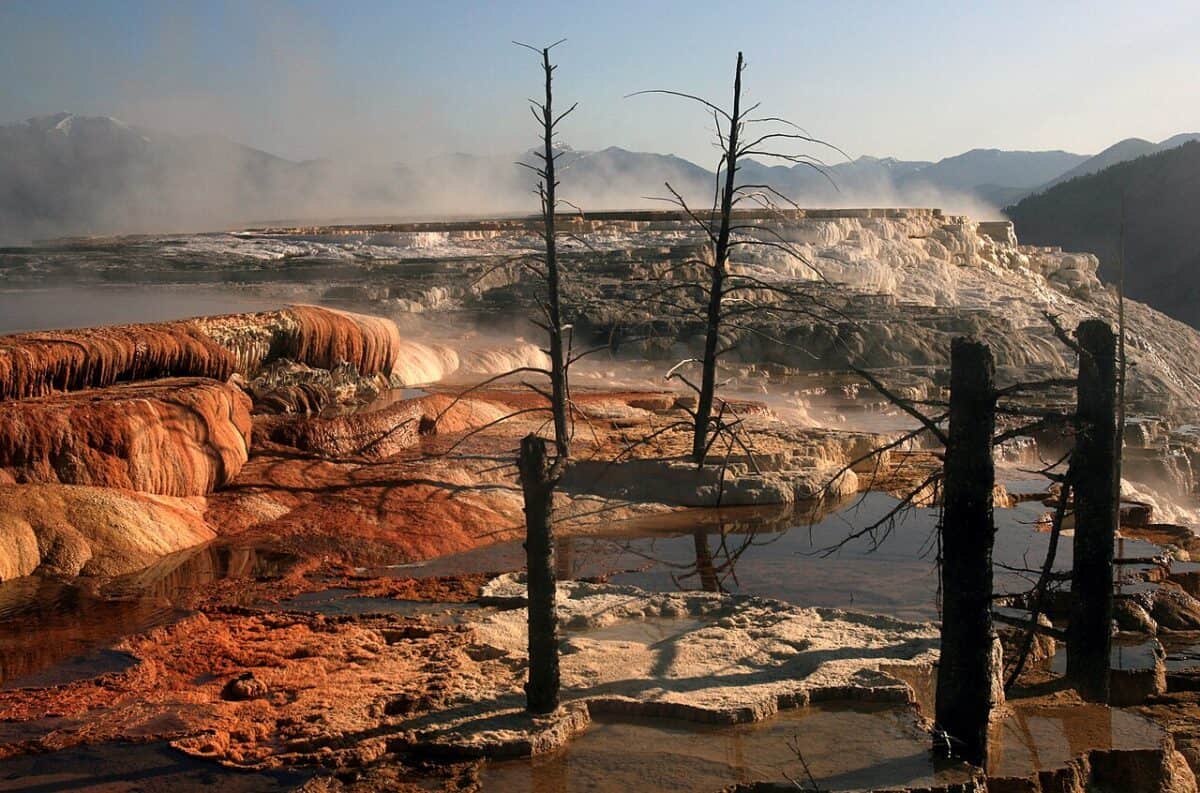
Extending from the Gulf of Aqaba to Turkey, this fault line defines the boundary between the Arabian and African plates. While it gives life to the unique geological and biological features of the Dead Sea, it also poses a seismic risk to Middle Eastern nations, with a history of several damaging earthquakes.
2. The Cascadia Subduction Zone
Off the Pacific Northwest coast, the Cascadia Subduction Zone is capable of producing mega-quakes, as evidenced by the 1700 event that’s recorded in both geological deposits and Japanese historical records. Its potential impact on cities like Seattle and Portland underscores the necessity of seismic readiness.
1. The Alpide Belt
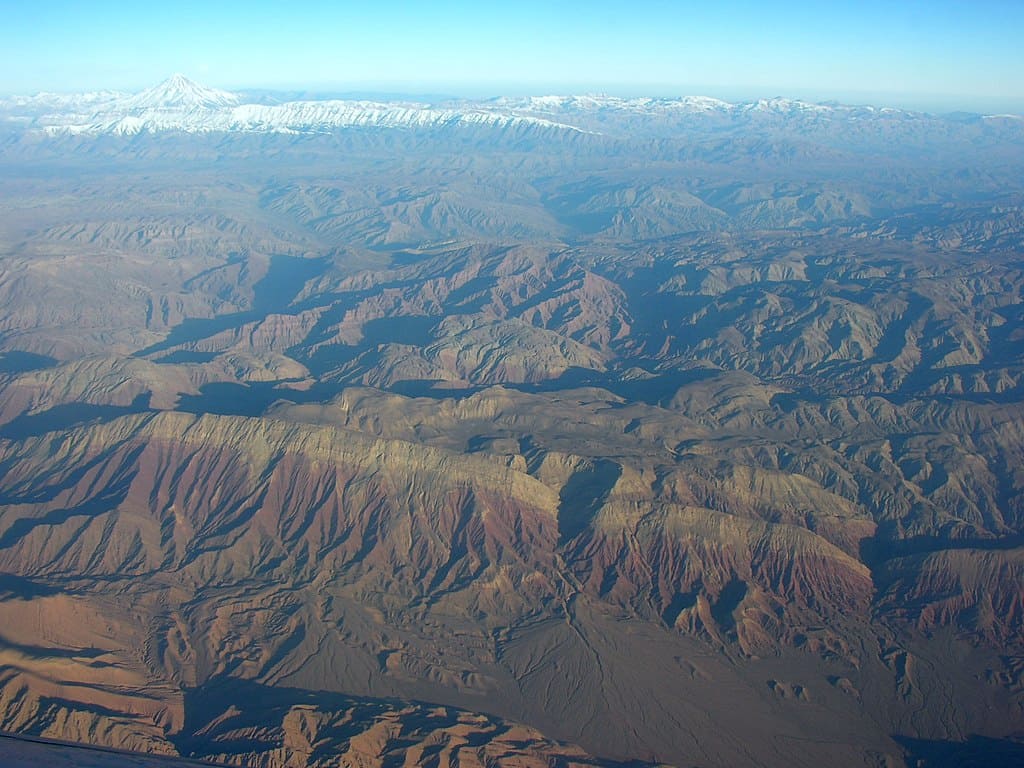
Stretching over 15,000 kilometers from the Mediterranean to the Himalayas, the Alpide Belt is a massive seismic zone responsible for some of the most significant and destructive earthquakes in history. It affects numerous countries, from Italy to Iran, shaping landscapes and civilizations along its path.
Conclusion: A Landscape of Vigilance and Preparedness
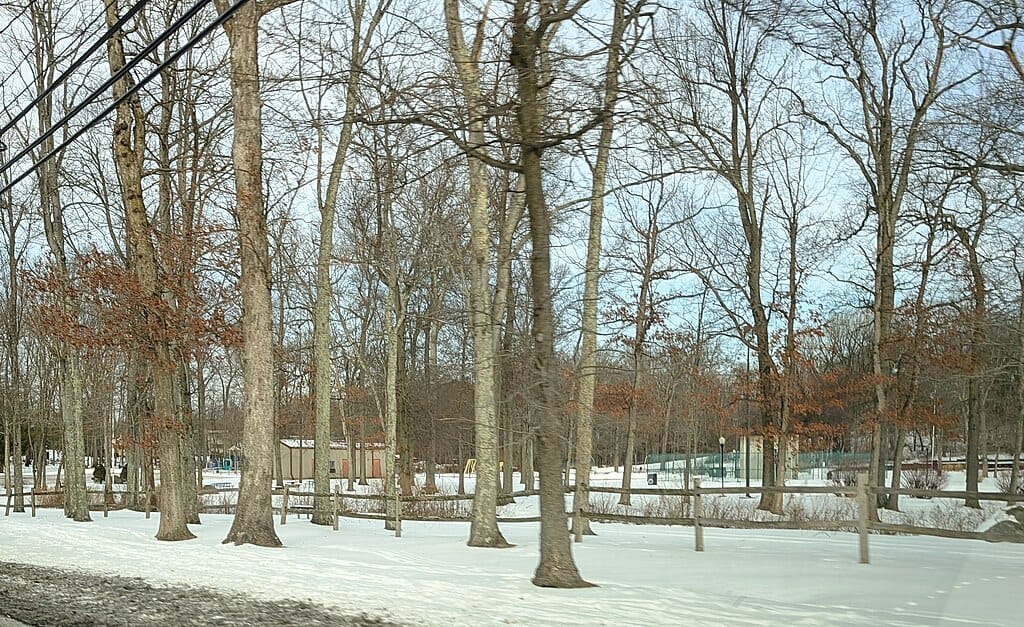
The fault lines explored here, though lesser-known, illustrate the dynamic and often unpredictable nature of our planet. Understanding these geological features and their potential impact is crucial for advancing preparedness and mitigating risks. As we continue to expand our urban centers and delve deeper into the earth’s resources, respecting and preparing for these formidable forces of nature is an imperative that transcends geography. Through awareness and scientific investigation, we can better equip ourselves to live more safely amidst the world’s tectonic wonders.

As a little kid, I fell in love with nature, wildlife, and animals. Living in the USA, South Africa, Italy, China and Germany gave me the opportunity to discover the world's Wildlife. My favorite animals are Mountain Gorillas, Siberian Tigers, and Great White Sharks.
I'm a certified PADI Open Water Diver, went to Everest Base Camp and Trekked Gorillas in Uganda. I hold a Master of Science in Economics and Finance.
Please send any feedback to feedback@animalsaroundtheglobe.com
- 13 Cat Breeds That Get Along with Dogs - July 20, 2026
- The 12 Largest Dog Breeds That Still Love to Cuddle - July 20, 2026
- 12 Pet Habits That Secretly Mean They Love You - July 20, 2026