

Walk into almost any animal shelter in the United States today and something will catch you off guard. It’s not just the noise or the smell. It’s the faces. Row after row of dogs who were, until recently, somebody’s pet. Some still wear faint traces of a collar rub. Others press their noses against the kennel gate with an almost embarrassing hope.
Many shelters across the country are full, and animals, especially dogs, are often staying longer in their care before being adopted. This is creating a surplus of animals, and without enough adoptions, many shelters are struggling to meet the needs of animals in their communities. What’s less talked about is that the crisis is hitting certain breeds far harder than others. Some of these dogs are the ones you’ve loved in movies, coveted on Instagram, or maybe even owned yourself. The fact that they’re showing up in cages by the hundreds isn’t a coincidence. It’s a pattern, and it’s worth understanding.
#1. Pit Bull Terrier
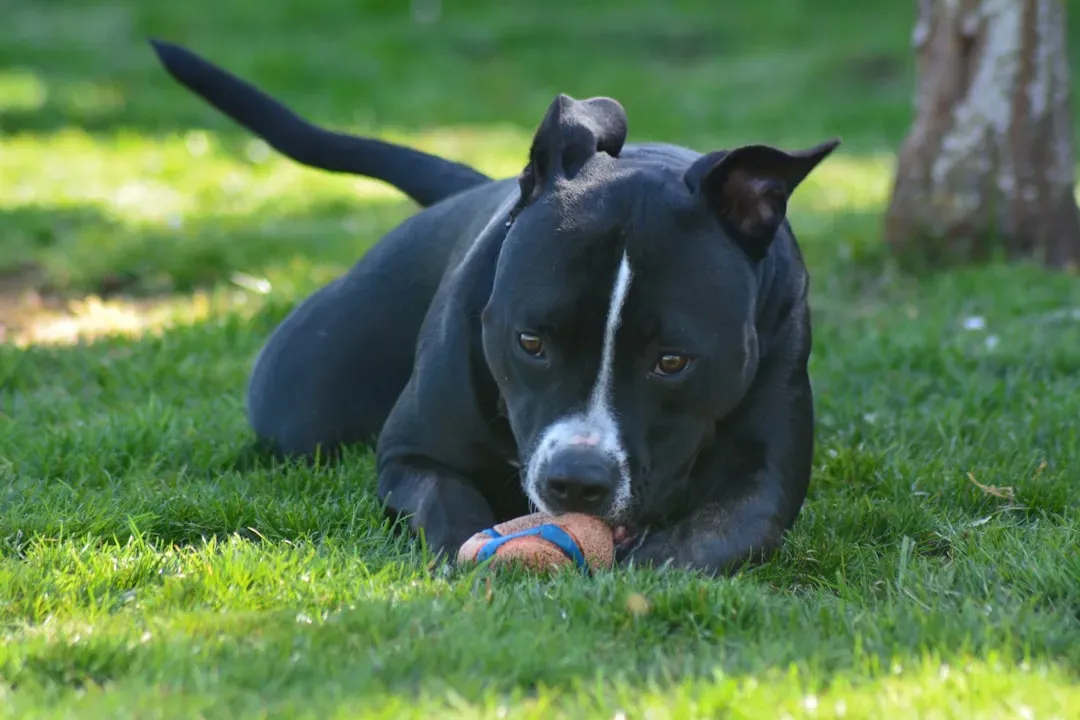
The Pit Bull Terrier is the most common dog breed in shelters across America’s largest cities, accounting for nearly 22% of all dog adoption listings. That number alone should stop you cold. They are the most frequently found shelter breed in 29 of the 50 cities analyzed in recent Petfinder data. That’s not a regional quirk. That’s a nationwide pattern.
Sadly, these dogs face high surrender rates due to misunderstanding, stereotypes, and housing restrictions, not because of behavior or temperament. Breed restrictions in apartments and HOAs force many owners to give up their pets. Most of the Pit Bulls waiting in kennels right now are gentle, bonded dogs caught between their owners’ love and a landlord’s rules. That’s a brutal place to be.
#2. German Shepherd
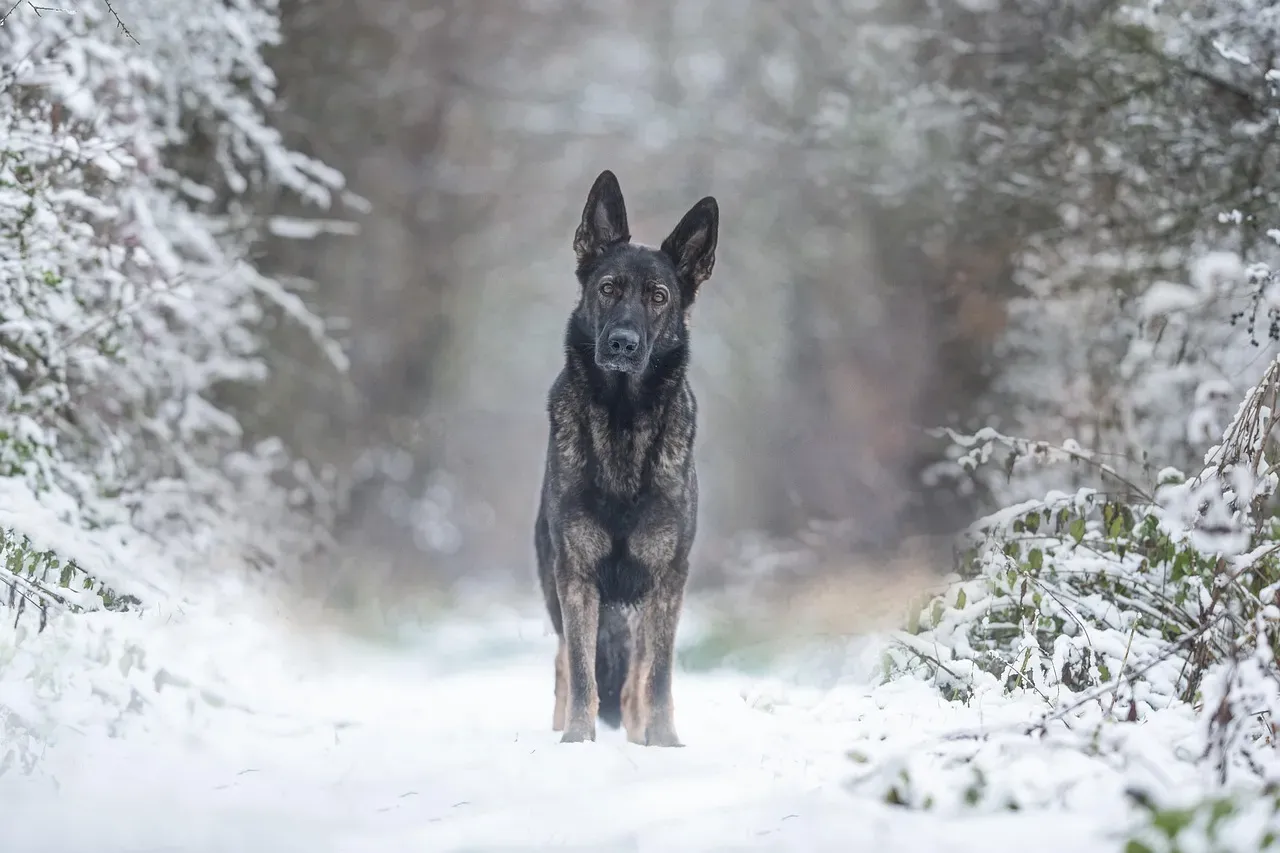
German Shepherds are filling shelters at a rate that the rescue system is struggling to keep up with. A Petfinder analysis conducted in April 2025 found that German Shepherd Dogs were the second most common breed available for adoption in California, with over 1,000 individual dogs listed. That’s one state. The picture across the South and Southwest is considerably grimmer.
German Shepherds are intelligent, loyal, and protective, but they are also one of the most demanding breeds to own. These dogs require extensive training, constant exercise, and firm leadership to thrive. Their working background means they need both mental and physical challenges every day. When neglected, they can develop anxiety or aggressive behaviors. Many families adopt them for their beauty and reputation as guardians, but without commitment to their needs, these powerful dogs too often end up in shelters.
#3. Labrador Retriever
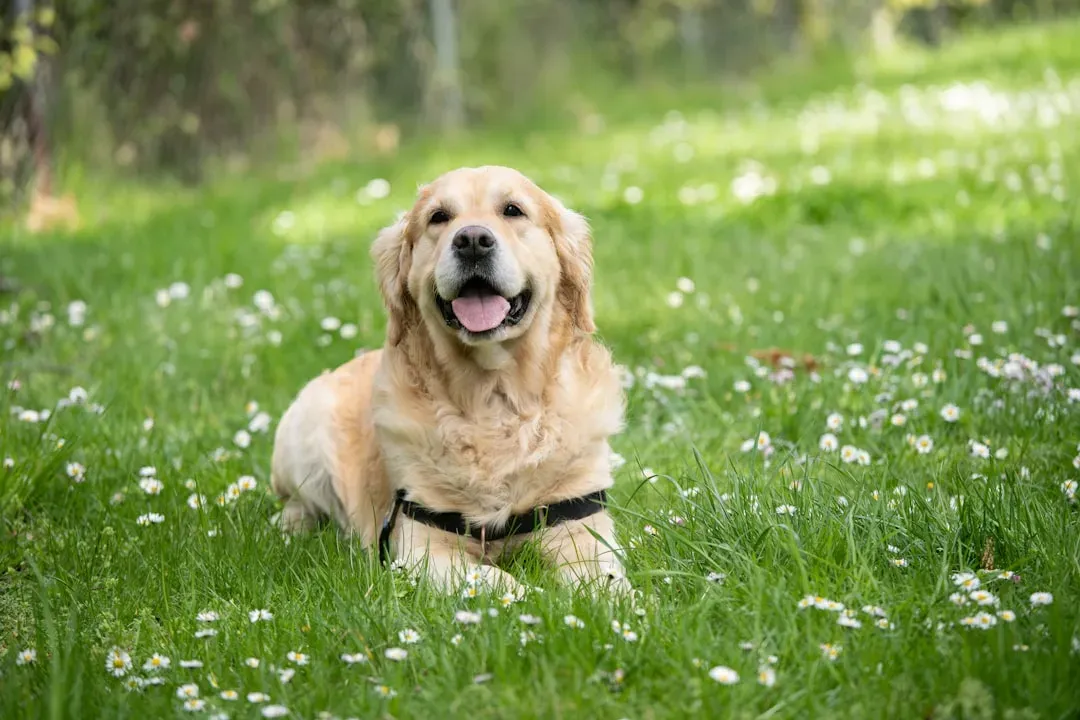
Labs have held the title of America’s most popular family dog for decades. That popularity, it turns out, is part of the problem. Popular breeds often suffer from overbreeding, especially by unregulated and irresponsible breeders and puppy mills looking to make a quick profit. The sheer number of puppies produced due to overbreeding can flood the market, leading to more dogs than there are homes to take them in.
Despite their popularity, Labs are frequently found in shelters due to their high energy levels and need for exercise. Labs can become destructive if they are not properly exercised and mentally stimulated, leading to behavioral issues. Additionally, some owners may underestimate the responsibilities of owning a large, active dog, leading to abandonment. Labrador Retrievers are frequently surrendered due to size, chewing, or lack of training in puppyhood. A bouncy, untrained Lab puppy can quickly become more than a busy household bargained for, especially once it reaches full size at around 80 pounds.
#4. Siberian Husky
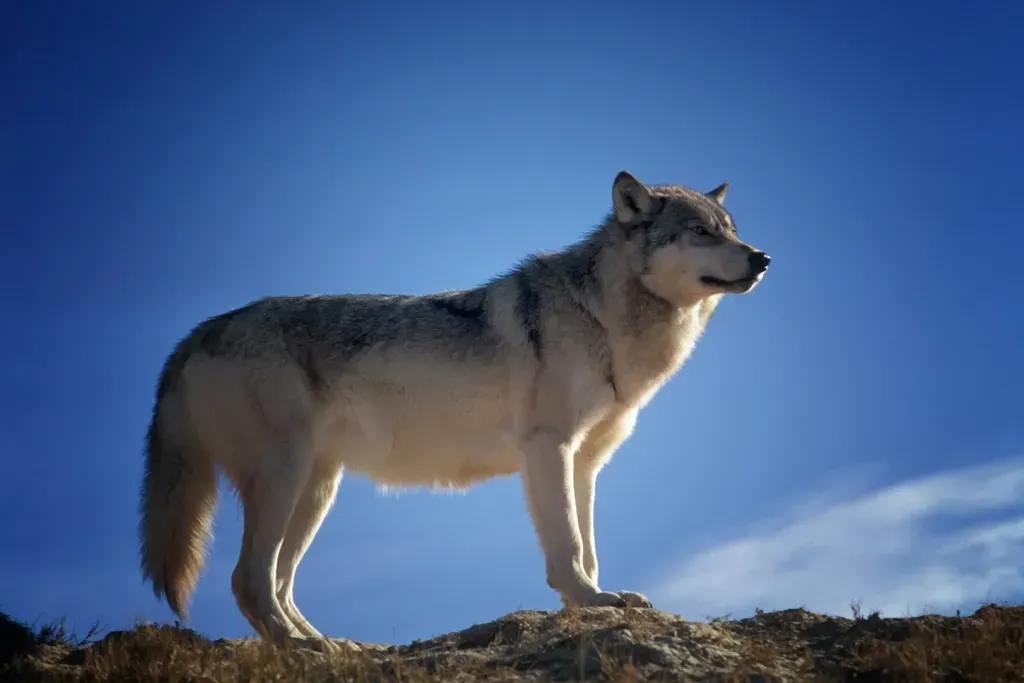
The number of Siberian Huskies in shelters has doubled since 2020. Like other breeds on this list, Huskies have a striking appearance and have stood in the Hollywood spotlight more than once. With superficial popularity comes a misunderstanding of the breed’s true nature: high energy, vocal, independent, and intelligent.
Huskies require constant exercise, mental stimulation, and secure fencing, as they are escape artists by nature. Without vigorous activity, Huskies become restless and destructive. Their heavy shedding and vocal nature also surprise many first-time owners. Escapes are common, leading to stray intakes. Shelters see clusters of Husky surrenders during spring when winter coats shed heavily. The gap between the dog people imagine and the dog they actually bring home has never been wider.
#5. Chihuahua
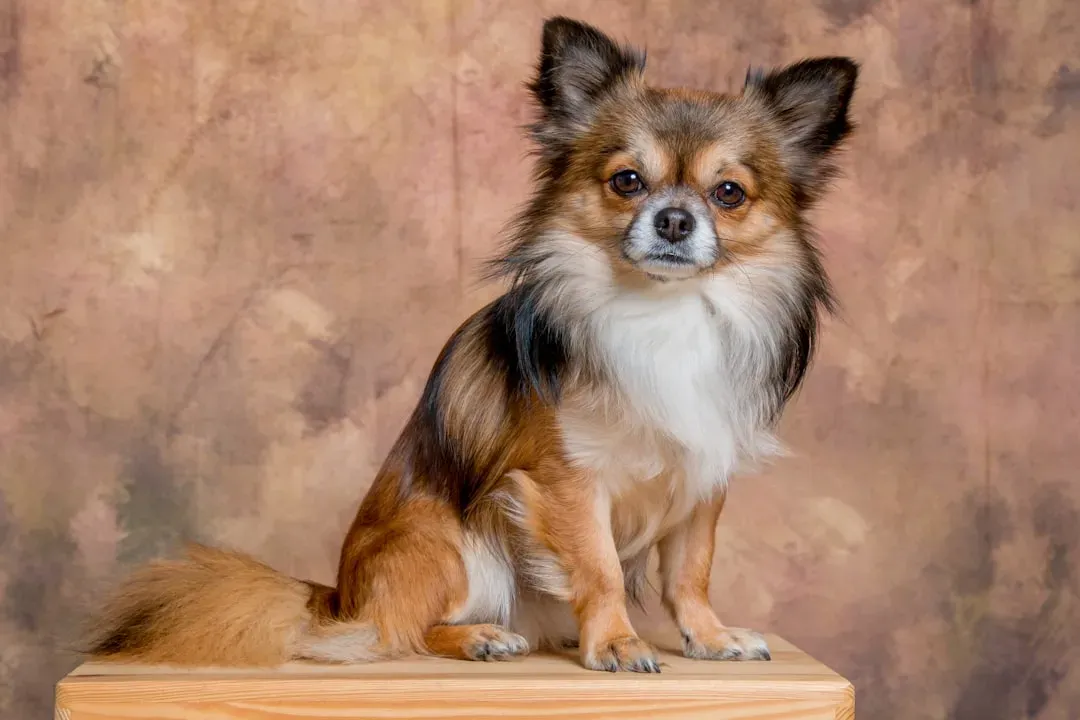
In California alone, Chihuahuas make up roughly 30% of the dog population in shelters. They’re tiny, they’re portable, and they’re wildly overbred precisely because of those traits. Their small size and low maintenance needs make them popular pets, but this popularity also leads to overbreeding.
While Chihuahuas can make excellent companions, they are known for being yappy and sometimes aggressive, especially if not properly socialized. Their small size can also lead to misunderstandings about their care needs, resulting in behavioral problems. Overbreeding, particularly by irresponsible breeders looking to profit from their popularity, has led to many Chihuahuas ending up in shelters. Rescues report that Chihuahuas sometimes wait because adopters prefer puppies over adults. The breed bonds tightly once settled, yet the initial perception of fragility slows placements.
#6. Rottweiler
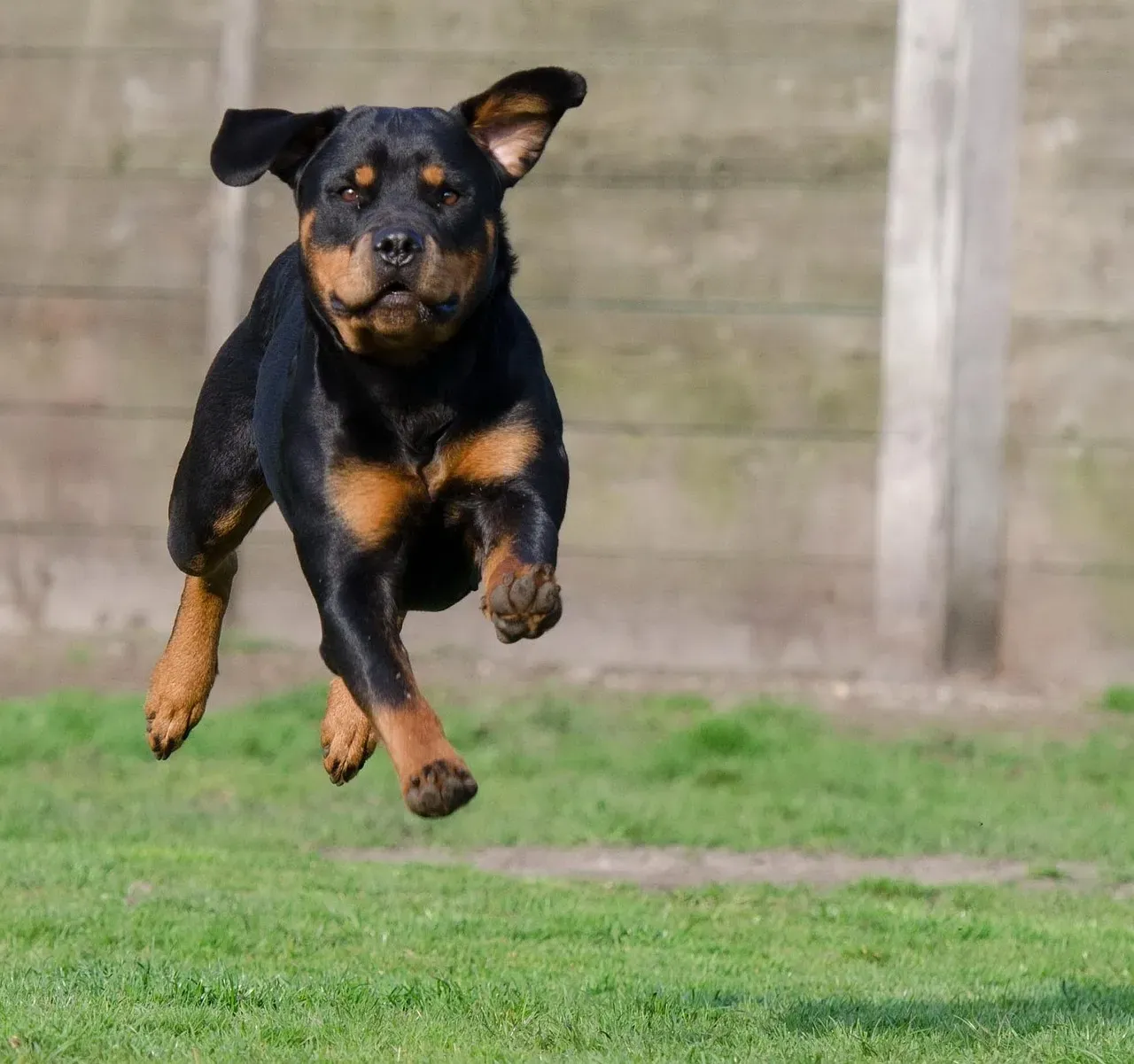
Rottweilers are strong, protective dogs that require experienced handling. They are often found in shelters due to misconceptions about their temperament and the responsibilities of owning such a powerful breed. Rottweilers are loyal and can be excellent family pets, but they need consistent training and socialization to ensure they are well-behaved. Many end up in shelters due to a lack of understanding of their needs or because owners cannot handle their strength and protective nature.
Due to their imposing build, Rottweilers often face breed discrimination, especially in rental housing. Strong protective instincts demand experienced leadership, and when owners struggle to provide structure, territorial tendencies can develop, making rehoming more likely. They are also victims of breed-specific legislation, which can force families to give them up. When placed in the right environment, Rottweilers are deeply loyal and loving. Many shelter Rottweilers are just waiting for patient, experienced adopters.
#7. Boxer
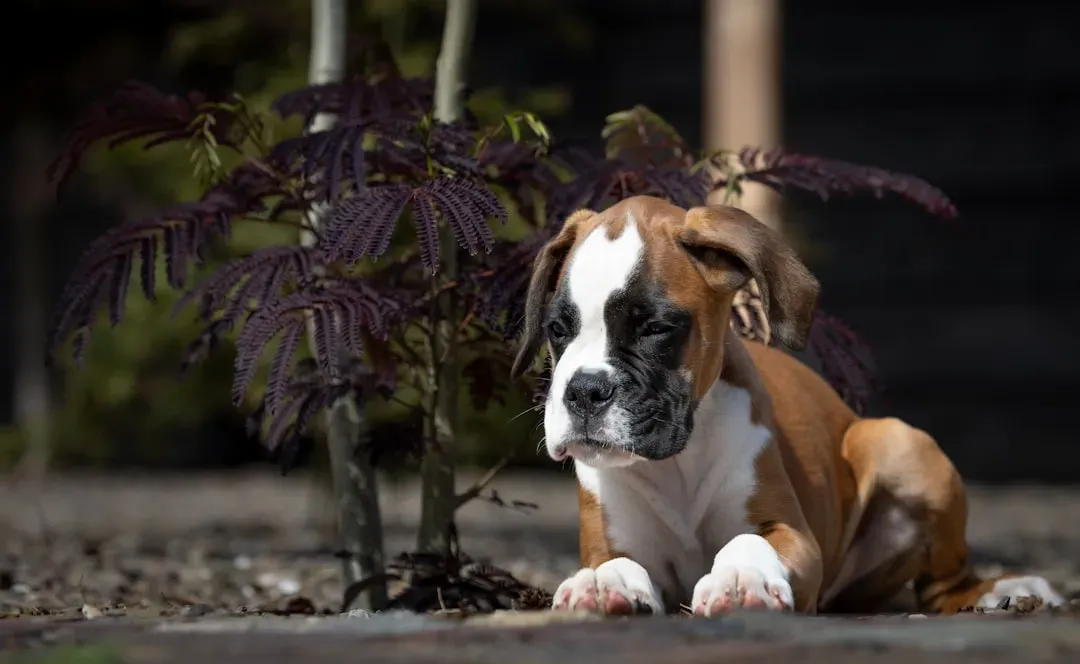
Boxers are cute, sweet, goofy dogs that end up in shelters because they often need far more exercise and attention than new owners are capable or willing to give. They are very excitable, strong dogs that can be difficult to manage without proper training, and that often leads to their presence in shelters.
When a particular breed becomes popular, usually due to celebrities and media exposure, it often leads to a surge in demand. People rush to bring home a dog of the same breed, but not everyone is prepared for the responsibilities that come with caring for a dog, especially one with specific needs. As a result, many of these dogs eventually end up in shelters and rescues. Boxers, with their clownish charm and boundless energy, fit that pattern to a tee. Adorable at eight weeks, exhausting at eight months.
#8. Beagle

Beagles are friendly and curious dogs known for their excellent sense of smell and energetic nature. Despite their charm, Beagles are commonly found in shelters due to their high energy levels and tendency to follow their noses, often leading to escape attempts. Beagles require a lot of exercise and mental stimulation, which can be challenging for some owners to provide. Additionally, their vocal nature and strong prey drive can make them difficult to manage, leading to owner surrender.
What makes Beagles such a heartbreaking shelter story is how fundamentally good-natured they are. Beagles love people, and especially kids. They’re lively and energetic, but easily bond with new members of the pack. The trouble is that a bored Beagle is a loud, determined Beagle, and many apartment dwellers simply aren’t ready for that reality when the puppy phase wears off.
#9. Dachshund

Dachshunds are a very popular dog, which is likely the main reason they’re found in shelters so often. Dachshunds commonly have spinal problems. Unfortunately, their “hot dog” cuteness comes with drawbacks. Those health costs catch owners off guard, and when vet bills pile up alongside an already squeezed household budget, the math becomes impossible for some families.
Changes in life circumstances, such as moving to a new home, financial hardships, or family dynamics, can make it difficult for pet parents to care for their dogs. Larger breeds, or those who require a lot of care and space, are more likely to be surrendered when their humans’ situations change. Dachshunds may be small, but their ongoing medical needs make them a surprisingly large financial commitment that not every owner anticipated signing up for.
#10. American Bulldog
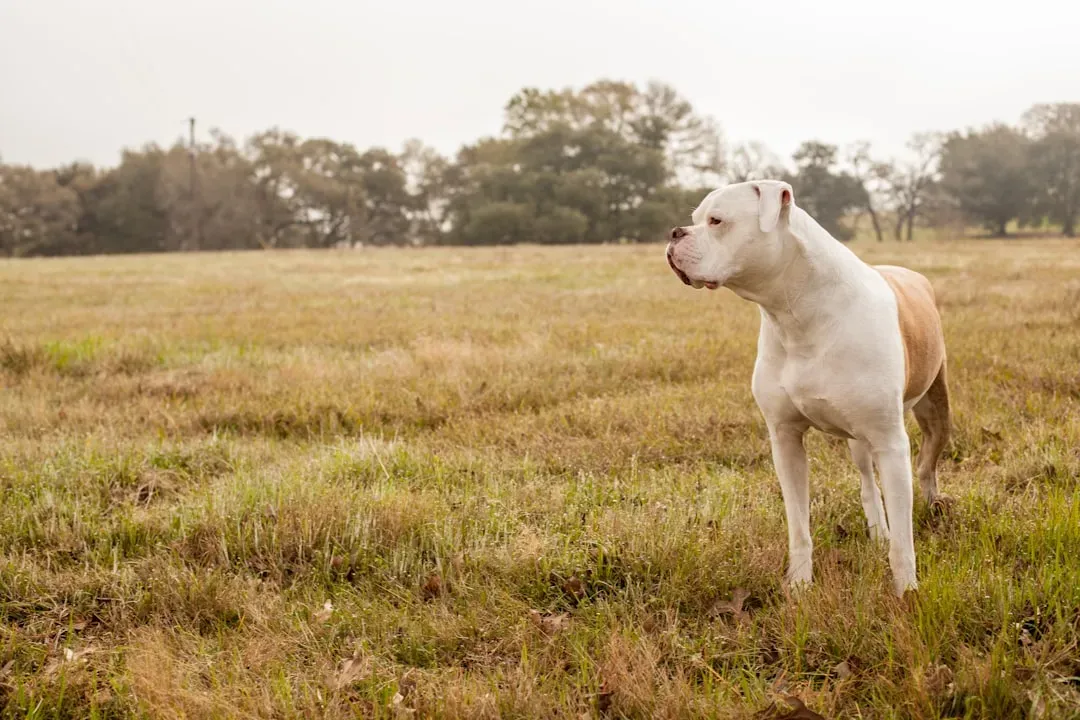
American Bulldogs are strong, muscular dogs known for their loyalty and protective instincts. Despite their affectionate nature, they are often found in shelters due to their size and strength, which can be intimidating for some owners. American Bulldogs require consistent training and socialization from a young age to prevent behavioral issues. Additionally, their strong prey drive and tendency to be protective can make them challenging for inexperienced owners, leading to an increase in shelter numbers.
Like Pit Bulls, Rottweilers, and other bully breeds, Bulldogs received a poor reputation from misinformed media outlets decades ago that affects their standing today. Even Rent.com cites bulldogs as one of the few breeds consistently on the breed restriction lists for apartment and condo complexes. Bulldog breeds are also brachycephalic, meaning they’re at a much higher risk of developing respiratory or breathing issues within their lifetime. If and when a dog gets sick, some owners can’t handle the veterinary bills and abandon the dog instead.
#11. Doberman Pinscher
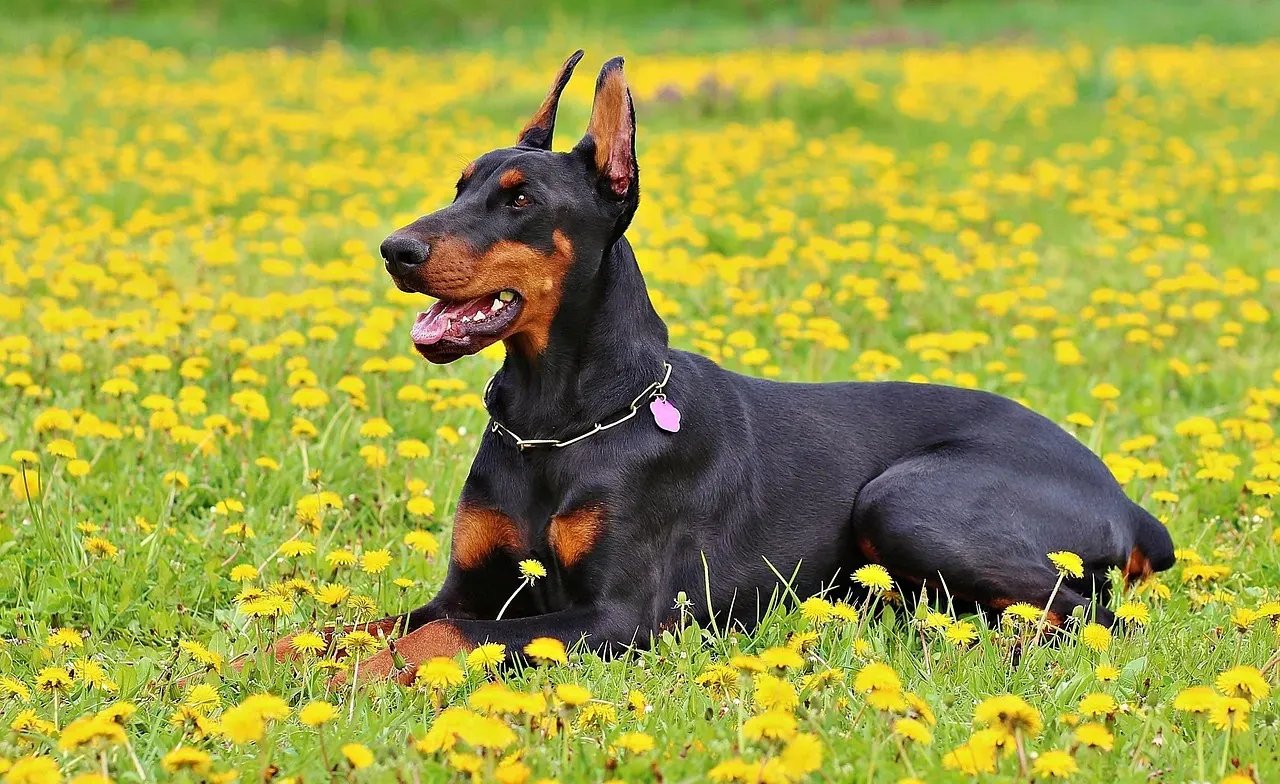
Doberman Pinschers enter shelters when their high energy and need for mental work exceed expectations. The breed’s sleek look draws attention, yet daily structure proves key. Heart conditions common in the line add planning for adopters. The Doberman is a working dog in a companion dog’s clothing, and that mismatch creates real problems when owners realize what they’ve signed up for.
Dobermans need training and a firm hand to grow up well-behaved. Without consistent leadership and genuine mental engagement, these dogs can develop anxiety-driven behaviors that frustrate even patient households. Breed-specific rescues that work with Dobermans often report waiting lists on both ends: too many dogs coming in, not enough qualified adopters stepping forward.
#12. Golden Retriever
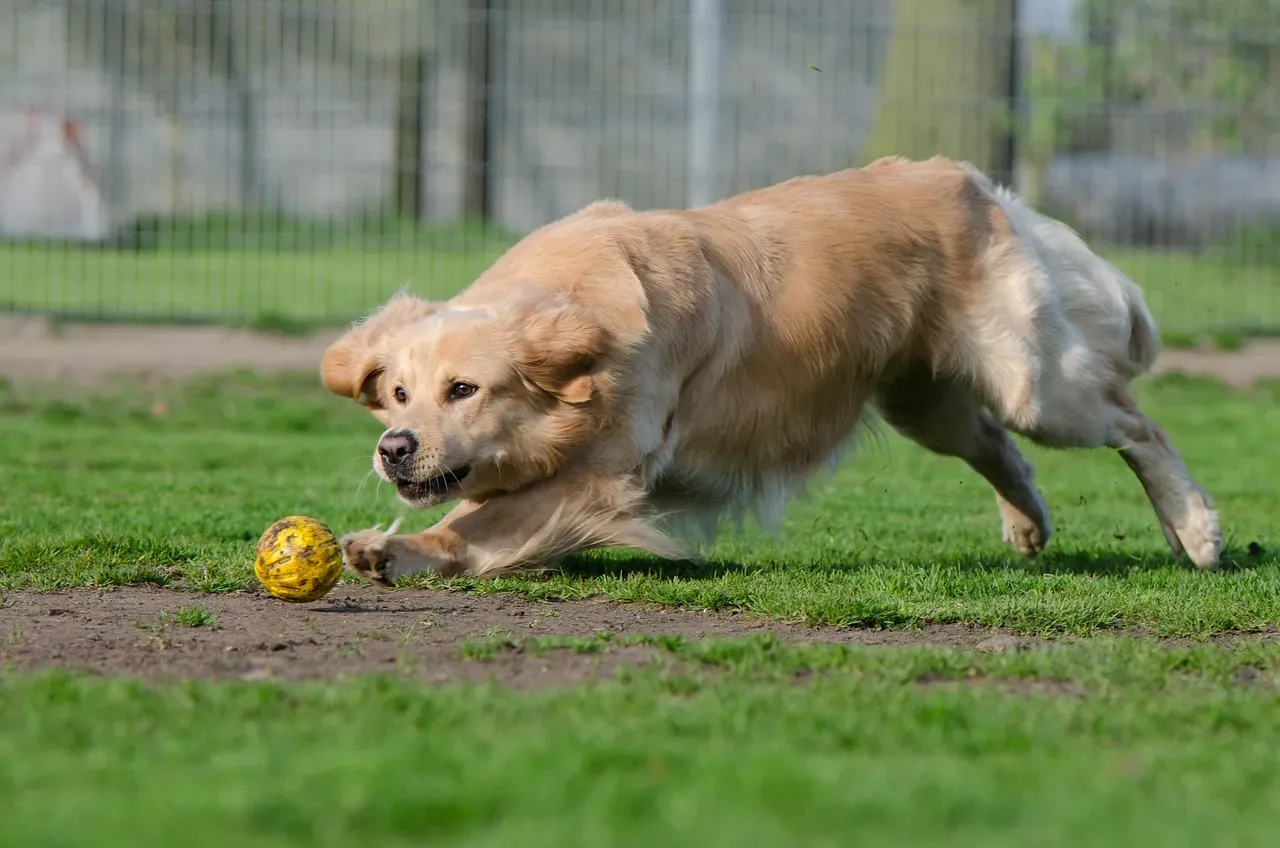
While it may be surprising to see a Golden Retriever in a shelter, it’s actually quite common, especially because the breed and their mixes have soared in popularity in recent years. As more people have sought out these friendly and laid-back dogs, there has been a rise in both intentional breeding and impulse adoptions, which can lead to surrender when families find themselves unprepared to care for them.
The Golden Retriever’s reputation as the ideal family dog is both a blessing and a burden for the breed. While it may be surprising to see a Golden Retriever in a shelter, it’s actually quite common, especially because the breed and their mixes have soared in popularity. As more people have sought out these friendly and laid-back dogs, there has been a rise in both intentional breeding and impulse adoptions, which can lead to surrender when families find themselves unprepared to care for them. Health problems caused by overbreeding and their high exercise needs can overwhelm owners.
#13. Australian Shepherd

Some breeds, especially working dogs, need a lot of exercise and mental stimulation to thrive. When pet parents aren’t fully aware of these needs or don’t have the time or energy, dogs can become bored, anxious, or even destructive. As a result, they often end up in shelters and rescues simply because their energy and attention requirements were not met. Australian Shepherds are perhaps the clearest example of this pattern in action.
These tiny powerhouses of energy and intelligence are always looking for their next adventure. Many adopters underestimate how much action they crave, leading to chaotic antics. Give them a job, and they’ll shine. Ignore their needs and expect digging and barking. Only the most active households can keep up with their unstoppable enthusiasm. Breed-specific rescues for Australian Shepherds report that wait times for surrender appointments have grown noticeably in recent years.
#14. Border Collie
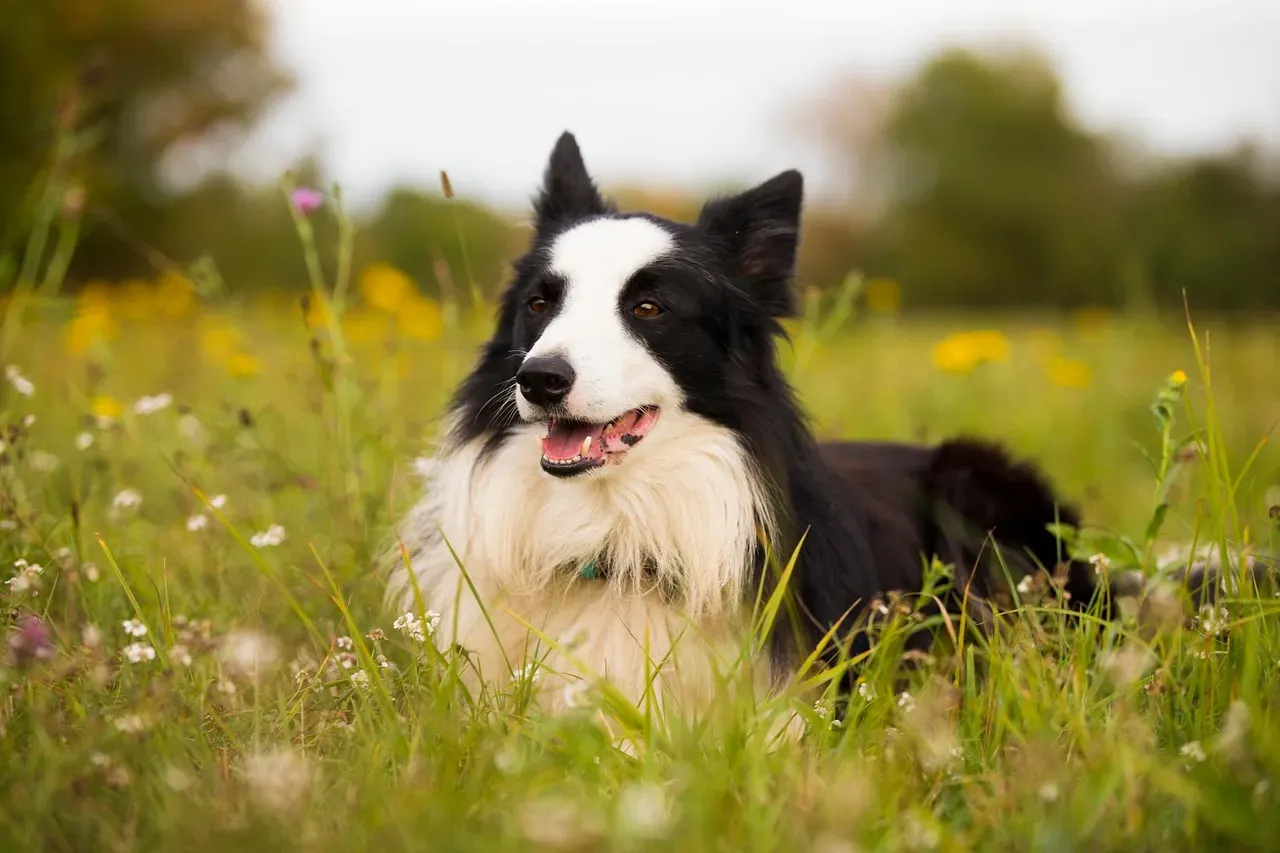
Few breeds match the intelligence and energy of a Border Collie. Designed for herding, they need a job to stay content. Many owners underestimate their demands, and without enough activity, these dogs may develop compulsive habits like excessive barking or pacing. They’re essentially working dogs placed into living rooms, and that collision tends to end badly.
Milwaukee was the only city in one major study where Border Collies appeared among the most common breeds in shelters. That might sound minor, but it reflects a wider truth: Border Collies turn up in unexpected places because their surrender isn’t tied to geography. It’s tied to a very specific mismatch between what the breed needs and what most modern households can genuinely offer.
#15. Cocker Spaniel

Cocker Spaniels are affectionate and playful dogs known for their beautiful coats and friendly disposition. Despite their popularity as family pets, they are often found in shelters due to grooming needs, health issues, and behavioral challenges. The grooming commitment alone tends to shock new owners. Left unmanaged, a Cocker Spaniel’s coat becomes matted and uncomfortable, and the vet visits that follow are rarely cheap.
Popular breeds often suffer from overbreeding, especially by unregulated and irresponsible breeders and puppy mills looking to make a quick profit. The sheer number of puppies produced due to overbreeding can flood the market, leading to more dogs than there are homes to take them in. This increases the chances that these dogs will end up in shelters and rescues. Cocker Spaniels, beloved as they are, have been caught in exactly that cycle for years.
#16. Poodle and Poodle Mixes
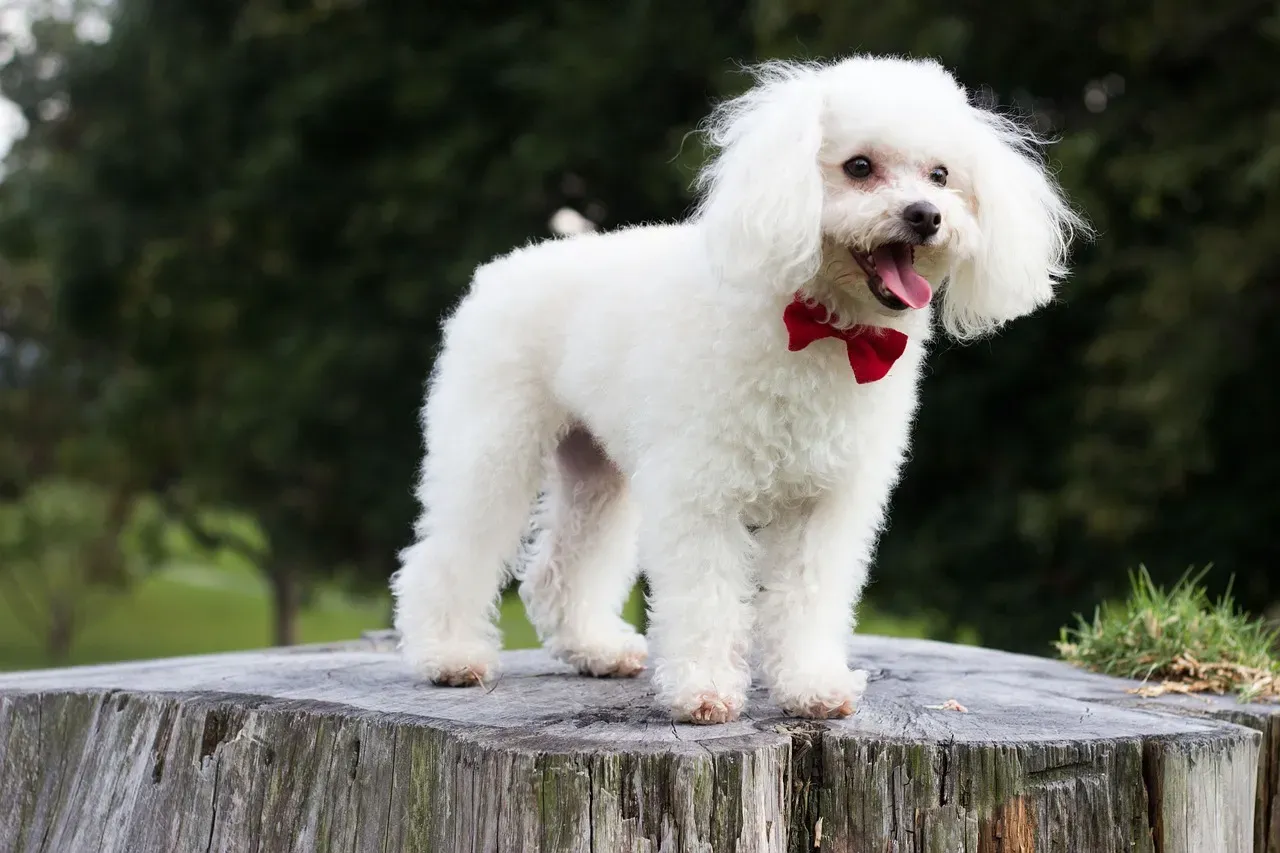
Poodles have surged in popularity due to their intelligence, hypoallergenic coats, and adaptability. Many people don’t fully anticipate the physical exercise and mental stimulation needed to keep this breed happy and healthy. Coupled with their grooming needs, it’s not uncommon for Poodles to end up in shelters when people find themselves unprepared for the commitment.
More and more hybrid dogs and puppies like Doodles, Oodles, and Poos, as well as dozens of other non-poodle combinations, are arriving at shelters for the same reasons that other dogs do. Due to the increasing trend of home breeding as a side hustle, and the ongoing issue of puppy mills, many shelters are not only receiving people’s pups they purchased and can’t keep, but also leftover puppies that breeders can’t sell, and adult breeder dogs that are no longer wanted or needed. The “hypoallergenic dream dog” has quietly become a shelter staple.
#17. French Bulldog
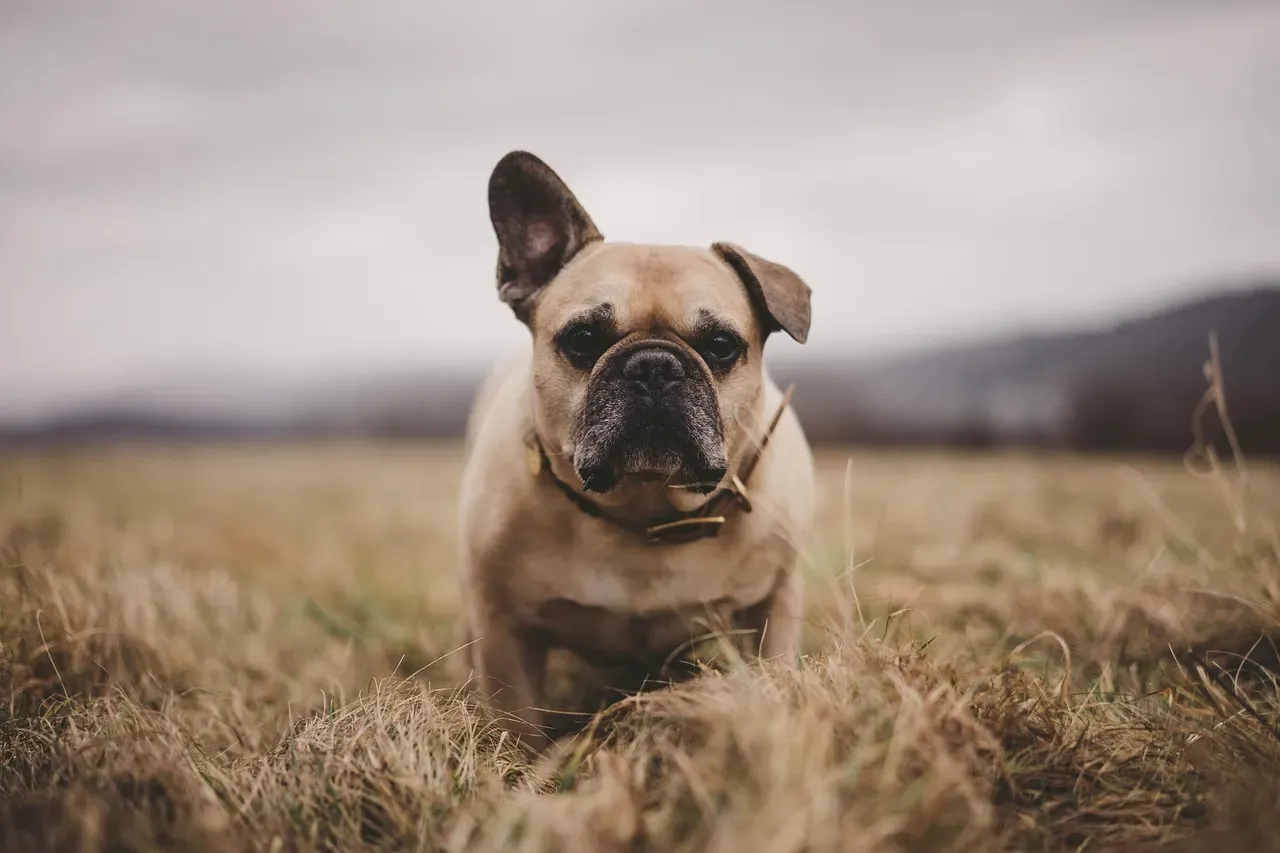
Labradoodles, Goldendoodles, French Bulldogs, and other designer and hybrid breeds that would rarely be found in shelters are now becoming commonplace. The French Bulldog in particular has had a spectacular fall from grace. Once a symbol of urban sophistication, the Frenchie is now increasingly showing up in rescue intake forms.
The rising cost of living and market volatility, combined with the return to office, force pet parents to make tough choices about caring for their animals. Unfortunately, shelters now see some faced with a devastating decision to surrender their pets. Faced with rising financial burdens, people resort to shelters as a final option. A Frenchie purchased for thousands of dollars can end up in a kennel for reasons that have nothing to do with the dog itself, and everything to do with the economy.
#18. Cane Corso
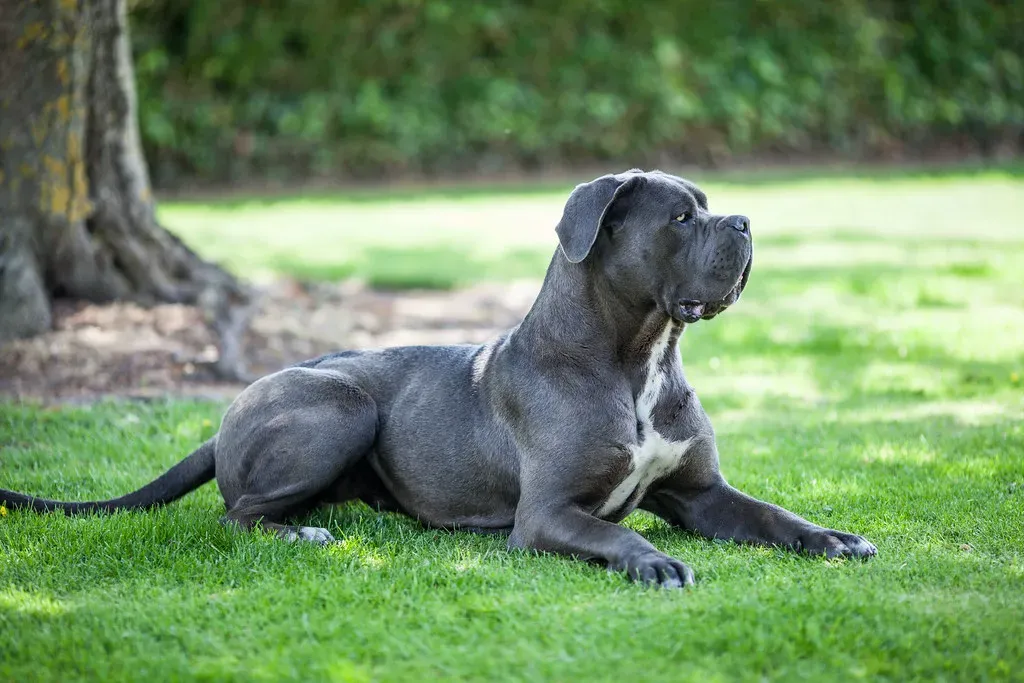
The Cane Corso is a breed that demands respect, structure, and an owner who truly knows what they’re doing. Some breeds, especially working dogs, need a lot of exercise and mental stimulation to thrive. When pet parents aren’t fully aware of these needs or don’t have the time or energy, dogs can become bored, anxious, or even destructive. As a result, they often end up in shelters and rescues simply because their energy and attention requirements were not met.
Their striking appearance and loyal temperament attract buyers who haven’t fully researched the breed, and when a 120-pound guardian dog develops behavioral problems in an unprepared household, the outcome is almost always a surrender. Changes in life circumstances, such as moving to a new home, financial hardships, or family dynamics, can make it difficult for pet parents to care for their dogs. Larger breeds, or those who require a lot of care and space, are more likely to be surrendered when their humans’ situations change. For Cane Corsos, even minor changes in a household can trigger the chain of events that ends in a kennel.
#19. American Staffordshire Terrier
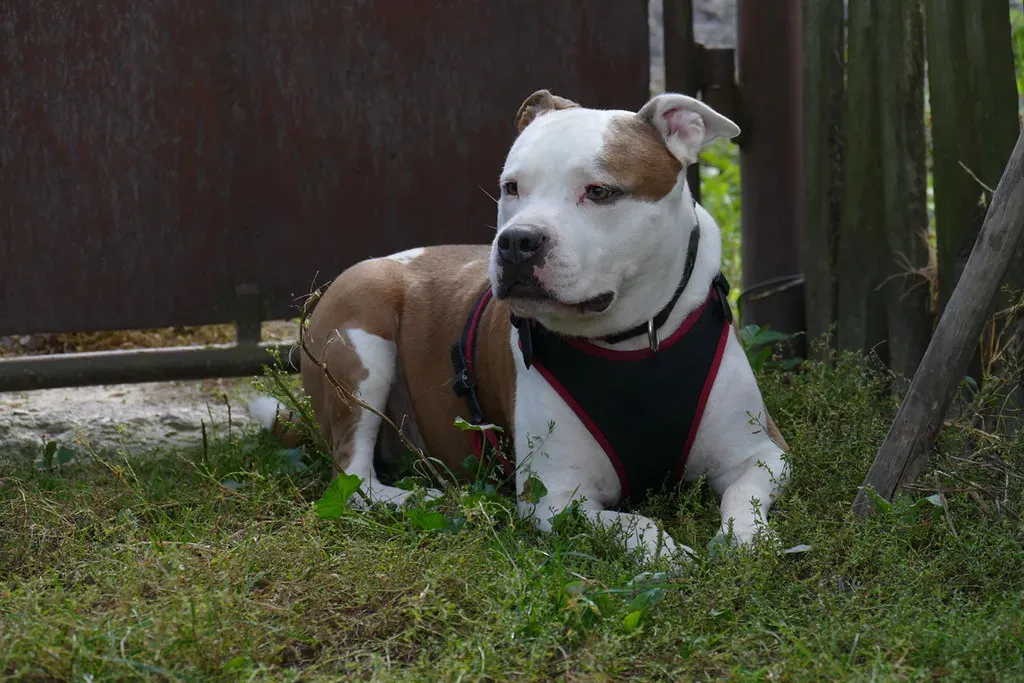
Known for their muscular build and strong appearance, American Staffordshire Terriers are often unfairly stereotyped as aggressive, leading many to avoid adopting them. However, as with any breed, with proper training and care, they can be loyal, gentle, and friendly pets. This breed also faces issues with breed-specific housing restrictions, which is another reason why they end up in shelters and rescues.
Animal shelters across the United States are experiencing one of the highest rates of owner surrender in recent years. Dogs of all ages, sizes, and breeds are entering shelters at alarming levels, many of them healthy, social, and previously loved family pets. The Am Staff’s predicament is a quiet tragedy. They’re often the most affectionate dogs in the building, yet they’re also the last to be adopted, sitting in kennels while families walk past them toward smaller or “safer”-looking breeds.
#20. Shih Tzu

The Shih Tzu remains a popular dog throughout the world, but increased popularity also means an increased risk of ending up in the shelter. When Shih Tzus end up in shelters, the main reason often centers on owner negligence. Though the breed only grows to 16 pounds at most, the Shih Tzu has long hair and an energetic personality. Older adults and seniors who used to diligently groom their dogs may struggle as time wanes. Conversely, this breed may get left behind to an unwilling family or friend when the owner passes away.
It’s a quieter kind of shelter story. No aggression label. No breed ban. Just a small, well-loved dog that ended up without anyone to care for it when life shifted. Puppies have a 60% adoption rate, while older dogs have a rate as low as 25%. Senior Shih Tzus often wait the longest, their white muzzles resting on kennel bedding while potential adopters walk past looking for something younger.
#21. Mixed Breed / “Mutt”

Mixed-breed dogs, also known as mutts, make up the majority of dogs in shelters and rescues. They deserve a spot on this list not as an afterthought, but as a reminder of scale. Mixed breeds and rescues are being celebrated more than ever in 2026, thanks to increased adoption campaigns and responsible breeding initiatives. Still, the celebration hasn’t quite caught up with the intake numbers.
More than half of shelters report getting leftover puppies and litters from breeders who can’t sell them. Nearly 60% report receiving surrenders of dogs that people say they paid a lot of money for and now can’t afford to keep. The mixed breed is the dog nobody planned, the dog who arrived through accident or overflow, and the dog who most often waits the longest. Their stories don’t come with paperwork or pedigrees. Just four paws and a very patient heart.
The Bigger Picture: What This All Means
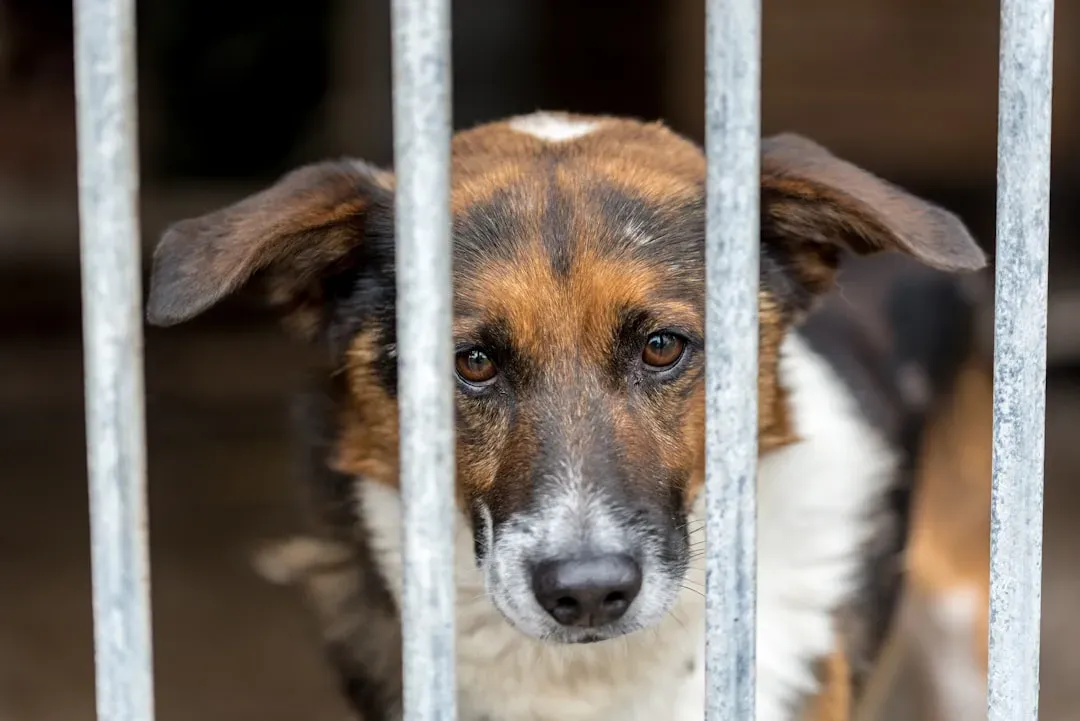
Shelter Animals Count’s 2025 Mid-Year Report shows the trendline is still above capacity: more animals are coming in than going out. That’s the line that should matter most to anyone reading this. The dogs on this list aren’t there because they’re broken or dangerous. This surge is not the result of irresponsible ownership or a sudden loss of compassion. It is the result of compounding pressures that have made pet ownership increasingly difficult for many families.
About 75% of animals are surrendered for adoption due to human circumstances. Housing instability. Rising vet costs. Return-to-office mandates. Life changes nobody planned. These aren’t excuses. They’re context. The result is a national animal welfare crisis driven not by neglect, but by lack of support. And that distinction matters enormously if we actually want to fix it.
Here’s the uncomfortable opinion this data earns: we’ve built a culture that encourages impulse adoption and impulse purchasing in equal measure, then offers almost no structural support when families hit a wall. Rescues are quietly drowning because the system upstream keeps producing the same outcomes. The breeds in this article didn’t choose to be over-popular, over-bred, or misunderstood. They just needed someone to stay. The most meaningful thing any of us can do right now is not just adopt, but adopt thoughtfully, support local rescues financially, and push back on the idea that surrendering a dog is a personal failure rather than a systemic one. These dogs deserve better than the space they’re quietly running out of.

- 17 Cat Breeds That Grow Softer With Age and 17 That Turn Far More Particular - August 18, 2026
- 17 Things Stable Hands Notice About a Horse Long Before Its Owner Suspects Anything - August 18, 2026
- The World’s Oldest Animals Reveal Secrets to Longevity - August 18, 2026