


In the vast world of insects, there exists a creature so resilient that it can survive being run over by a car. The diabolical ironclad beetle is an astonishing marvel of natural engineering that has captivated scientists and entomologists. This article delves into the world of this unbreakable beetle, exploring its unique characteristics, survival mechanisms, and the implications of its design on science and technology.
Introducing the Diabolical Ironclad Beetle
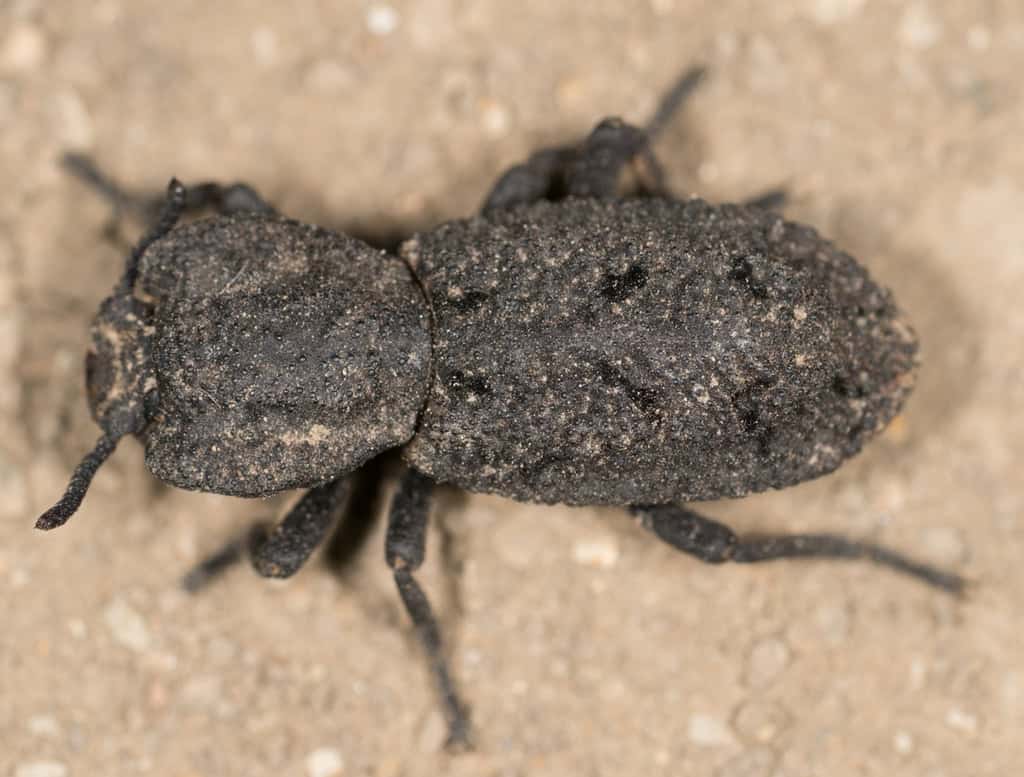
The diabolical ironclad beetle, scientifically known as *Phloeodes diabolicus*, is a species of beetle native to the woodlands of North America. This beetle is renowned for its exceptional durability, earning its name due to its impressive ability to withstand extreme forces. In the animal kingdom, it serves as a hallmark of nature’s ingenuity in creating structures capable of withstanding enormous pressure.
A Closer Look at the Beetle’s Exoskeleton
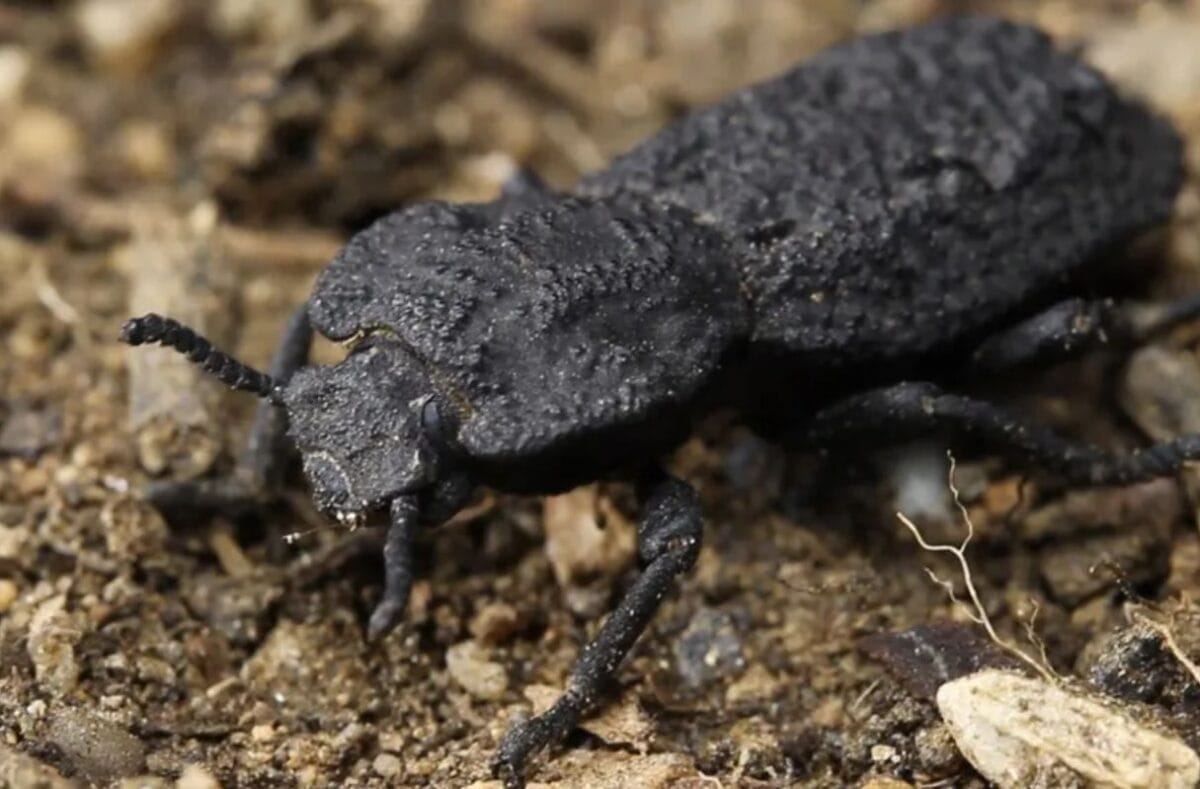
The beetle’s resilience is largely attributed to its remarkable exoskeleton, which acts like an armored shell. Built from layers of interconnected small plates, this exoskeleton functions as a protective suit that disperses energy from impacts. The interlocking nature and multi-layered assembly of these plates make the beetle nearly indestructible.
The Science of Compression Resistance
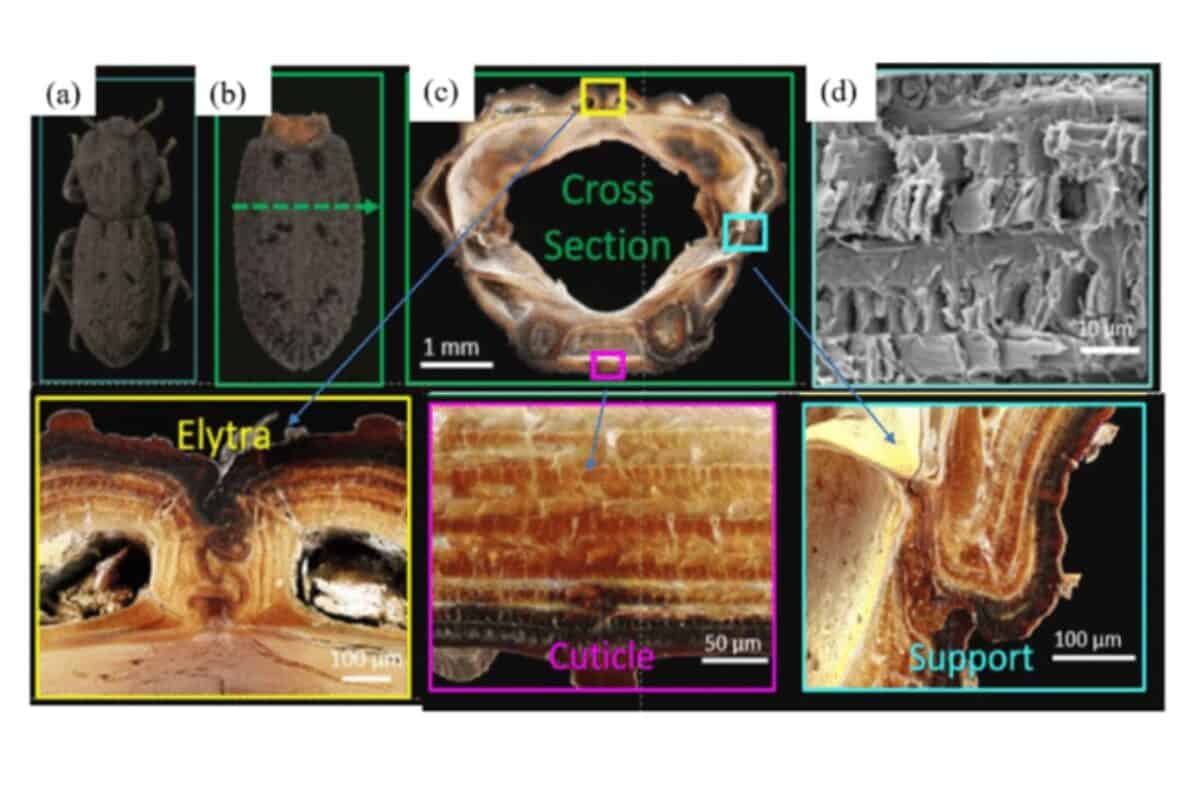
The diabolical ironclad beetle can resist forces of up to 39,000 times its body weight. This is made possible through its sophisticated exoskeleton design, which allows it to compress and absorb energy without being crushed. Researchers have studied these mechanics to understand the interplay of strength and flexibility within the beetle’s structure.
Living Environment and Habitat
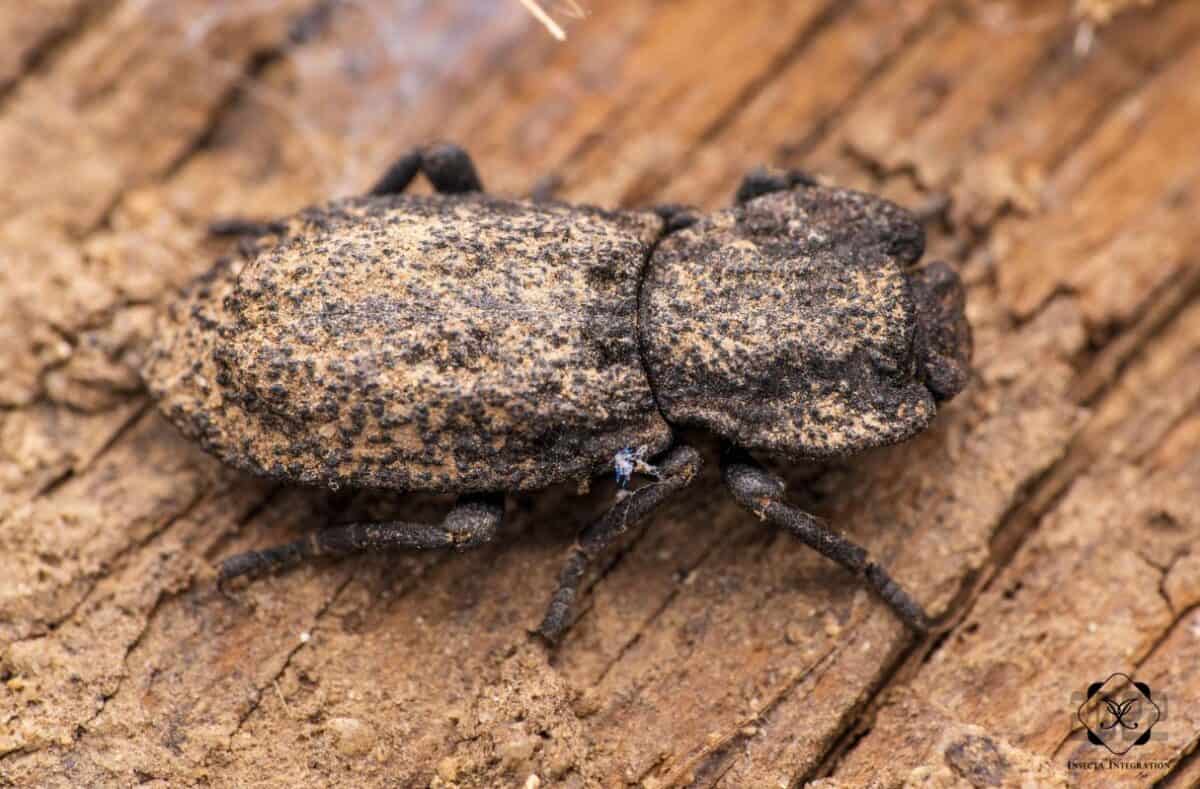
Though it might seem like a creature from a science fiction story, the diabolical ironclad beetle can be found in more mundane settings. It thrives in wooded areas throughout North America, living beneath bark and feeding on fungi found in decaying wood. Its environment requires it to have defensive adaptations, ensuring its survival against predators and environmental pressures.
Adaptations for Survival
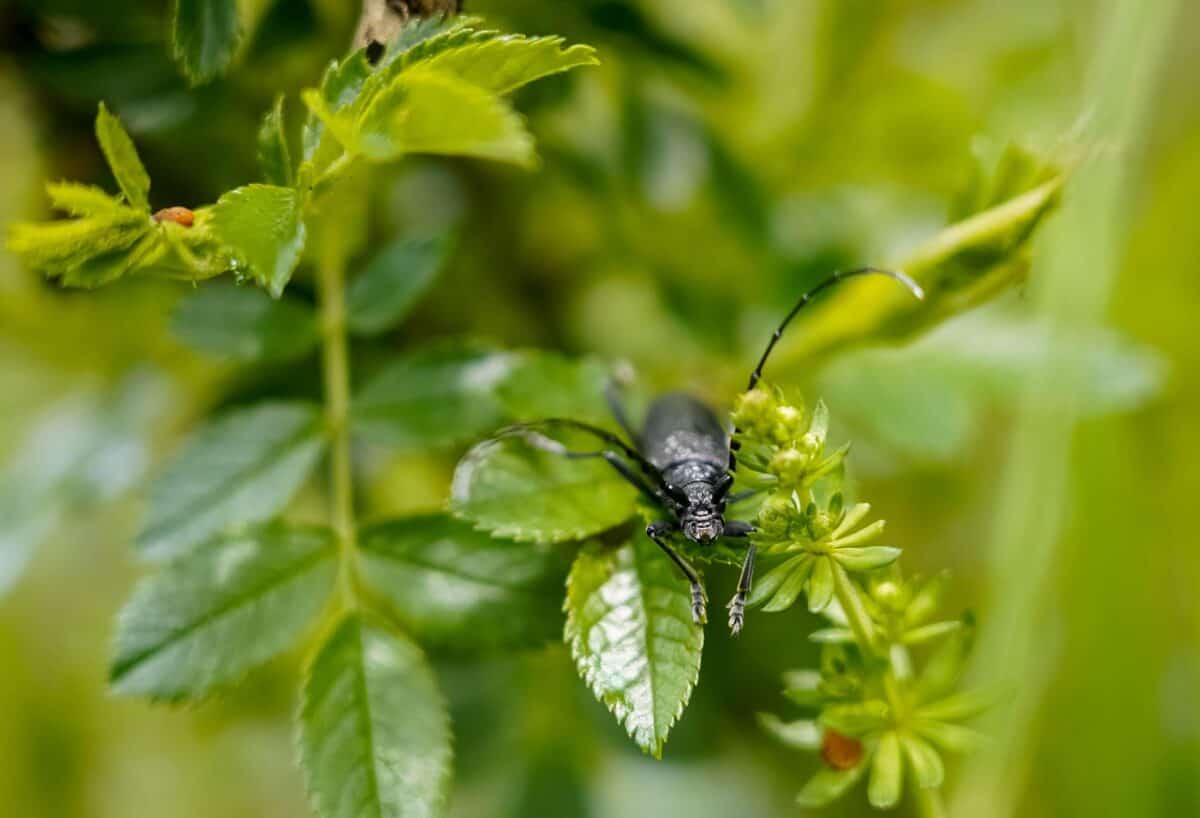
The beetle’s exoskeleton not only provides physical protection but also allows it to evade predators by being difficult to crush, bite through, or swallow. This adaptation is crucial for survival in its natural habitat, where it faces threats from birds, reptiles, and other potential predators. Its camouflage colouring further aids in avoiding detection.
Implications for Material Science and Engineering

The extraordinary robustness of the diabolical ironclad beetle’s exoskeleton has inspired engineers to rethink materials design. By mimicking its layered armor, new synthetic materials can be developed for use in fields such as construction, packaging, and even aerospace, offering enhanced durability and energy absorption capabilities.
Biological Insights and Biomimicry

Scientists studying the beetle have gained insights into biomimicry, the practice of drawing inspiration from nature to solve complex engineering problems. Understanding the beetle’s structure has contributed to advancements in designing strong yet lightweight structures in various sectors, including robotics and vehicles.
Applications in Space Exploration

As engineers strive to create resilient spacecraft, the diabolical ironclad beetle’s exoskeleton provides an unexpected source of inspiration. The layered structure and impact-dissipating characteristics can be replicated to design protective materials capable of withstanding the extreme conditions encountered in space.
Life Cycle of the Beetle
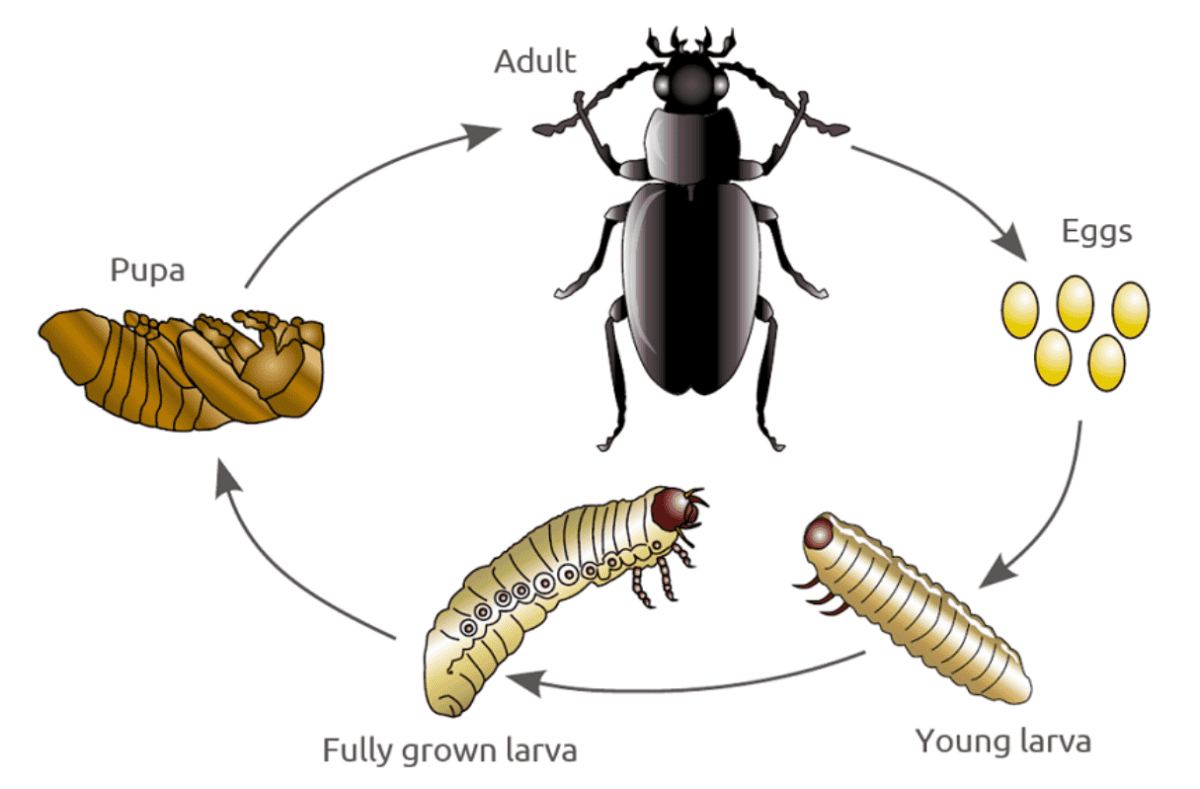
The life cycle of the diabolical ironclad beetle, like other beetles, involves several stages: egg, larva, pupa, and adult. Each stage offers a different perspective on survival, with the adult form showcasing the signature hard shell which has intrigued the scientific community with its resilience.
Challenges and Threats

Despite its resilience, the diabolical ironclad beetle faces threats from habitat loss and environmental changes. Understanding and preserving its natural habitat is essential for ensuring that this remarkable species continues to thrive and inspire future generations.
Conservation Efforts
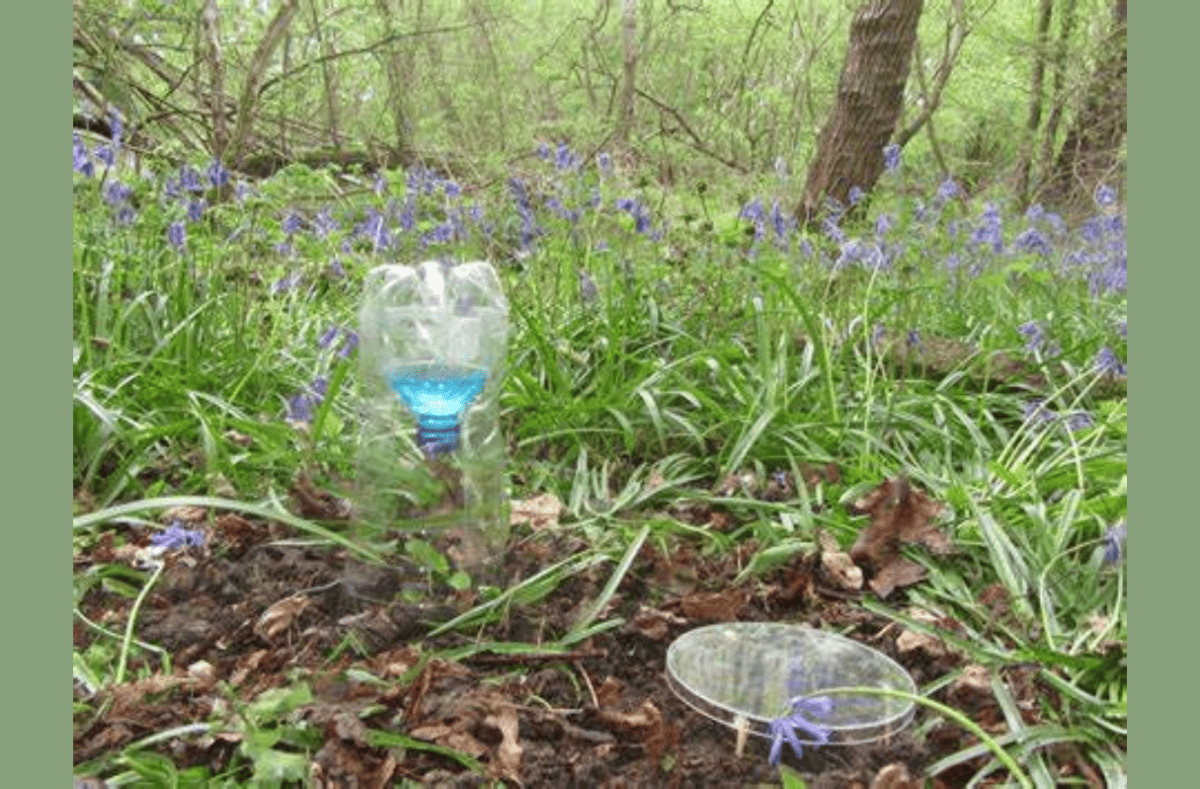
Conservationists emphasize the importance of protecting forested areas that serve as natural habitats for the beetle. By maintaining these ecosystems, we ensure the survival of the diabolical ironclad beetle, along with many other native species that coexist in the same environment.
A Symbol of Nature’s Ingenuity
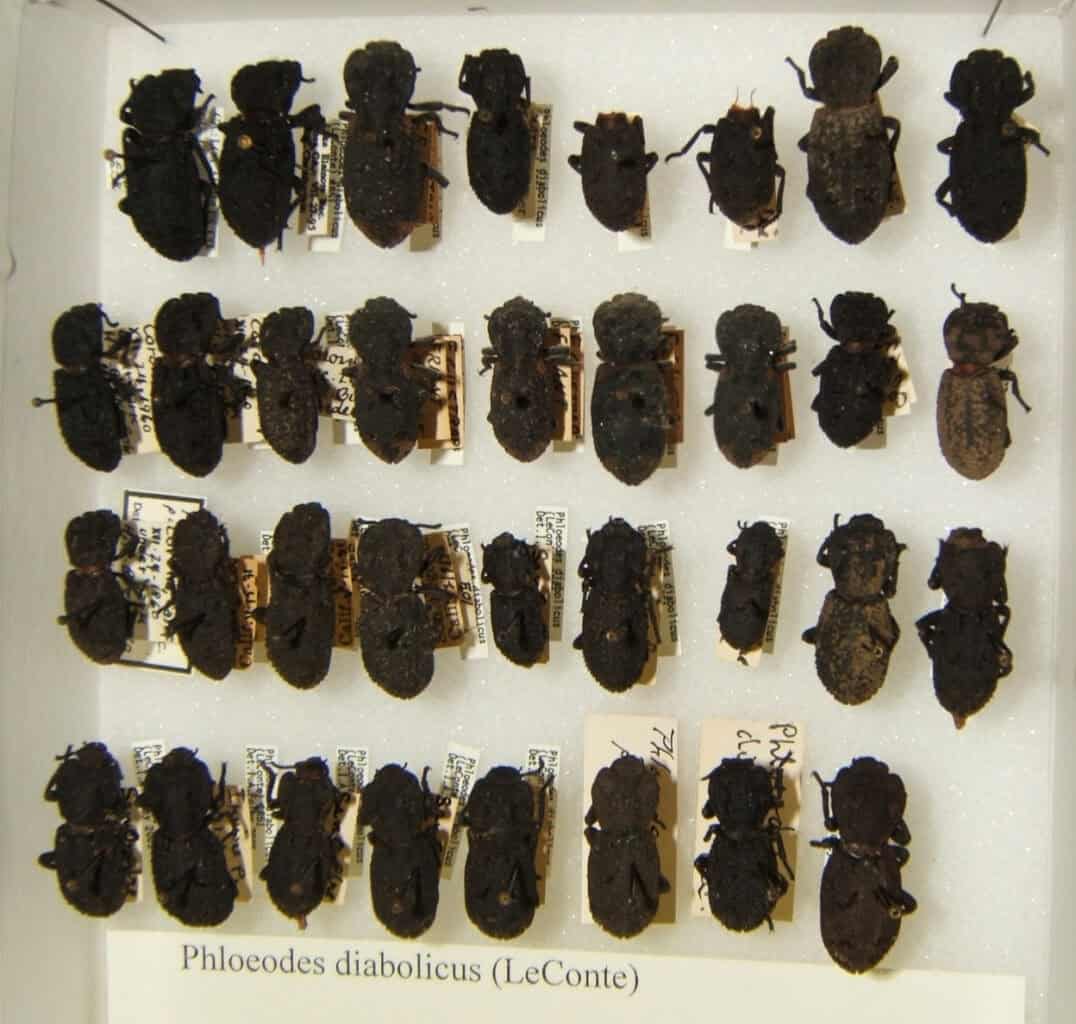
The diabolical ironclad beetle serves as a testament to the inventive prowess of nature. Its existence challenges engineers to innovate and adapt principles found in the natural world for human applications. As we continue to study and understand this indestructible beetle, we can unlock new possibilities that reshape the future of technology and design.
In conclusion, the diabolical ironclad beetle stands as an extraordinary example of nature’s capacity for innovation and resilience. By understanding the mechanics behind its durability, we not only gain insight into a fascinating creature but also draw inspiration for groundbreaking advancements in science and engineering. As research continues, the incredible potential of this beetle’s natural design will likely influence the development of materials and technologies in ways we are just beginning to imagine.

- What’s Hiding in the Forests of the Pacific Northwest - July 21, 2026
- Tarsiers: The Tiny Primates with Giant Eyes - July 21, 2026
- Are Zoos Still Ethical in 2025? - July 21, 2026