
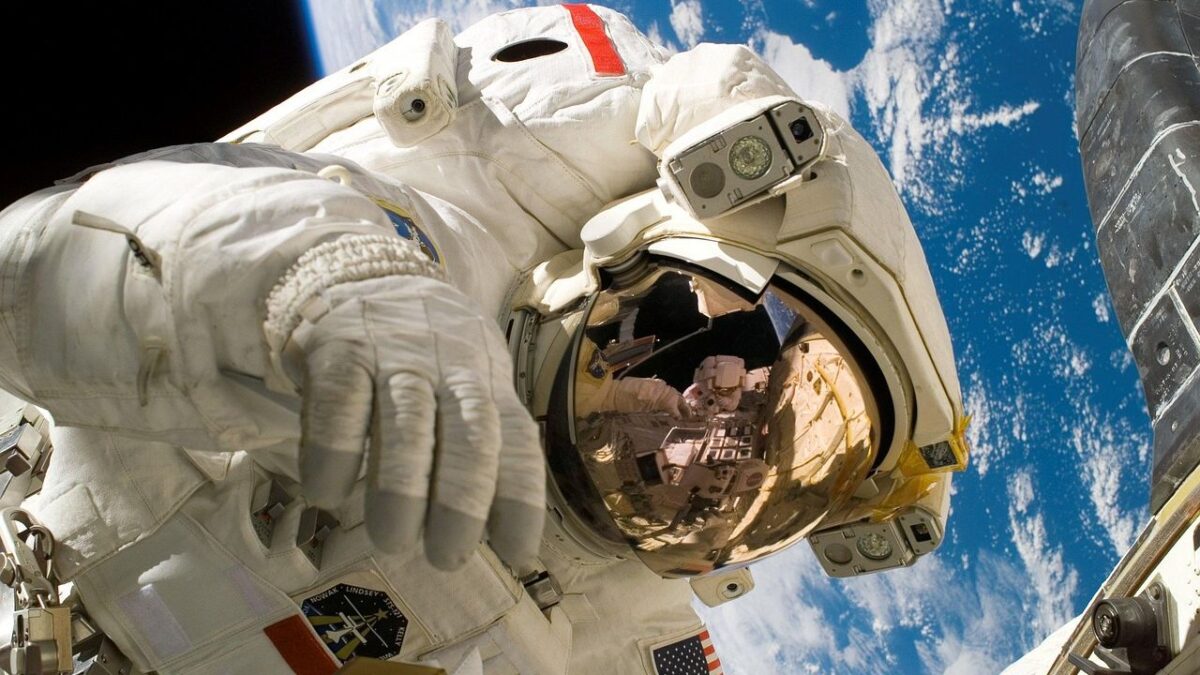
Have you ever wondered whether the story of life is truly an Earth-only affair? It’s a fascinating thought. We’re used to thinking of our planet as the sole cradle of life, the only place in the cosmos where biology took root. Yet there’s a compelling idea that challenges this assumption. What if the seeds of life didn’t originate here at all? What if they drifted through the void of space, hitching a ride on ancient rocks and icy wanderers, only to find a home on our young planet billions of years ago?
This isn’t science fiction. It’s a legitimate scientific hypothesis called panspermia, and recent discoveries are making it harder to dismiss.
The Ancient Idea That Life Came From Somewhere Else
Panspermia is the hypothesis that life exists throughout the universe, distributed by cosmic dust, meteoroids, asteroids, comets, and planetoids. The word itself comes from ancient Greek, meaning “all seeds,” which feels poetic when you think about it. The earliest known variation of the panspermia hypothesis was forwarded by the ancient Greek philosopher Anaxagoras, who lived over two thousand years ago.
Let’s be real though, the idea fell out of favor for a long time. Why? Panspermia subsequently fell out of favor, partly as a result of the acceptance of the Big Bang theory, and most efforts to understand the origin of life have since been framed by the assumption that life began on Earth. Yet recently, scientists have started to reconsider.
In the last decade data have begun to accumulate suggesting that panspermia may in fact be a natural and frequently occurring process. It’s no longer just speculation. Real evidence from space rocks is turning heads.
Meteorites Are Packed With Life’s Building Blocks
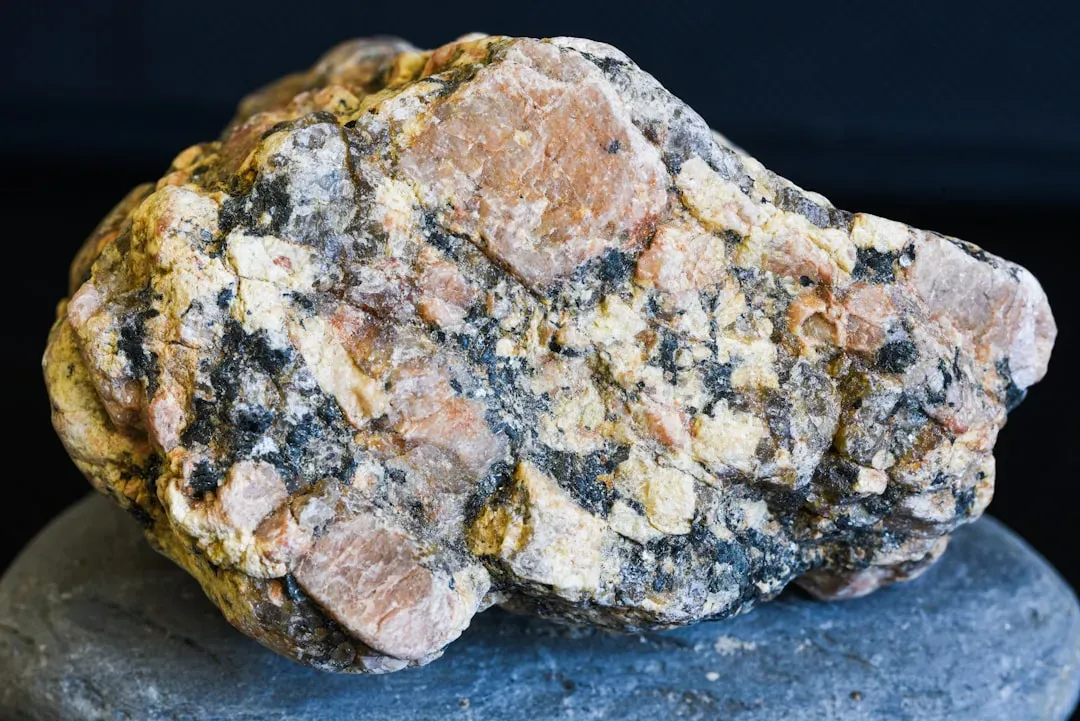
Here’s where things get wild. Samples from asteroid Bennu detected amino acids, including 14 of the 20 used in terrestrial biology. That’s not a typo. More than two thirds of the amino acids that make up proteins in every living thing on Earth have been found floating around in space. Researchers found a previously undetected amino acid, tryptophan, which has not been observed previously in meteorites and returned samples. Tryptophan is particularly complex, making its discovery even more remarkable.
Think about that for a moment. Amino acids are the fundamental building blocks of life as we know it. Scientists from Japan and NASA have confirmed the presence in meteorites of a key organic molecule which may have been used to build other organic molecules, including some used by life.
The Murchison meteorite contains all five nucleobases that form DNA and RNA, including adenine, guanine, thymine, cytosine, and uracil. These molecules have been confirmed as extraterrestrial in origin. They weren’t contaminated by Earth’s environment after landing. They formed out there, in the cold darkness of space.
How Do These Molecules Form in Space?
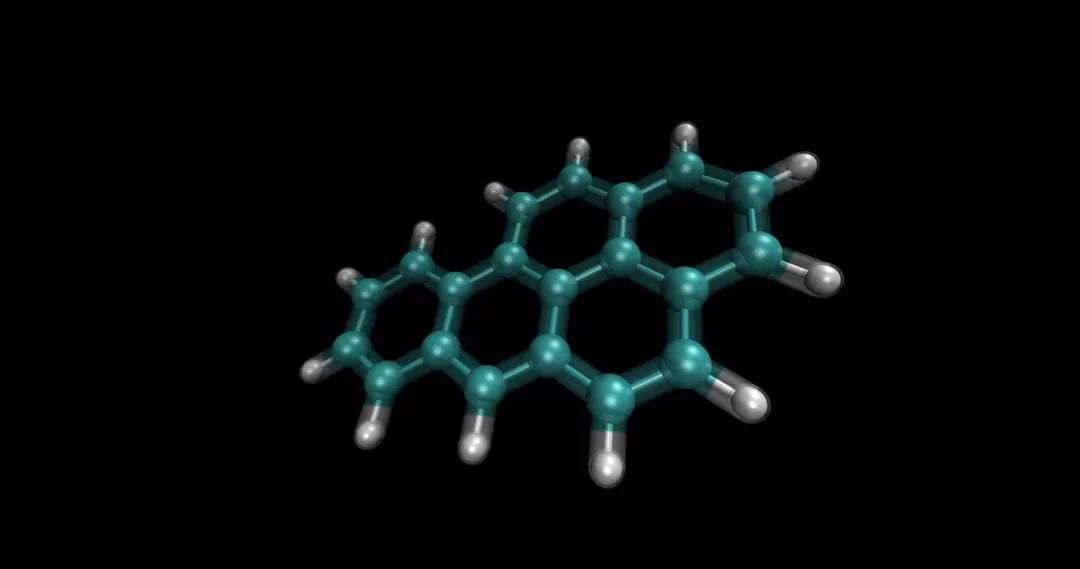
Obviously, the next question is how. According to scientists, the answer is liquid water and chemical reactions, reached after finding abundant phyllosilicates in the samples, which can only form when rock is exposed to water. Even in the harshness of space, water existed inside asteroids long ago, providing the right environment for chemistry to work its magic.
The team believes that the water would have probably contained ammonia, which acted as a catalyst, building amino acids and nucleotide bases from simpler interstellar starting materials. Ammonia, water, a bit of heat from radioactive decay or collisions – these simple ingredients can create astonishingly complex molecules. Nitrogen-15 isotopic enrichments indicate that ammonia and other N-containing soluble molecules formed in a cold molecular cloud or the outer protoplanetary disk.
Scientists have even recreated these reactions in laboratories. The conditions aren’t exotic. They’re surprisingly common in the early solar system.
Could Life Survive the Journey Through Space?
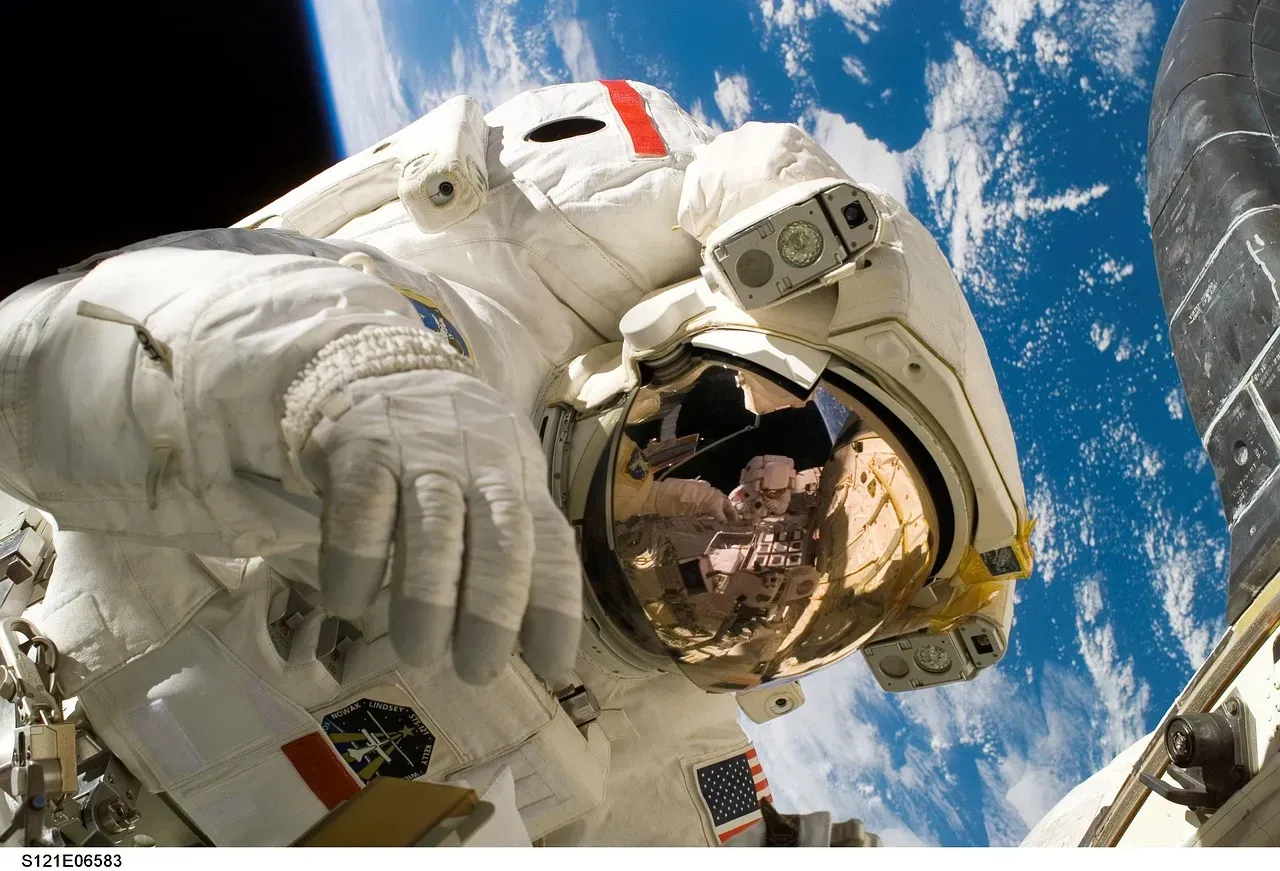
It sounds crazy, but microbes are tougher than you’d think. Tardigrades, also known as water bears, can endure the vacuum of space, temperatures close to absolute zero, and intense radiation, and in 2007, tardigrades were sent into low Earth orbit, exposed to the vacuum and radiation of space, and returned to Earth alive. If tiny creatures like these can survive in space, why not microscopic spores?
From space experiments conducted in Earth orbiters and on the International Space Station, microbes have been found to survive at low Earth orbits under some protection from intense solar UV radiation. Protection could come from being embedded inside rocks. Recent paleomagnetic studies on Martian meteorite ALH84001 have shown that this rock traveled from Mars to Earth without its interior becoming warmer than 40ºC.
Honestly, the idea that life could hitchhike between planets isn’t as far-fetched as it once seemed. Space isn’t necessarily a death sentence for hardy organisms.
Mars Might Be Our Cosmic Cousin
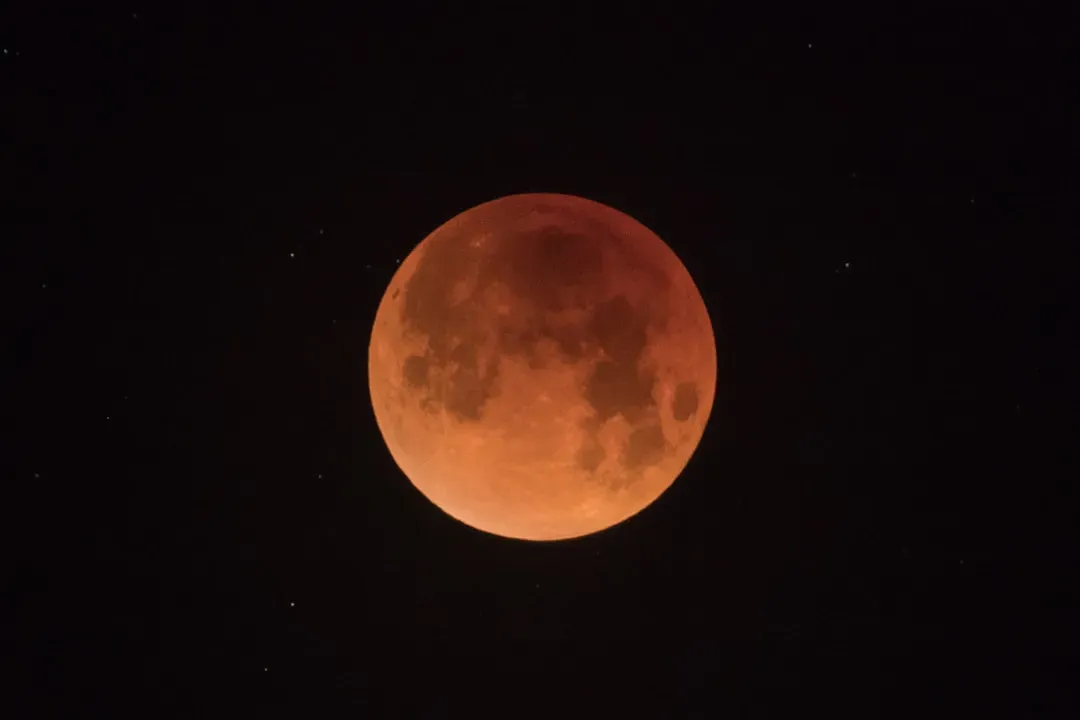
Let’s talk about Mars for a second. There are some arguments that Mars might have been a more suitable environment for the origin of life 4 billion years ago, and since Mars and Earth have exchanged materials throughout their history, it is possible that life has migrated from one planet to another. We know rocks get blasted off Mars by asteroid impacts and eventually land on Earth. Could those rocks carry living passengers?
At face value, all of these lines of evidence suggest that, compared to early Earth, early Mars might have had a greater supply of biologically useable energy and was perhaps, by implication, a better place for the origin of life. Early Mars had water. It had the right temperature range. It might have been less hostile to emerging life than our own planet.
It’s hard to say for sure, but the possibility that we’re all descendants of ancient Martian microbes is both humbling and exhilarating. Who would’ve guessed?
What This Means For Life In The Universe
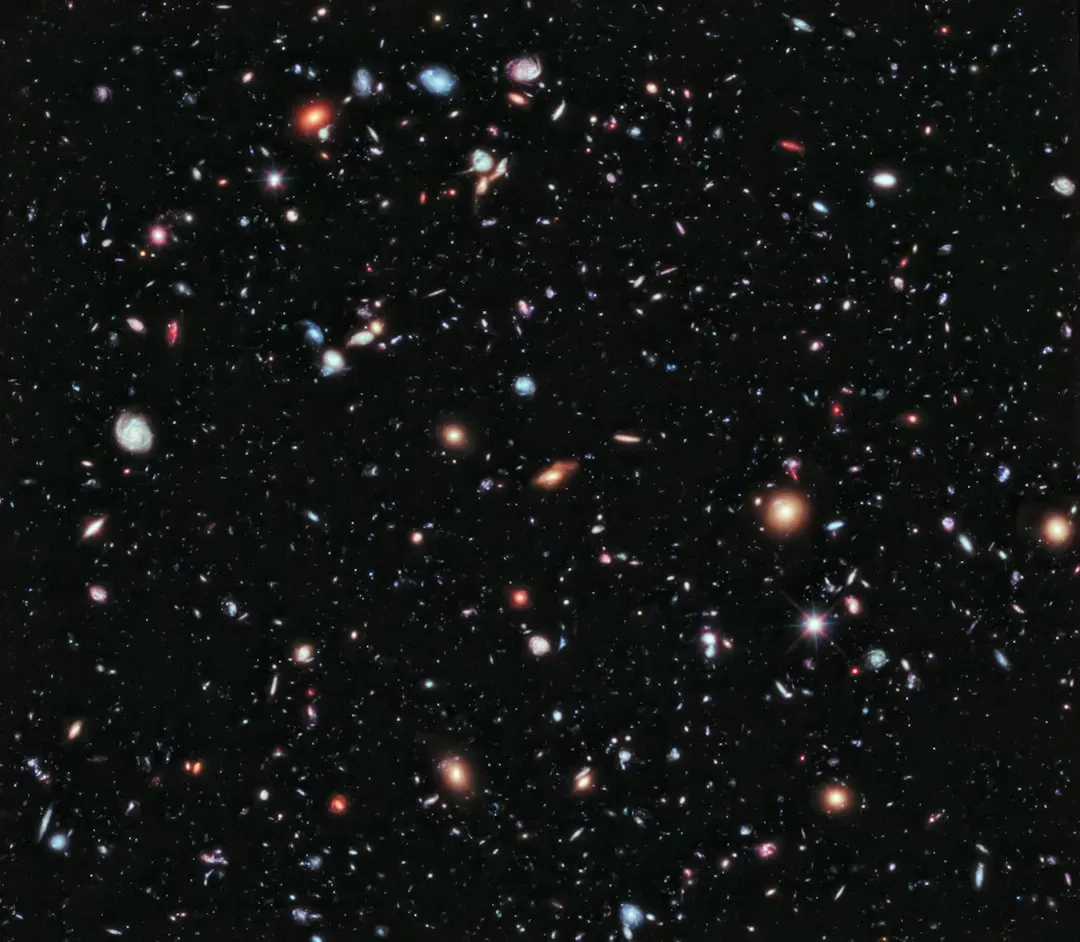
Researchers commented that their findings expand the evidence that prebiotic organic molecules can form within primitive accreting planetary bodies and could have been delivered via impacts to early Earth and other solar system bodies, potentially contributing to the origins of life. If it happened here, it could happen anywhere. Life may be a cosmic imperative, arising whenever and wherever conditions allow, raising the possibility that the galaxy teems with life, and we are but one branch of a vast evolutionary tree.
There’s still so much we don’t know. Panspermia doesn’t really answer where life first began – it just pushes the question back. Did it start on Mars? On some distant asteroid? In an interstellar cloud? Evidence strongly in favor of abiogenesis over panspermia exists today, whereas evidence for panspermia, particularly directed panspermia, is decidedly lacking. Yet the discovery of organic molecules throughout the cosmos suggests that life’s ingredients are everywhere.
The building blocks of life exist throughout space, though whether those pieces assembled into living organisms, microbial or intelligent, remains the universe’s most tantalizing unanswered question. We’re standing at the edge of understanding something profound. Future missions to Europa, Enceladus, and Mars will search for signs of life in places we once thought barren. If we find it, everything changes. If the chemistry matches ours, the case for panspermia gets much stronger. Did Earth’s story really begin here, or does it stretch back across billions of years and trillions of miles? What do you think? Could we all be visitors from the stars?

- What It Means When Your Cat Stares at the Same Empty Corner at the Same Time Every Night – and the Three Explanations Competing for It - July 19, 2026
- What It Means When a Snake Crosses Your Path From Left to Right According to Every Southern Appalachian Tradition That Recorded It - July 19, 2026
- What It Means When Deer Stop Coming to an Area They Have Visited for Years – and What Wildlife Biologists Say They Are Detecting - July 19, 2026