

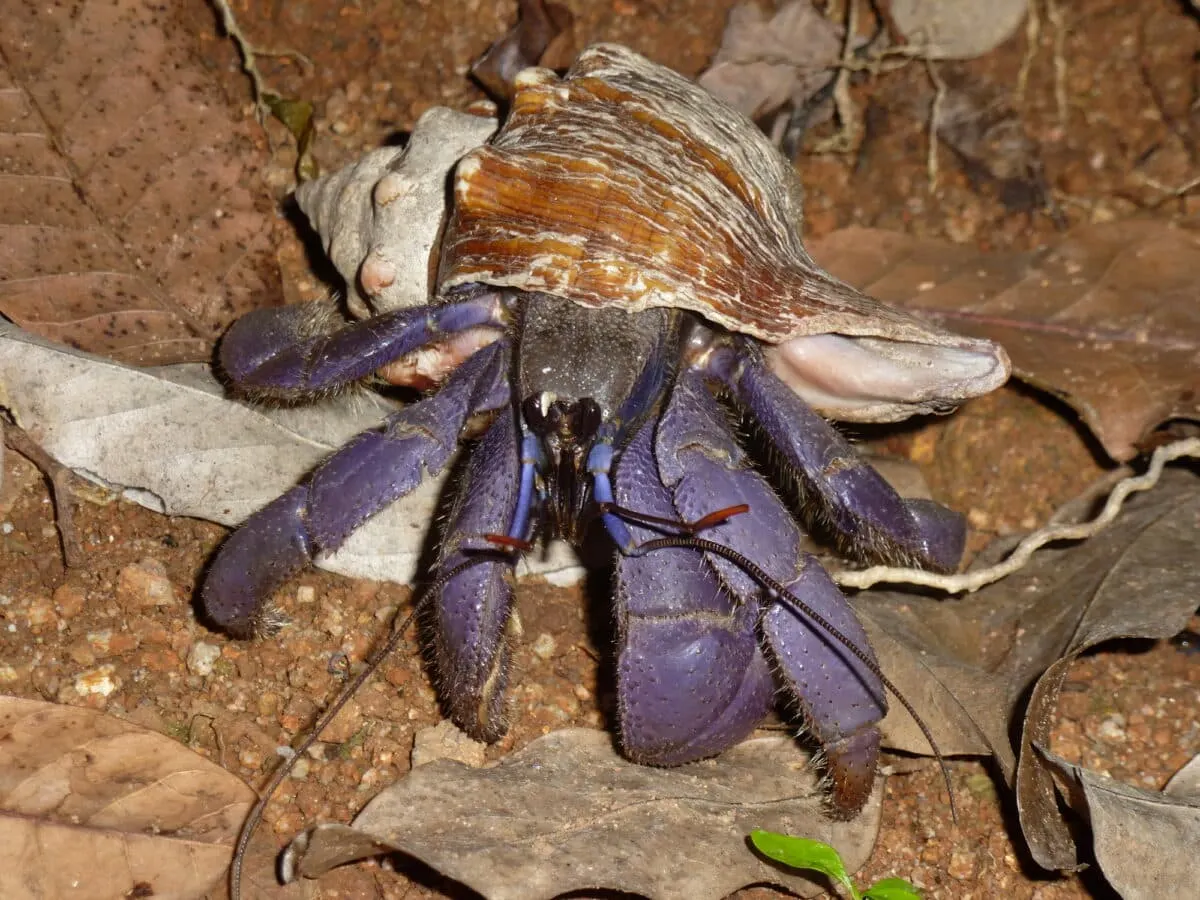
Nature never ceases to surprise us with its array of remarkable creatures, each with unique adaptations that captivate our imaginations. Among these curious wonders are coconut crabs, giant crustaceans capable of climbing not only trees but even houses. Join us on a journey to uncover the fascinating world of these intriguing and formidable animals.
What Are Coconut Crabs?
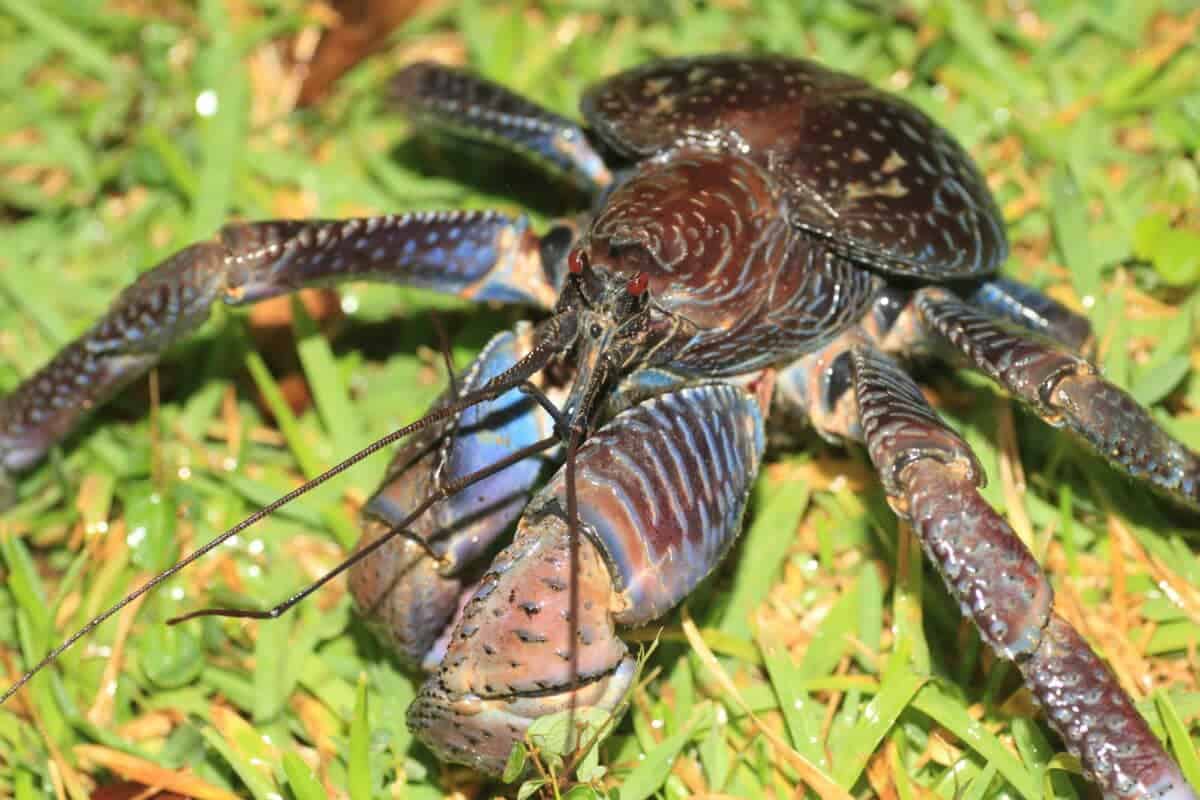
Coconut crabs, scientifically known as Birgus latro, are the largest land-living arthropods in the world. They belong to the hermit crab family, Coenobitidae, and are closely related to other land crabs. These giants can reach a hefty weight of up to 9 pounds (about 4 kg) and measure over 3 feet (approximately 1 meter) across from leg tip to leg tip.
A Unique Climbing Ability
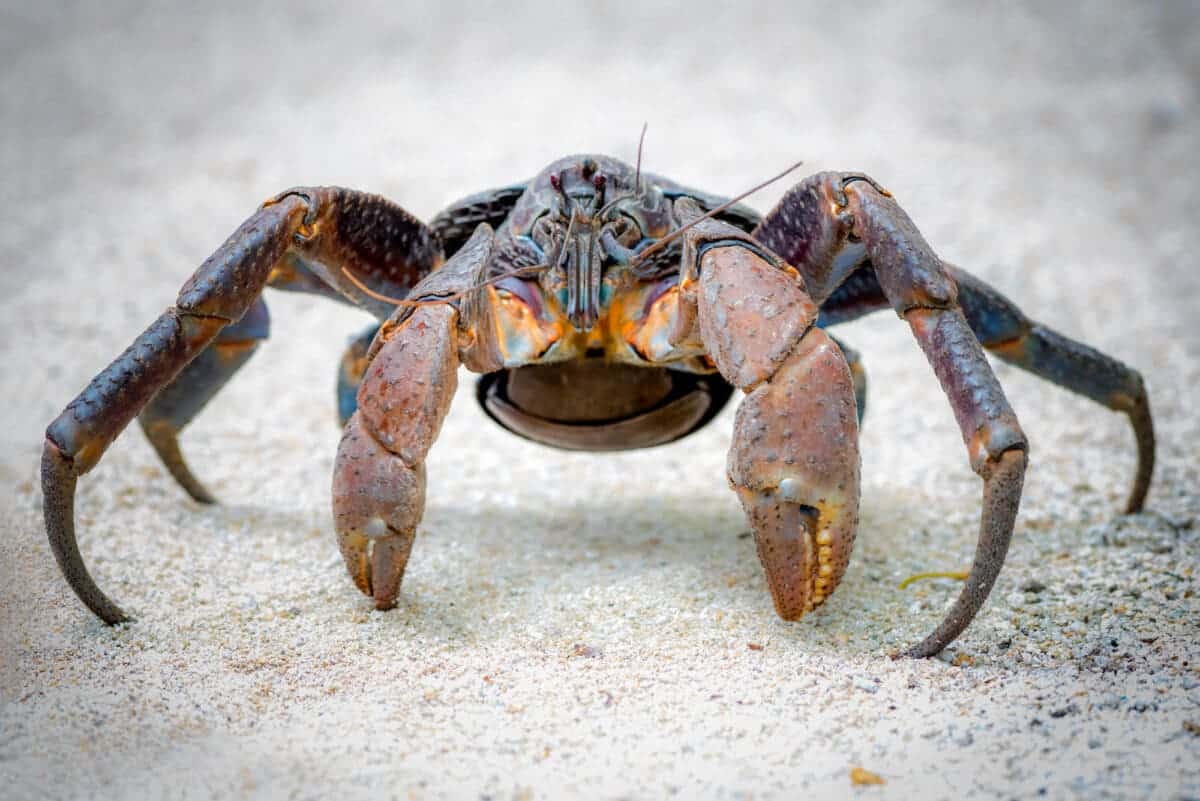
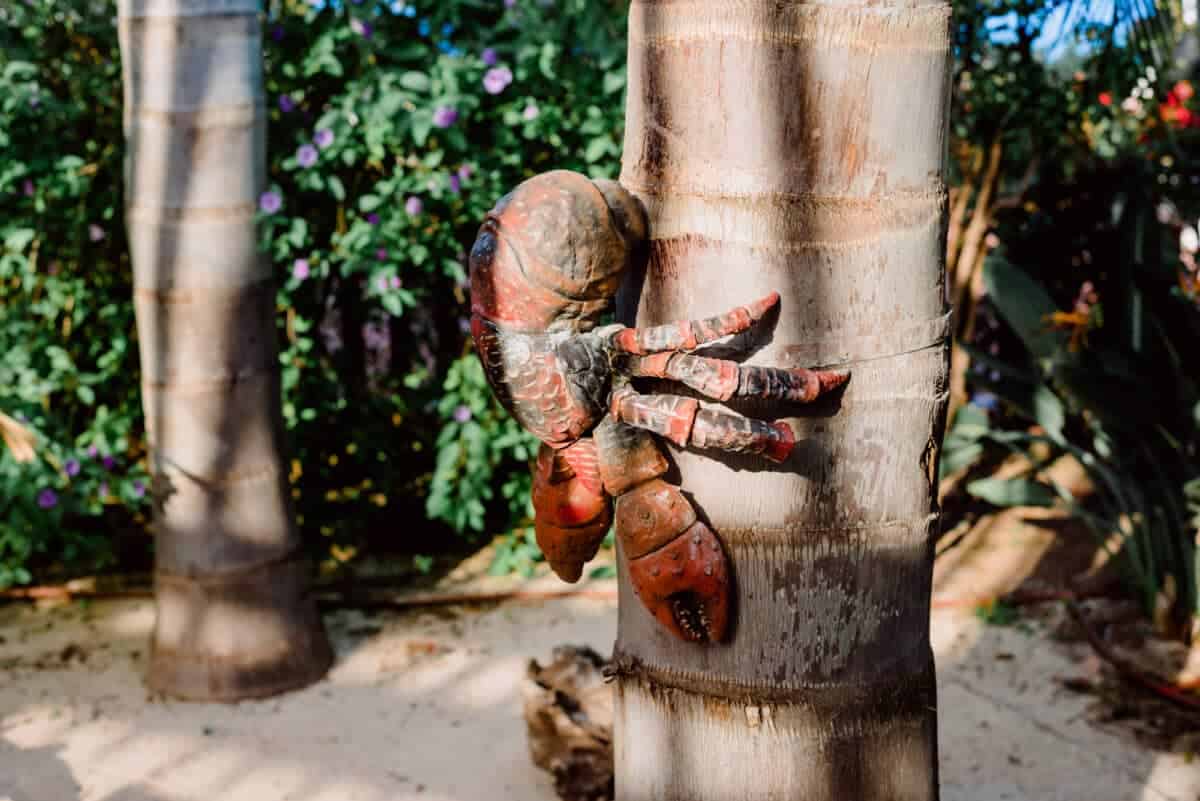
The name “coconut crab” originates from one of their most impressive skills: climbing coconut trees. Their powerful, muscular legs enable them to climb vertically, allowing them access to food sources high above the ground. This climbing capability also extends to structures like houses, as these crabs explore in search of sustenance.
Diet: More Than Just Coconuts
While coconuts are a significant part of their diet and provide the hydration they need, coconut crabs are omnivores with a diverse palate. They consume fruits, nuts, seeds, and even small animals and carrion. Their robust claws are perfectly adapted for cracking hard shells and dissecting their meals into manageable pieces.
An Impressive Sense of Smell

Coconut crabs possess a remarkably keen sense of smell that aids them in locating food. This acute olfactory ability allows them to detect scents over long distances, guiding them to the nutritious bounty hidden in their environment.
A Solitary Lifestyle
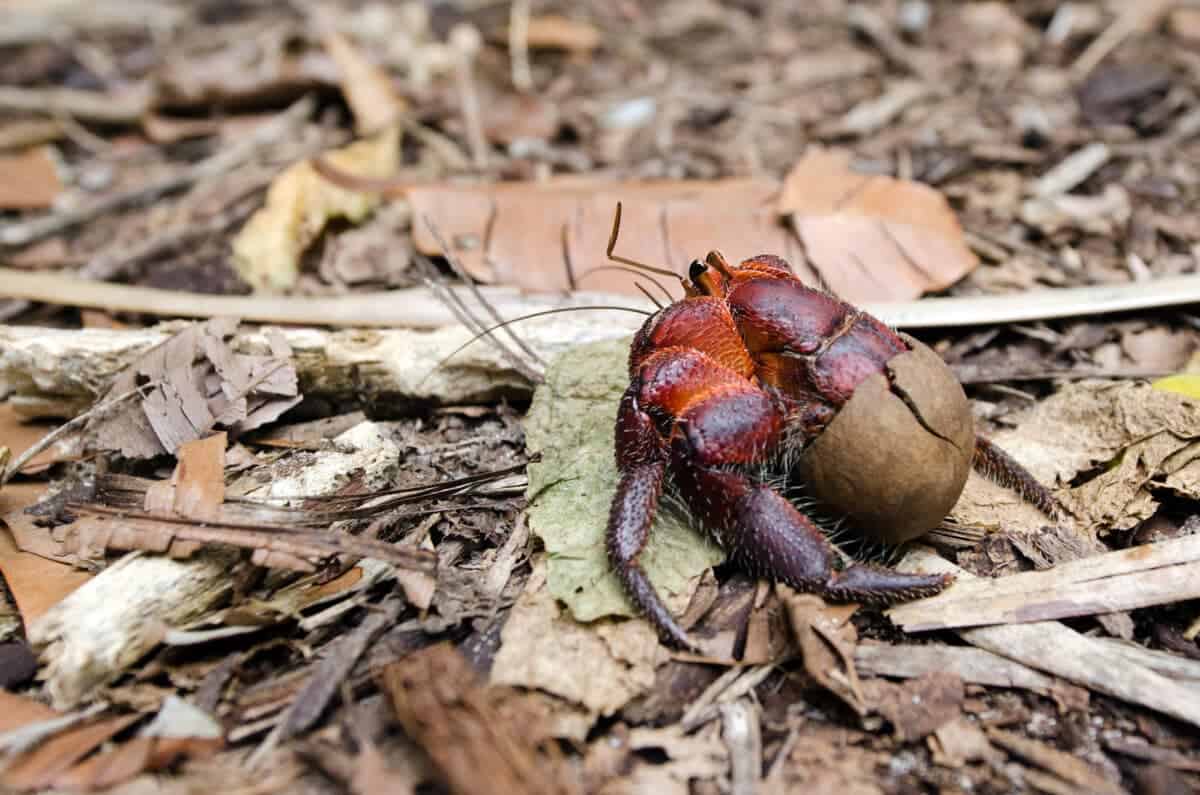
These crabs are solitary creatures, spending most of their lives alone. They are known to be highly territorial, using their strong claws and impressive size to ward off potential threats or competition. This solitary nature ensures they have enough resources to sustain themselves in their natural habitat.
Habitats Across the Pacific and Indian Oceans
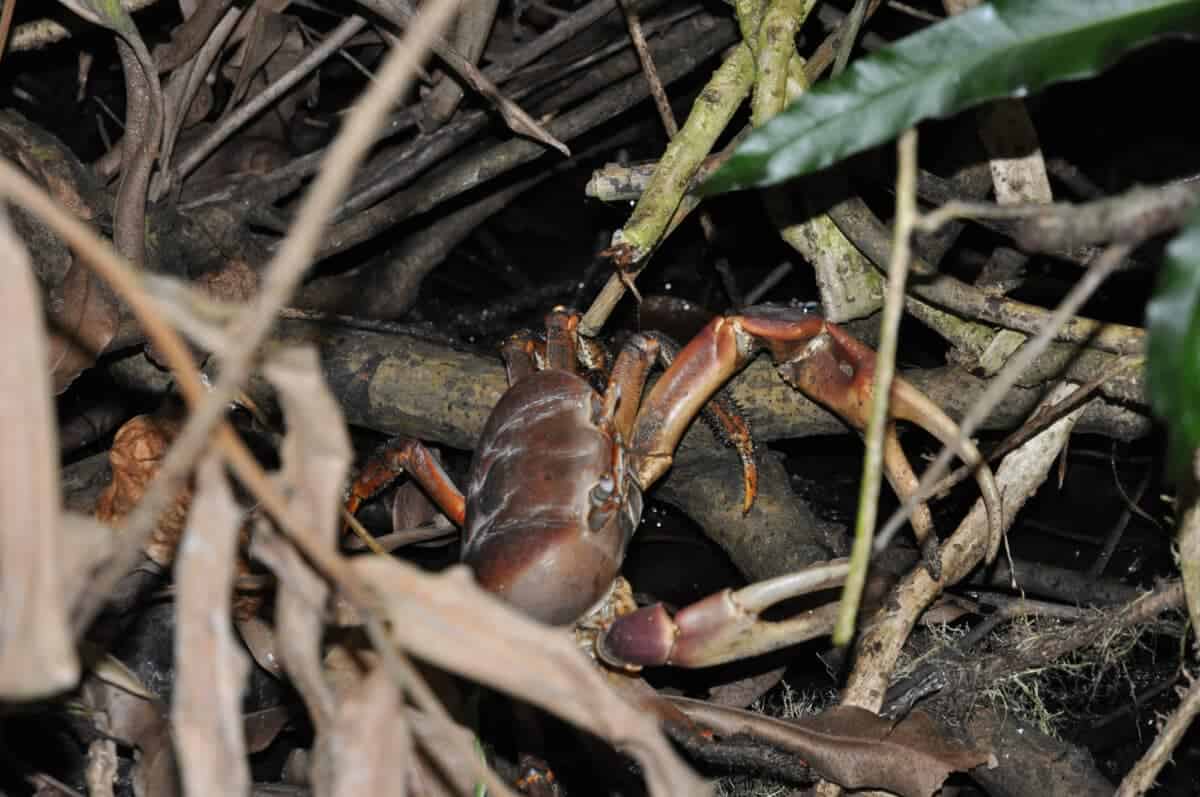
Coconut crabs are native to several islands in the Pacific and Indian Oceans. They thrive on tropical islands, where they can find the necessary resources to survive, such as ample vegetation, abundant coconuts, and suitable shelter.
Lifecycle of a Coconut Crab

The lifecycle of coconut crabs is quite fascinating. After mating, females release their eggs into the ocean, where they hatch into larvae. The larvae remain in the water for several weeks before settling on land as juvenile crabs. After shedding their shells several times, they mature into adults, a process that can take many years.
Remarkable Defense Mechanisms

While their size and powerful claws deter many predators, coconut crabs have additional defenses. They possess tough exoskeletons that provide solid armor against attackers. When threatened, they can use their claws not only for offense but also to protect themselves from harm.
Coconut Crabs and the Environment

As scavengers, coconut crabs play a crucial role in their ecosystems. They help decompose organic matter, cycling nutrients back into the environment. This process is vital for maintaining the balance of their habitats and supporting the health of the ecosystem.
Conservation Challenges

Despite their formidable nature, coconut crabs face several conservation challenges. Habitat loss, due to human development and deforestation, poses a significant threat to their populations. Additionally, they are hunted for their meat, which is considered a delicacy in some regions. Conservation efforts are necessary to ensure the survival of these unique creatures.
Interactions with Humans

While coconut crabs are generally not aggressive toward humans, encounters can be intimidating due to their size. When exploring human settlements, they are mainly in search of food, not conflict. It’s important to appreciate and respect their presence by keeping a safe distance and avoiding interaction.
Final Thoughts on These Unique Crabs

Coconut crabs are extraordinary representatives of the complexity and diversity of life on Earth. Their remarkable abilities, from scaling trees to their varied diet, showcase the fascinating adaptations animals develop to thrive in their environments. As we continue to study and protect these remarkable crabs, we preserve not just a species, but an essential part of the ecological tapestry.
As we unravel the mysteries of coconut crabs, we gain insight into the incredible capabilities of nature and the delicate balance of ecosystems worldwide. By appreciating and conserving these creatures, we contribute to the ongoing symphony of life that surrounds us.

From exploring the marine wonders in the Azores and witnessing the vast savannas of Kenya, to delving deep into the rich biodiversity of South Africa and traversing iconic landscapes in Australia and the US like Yellowstone, Chris's experiences are vast.
With a penchant for diving alongside sharks, the ocean holds a special place in his heart.
Through his academic insights, he champions wildlife conservation, striving with 'Animals Around The Globe' to cultivate a profound connection between humans and animals, enhancing our mutual appreciation.
Connect with him at Feedback@animalsaroundtheglobe.com.
- Why Spiders Don’t Get Stuck in Their Own Webs - July 20, 2026
- What Scientists Found in a 10,000-Year-Old Beehive - July 20, 2026
- This Spider Builds Fake Decoys of Itself - July 20, 2026