


The Earth’s oceans have been home to a variety of life forms for millions of years, evolving through time to adapt to their environment—or, in some cases, remaining unchanged, seemingly untouched by the currents of transformation. Among the fascinating inhabitants of the deep are ancient fish species that serve as living windows into Earth’s prehistoric past. These enigmatic creatures have stayed remarkably consistent for over 200 million years. This article takes a closer look at these evolutionary masterpieces, examining their ancient lineage and the science behind their enduring existence.
The Prelude to a Prehistoric Journey

Our journey begins in the murky depths of ancient seas, where the first fish began to appear approximately 500 million years ago during the Cambrian Period. While many species have evolved dramatically since then, some have defied the relentless march of evolution, retaining primitive features that arguably make them the “living fossils” of the aquatic world.
Lingering Legends: The Coelacanth
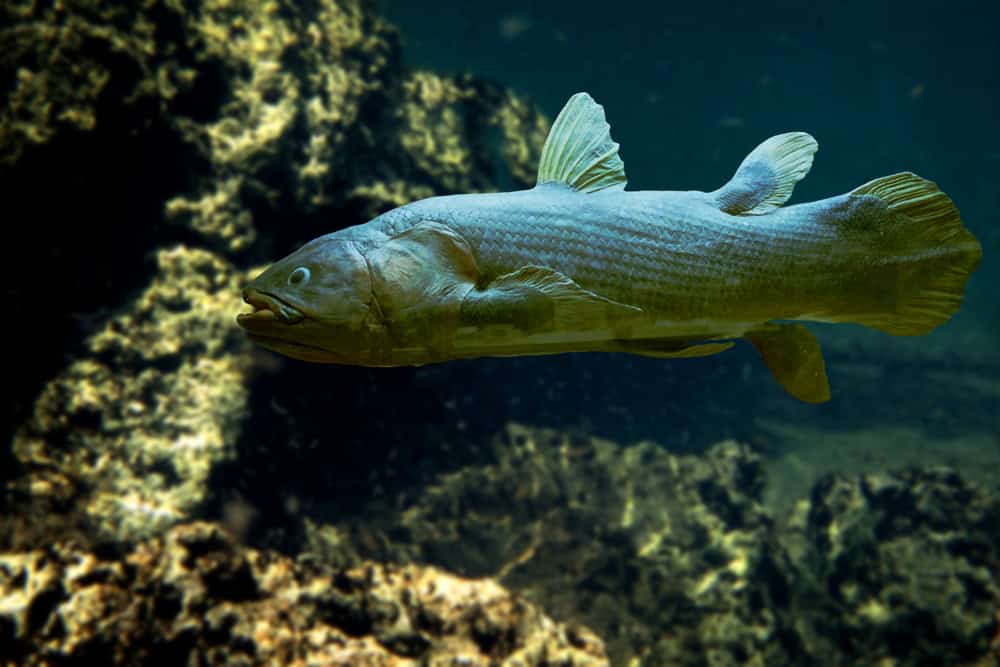
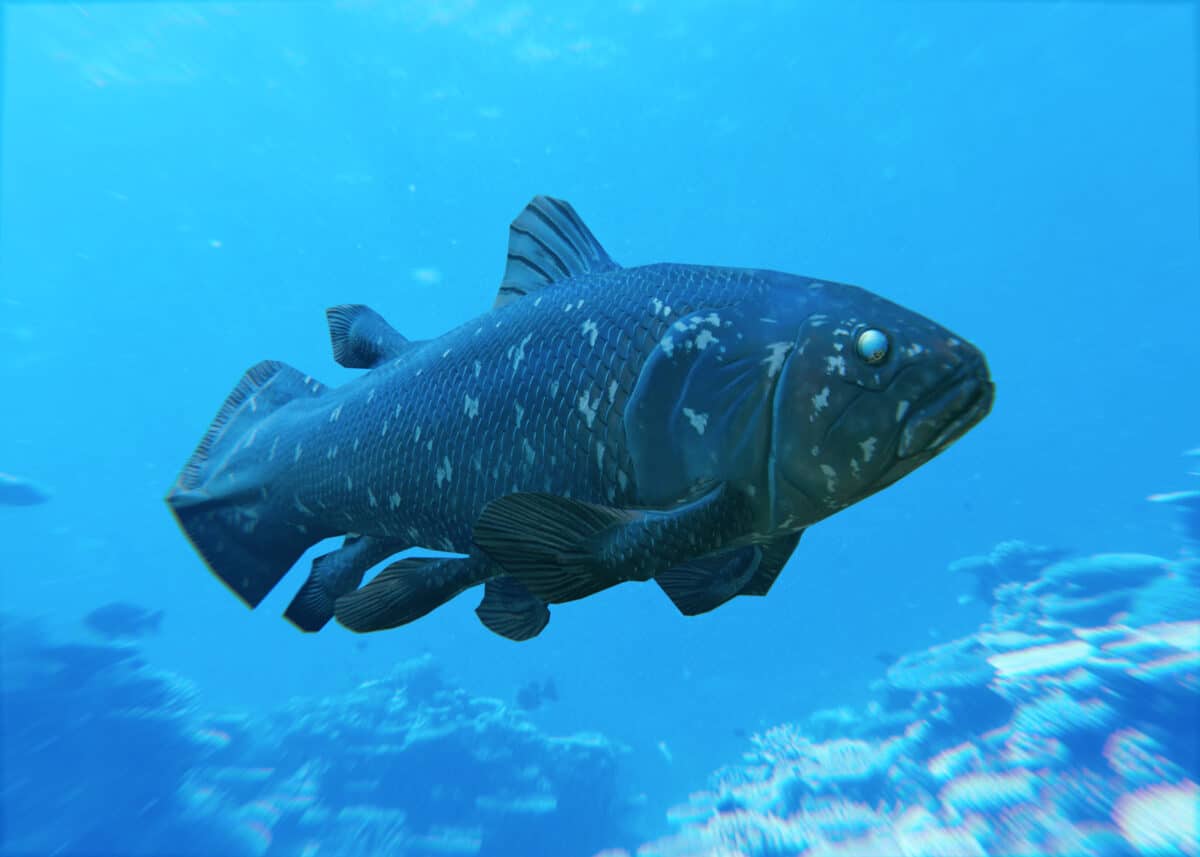
The coelacanth is perhaps the most famous example of a fish species that seems impervious to time’s passage, with its lineage dating back to the Devonian Period over 400 million years ago. Thought to be extinct until its rediscovery in 1938, the coelacanth shows little deviation from its ancient ancestors, offering scientists a direct glimpse into the era when vertebrates first ventured onto land.
Horseshoe Crabs: Survivors From the Sea
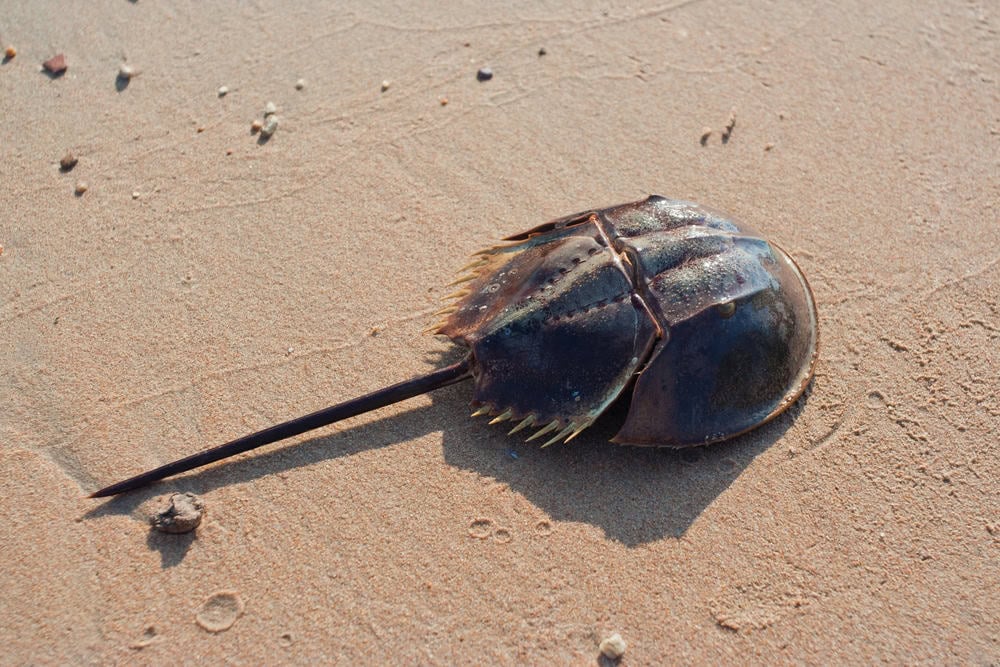
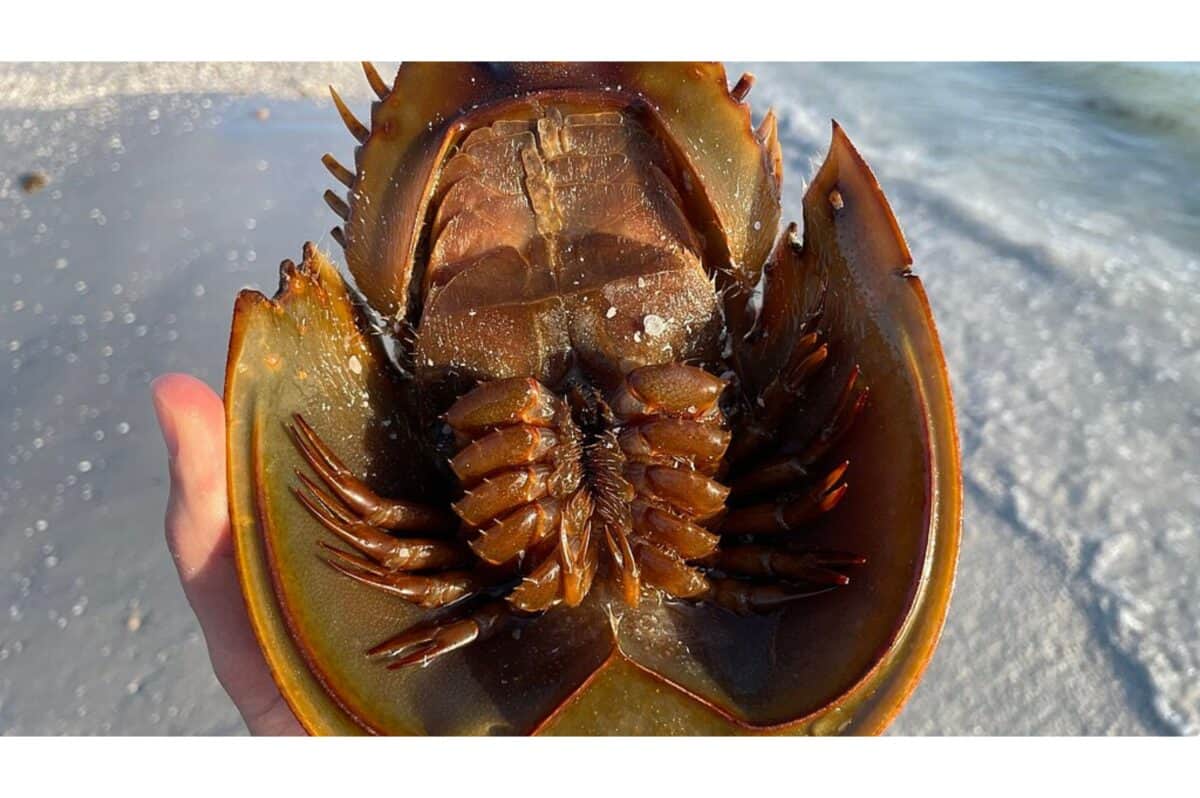
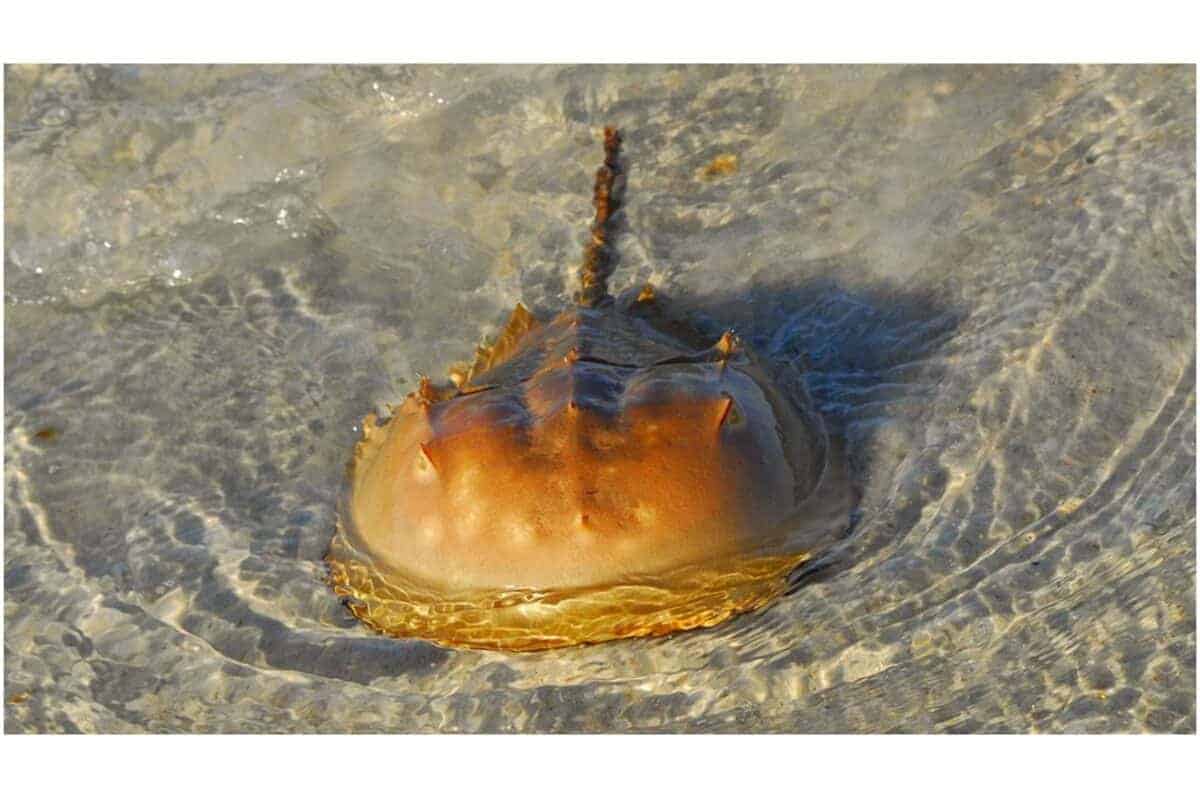
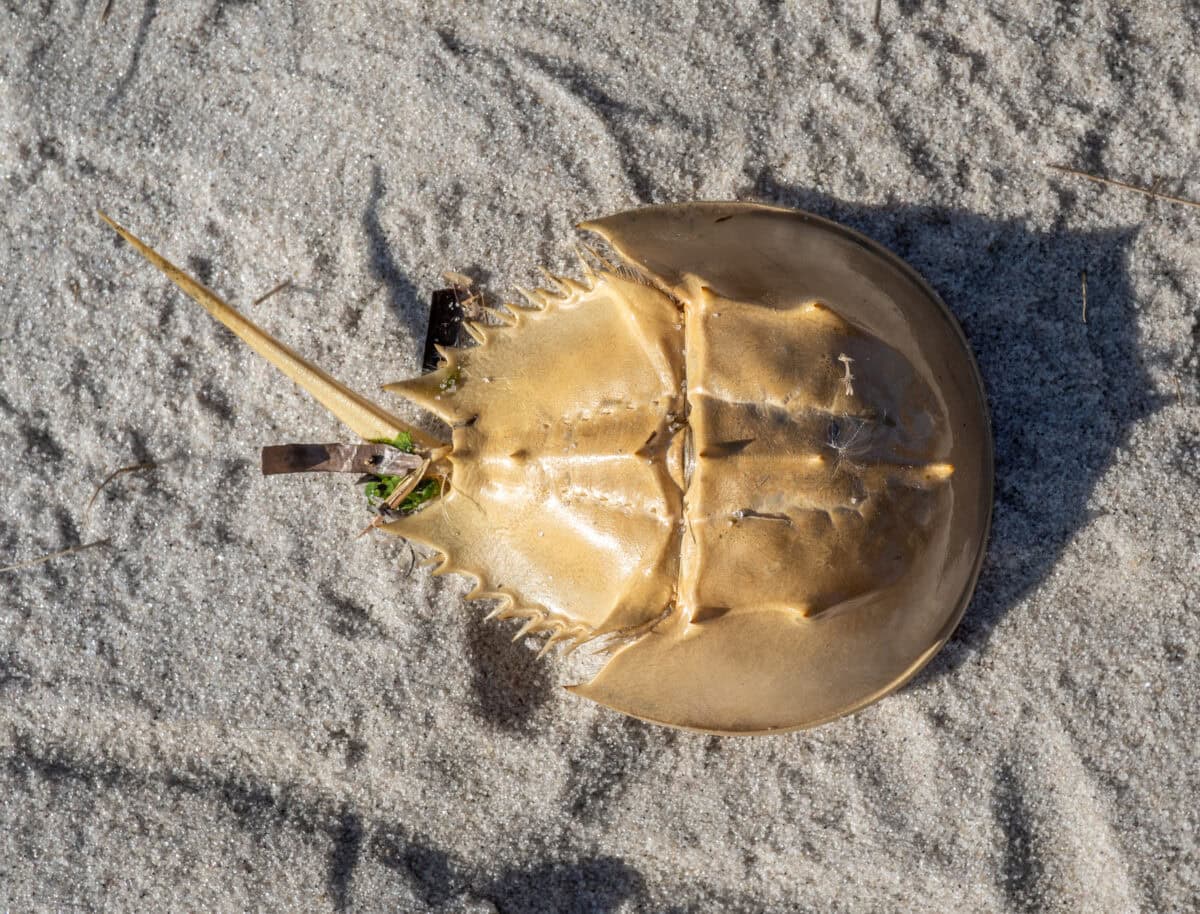
While not technically fish, horseshoe crabs are often included in discussions about ancient sea life due to their remarkably unchanged anatomy over hundreds of millions of years. Dating back to 450 million years ago, these resilient creatures are essential study subjects for understanding evolutionary stasis.
The Alligator Gar: A Living Fossil

The alligator gar is another example of a prehistoric survivor, with its origins tracing back 100 million years. Its fearsome, elongated body armed with sharp teeth has changed very little, providing it with an effective hunting design that has withstood the test of time in the brackish waters it calls home.
Essential Attributes of Evolutionary Stasis

The key to understanding why some fish haven’t changed lies in the concept of evolutionary stasis. These species inhabit stable environments with little competition and few predators, which diminishes the necessity to evolve. Their anatomy and lifestyles are so well-suited to their niche that drastic changes weren’t beneficial for survival.
Ancient Adaptation: The Secret of Success
Being ancient doesn’t imply obsolescence; rather, it signifies a perfect fit for certain ecological roles. The unchanged traits of these ancient fish often represent highly refined adaptations that have ensured their survival in specific niches where conditions have remained relatively stable over millennia.
The Role of DNA in their Unchanged Existence
Studies of the genomes of these ancient species reveal clues as to why they’ve changed so little. Some possess extremely slow rates of genetic mutation, reducing evolutionary pressure and maintaining their ancient characteristics in a world that has dramatically shifted around them.
What Ancient Fish Can Teach Us About Evolution

These living fossils offer invaluable insights into evolutionary biology. By studying their genetics, researchers can identify key factors that contribute to longevity and adaptability, offering a broader understanding of the evolutionary process. They provide a point of comparison for modern species and a baseline for understanding evolutionary change over geological timescales.
Conservation Efforts: Protecting Natural Legacy

Despite their ancient origins and robust designs, many of these fish face threats from human activities such as overfishing, habitat destruction, and climate change. Conservation efforts are crucial in preserving these living links to Earth’s past and ensuring that they remain part of our planet’s rich biodiversity.
The Mysteries of the Deep: Ongoing Research
Ongoing research continues to uncover the intricacies of these ancient fish through advanced technologies such as DNA sequencing and underwater exploration. Each discovery contributes to a greater understanding of life’s resilience and adaptability in the face of environmental challenges.
Public Fascination with “Living Fossils”

Lovers of natural history and the public at large are frequently captivated by these enduring species. They serve as powerful symbols of the ancient and mysterious world beneath the waves, sparking imagination and curiosity about the diverse forms life can take.
The Legacy of Ancient Fish

The ancient fish that have graced our planet for millions of years are testament to nature’s ability to create organisms finely tuned to their environments. Their ongoing presence in today’s diverse ecosystems underlines the importance of preserving both our natural history and the habitats that support such fascinating continuity in life’s complexity.
Conclusion: Timeless Witnesses of Earth’s History
These ancient fish represent an extraordinary success story in the saga of life on Earth. Their resilience and stability serve as a reminder of nature’s capacity for endurance. As we continue to study and conserve these extraordinary species, they remain steadfast witnesses to the planet’s deep history, silently navigating the waters of time.

From exploring the marine wonders in the Azores and witnessing the vast savannas of Kenya, to delving deep into the rich biodiversity of South Africa and traversing iconic landscapes in Australia and the US like Yellowstone, Chris's experiences are vast.
With a penchant for diving alongside sharks, the ocean holds a special place in his heart.
Through his academic insights, he champions wildlife conservation, striving with 'Animals Around The Globe' to cultivate a profound connection between humans and animals, enhancing our mutual appreciation.
Connect with him at Feedback@animalsaroundtheglobe.com.
- Why Spiders Don’t Get Stuck in Their Own Webs - July 20, 2026
- What Scientists Found in a 10,000-Year-Old Beehive - July 20, 2026
- This Spider Builds Fake Decoys of Itself - July 20, 2026