


Sharks are often perceived as the mysterious emperors of the deep, lurking in the ocean’s unfathomable abyss. However, if you’ve ever found yourself surprised by a shark encounter close to shore, you might start questioning why these creatures frequent shallower waters more than we might expect. In this article, we’ll explore this fascinating behavior and address the underlying reasons that contribute to sharks’ visits to shallow waters. From environmental conditions to hunting strategies and even human influences, this journey will unveil a complex interplay that brings these ocean predators closer to our shores.
Understanding Shark Behavior and Habitats

Sharks are highly adaptable creatures, known for their ability to thrive in a wide range of marine environments. Generally, sharks inhabit various oceanic zones, from nearshore areas to the open ocean, depending on the species. While many may assume they are exclusive to deeper waters, certain factors make shallower coastal areas appealing to them. To understand this, it’s essential to explore the natural behavior and habitat preferences of sharks.
Shallow Waters: A Lavish Buffet

One of the most compelling reasons sharks are frequently spotted in shallow waters is the abundance of prey. Coastal areas serve as rich feeding grounds, teeming with fish, crustaceans, and other marine life. This bounty attracts sharks closer to shore, especially during specific times of the year when fish populations are particularly high.
Warmer Waters Boost Shark Activity

Temperature plays a crucial role in determining the presence of sharks in shallow waters. Warmer shallow waters can increase the metabolic rates of sharks, prompting them to seek out food more vigorously. In particular, juvenile sharks are more inclined towards warmer, shallower waters that offer a suitable environment for their growth and development.
Breeding Grounds in Shallow Areas

Many shark species use shallow waters as breeding and nursery grounds. These areas provide a relatively safer environment for the growth of young sharks, protecting them from larger ocean predators. Thus, during certain seasons, these regions bustle with increased shark activity as they give birth and rear their young.
Hunting Strategies of Coastal Sharks

Some sharks have evolved hunting strategies that leverage the unique conditions of shallow waters. For instance, certain species rely on the natural landscape of the seabed as camouflage to ambush their prey. This ability to blend into their environment makes shallow waters ideal hunting grounds for these predators.
Human Influence on Shark Presence

The growth of coastal cities and the expansion of fishing activities can inadvertently attract sharks to these regions. Discarded fish and other organic materials from boats and coastal settlements often provide an additional food source, making these areas attractive for sharks looking for an easy meal.
The Effect of Tides on Shark Sightings
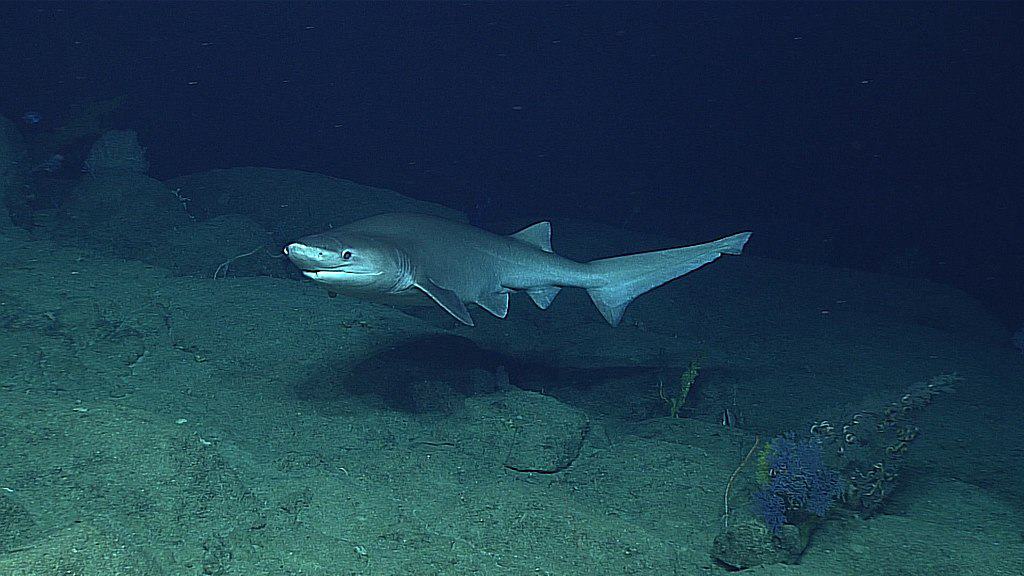
Tides have a direct influence on the type and amount of prey available to sharks in shallow waters. High tides can push schools of fish closer to shore, bringing their shark predators with them. Conversely, low tides might confine fish to certain areas, again leading sharks to follow their prey into shallower waters.
Impact of Climate Change on Shark Distribution

Climate change is altering oceanic conditions and could be a factor in the observed patterns of shark distribution. Rising sea temperatures and changing oceanic currents might push sharks into new areas, including shallower waters as they search for suitable habitats and sufficient food sources.
Behavioral Adaptations to Coastal Dynamics

Sharks are intelligent creatures capable of behavioral adaptations. They can adjust their patterns based on environmental changes, including changes in water salinity, temperature, and human activity. This adaptability often leads them closer to shore as they explore and learn new areas to hunt.
Species Specificity: Inhabitants of the Surf Zone

Not all sharks prefer deep water. Species such as the lemon shark, blacktip shark, or hammerhead species are typically more common in shallower coastal environments. Understanding the specific preferences and adaptations of each species can help clarify why some are more present in these zones.
Understanding Shark Safety for Humans

While shark sightings in shallow waters can be unnerving, it is crucial to remember that sharks do not set out to harm humans. Understanding their behavior and the reasons for their coastal visits can diminish fear and promote coexistence. Simple precautions and heightened awareness can ensure safer interactions between humans and sharks when sharing these environments.
Conclusion: Sharks and the Shoreline – An Intricate Relationship

Sharks in shallow waters are not as anomalous as one might think. Their presence is influenced by a myriad of factors ranging from biological needs to environmental conditions. Recognizing these elements fosters a deeper understanding and appreciation for these magnificent creatures and the oceanic ecosystems they help sustain. As we learn more about their behavior and adapt our coastal activities, we can foster a peaceful coexistence with sharks, respecting their role in maintaining the balance of marine life.

From exploring the marine wonders in the Azores and witnessing the vast savannas of Kenya, to delving deep into the rich biodiversity of South Africa and traversing iconic landscapes in Australia and the US like Yellowstone, Chris's experiences are vast.
With a penchant for diving alongside sharks, the ocean holds a special place in his heart.
Through his academic insights, he champions wildlife conservation, striving with 'Animals Around The Globe' to cultivate a profound connection between humans and animals, enhancing our mutual appreciation.
Connect with him at Feedback@animalsaroundtheglobe.com.
- Why Spiders Don’t Get Stuck in Their Own Webs - July 20, 2026
- What Scientists Found in a 10,000-Year-Old Beehive - July 20, 2026
- This Spider Builds Fake Decoys of Itself - July 20, 2026