


Meteor showers are one of the most mesmerizing astronomical events that grace our skies. These celestial shows, where streaks of light dash across the dark canvas of the night, are both captivating and enlightening. Each meteor shower originates from debris left behind by comets and asteroids, turning an otherwise quiet night into a spectacle of fiery trails. Here’s a guide to 11 meteor showers you definitely don’t want to miss this year.
11. The Quadrantids: Ringing in the New Year
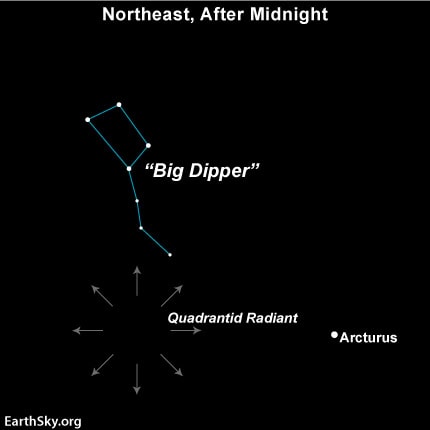
The Quadrantids meteor shower promises a stunning performance early in the year. Peaking in early January, this shower can showcase up to 120 meteors per hour under optimal conditions. Though the peak is brief, lasting only a few hours, the Quadrantids are known for their bright fireball meteors, making it worth braving the cold winter nights for a glimpse.
10. The Lyrids: April’s Celestial Dance
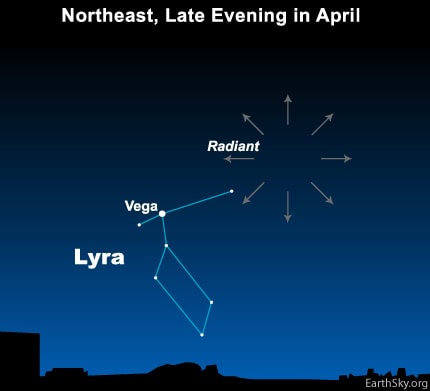
As spring takes hold, the Lyrids arrive, lighting up the sky with their historical brilliance. Typically peaking around April 22nd, the Lyrids surprise with their unpredictability, occasionally raising their average count of 10–20 meteors per hour to impressive bursts. This ensures that no two Lyrid displays are quite the same.
9. The Eta Aquariids: A Reflection of Halley’s Comet
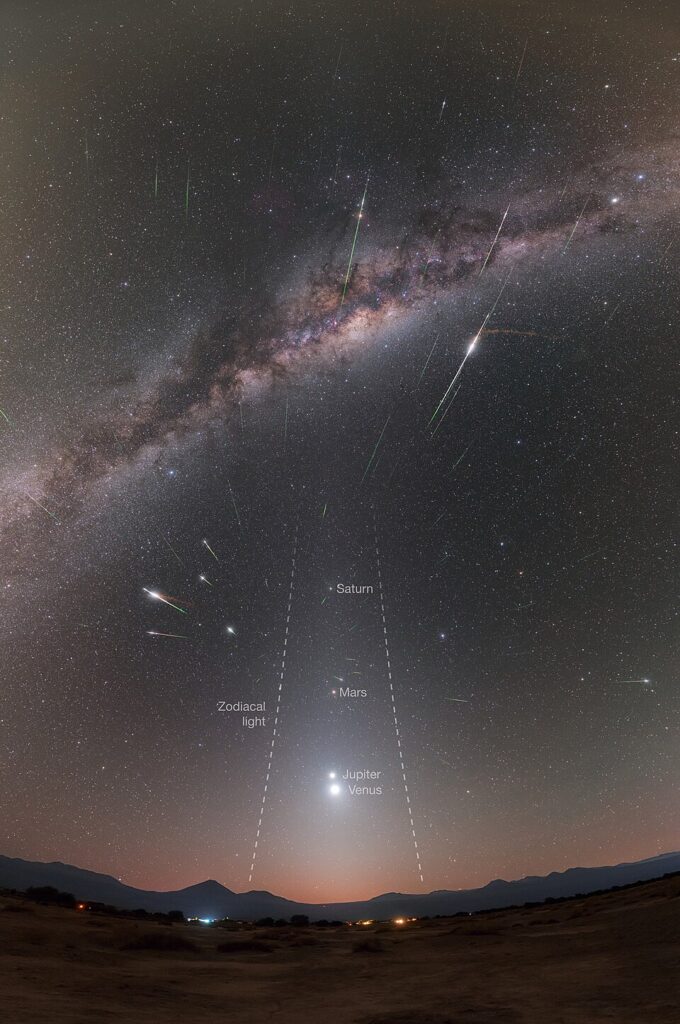
Originating from Halley’s Comet, the Eta Aquariids grace early May with their presence. Known for swift and long-lasting meteors, they cling to the skies of the southern hemisphere with quantities approaching 60 meteors per hour at their peak. This display is ideal for late-night stargazing sessions.
8. The Delta Aquariids: The Summertime Meteor Spectacle
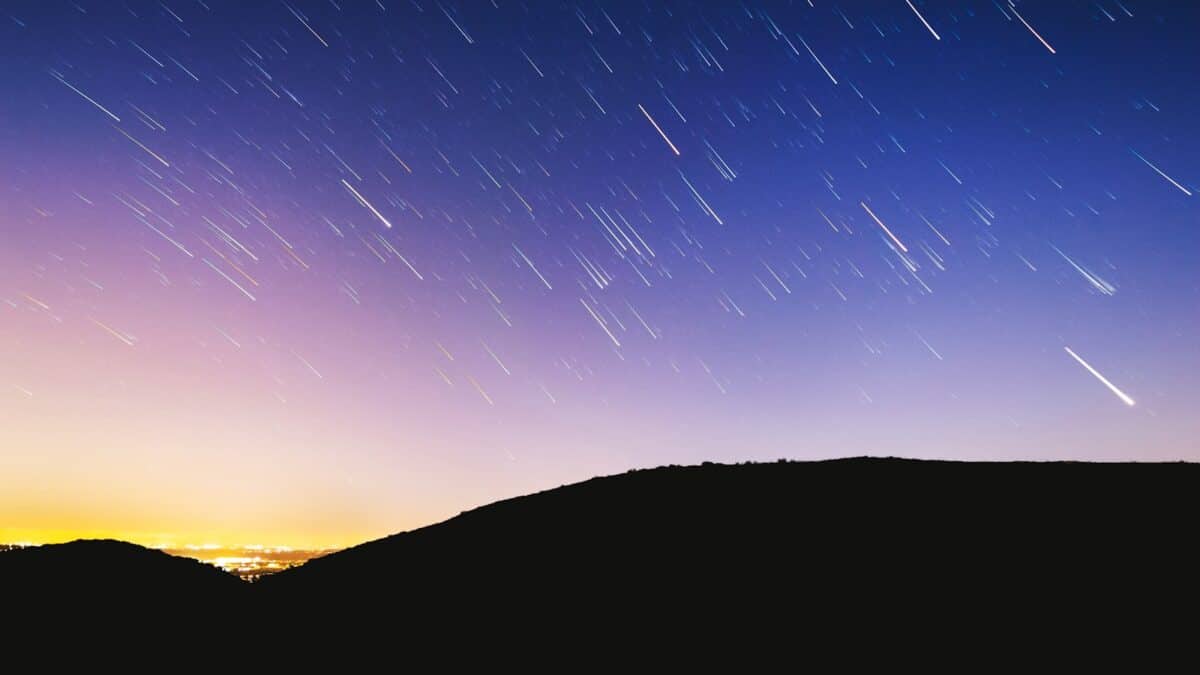
The Delta Aquariids provide a subtle, lengthy show from late July to mid-August. Best viewed from the southern hemisphere, with rates around 20 meteors per hour, they offer gentle preludes to August’s dramatic Perseids. Their dependable steadiness makes them a reliable choice for meteor enthusiasts.
7. The Perseids: August’s Grand Show
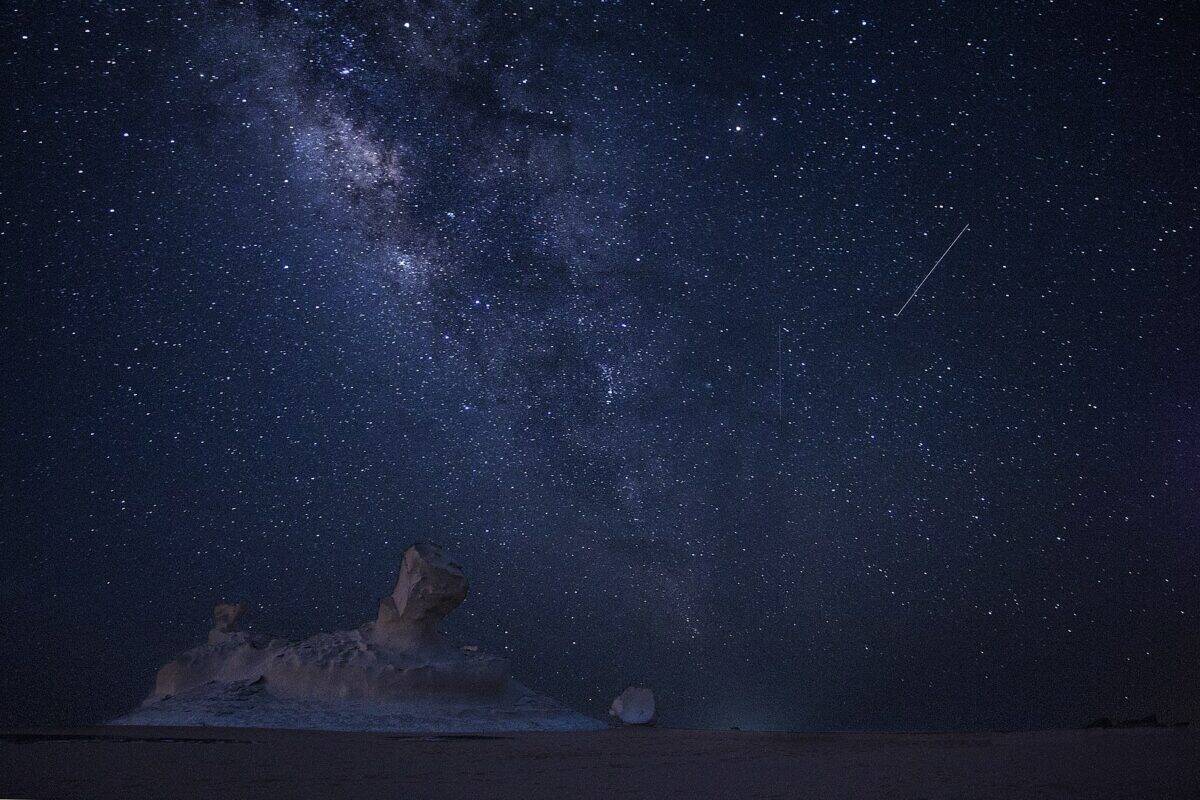
Arguably the most popular meteor shower, the Perseids offer a stunning sky event around mid-August. Producing vivid trails and celestial pyrotechnics, they are visible from nearly everywhere on Earth. Under clear skies, observers can expect a dazzling 100 meteors per hour during peak periods, offering an enchanting skyward display.
6. The Draconids: October’s Brief Encounter

Unlike most meteor showers, the Draconids are best viewed in the early evening. Though typically yielding modest meteor rates, the Draconids have been known for dramatic outbursts, where hundreds to thousands of meteors streak across the sky, leaving spectators in awe.
5. The Orionids: Swift and Spectacular
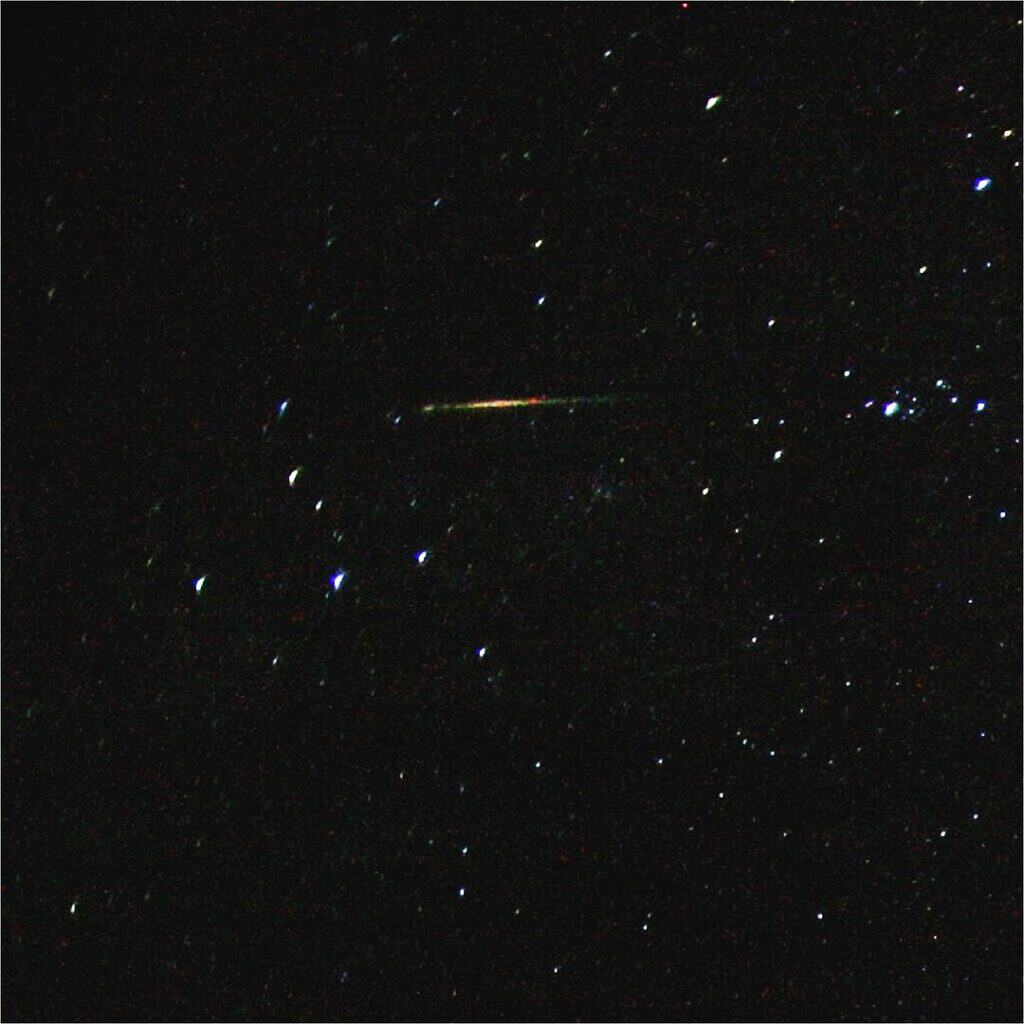
Another offspring of Halley’s Comet, the Orionids light up the mid-October sky with fast-moving and bright meteors. Peaking around October 21st, this shower showcases approximately 20 meteors per hour. Their swift motions and striking trails make them a thrilling spectacle for those enjoying the crisp autumn air.
4. The Taurids: Slow but Bright
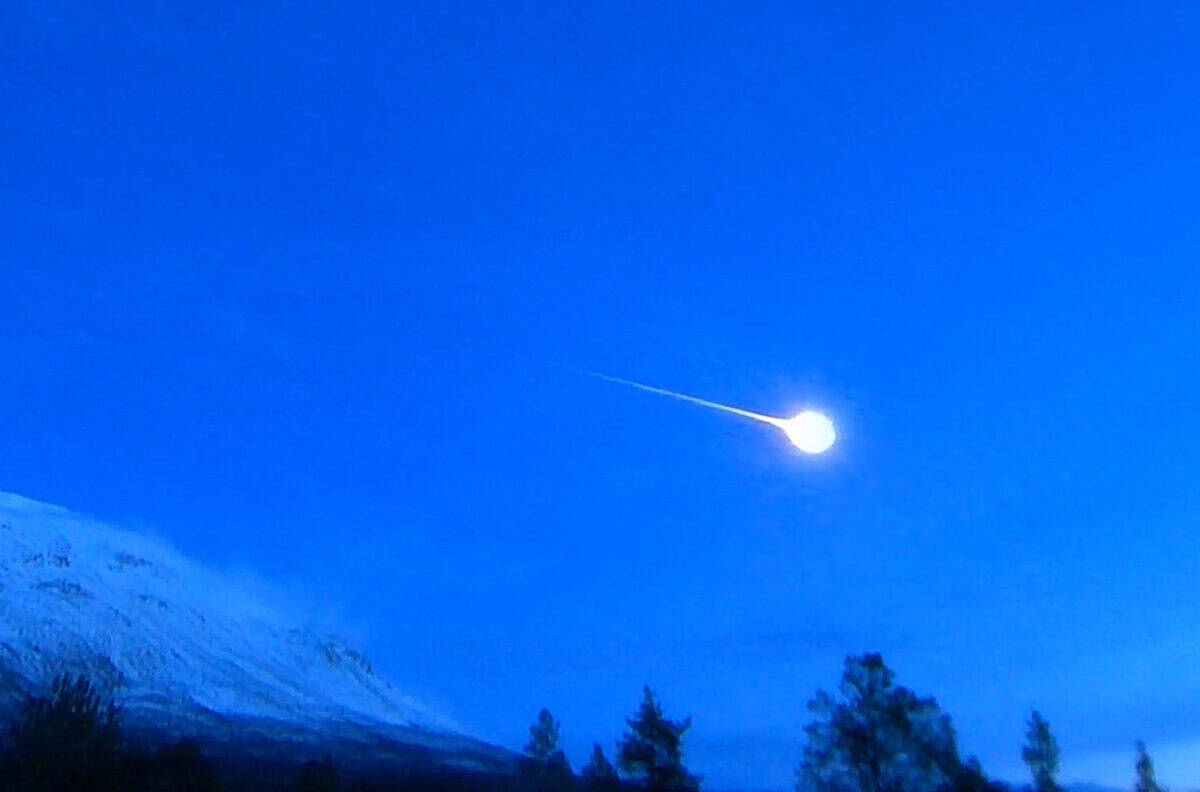
Occurring in late October to early November, the Taurids may not produce torrents of meteors, but they compensate with slow, bright fireballs. Observers can enjoy extended, leisurely viewing experiences, with each fireball painting the sky with luminous pathways.
3. The Leonids: History’s Meteor Storms
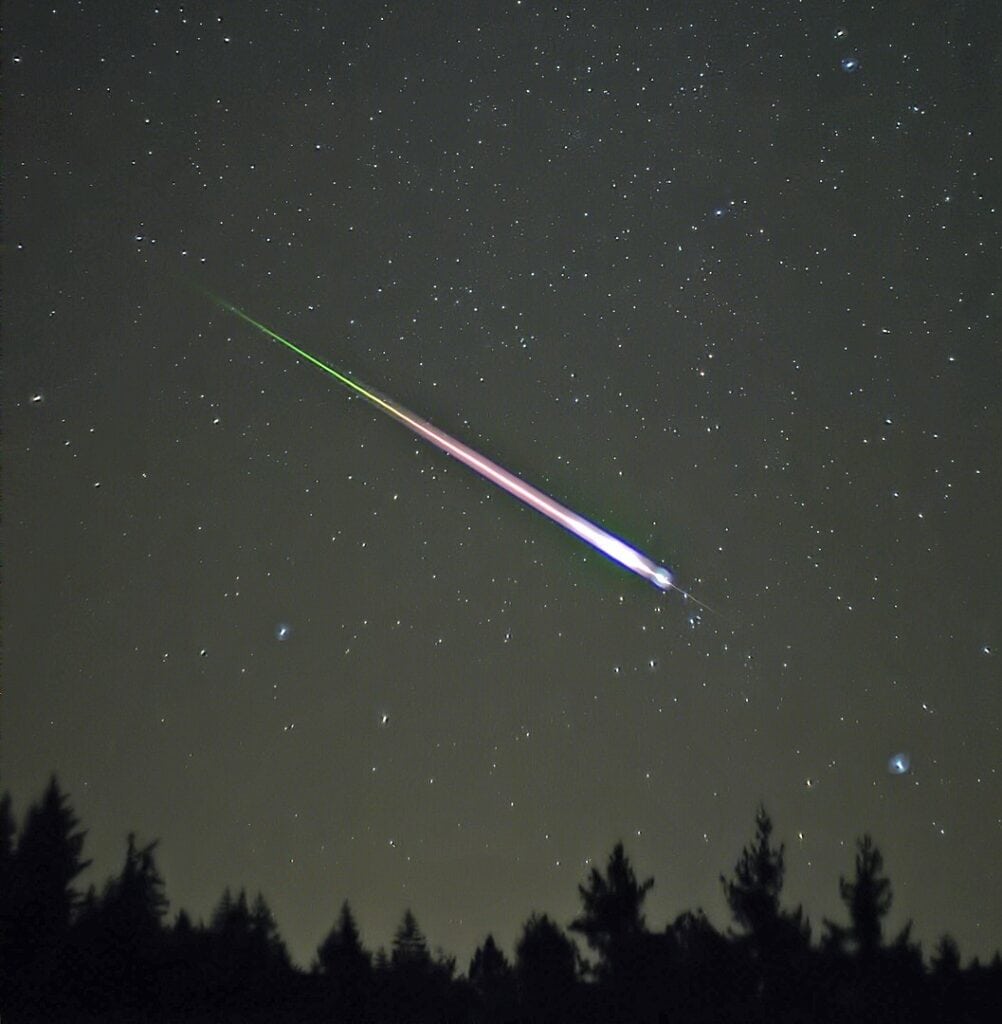
The Leonids, visible in mid-November, have a legacy of delivering meteor storms that etch their place in history. With their parent body, Comet Tempel-Tuttle, making periodic returns approximately every 33 years, watchers sometimes find themselves amidst thousands of meteors per hour, offering rich moments of historical and celestial significance.
2. The Geminids: December’s Starry Bouquet
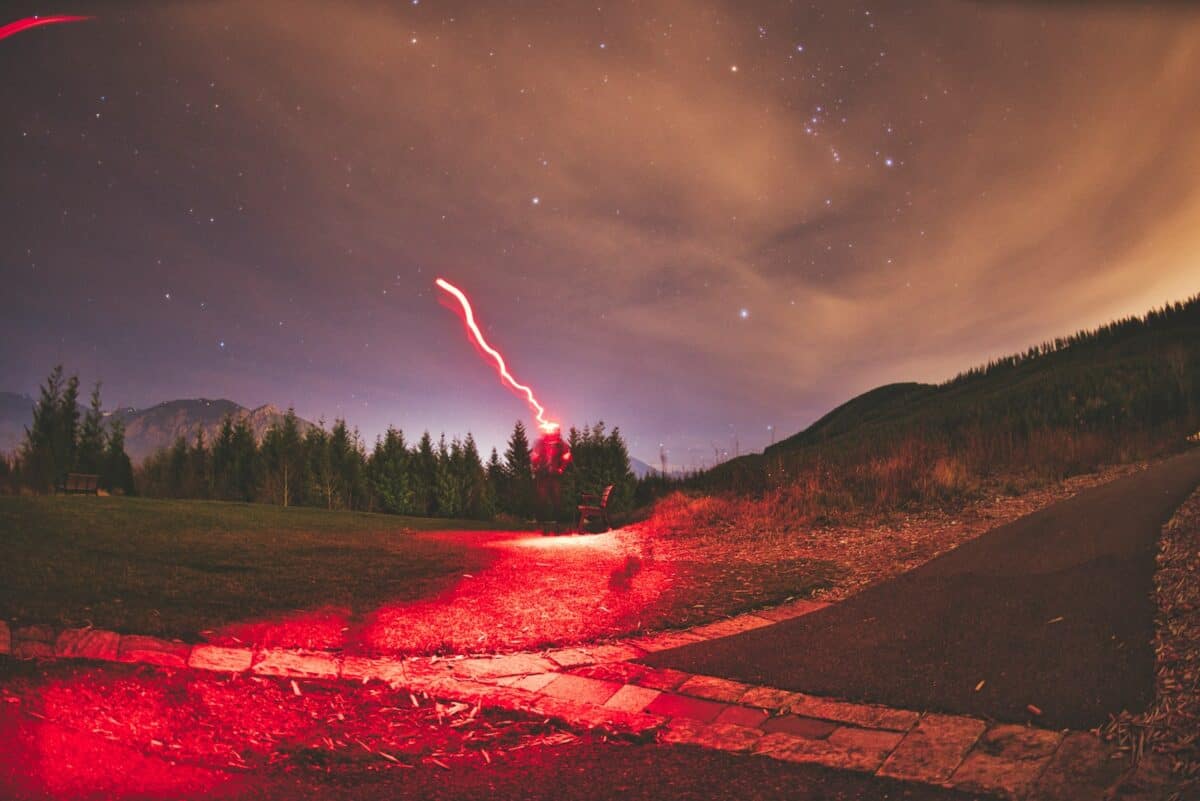
As the year draws to a close, the Geminids provide one of the brightest and most consistent meteor showers. Peaking mid-December, Geminids are unique, originating not from a comet like most meteor showers, but from the asteroid 3200 Phaethon. With up to 120 meteors per hour, they offer a prolific, colorful display for holiday-night sky gazers.
1. The Ursids: A Yuletide Sky Gift
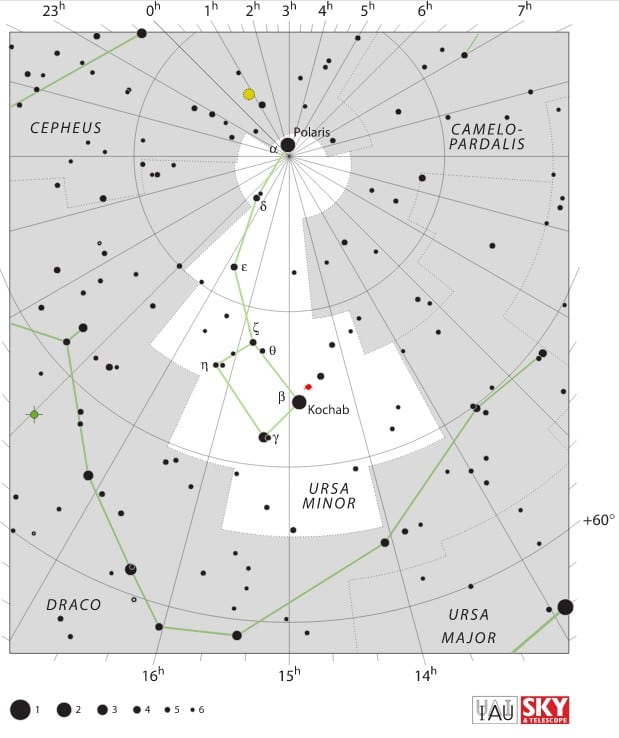
The lesser-known Ursids coincide harmoniously with the holiday season, providing a modest display around December 22nd. With its parent comet 8P/Tuttle, it offers around 5–10 meteors per hour, making for a quiet, but charming celestial event to round out one’s year of meteor watching.
Meteor showers throughout the year serve as reminders of the universe’s ever-engaging ballet of celestial phenomena. Whether you’re a seasoned stargazer or a curious newcomer, each meteor shower presents a unique opportunity to connect with the vastness of space. As you mark your calendars for these spectacular events, prepare for a year filled with moments of awe and wonder under the starry vault of the heavens. Happy meteor gazing!

- How Crickets Chirp Using Their Wings - July 20, 2026
- The Largest Sea Turtle Ever Rescued Off North Carolina - July 20, 2026
- The Ocean’s Escape Artist: Why Octopuses Outsmart Us All - July 20, 2026