


Every angler dreams of reeling in a trophy fish, a jackpot that validates the long hours spent casting lines into the water. Among these dreams, catching the largest trout in U.S. lakes stands out as a legendary conquest. Trout, known for their striking colors and formidable fight, are a favorite among fishing enthusiasts. This article explores the mesmerizing world of the largest trout ever caught in American waters. Along the way, we’ll delve into various aspects of these magnificent creatures, from their biology and habitats to record-breaking catches and tips for aspiring anglers.
Trout: A Fascinating Freshwater Species
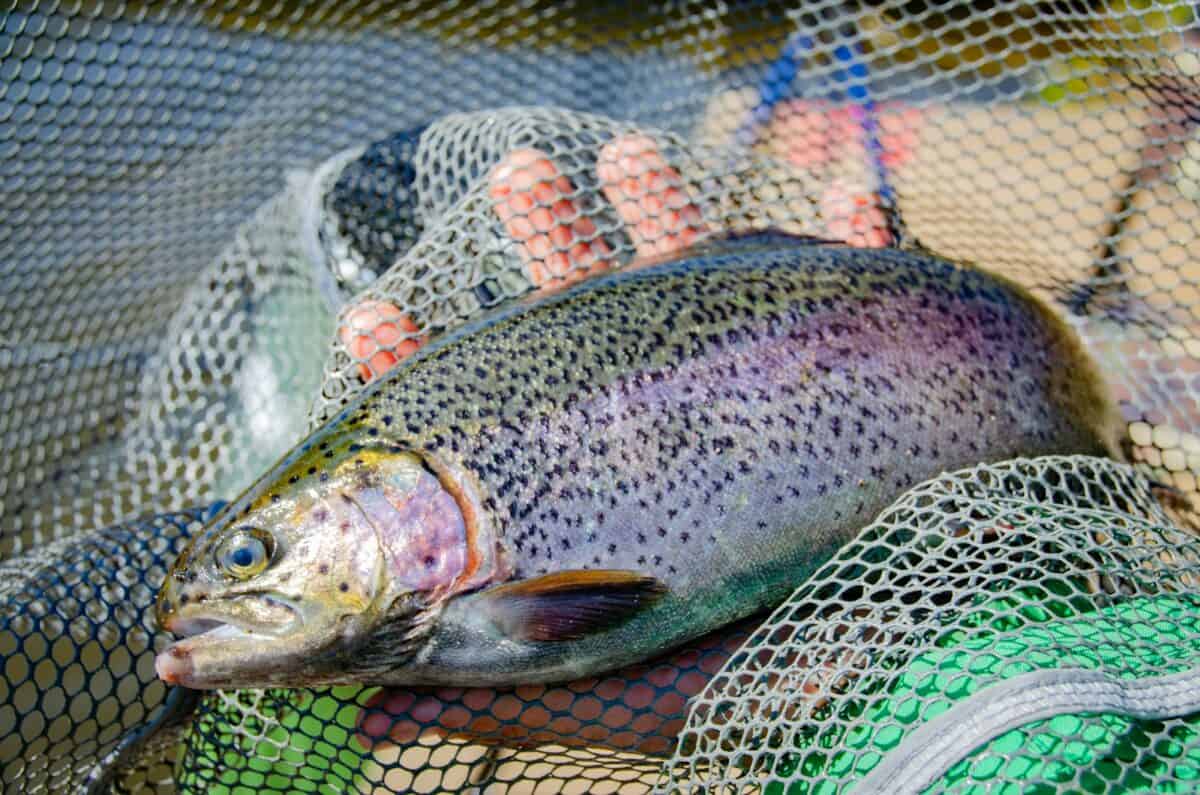
Trout are part of the Salmonidae family and are found in freshwater lakes and rivers across the United States. Characterized by their vibrant colors and challenging catch personalities, trout are a prized target for many anglers. There are several species of trout, including rainbow, brown, and lake trout, each with unique behavioral traits and preferred habitats.
The Significance of Trout in Angling Culture
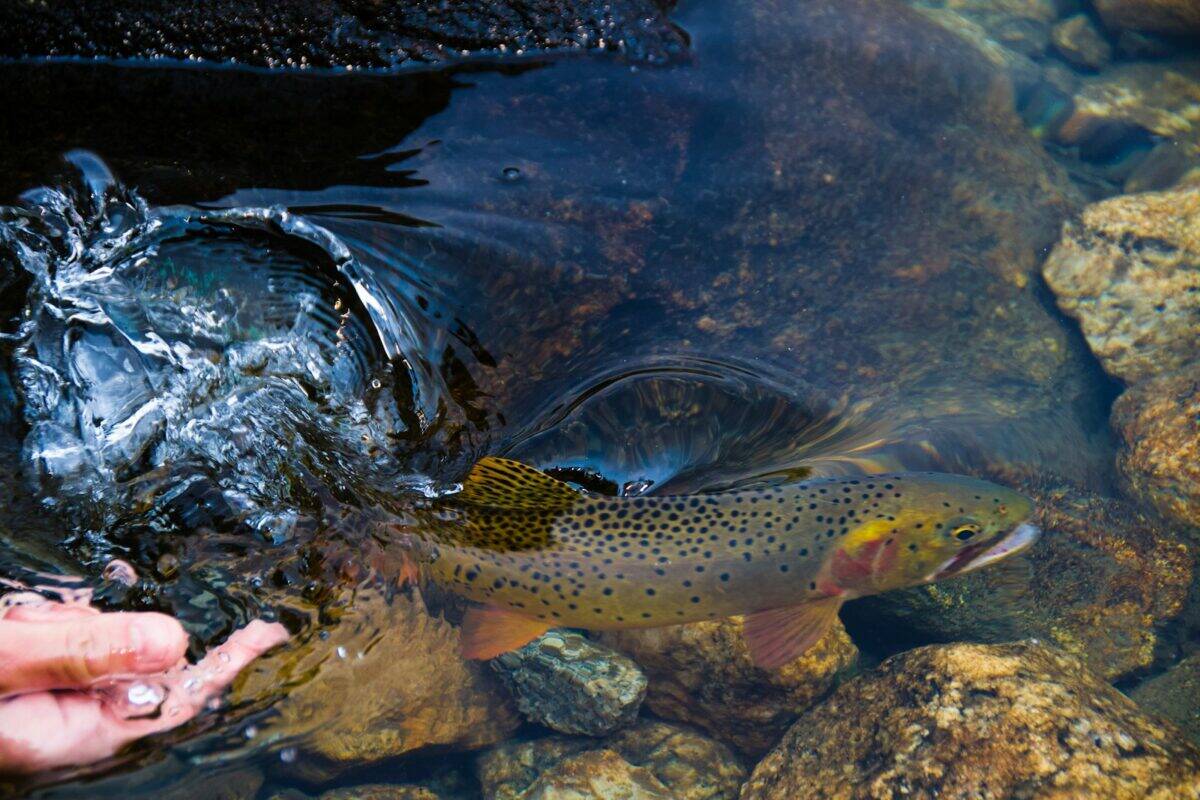
Trout hold a special place in angling culture due to their elusive nature and challenging fight. Their reputation for being cunning and strong swimmers makes catching a large trout a notable achievement. Anglers often measure their experiences by the size and fight of the trout they’ve caught, making sizeable specimens synonymous with fishing legends.
Record-Breaking Catches that Made History
Throughout U.S. history, several record-breaking trout have been caught, each deserving a place in the annals of fishing archives. The largest recorded catch was a colossal lake trout caught by Lloyd Bull in 1949 at Lake Athabasca, weighing a staggering 102 pounds. Though this lake is in Canada, its sheer size has inspired U.S. anglers. The largest U.S.-caught lake trout was from Lake Superior, weighing in at 72 pounds and setting a significant benchmark for other fishermen.
The Ecology of Trout: Understanding Their Habitats
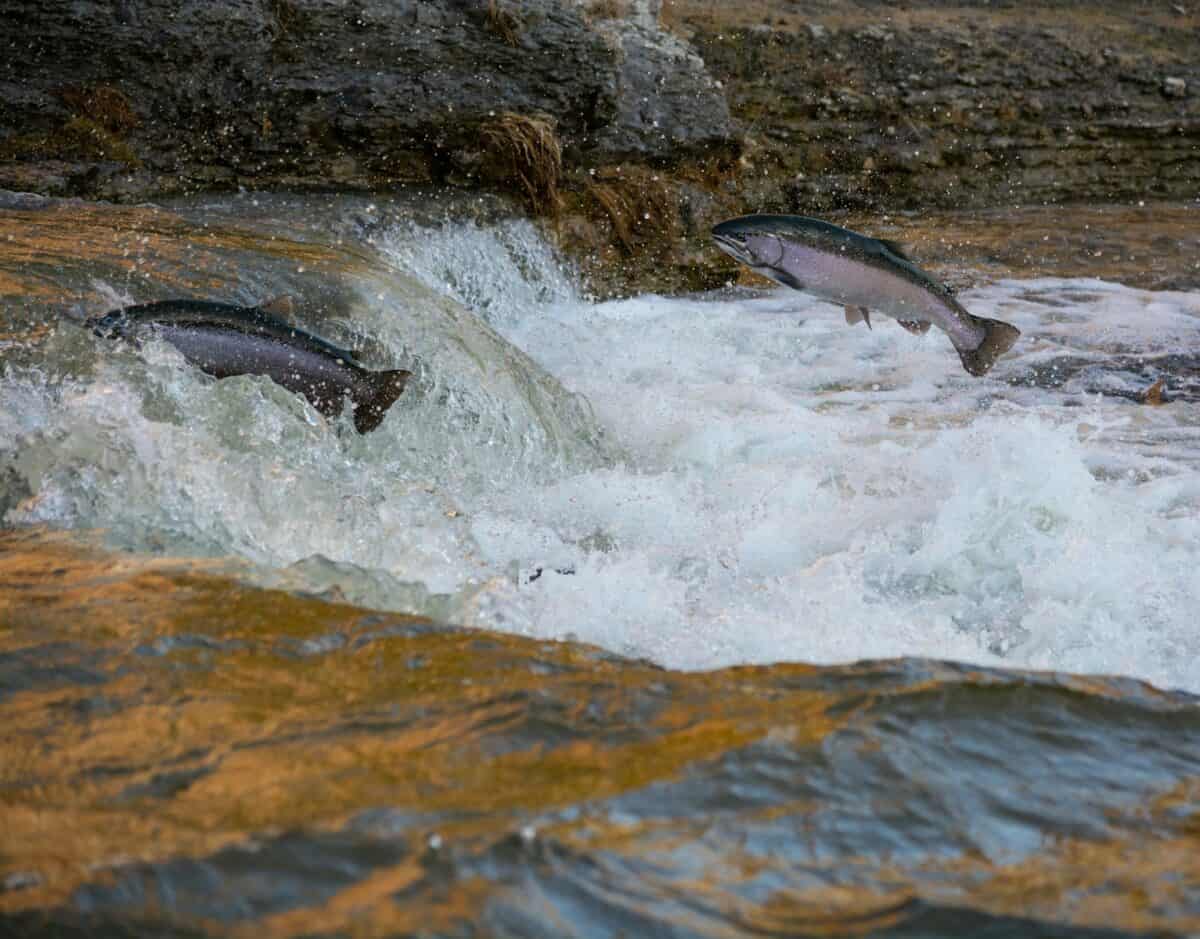
Trout are primarily found in cold, clear freshwater environments such as rivers, streams, and large lakes. They thrive in temperatures ranging from 50 to 60 degrees Fahrenheit. Oxygen-rich and clean water is crucial for their survival, as pollution can have detrimental effects on their life cycle. Each species of trout has specific habitat preferences that dictate their feeding and spawning behaviors.
Diet and Feeding Habits of Trout
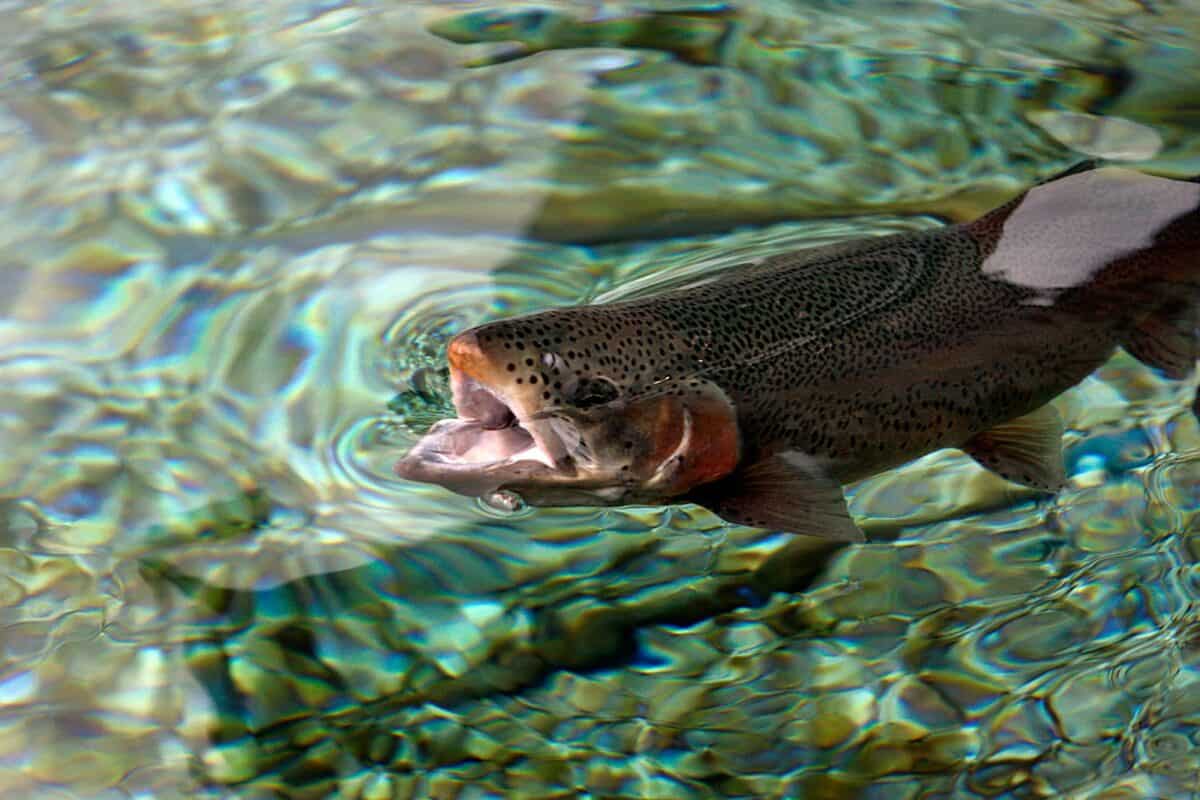
Trout are opportunistic feeders, with diets composed mainly of aquatic insects, small fish, crustaceans, and occasionally terrestrial insects. Their feeding habits vary depending on the water temperature, time of year, and availability of food sources. Understanding these habits can significantly enhance an angler’s success in catching them.
Lures and Techniques: How to Catch the Giants
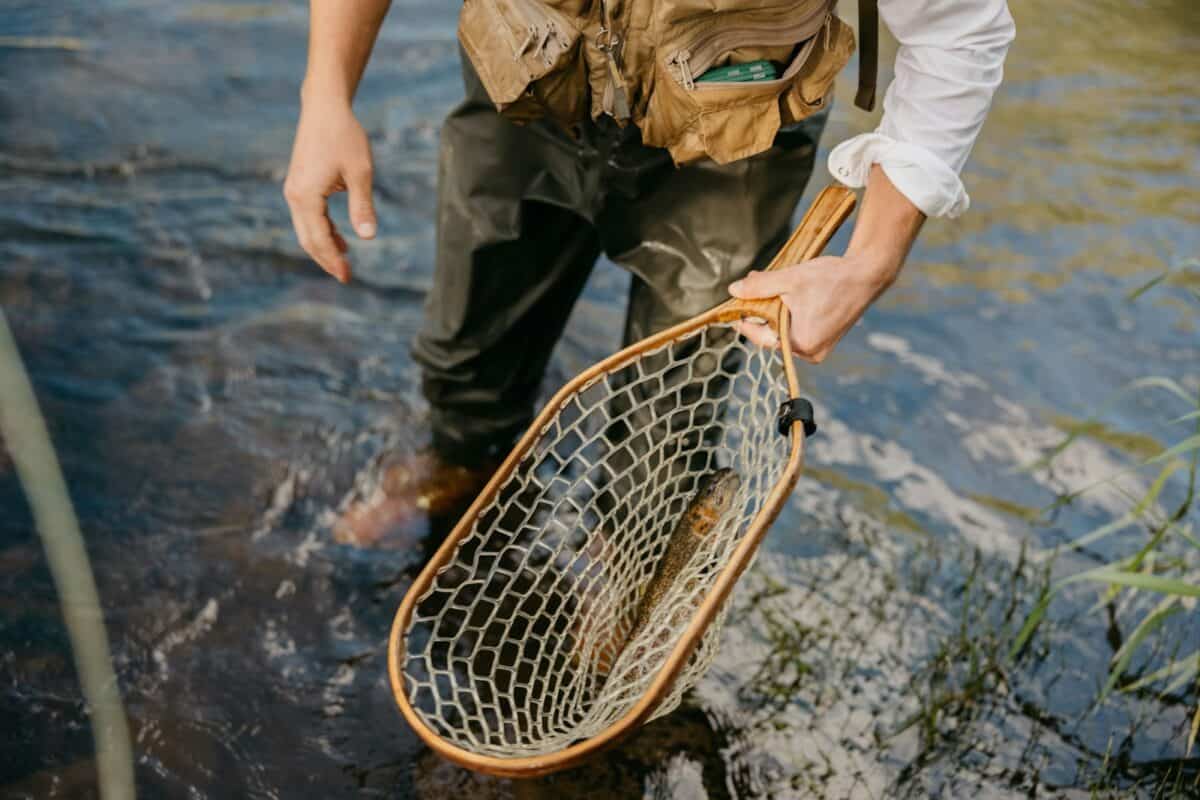
Catching large trout requires skill and patience, along with the right equipment and techniques. Anglers often use a combination of fly fishing, trolling, and spinning with specialized lures designed to mimic the trout’s natural prey. Experimenting with different types of bait, lures, and fishing techniques can increase the odds of a successful catch.
Notable Lakes for Trophy Trout Fishing in the U.S.

The United States boasts numerous lakes known for their trophy-sized trout. Lake Tahoe, Flaming Gorge Reservoir, and Lake Oahe are renowned for their large lake trout populations. Each of these locations offers unique fishing opportunities due to their size, depth, and varying ecosystems.
Conservation Efforts and Their Impact on Trout Populations

Conservation efforts play a crucial role in sustaining healthy trout populations in U.S. lakes. Measures such as catch-and-release programs, habitat restoration, and pollution reduction initiatives help maintain the balance of these ecosystems. Anglers are encouraged to practice sustainable fishing to ensure future generations can enjoy trout fishing.
Climate Change and Its Effects on Trout Habitats

Climate change poses a significant threat to trout habitats. Rising temperatures can alter water ecosystems, affecting trout spawning and food availability. Preserving these habitats requires a collaborative effort among environmental organizations, fisheries, and the angling community to mitigate climate change’s impact.
Tales from the Water: Stories of Legendary Catches
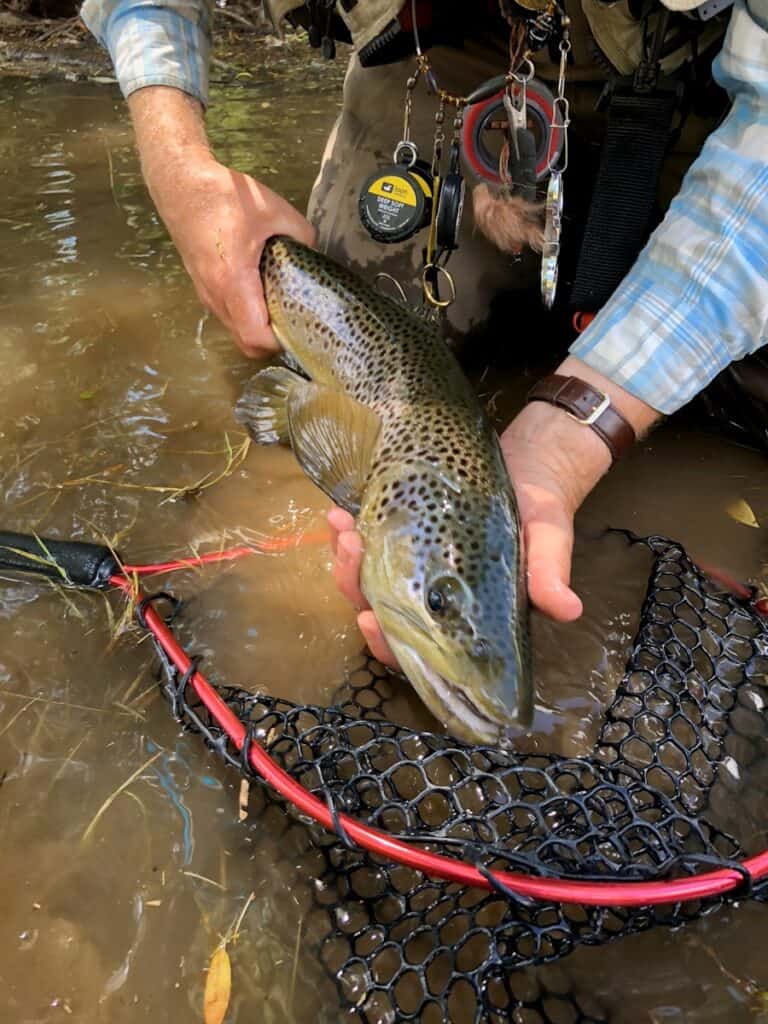
Anglers often recount thrilling stories from their fishing adventures, where luck, skill, and persistence led to legendary catches. These tales are more than just stories; they represent a deep connection with nature and the camaraderie shared among fishing enthusiasts.
Insights from Experienced Anglers
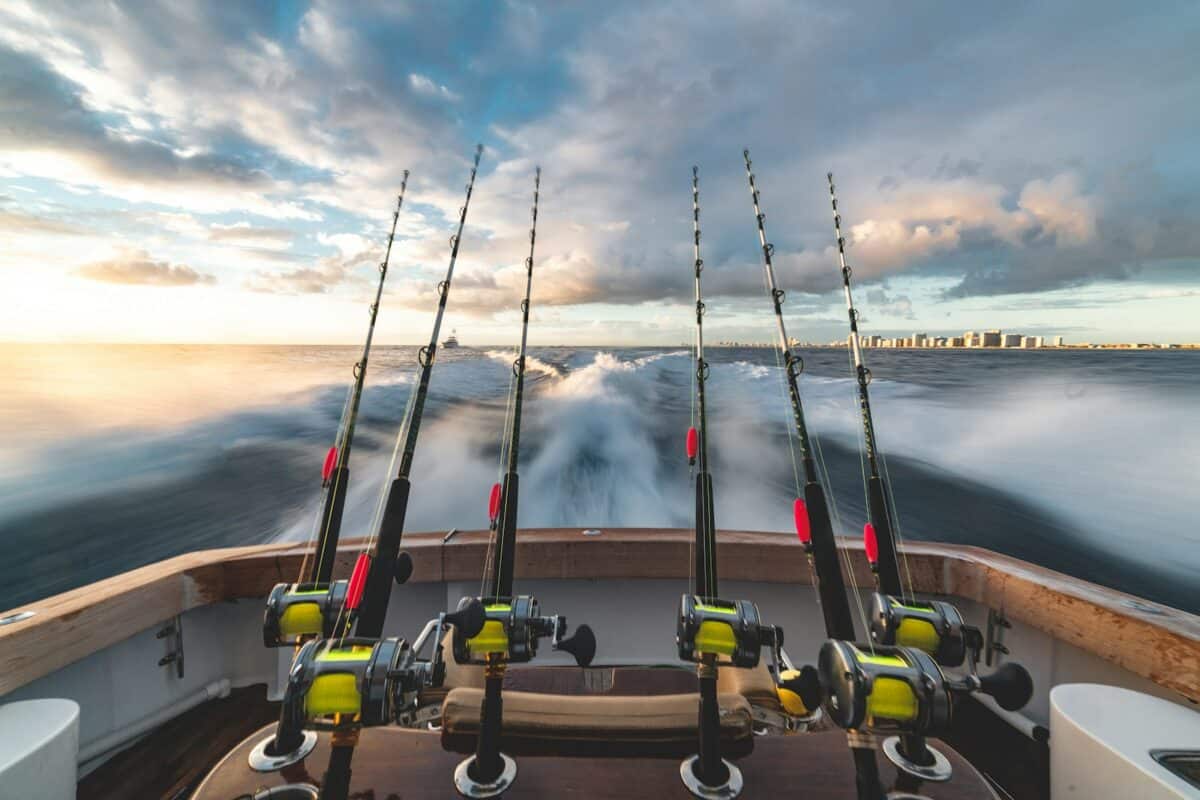
Veteran anglers provide invaluable insights into the world of trout fishing, sharing tips and personal experiences that can guide newcomers to the sport. From selecting the right equipment to mastering the patience needed for a big catch, seasoned anglers have much to teach about this rewarding pursuit.
The Future of Trophy Trout Fishing
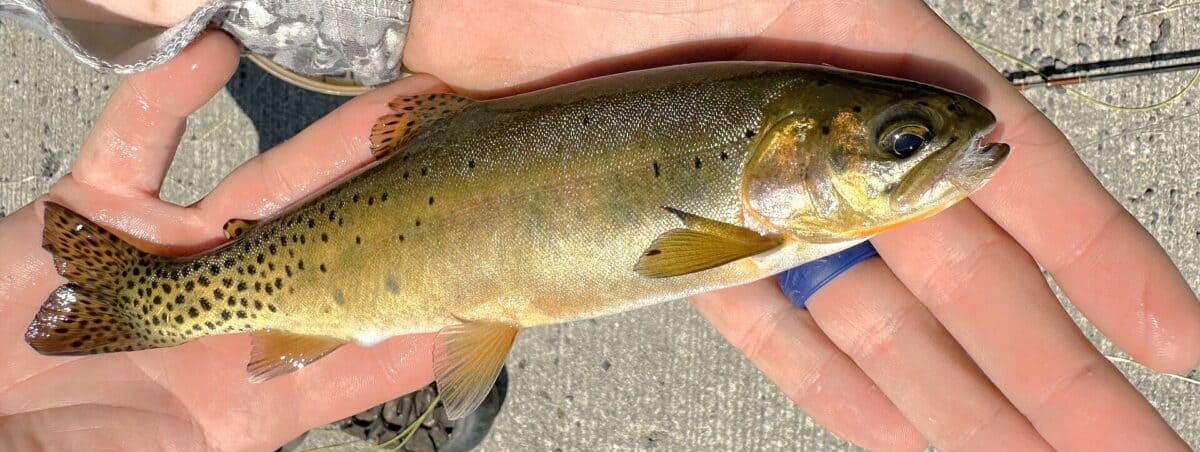
The future of trophy trout fishing relies heavily on conservation and sustainable practices. Balancing the thrill of fishing with ecological responsibility will ensure that future generations can experience the excitement and tradition of trophy trout fishing in U.S. lakes.
In conclusion, the allure of the largest trout ever pulled from U.S. lakes extends beyond the sport itself, inviting intrigue, respect, and a call for conservation. These magnificent fish captivate with their beauty and fighting spirit, offering anglers an enduring challenge. By understanding and protecting their habitats, we ensure that the thrill of landing a legendary trout remains a thrilling reality for generations to come.

- Cuddling for Warmth: How Meerkats Stay Cozy - July 18, 2026
- This U.S. Lake Is Mysteriously Disappearing—Here’s What Scientists Say - July 18, 2026
- This Jellyfish Hunts in Packs - July 18, 2026