


As climate change continues to reshape our world, both terrestrial and marine life are responding in profound ways. Among these changes is the noteworthy migration of certain fish species moving north in record numbers. This northward shift raises questions about its implications for marine ecosystems, fishing industries, and food security. In this article, we delve into the reasons behind this intriguing migratory behavior and what it means for the future of our oceans.
Climate Change: The Underlying Catalyst

One of the primary drivers of this northern migration is climate change, which is causing ocean temperatures to rise. Fish are highly sensitive to temperature fluctuations since these changes can affect their metabolism, reproduction, and overall habitat suitability. As areas closer to the equator become too warm for certain species, these fish are migrating to cooler, more temperate waters found further north.
The Role of Ocean Currents

Ocean currents play a crucial role in this migratory pattern. As temperatures rise, currents can shift, altering the distribution of plankton and other microorganisms that fish feed on. These changes force fish to follow their food sources, contributing to their movement towards northern waters where conditions remain favorable for feeding and growth.
Changes in Habitat Suitability

Fish often move to new areas searching for suitable habitats that support their life cycle. Rising temperatures can lead to habitat degradation in their traditional ranges, compelling fish to seek out more favorable conditions. This northward migration offers a lifeline for many species, providing access to the resources they need to thrive.
A Shift in Prey-Predator Dynamics
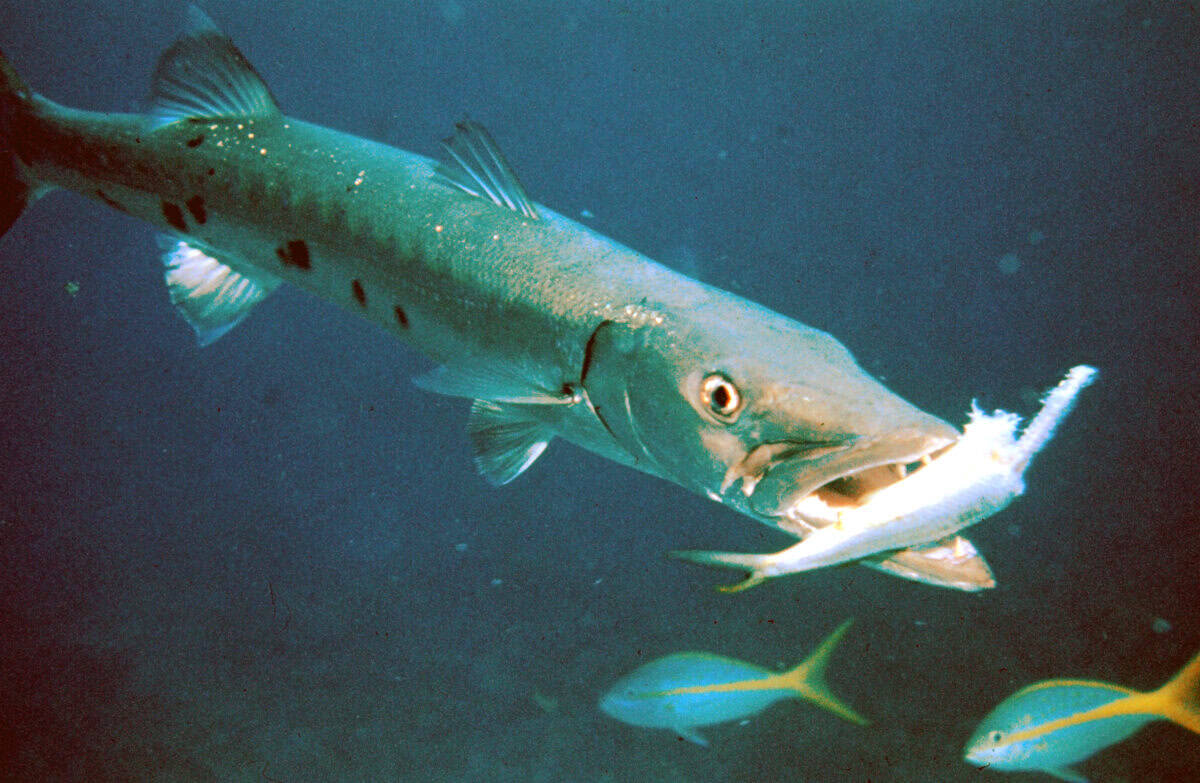
As fish move into new waters, they encounter different prey and predator relationships. In some cases, this migration may lead to an abundant prey base and reduced predator threats, enticing species to move into these new, safer waters. Adapting to these changes is essential for survival and can influence migratory paths.
The Impact on Local Ecosystems

The influx of new species in northern waters can have significant impacts on local ecosystems. Incoming fish may compete with native species for food and other resources, potentially disrupting existing ecological balances. Additionally, they may introduce new diseases or parasites, further affecting the health of native populations.
Implications for the Fishing Industry
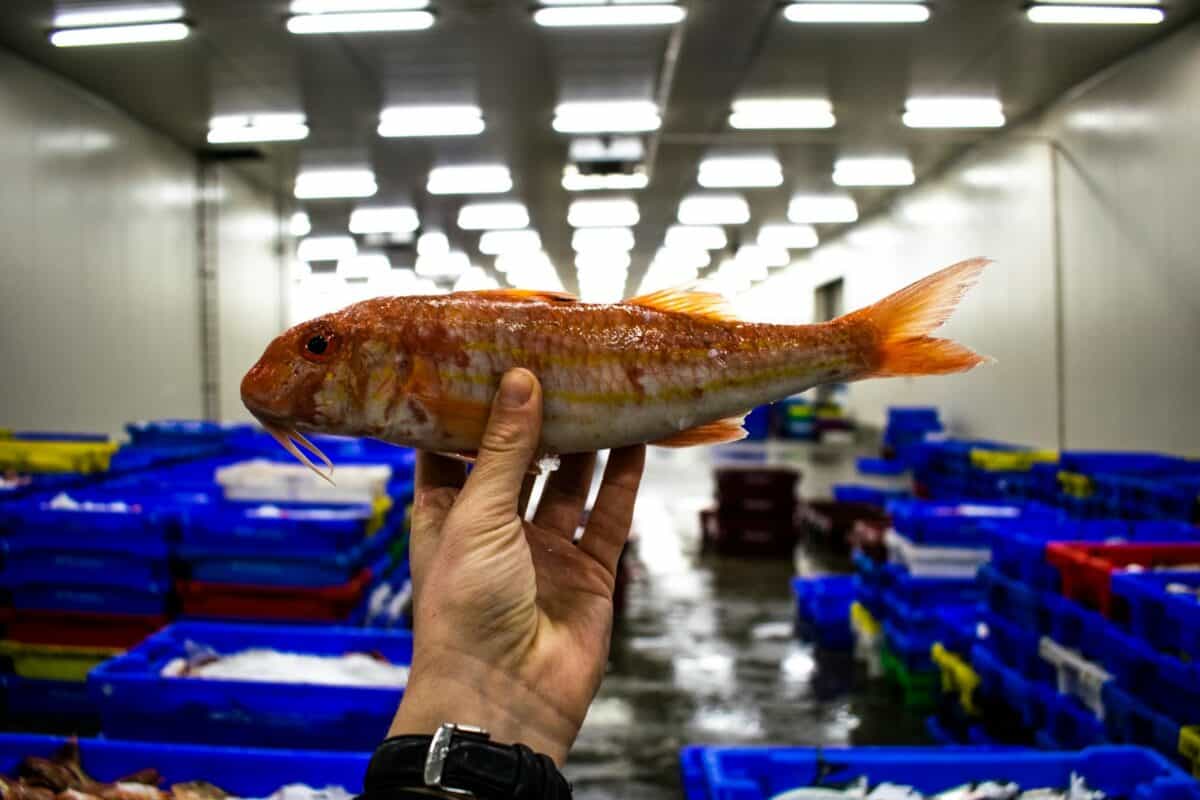
The northward migration of fish can have profound economic implications for the fishing industry. Areas that were once abundant fishing grounds may experience declines as fish move away. Conversely, regions further north may see a boom in fish populations, necessitating adjustments in fishing practices and management policies to ensure sustainable practices.
Adaptation Strategies for Fisheries

To adapt to these changes, the fishing industry needs to implement forward-thinking strategies. This includes diversifying targeted species, investing in recreational fishing tourism, and aligning with sustainable fishing standards to ensure ongoing viability despite shifting fish populations.
The Role of Marine Protected Areas

Marine Protected Areas (MPAs) could become more critical as fish populations distribute unevenly. By establishing MPAs in newly populated northern regions, we can provide safe habitats for migrating species, ensuring their protection from overfishing and promoting biodiversity conservation.
Global Policies and Cooperation

Addressing these migratory shifts will require international cooperation and policy changes. Nations need to work together to establish regulations and agreements that consider the transboundary nature of fish populations and emphasize adaptive management techniques to safeguard marine resources.
Community Engagement and Awareness

Building community awareness and engagement is crucial for adapting to these changes. Educating local communities about the effects of climate change on marine life and encouraging responsible fishing practices can help mitigate the impacts of fish migration on livelihoods and ecosystems.
Research and Monitoring Efforts

Continuous research and monitoring are essential to understanding the dynamics of fish migration. By tracking these shifts, scientists can better predict future changes and assist policymakers and communities in taking proactive measures for conservation and sustainable management.
Our Role in Mitigating Climate Change

While the ecological shifts caused by fish migrating north highlight challenges, they also underscore the importance of addressing the root cause: climate change. Reducing greenhouse gas emissions and adopting sustainable lifestyles are vital steps in mitigating its impact on marine life.
In conclusion, the remarkable shift of fish migrating northward is a vivid reminder of our planet’s changing climate and the interconnectedness of ecosystems. These movements demand both attention and action, encouraging a global response to ensure the continued health of our oceans and the species that inhabit them. As we adapt and prepare for these changes, collaboration, education, and sustainable practices will be key to achieving a balanced future for both marine life and human communities.

- Cuddling for Warmth: How Meerkats Stay Cozy - July 18, 2026
- This U.S. Lake Is Mysteriously Disappearing—Here’s What Scientists Say - July 18, 2026
- This Jellyfish Hunts in Packs - July 18, 2026