


Weather is a dynamic force that shapes our world, influencing everything from our daily plans to the broader ecosystems. While most weather events are part of the natural ebb and flow of our planet’s climate, sometimes they take on a life of their own, grabbing headlines around the globe. This article explores 13 extraordinary weather events that captivated the world, providing a glimpse into nature’s incredible power and unpredictability.
13. The Great Blizzard of 1888

The Great Blizzard of 1888 hit the northeastern United States in March 1888, delivering one of the most devastating snowstorms in recorded history. Known as the “Great White Hurricane,” snowdrifts reached an astonishing 50 feet, and temperatures plummeted. Cities like New York and Boston were paralyzed, with transportation systems coming to a standstill. Over 400 people lost their lives, marking this blizzard as a somber moment in the annals of meteorological history.
12. The Tri-State Tornado of 1925
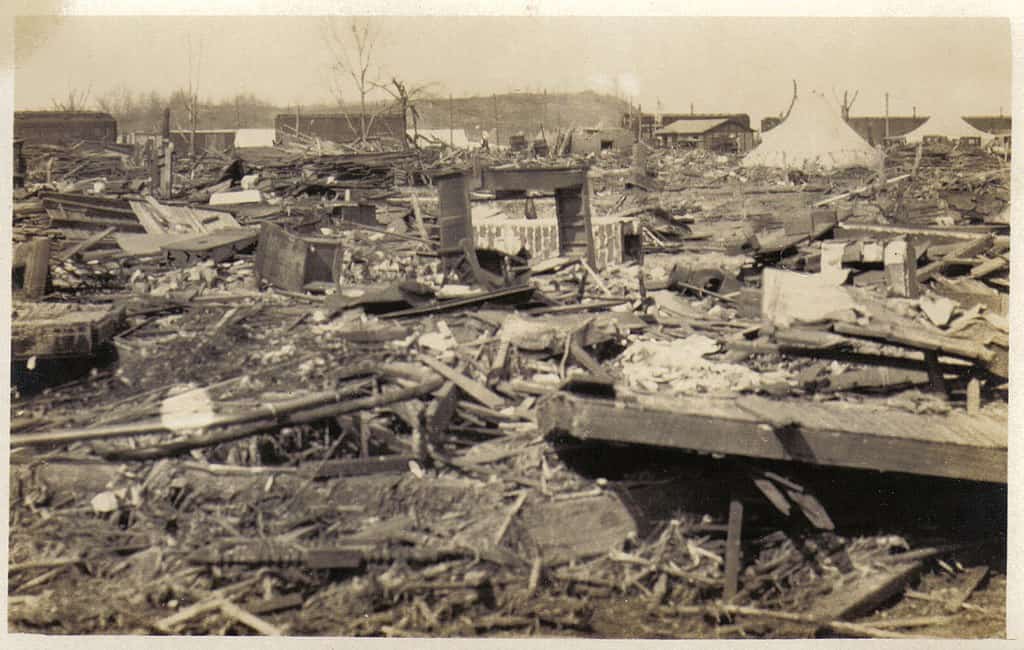
The Tri-State Tornado ripped through parts of Missouri, Illinois, and Indiana on March 18, 1925. This formidable tornado holds the record as the deadliest in U.S. history, claiming 695 lives and devastating entire towns. With an incredible path length of 219 miles, it remains unrivaled in its destructiveness, serving as a reminder of the raw power of tornadoes.
11. The Dust Bowl of the 1930s
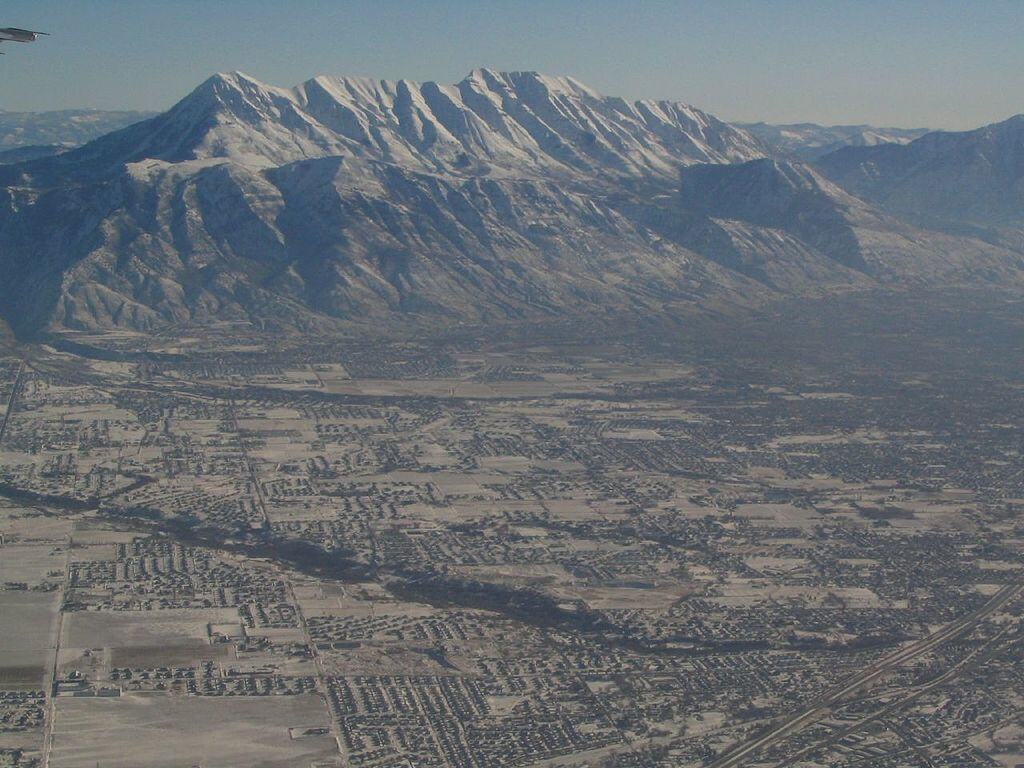
The Dust Bowl was not a single event but a decade-long series of dust storms that ravaged the Midwest during the 1930s. Prolonged drought and poor agricultural practices led to the topsoil being blown away, resulting in massive dust storms that darkened skies and suffocated crops. The Dust Bowl displaced hundreds of thousands of Americans, highlighting the interplay between environmental practices and natural weather phenomena.
10. The Texas City Disaster of 1947

A surprising inclusion in a list of weather events, the Texas City Disaster primarily involved a ship explosion but was heavily influenced by the weather conditions of the day. Warm, calm weather allowed smoke to linger, contributing to the fire that detonated the cargo of ammonium nitrate aboard the SS Grandcamp. The ensuing chain reaction of explosions was among the largest non-nuclear explosions in human history.
9. The Great Chinese Famine of 1959-1961

This famine was partly caused by a series of natural disasters, including massive flooding and drought, exacerbated by policy-driven agricultural failures. The combination of environmental and human factors led to one of the deadliest famines of the 20th century, resulting in the deaths of millions. It serves as a stark example of how weather can influence food security.
8. The Ash Wednesday Bushfires of 1983
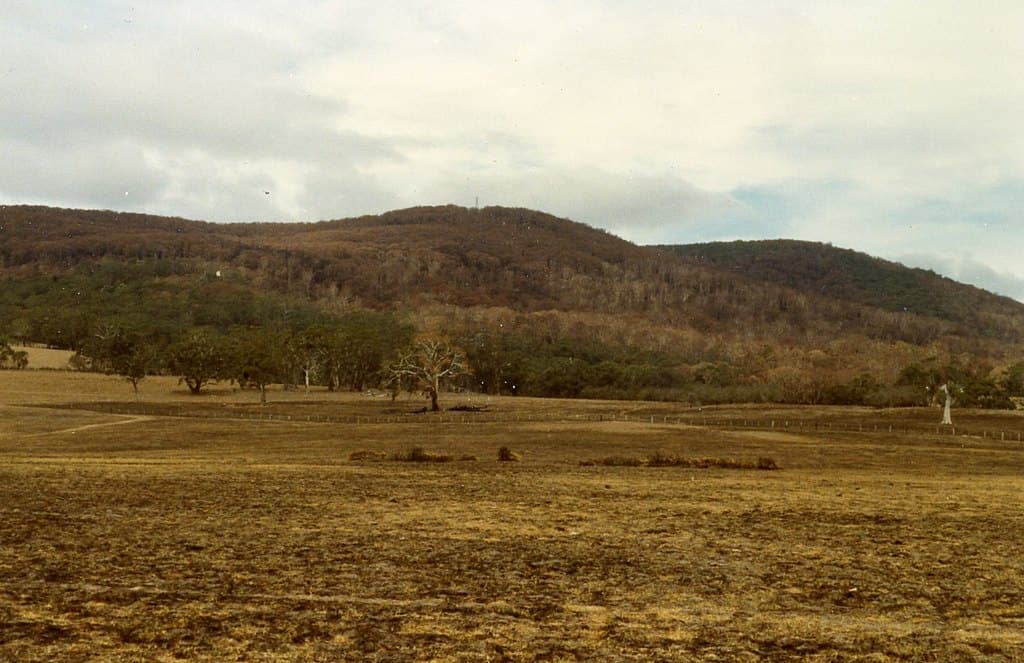
On February 16, 1983, devastating bushfires raged across South Australia and Victoria in what became known as the Ash Wednesday Bushfires. Fueled by extreme heat and strong winds, the fires claimed 75 lives and destroyed more than 3,700 buildings. The intensity and speed of the fires left a lasting impact, leading to significant changes in fire management policies in Australia.
7. Hurricane Katrina in 2005

Hurricane Katrina remains one of the most infamous weather events in recent history. Striking the Gulf Coast in August 2005, it reached Category 5 strength, causing catastrophic flooding and widespread destruction, particularly in New Orleans. With a death toll exceeding 1,800 and damages running into billions of dollars, Katrina exposed vulnerabilities in infrastructure and disaster response.
6. The European Heatwave of 2003
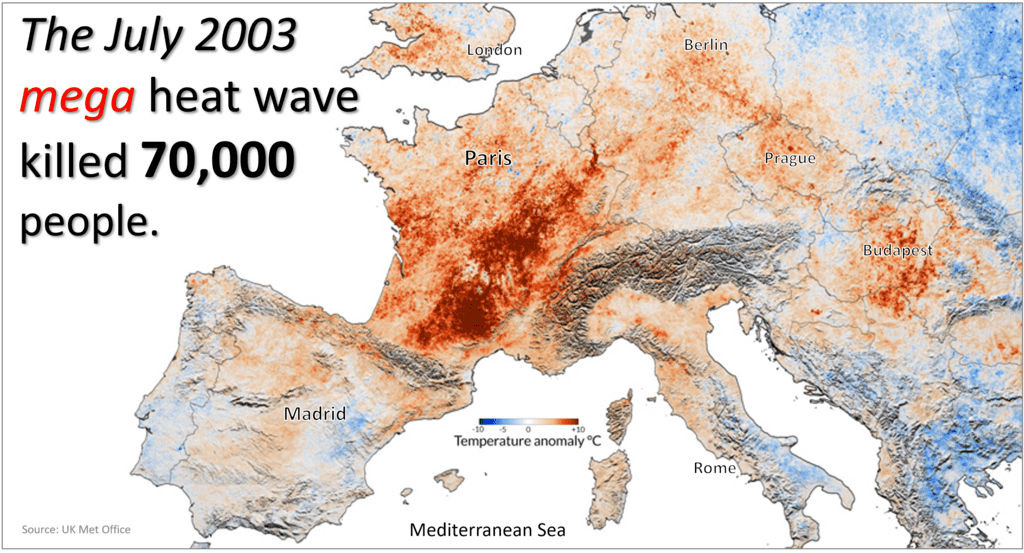
The European Heatwave of 2003 was one of the continent’s hottest summers, resulting in an estimated 70,000 excess deaths. Countries like France experienced temperatures exceeding 40°C (104°F), overwhelming healthcare systems and sparking wildfires. This event highlighted the potential impacts of climate change on health and infrastructure.
5. The 2010 Eyjafjallajökull Eruption
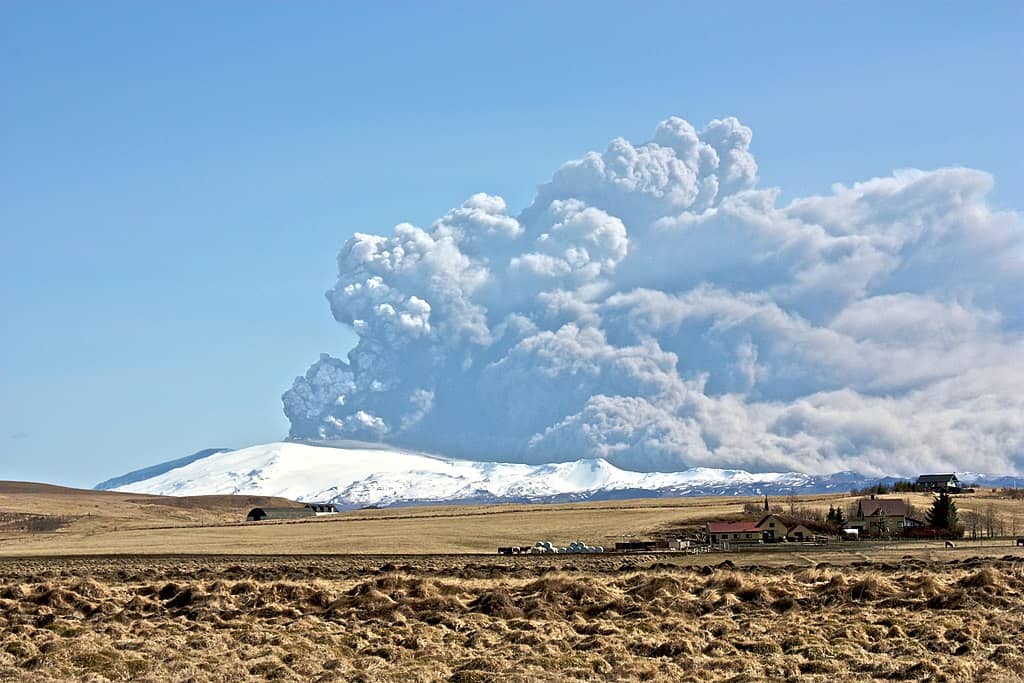
While not a weather event per se, the Eyjafjallajökull volcanic eruption in Iceland had profound weather-related impacts. The ash cloud that spewed into the atmosphere disrupted air traffic across Europe for weeks, affecting millions of travelers. The eruption demonstrated how geological events can intersect with atmospheric conditions to disrupt global systems.
4. Superstorm Sandy in 2012

In October 2012, Superstorm Sandy wreaked havoc along the Eastern Seaboard of the United States. Blending elements of a hurricane and a winter storm, Sandy caused widespread flooding, power outages, and damage to infrastructure, particularly in New York and New Jersey. It stands as a testament to the complex and unpredictable nature of hybrid weather events.
3. The 2015 Nepal Earthquake and Weather Incidents
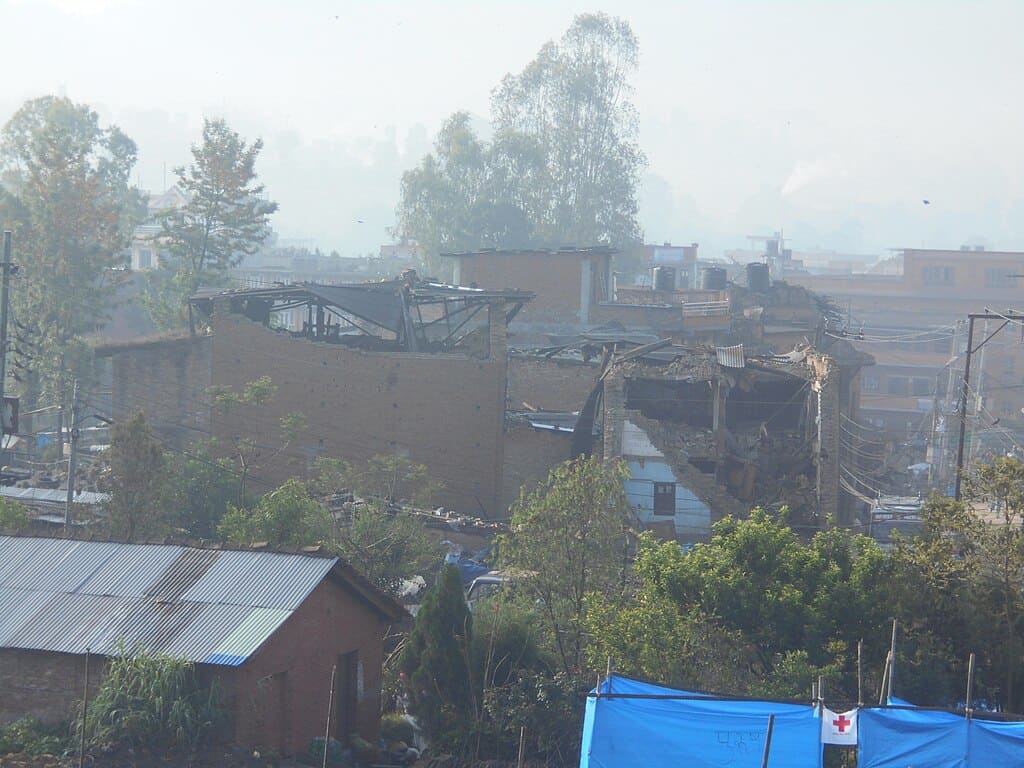
The 2015 Nepal earthquake triggered avalanches and landslides, significantly affecting the regional weather patterns. The scale of these secondary disasters was amplified by pre-existing weather conditions, leading to further displacement and hardship for the people of Nepal. This illustrates the interconnectedness of seismic and weather phenomena.
2. The Australian Bushfires of 2019-2020
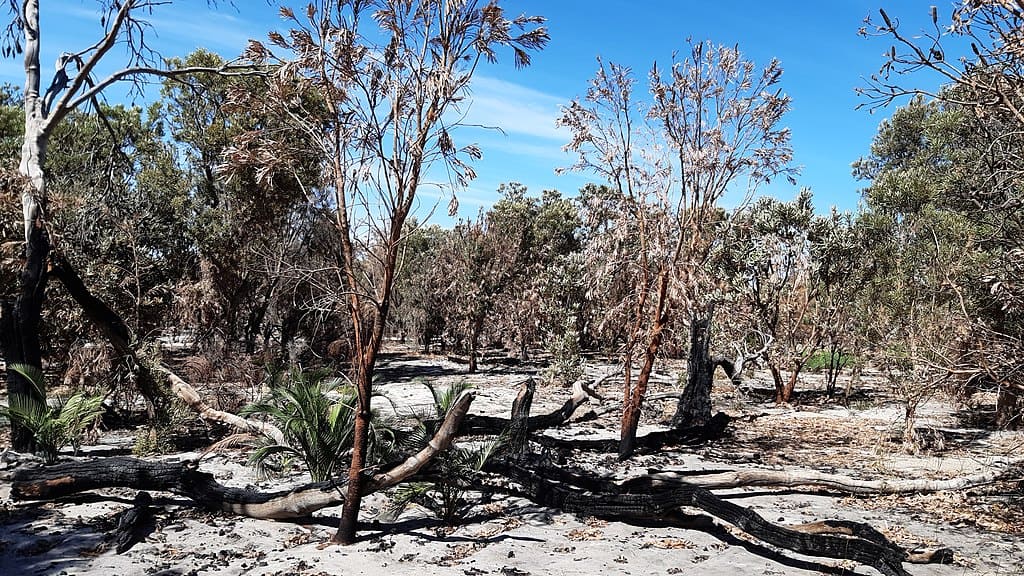
The catastrophic bushfires of 2019-2020 in Australia, known as “Black Summer,” were driven by extreme temperatures and prolonged drought. Millions of acres burned, devastating wildlife and communities alike. This disaster underscored the severe implications of climate change on weather patterns and the environment.
1. The Texas Winter Storm of 2021
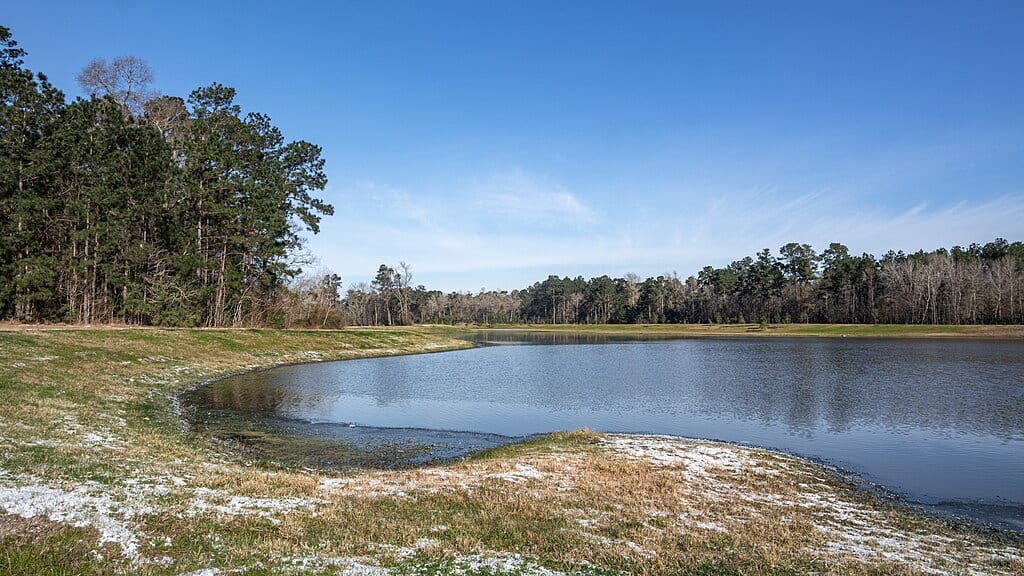
In February 2021, Texas experienced an unprecedented winter storm that led to widespread power outages and severe cold. Millions were left without heat or electricity, highlighting the vulnerabilities in infrastructure to rare and extreme weather phenomena. This event spurred discussions on climate adaptability and energy resilience.
Conclusion

In the face of these extraordinary weather events, humanity is reminded of the immense power of nature and the need for resilience and adaptability. These events, with their monumental impact, urge us to consider our role in climate dynamics and inspire us to prepare better for the future. Whether through improved infrastructure, more robust disaster response, or environmental stewardship, the lessons from these weather phenomena are clear: Our planet is as fragile as it is powerful, and our collective actions matter.

As a little kid, I fell in love with nature, wildlife, and animals. Living in the USA, South Africa, Italy, China and Germany gave me the opportunity to discover the world's Wildlife. My favorite animals are Mountain Gorillas, Siberian Tigers, and Great White Sharks.
I'm a certified PADI Open Water Diver, went to Everest Base Camp and Trekked Gorillas in Uganda. I hold a Master of Science in Economics and Finance.
Please send any feedback to feedback@animalsaroundtheglobe.com
- 14 Stunning Animals You Can See in India - July 18, 2026
- The Most Enormous Lobster Ever Pulled From Maine Waters - July 18, 2026
- The Most Dangerous Waters for Sharks in North America - July 18, 2026