


Worried about unexpected vet bills?
Pet insurance can cover thousands in unexpected vet costs. Get a free quote from Lemonade in under 2 minutes.
Get My Free Quote →Sponsored · Opens Lemonade.com
When we think of the most dangerous creatures lurking beneath the ocean waves, the mind often wanders to the great white shark, with its undeniable presence in popular culture. However, the truth is that the most venomous creature in the ocean is not a shark. Instead, it is a small, unassuming mollusk known as the box jellyfish. While its appearance is nowhere near as intimidating as the razor-toothed predator of cinema legend, the box jellyfish claims the title of the ocean’s venomous king, with its lethal sting being a greater threat to swimmers and marine life alike.
Understanding the Box Jellyfish
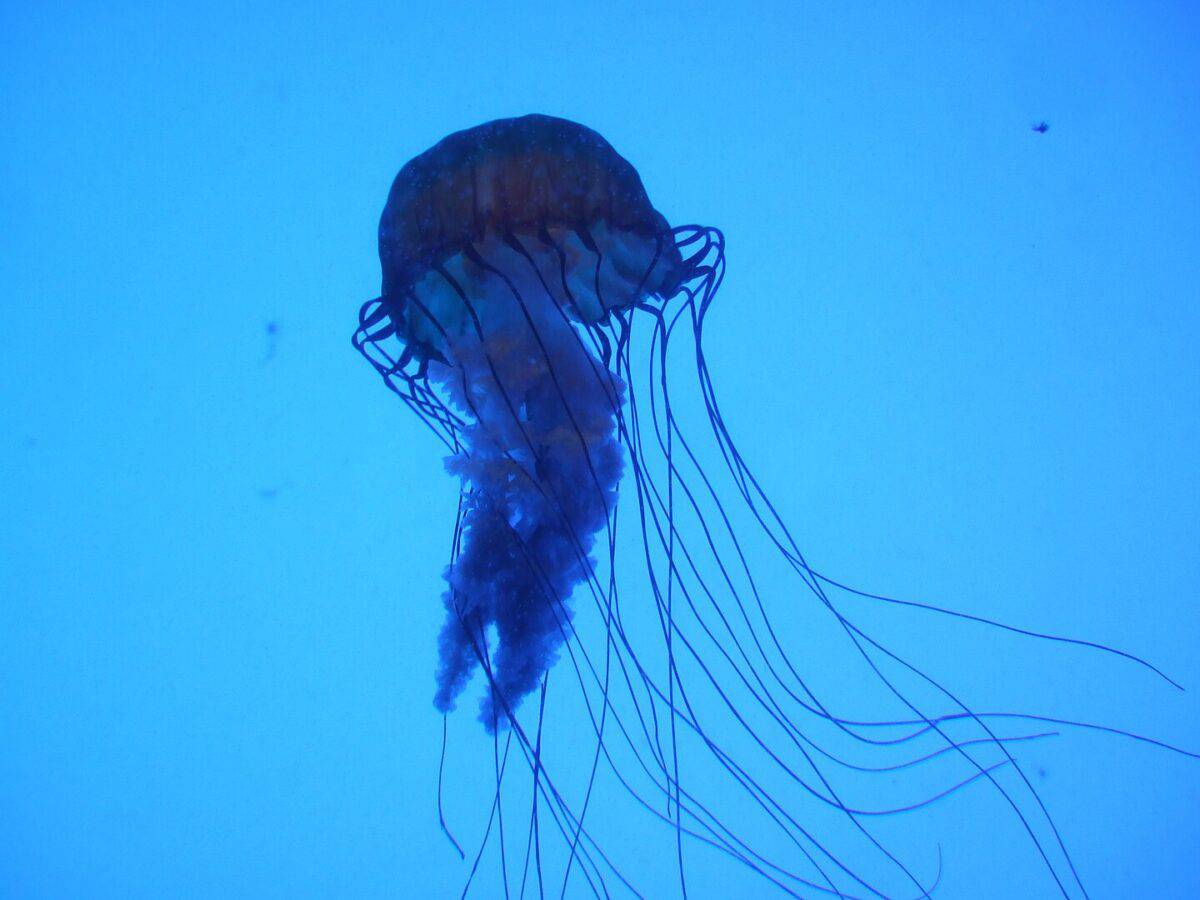
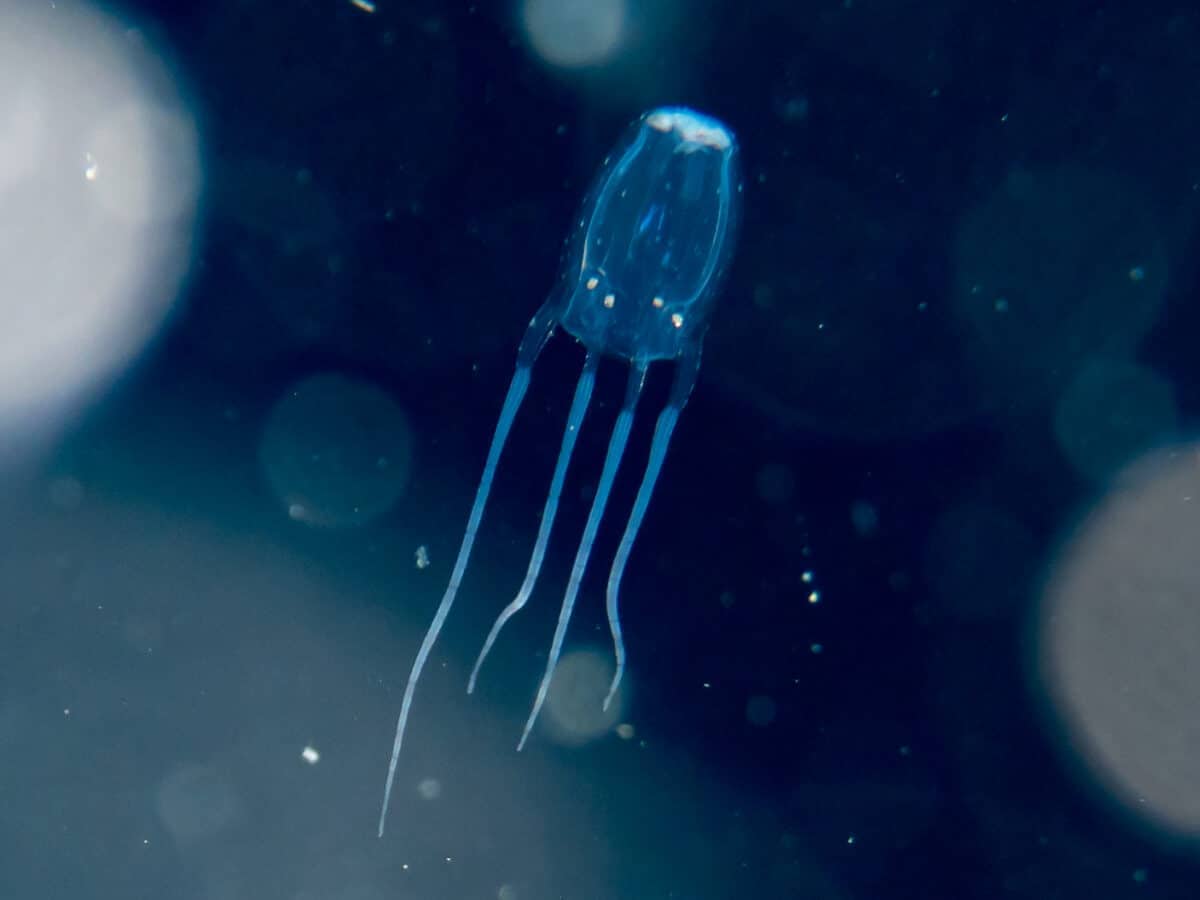
The box jellyfish, scientifically named Chironex fleckeri, is a sea creature found primarily in the coastal waters of Northern Australia and the Indo-Pacific region. Unlike the dome-shaped jellyfish seen in most aquariums, the box jellyfish boasts a cube-shaped bell, which gives it its unique name. It may be transparent and relatively hard to spot, but its nearly invisible nature only enhances its stealth as a predator.
How the Box Jellyfish Hunts
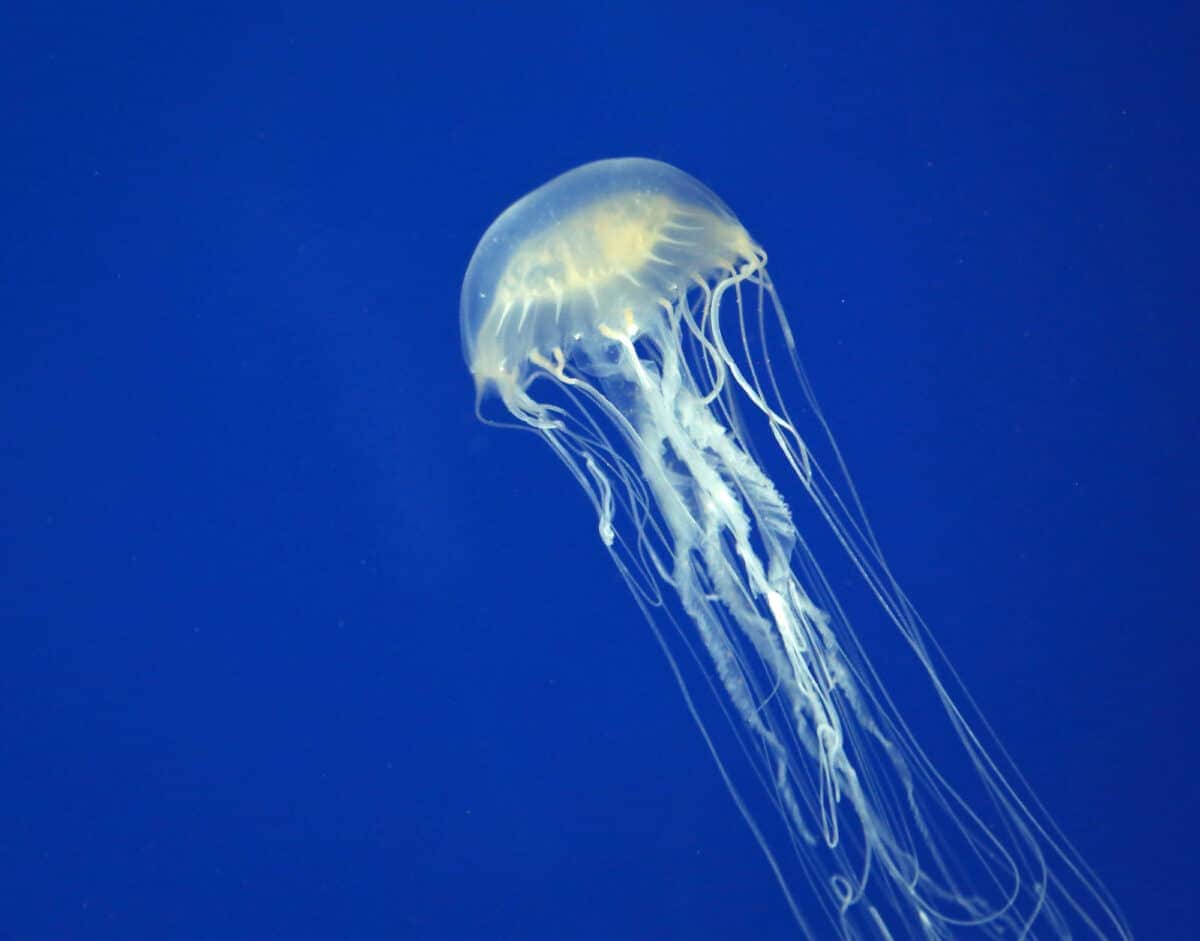
The box jellyfish is a highly efficient predator due to its venomous tentacles, which can reach up to 10 feet in length. These tentacles are laden with millions of stinging cells known as nematocysts, which release venom capable of immediately stunning or killing prey. The jellyfish uses this ability to capture small fish and invertebrates, drawing them into their bell to be digested.
The Lethal Venom Explained
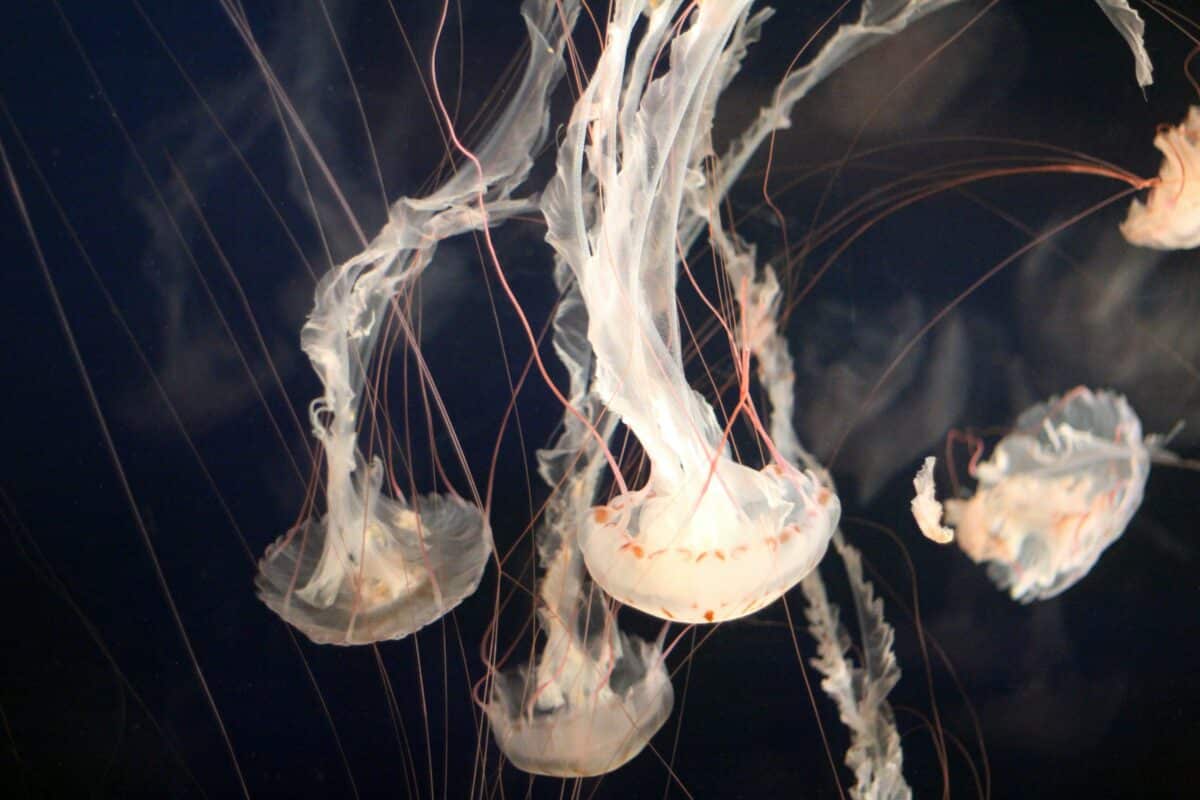
The venom of the box jellyfish contains toxins that attack the heart, nervous system, and skin cells. A sting can be excruciatingly painful and potentially fatal to humans. What makes the box jellyfish particularly dangerous is the speed with which its venom acts; it can cause cardiac arrest or death in just a matter of minutes if medical treatment is not administered swiftly.
Naturally Equipped for Survival
Despite its dangerous reputation, the box jellyfish plays an essential role in marine ecosystems. As both predator and prey, they help maintain the balance of oceanic food chains. Their interactions with other marine organisms contribute to biodiversity and ecosystem health.
The Anatomy of a Box Jellyfish

Besides its characteristic box-like bell, the box jellyfish has up to 15 tentacles on each corner of its bell. Each tentacle is lined with millions of nematocysts, ready to eject venomous harpoons into anything unfortunate enough to brush against them. This creature also possesses a rudimentary nervous system and 24 eyes, some of which are capable of forming images, giving it a level of sensory perception uncommon among jellyfish.
Hazards to Humans: Encounters and Safety

The box jellyfish poses a genuine danger in areas where it is prevalent. Human stings are most common during the warmer months when jellyfish migrate closer to shore. Swimmers are advised to wear protective clothing and to heed local warnings when jellyfish have been sighted. Vinegar can be used to inactivate nematocysts on the skin and is an essential part of first aid treatment.
Box Jellyfish Lifespan and Reproduction
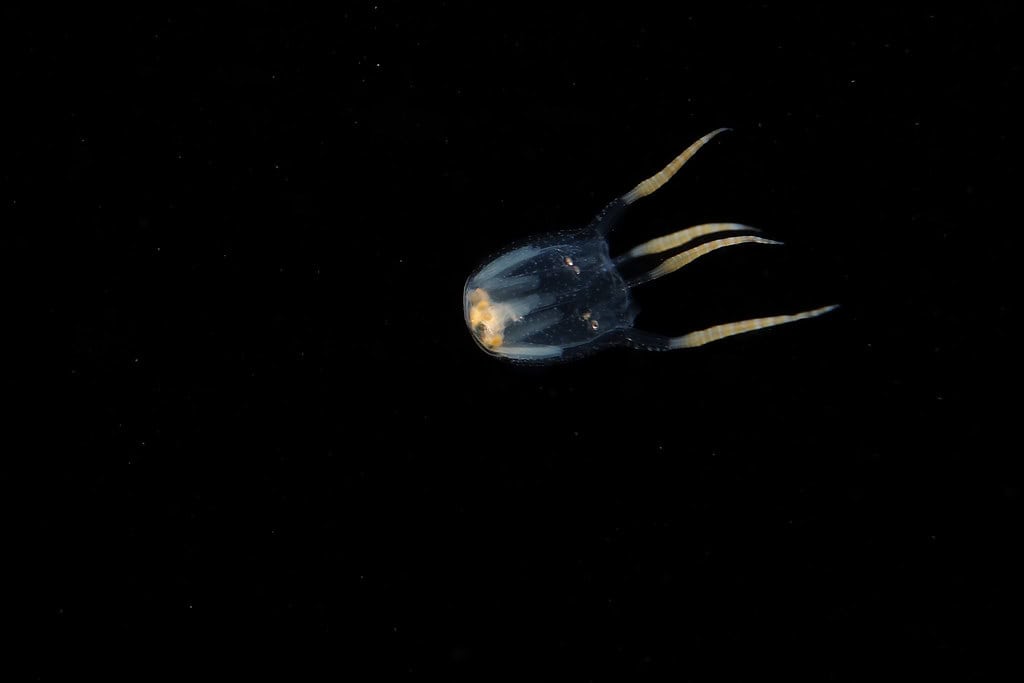
The lifecycle of a box jellyfish includes two primary stages: polyps and medusae, or the mature jellyfish form. After fertilization, the box jellyfish begins as microscopic larvae that eventually settle onto the ocean floor, transforming into polyps that can clone themselves. Environmental conditions trigger the polyps to metamorphose into juvenile medusae, which grow into adults capable of reproduction.
The Role of Box Jellyfish in Medical Research

Despite its deadly reputation, the box jellyfish offers valuable insights for medical research. Scientists study its venom to understand its potential applications in treating conditions such as hypertension and heart attacks. While still in the exploratory phase, this research holds promise for future pharmaceutical developments.
Protection and Conservation Efforts
Like many marine species, the box jellyfish faces threats from climate change, pollution, and habitat destruction. Conservation efforts aim to protect both jellyfish and human populations through better awareness, beach management practices, and researching jellyfish behavior and environmental needs.
Distinguishing Myths from Reality

Common misconceptions, like confusing jellyfish with passive, mindless drifters, undermine an understanding of their true nature. The box jellyfish, in particular, is an active hunter with complex behavior and a crucial role in marine ecosystems. Education and awareness are key to appreciating and safely coexisting with these creatures.
Conclusion: Respecting the Ocean’s True King

The box jellyfish, with its lethal sting and vital ecological role, reminds us that appearances can be deceiving. While sharks have captured the public’s imagination, this small jellyfish is an essential yet dangerous ocean inhabitant that demands respect. Understanding and awareness are critical for safety and preservation as we swim, research, and explore the vast oceanic world.
Worried about unexpected vet bills?
Pet insurance can cover thousands in unexpected vet costs. Get a free quote from Lemonade in under 2 minutes.
Get My Free Quote →Sponsored · Opens Lemonade.com

From exploring the marine wonders in the Azores and witnessing the vast savannas of Kenya, to delving deep into the rich biodiversity of South Africa and traversing iconic landscapes in Australia and the US like Yellowstone, Chris's experiences are vast.
With a penchant for diving alongside sharks, the ocean holds a special place in his heart.
Through his academic insights, he champions wildlife conservation, striving with 'Animals Around The Globe' to cultivate a profound connection between humans and animals, enhancing our mutual appreciation.
Connect with him at Feedback@animalsaroundtheglobe.com.
- 12 Creatures That Only Live in the American Southwest - June 10, 2026
- The Loudest Animal Relative to Body Size Is Tinier Than a Thumbtack - June 10, 2026
- The World’s Smallest Mammal Could Fit on Your Fingertip - June 10, 2026