


In a world where habitat loss threatens countless species with extinction, innovative conservation strategies are desperately needed. One emerging solution has captured the imagination of scientists, conservationists, and engineers alike: artificial islands. These human-made landmasses, specifically designed to support wildlife, represent a bold frontier in biodiversity protection. But can these constructed ecosystems truly serve as sanctuaries for species on the brink? This article explores the promising potential, significant challenges, and real-world applications of artificial islands as conservation tools in our rapidly changing world.
The Biodiversity Crisis and the Need for Innovative Solutions
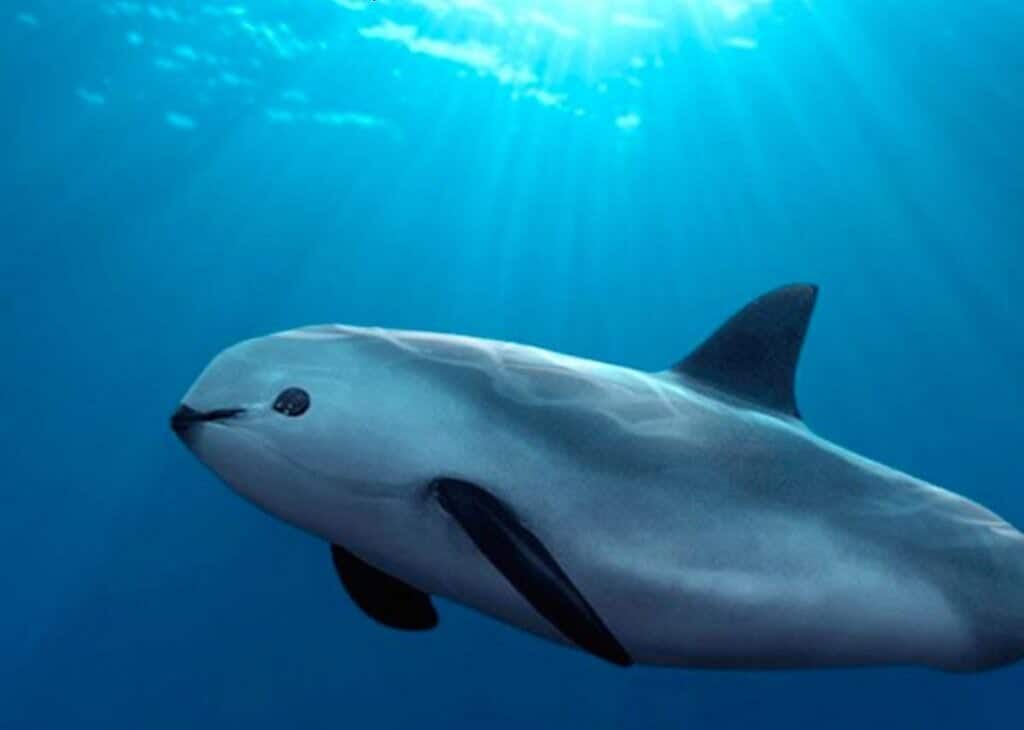
We currently face an unprecedented biodiversity crisis. According to the International Union for Conservation of Nature (IUCN), more than 41,000 species are threatened with extinction—approximately 28% of all assessed species. Habitat loss remains the primary driver, with climate change, pollution, and invasive species compounding the threat.
Traditional conservation approaches—establishing protected areas, implementing breeding programs, and restoring damaged ecosystems—while valuable, cannot alone address the scale and complexity of this challenge. Artificial islands represent a novel approach that could complement existing conservation efforts by creating new, protected habitats specifically designed for threatened species. These constructed environments offer controlled conditions that can be tailored to the specific needs of target species, potentially providing safe havens from predators, human disturbance, and climate change impacts.
What Are Artificial Islands?

Artificial islands are human-made landmasses created in bodies of water. While artificial islands have been constructed throughout human history for various purposes including military installations, airports, residential developments, and tourism, their application as conservation tools is relatively recent. Conservation-focused artificial islands differ fundamentally from their urban counterparts. Rather than prioritizing human infrastructure, these islands are specifically designed to support wildlife, with features that mimic natural habitats.
They can range from simple floating vegetation mats to sophisticated engineered structures with carefully designed topography, vegetation, and hydrology. Some are built using dredged material, others employ floating platforms, while the most advanced designs incorporate living materials like corals or mangroves that can grow and adapt over time. The design approach varies significantly based on the target species, local environmental conditions, available resources, and conservation objectives.
Success Stories: Bird Islands and Their Impact

Some of the most successful applications of artificial islands for conservation have benefited bird species, particularly those that nest in coastal or wetland environments. In the Netherlands, the Marker Wadden project in Lake Markermeer represents one of the most ambitious efforts. This archipelago of five islands, constructed from sand, clay, and silt, has transformed a once-degraded lake into a thriving ecosystem.
Since its completion in 2018, the islands have attracted over 127 bird species, including threatened species like the common tern and avocet. In the United States, the U.S. Army Corps of Engineers has created numerous dredged material islands in Chesapeake Bay that now support significant populations of waterbirds. One notable success is Poplar Island, which has been reconstructed using dredged material from shipping channels and now provides critical nesting habitat for common terns, black skimmers, and American oystercatchers.
These projects demonstrate that with proper design and management, artificial islands can become productive habitats for threatened bird species, particularly those that have lost nesting sites to coastal development, sea-level rise, and human disturbance.
Marine Applications: Coral Reefs and Beyond

In marine environments, artificial islands and structures show promise for protecting endangered species dependent on coral reef ecosystems. Coral reefs worldwide face existential threats from climate change, ocean acidification, and pollution, with an estimated 50% of reefs already lost. Innovators are developing floating or submerged artificial reef structures that can serve as substrate for coral growth while offering protection from warming waters and storm damage.
The Mars Coral Reef Restoration Project in Indonesia has pioneered “reef stars”—hexagonal sand-coated steel structures that provide stable platforms for coral fragments to grow. Since 2019, the project has installed over 19,000 reef stars and has seen coral cover increase from less than 10% to over 60% in some areas.
In the Maldives, the Reef Islands Project combines artificial reef creation with island building techniques to develop islands that protect coastlines while supporting marine biodiversity. These examples demonstrate how engineered structures can contribute to marine conservation, though scientists caution that such interventions must be seen as complements to, not replacements for, addressing the root causes of coral reef decline.
Climate Adaptation: Islands as Refuges

As climate change accelerates, artificial islands may serve as climate refuges for species whose habitats are threatened by rising temperatures, changing precipitation patterns, and sea-level rise. Low-lying island nations like Kiribati, the Maldives, and the Marshall Islands are exploring large-scale artificial island construction not just for human habitation but as potential sanctuaries for endemic species that face habitat loss due to sea-level rise.
The concept of “climate-smart” artificial islands involves designing landforms with features that can withstand future climate conditions, such as elevated areas to account for sea-level rise, drought-resistant vegetation, and structures to provide shade and cooling during heat waves. In Florida, researchers are experimenting with floating artificial wetlands that rise and fall with water levels, potentially providing more resilient habitat for species like the endangered Florida panther as existing wetlands become inundated.
While still largely conceptual, these climate-adaptive designs represent a forward-thinking approach to conservation that acknowledges the reality of ongoing climate change and attempts to create resilient habitats that can support biodiversity through changing conditions.
Freshwater Conservation Applications

In freshwater ecosystems, artificial islands show significant potential for protecting endangered amphibians, reptiles, and fish. These species face particularly severe threats, with freshwater ecosystems experiencing biodiversity losses at rates exceeding those in terrestrial or marine environments.
In Lake Titicaca, between Peru and Bolivia, artificial floating islands constructed from totora reeds provide habitat for the critically endangered Titicaca water frog and the endangered Titicaca grebe. These islands build upon the traditional reed islands created by indigenous Uru people, demonstrating how traditional knowledge can inform modern conservation. In the United Kingdom, the Wildfowl & Wetlands Trust has developed floating islands in urban ponds and lakes that provide nesting habitat for waterfowl while filtering pollutants from the water.
In the Great Lakes region of North America, artificial spawning reefs constructed from limestone and cobble have been created to support lake sturgeon, a threatened species that requires specific substrate for successful reproduction. These projects highlight how relatively simple interventions can create valuable habitat for freshwater species, often in urban or degraded environments where natural habitat has been lost.
Engineering and Design Challenges

Creating successful artificial islands for conservation presents formidable engineering challenges. Unlike commercial artificial islands, conservation islands must be designed with ecological functionality as the primary consideration. This requires interdisciplinary collaboration between engineers, ecologists, hydrologists, and other specialists.
Key design considerations include substrate composition, topography, hydrology, wave exposure, and connectivity to existing ecosystems. Islands must be structurally stable enough to withstand storms, currents, and erosion while providing appropriate conditions for target species. The choice of construction materials is particularly crucial—while traditional artificial islands often use concrete and steel, conservation islands increasingly utilize nature-based solutions like living breakwaters, bioengineered materials, and repurposed natural substrates.
Cost remains a significant challenge, with large-scale projects requiring substantial investment. The Marker Wadden project in the Netherlands, for instance, cost approximately €60 million to create five islands totaling 1,000 hectares. However, proponents argue that these costs must be weighed against the ecological services provided and the value of the biodiversity preserved.
Ecological Considerations and Potential Pitfalls

While artificial islands offer promising conservation opportunities, they also present ecological risks that must be carefully managed. Creating new landmasses inevitably alters existing ecosystems, potentially disrupting natural processes and species interactions. Poorly designed artificial islands can become ecological traps—attracting wildlife to habitats that appear suitable but fail to support long-term survival and reproduction.
There’s also risk of facilitating invasive species establishment, as newly created habitats with limited biological resistance may be particularly vulnerable to invasion. Conservation-focused artificial islands must be designed with ecological integrity in mind, considering food web dynamics, species interactions, and ecosystem processes. Long-term monitoring is essential to evaluate whether artificial islands are truly contributing to conservation goals or merely creating the appearance of habitat without functional benefits.
The most successful projects incorporate adaptive management principles, allowing for adjustments based on monitoring results. While artificial islands shouldn’t be viewed as replacements for protecting natural habitats, when thoughtfully designed and implemented, they can provide valuable supplementary habitat for species with specific requirements that are no longer met in degraded natural environments.
Legal and Policy Frameworks

The creation of artificial islands for conservation operates within complex legal and policy frameworks that vary significantly between countries and international waters. In territorial waters, national legislation governing habitat modification, dredging, and species protection typically applies. Projects often require environmental impact assessments and permits from multiple agencies.
In the United States, for example, artificial island construction may require approvals from the Army Corps of Engineers, the Environmental Protection Agency, state environmental agencies, and possibly the Fish and Wildlife Service if endangered species are involved. In international waters, the United Nations Convention on the Law of the Sea provides some guidance but lacks specific provisions for conservation-focused artificial islands.
This legal complexity can present significant barriers to implementation, with permitting processes sometimes taking years to complete. However, as the conservation value of well-designed artificial islands becomes more recognized, some jurisdictions are developing streamlined approval processes for projects with demonstrated ecological benefits. Looking forward, the development of specific policy frameworks for conservation-focused artificial islands could help balance environmental protection with the need for innovative conservation solutions.
Economic Aspects: Costs vs. Conservation Benefits

The economic dimensions of artificial islands for conservation present both challenges and opportunities. Construction costs vary dramatically based on size, location, complexity, and materials, ranging from thousands of dollars for small floating platforms to hundreds of millions for large-scale projects.
Ongoing maintenance adds to lifetime costs, raising questions about long-term financial sustainability. However, conservation economists increasingly emphasize that these costs must be evaluated against the economic value of the ecosystem services provided and biodiversity preserved. A 2020 study by the World Economic Forum estimated that over half the world’s GDP ($44 trillion) is moderately or highly dependent on nature, highlighting the economic case for biodiversity conservation. Artificial islands can also generate economic benefits through ecotourism, educational opportunities, and ecosystem services like water filtration, carbon sequestration, and coastal protection.
The Marker Wadden project in the Netherlands, for instance, has attracted thousands of tourists annually, generating revenue for local economies. Some projects are exploring innovative funding mechanisms, including biodiversity offsetting (where developers fund conservation projects to compensate for environmental impacts elsewhere), public-private partnerships, and conservation bonds. While artificial islands typically require significant upfront investment, they may prove cost-effective compared to the economic losses associated with species extinctions and ecosystem collapse.
Future Innovations: Smart Islands and Technological Integration

The next generation of conservation-focused artificial islands is likely to incorporate advanced technologies that enhance monitoring capabilities and adaptive management. “Smart islands” equipped with sensors can collect real-time data on environmental conditions, species movements, and ecosystem health, allowing for rapid response to emerging threats or changing conditions.
Remote monitoring technologies, including drones, satellite imagery, and environmental DNA (eDNA) sampling, enable efficient assessment of artificial island performance without disturbing wildlife. Some researchers are exploring the integration of renewable energy systems that could power monitoring equipment while demonstrating sustainable development principles. Advances in materials science are yielding new biocompatible construction materials that promote wildlife colonization while maintaining structural integrity. 3D printing technology is also showing promise for creating complex habitat structures with precise specifications tailored to target species’ needs.
In Singapore, the REEFCUBE project is using 3D-printed hexagonal structures made from sustainable concrete mixtures that promote coral attachment and growth. Meanwhile, in the Netherlands, researchers are developing “smart bubbles”—floating, vegetated platforms equipped with sensors that can be deployed in lakes and canals to provide habitat while monitoring water quality. These technological innovations could significantly enhance the efficacy of artificial islands as conservation tools, allowing for more precise habitat creation and more effective monitoring of outcomes.
Case Study: The Floating Islands of Lake Titicaca

The artificial floating islands of Lake Titicaca represent one of the most fascinating intersections of traditional knowledge and modern conservation. For centuries, the indigenous Uru people have constructed islands from totora reeds, creating floating communities that have become a unique cultural heritage.
In recent years, conservationists have adapted this traditional technique to create designated conservation areas for the critically endangered Titicaca water frog (Telmatobius culeus) and other threatened species endemic to the lake. These modern conservation islands use the same basic construction techniques—layering totora reeds to create floating platforms—but are specifically designed to provide optimal habitat for target species. The islands include underwater reed structures that provide shelter and breeding sites for the frogs, along with floating vegetation that supports invertebrate populations that serve as food sources. A collaborative project between Peruvian and Bolivian conservation organizations, with support from the Denver Zoo, has established a network of these conservation islands in protected areas of the lake.
Initial monitoring shows promising results, with frogs colonizing the artificial habitats and successfully reproducing. This case study illustrates how indigenous knowledge can inform modern conservation techniques, creating culturally appropriate and ecologically effective solutions. It also demonstrates the potential for artificial islands to support highly specialized species with specific habitat requirements that are increasingly rare in their natural environment.
The Controversy: Conservation Tool or Technological Distraction?

Despite their promise, artificial islands for conservation have generated debate within the scientific and conservation communities. Critics argue that artificial habitats risk becoming “technological fixes” that divert attention and resources from addressing the root causes of biodiversity loss—habitat destruction, climate change, pollution, and unsustainable resource extraction.
Some conservationists worry that the allure of high-profile engineering projects might overshadow less glamorous but potentially more effective conservation strategies like protecting and restoring natural habitats. There are also concerns about creating conservation dependencies, where species become reliant on human-maintained artificial habitats rather than self-sustaining natural ecosystems. Proponents counter that artificial islands should be viewed as complementary to, not replacements for, traditional conservation approaches. They argue that in our increasingly human-dominated planet, pragmatic conservation requires embracing a diversity of strategies, including novel ecosystems and human-designed habitats.
The middle ground in this debate acknowledges both the legitimate concerns and the potential benefits. Artificial islands may be most appropriate in specific contexts: for species with very specialized habitat requirements, in areas where natural habitat restoration is impossible due to development or climate change, or as temporary refuges while broader conservation challenges are addressed. This nuanced perspective recognizes that artificial islands represent one tool in the conservation toolbox—valuable in certain situations but not a panacea for the biodiversity crisis.
Conclusion: A Promising Tool for a Complex Crisis

Artificial islands represent a promising frontier in conservation biology, offering innovative solutions for protecting endangered species in our rapidly changing world. The evidence from existing projects demonstrates that well-designed artificial habitats can support viable populations of threatened species, from nesting seabirds to specialized amphibians and coral reef organisms. However, these constructed ecosystems are not simple technological fixes but complex interventions that require interdisciplinary expertise, careful planning, and long-term commitment to management and monitoring.
As we navigate an uncertain future characterized by climate change, habitat fragmentation, and unprecedented biodiversity loss, artificial islands may become increasingly valuable components of comprehensive conservation strategies. Their greatest value likely lies in their complementary role—not replacing traditional conservation approaches but extending our capacity to protect biodiversity in contexts where conventional strategies are insufficient. The future of conservation will require both innovation and humility, embracing new technologies while recognizing that preserving the complex web of life ultimately depends on addressing the fundamental drivers of environmental degradation.

From exploring the marine wonders in the Azores and witnessing the vast savannas of Kenya, to delving deep into the rich biodiversity of South Africa and traversing iconic landscapes in Australia and the US like Yellowstone, Chris's experiences are vast.
With a penchant for diving alongside sharks, the ocean holds a special place in his heart.
Through his academic insights, he champions wildlife conservation, striving with 'Animals Around The Globe' to cultivate a profound connection between humans and animals, enhancing our mutual appreciation.
Connect with him at Feedback@animalsaroundtheglobe.com.
- This Monkey Has a Mustache - July 21, 2026
- How Steve Irwin Changed the World’s View of Wildlife - July 21, 2026
- The Catfish That Caused Earthquakes in Japanese Folklore - July 21, 2026