

The ocean is a vast and mesmerizing realm, home to a plethora of life forms, many of which are masters of disguise. Camouflage is a fascinating survival strategy, allowing marine predators to stealthily hunt and capture prey or elude detection themselves. In this article, we dive into the ocean’s depths to explore 12 marine predators that have honed their camouflaging skills to an art form, illustrating the incredible adaptability of life beneath the waves.
12. The Flamboyant Cuttlefish

The flamboyant cuttlefish is renowned for its vivid colors, yet it is equally skilled at blending into its environment. This small cephalopod employs an astonishing array of body colorations and textures by manipulating specialized cells called chromatophores. This dynamic camouflage is not only used to avoid predators but also to ambush unsuspecting prey. Its ability to almost instantaneously shift from vibrant display to hidden hunter is an extraordinary adaptation.
11. Peacock Flounder
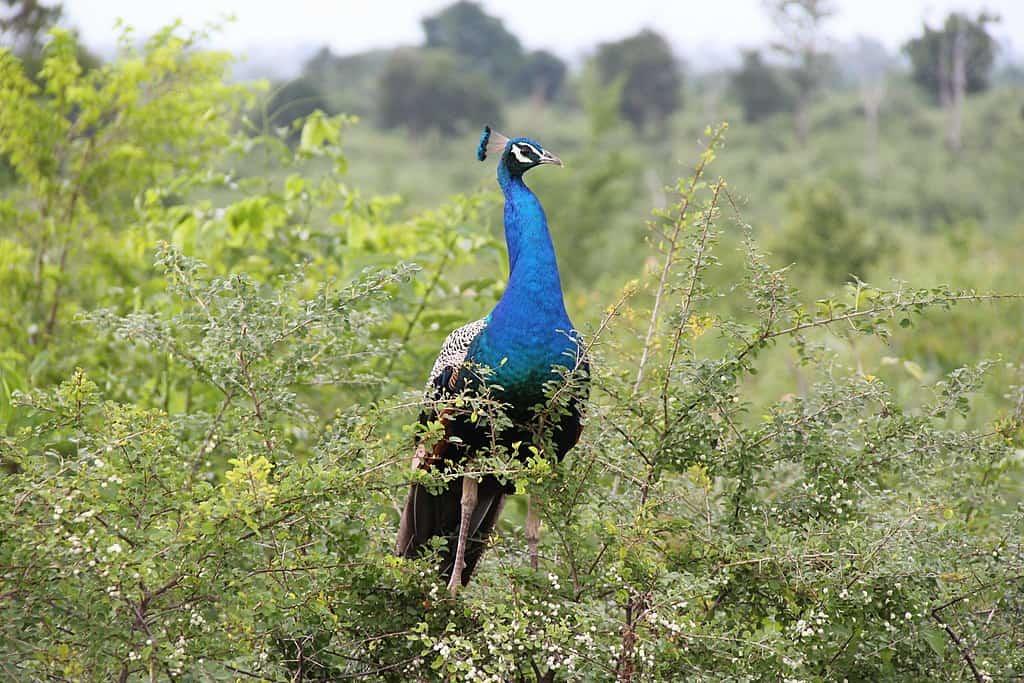
The peacock flounder, with its unique flattened body, is a master at merging with sandy or rocky ocean floors. This fish can adjust its coloration to match the sea bed beneath it. Spotting one can be a true challenge as it lies motionless, waiting to quickly snatch prey. Its ability to seamlessly alter its appearance makes it one of the ocean’s stealthiest ambush predators.
10. Wobbegong Shark

Known for its rug-like appearance, the wobbegong shark uses its fringe-edged body to blend into coral or rocky areas on the ocean floor. This bottom-dwelling shark is not an active swimmer; instead, it relies on its superb camouflage to lie in wait for unsuspecting prey to come within reach. Its patience and disguise make it an exceptional hunter.
9. Dragon Moray Eel

The dragon moray eel’s spotted and mottled appearance allows it to blend seamlessly into the crevices and reefs it inhabits. With its ability to remain motionless for extended periods, the dragon moray is a patient predator, swiftly striking at prey that venture too close. Its intricate appearance offers both concealment from predators and an effective hunting technique.
8. Stonefish

Considered one of the most venomous fish in the world, the stonefish uses its rock-like appearance to blend into coral reefs and rocky sea beds. By staying perfectly still, it becomes almost invisible to both predators and prey. Its ability to camouflage so convincingly allows it to strike with lightning speed, making it a formidable predator in the marine ecosystem.
7. Leafy Sea Dragon

The leafy sea dragon is a remarkable example of nature’s artistry in camouflage. With extravagant leaf-like protrusions over its entire body, it resembles drifting seaweed and is nearly invisible to predators. This camouflage serves as both a defense mechanism and a means to drift undetected while hunting small fish and crustaceans. Its elusive nature and delicate beauty make it a marvel of evolutionary design.
6. Octopus
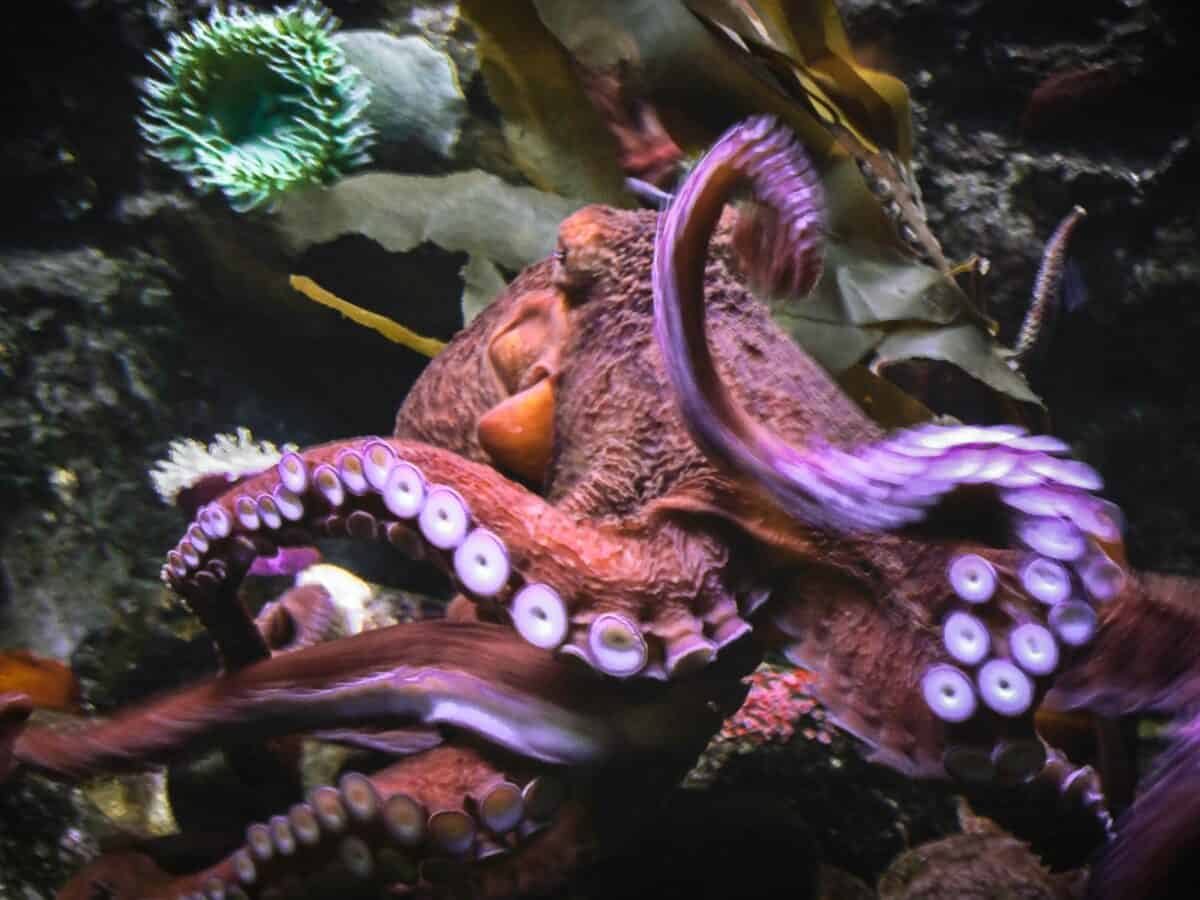
Octopuses are some of the most intelligent and versatile camouflagers in the ocean. By rapidly changing the color and texture of their skin, they can blend with virtually any background. Even more impressive is their ability to mimic the shapes and movements of other sea creatures. These remarkable skills not only aid in hunting but also in avoiding their predators.
5. Lionfish

The lionfish, adorned with striking stripes and venomous spines, may stand out visually, yet these features serve a purpose. Its coloration allows it to blend into the coral reefs where it resides, providing both camouflage and a warning to potential threats. Its predatory prowess, aided by a patient and stealthy approach, makes it a highly effective hunter.
4. Frogfish

Frogfish are curious-looking predators with a unique approach to camouflage. Their lumpy appearance helps them blend into coral, sponges, and rocks. Equipped with a modified fin that acts like a fishing lure, they attract prey close enough to catch with their rapid suction feeding mechanism. This combination of camouflage and deception makes the frogfish a consummate predator.
3. Pipefish
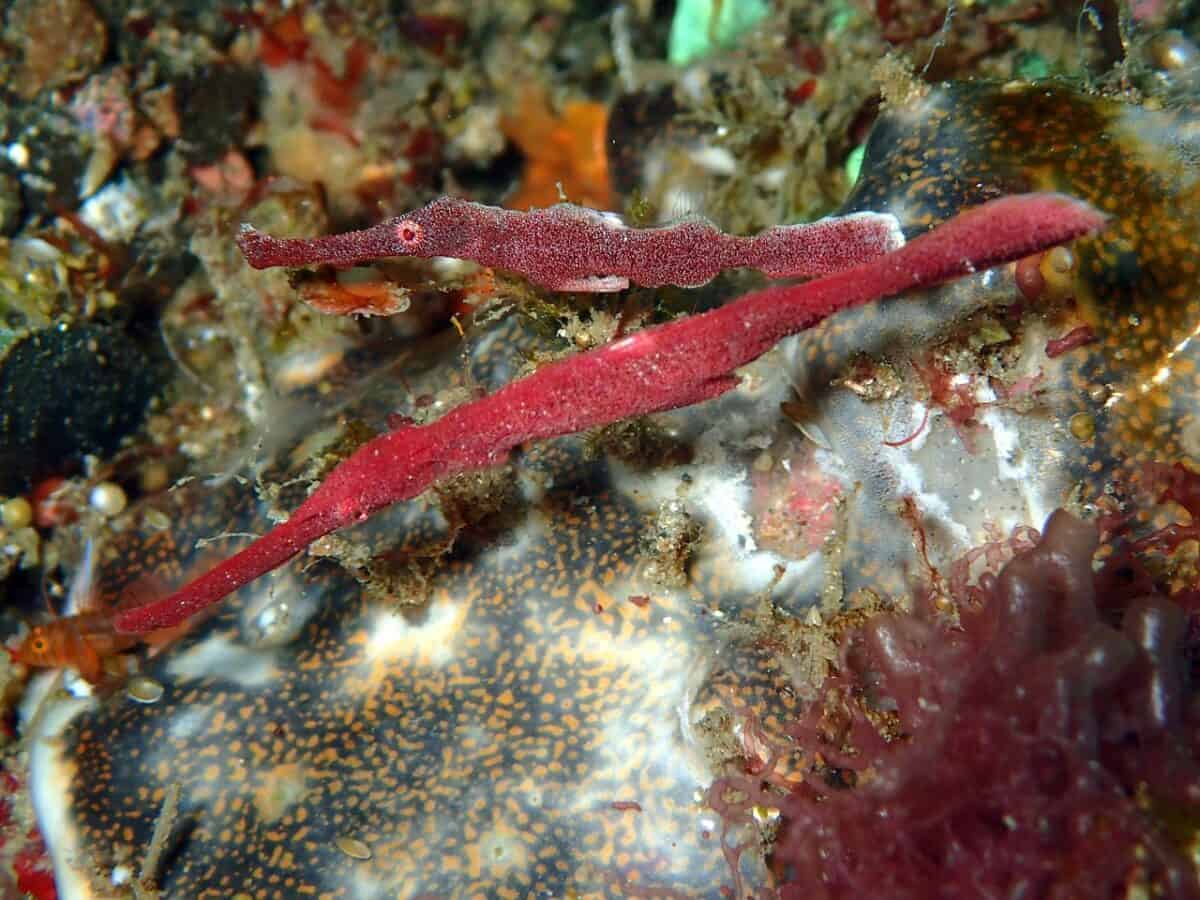
Closely related to the seahorse, pipefish are slender and elongated, with bodies that mimic the sea grasses and coral branches among which they live. Their ability to sway gently with the water currents enhances their disguise, rendering them nearly invisible. This adaptation not only helps them evade predators but also allows them to stealthily approach their prey.
2. Nudibranch
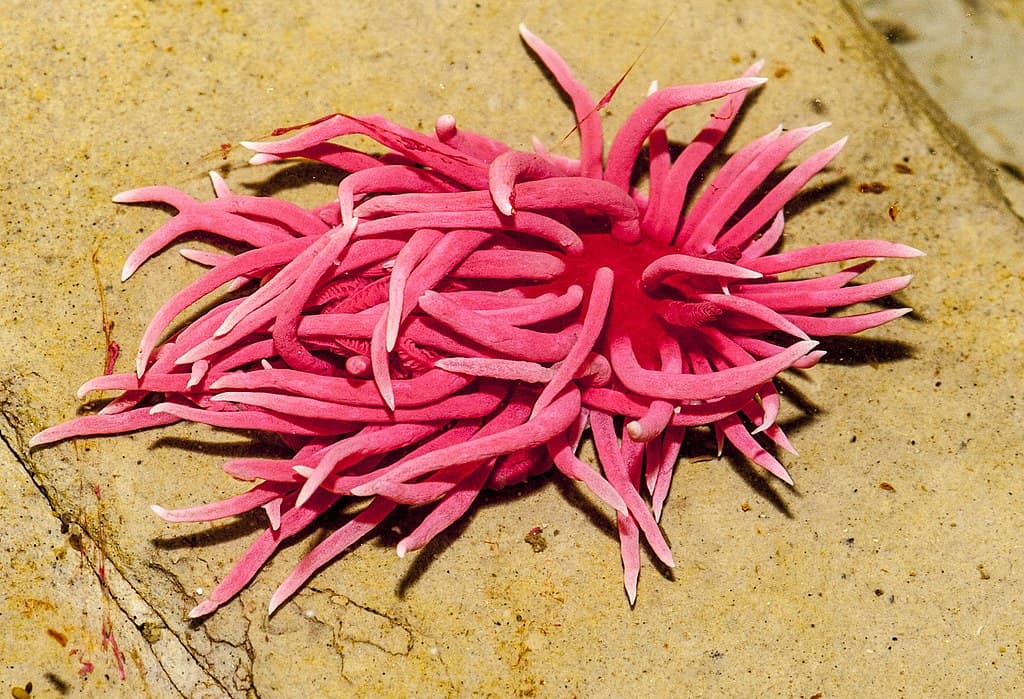
Nudibranchs, or sea slugs, are known for their vibrant and varied colors, yet they can also be experts in camouflage. Some species possess colors and patterns that allow them to blend into their surroundings, mimicking the corals and sponges they live on. Nudibranchs’ ability to incorporate toxins and stinging cells from the creatures they consume further enhances their defenses.
1. Mimic Octopus

Perhaps the most versatile of all marine camouflagers is the mimic octopus. This creature can imitate the appearance and behaviors of numerous marine animals, such as lionfish, flatfish, and even jellyfish. By doing so, it confounds predators and deceives prey. Its remarkable adaptability showcases the ingenuity of camouflage in the underwater world.
Conclusion:

In conclusion, these 12 marine predators highlight the incredible adaptations that evolution has forged beneath the ocean’s surface. Through their various methods of camouflage and mimicry, they have developed efficient strategies to hunt, evade, and survive in a world dictated by the delicate balance of predator and prey. Aspiring marine biologists and enthusiasts are constantly challenged—and fascinated—by these enigmatic creatures, with each offering unique insights into the art of survival in the wild.

As a little kid, I fell in love with nature, wildlife, and animals. Living in the USA, South Africa, Italy, China and Germany gave me the opportunity to discover the world's Wildlife. My favorite animals are Mountain Gorillas, Siberian Tigers, and Great White Sharks.
I'm a certified PADI Open Water Diver, went to Everest Base Camp and Trekked Gorillas in Uganda. I hold a Master of Science in Economics and Finance.
Please send any feedback to feedback@animalsaroundtheglobe.com
- 13 Cat Breeds That Get Along with Dogs - July 20, 2026
- The 12 Largest Dog Breeds That Still Love to Cuddle - July 20, 2026
- 12 Pet Habits That Secretly Mean They Love You - July 20, 2026