

Elk are iconic symbols of the American wilderness, roaming freely across the expansive landscapes of the United States. Among the various elk herds, one stands out for its sheer size and significance. This article delves into the fascinating world of this colossal elk herd—highlighting its habitat, behavior, conservation efforts, and the challenges it faces. Join us on this journey to discover the most enormous elk herd ever documented in the U.S.
The Majesty of Elk

Elk, or wapiti, are one of the largest species in the deer family. Recognizable by their impressive antlers and robust size, these creatures have long captured the imagination of wildlife enthusiasts. Found mainly in forest and open-grassland environments, elk were vital to Native American culture and are a significant part of the country’s natural heritage.
Where the Giants Roam

The largest documented elk herd can be found in the Rocky Mountain National Park, spanning Colorado and Montana. This region provides the optimal mix of forests, meadows, and high-altitude environments that elk thrive in, affording them ample space to graze and migrate.
Counting the Giants

The Rocky Mountain Elk Herd is estimated to consist of over 25,000 individuals, making it the most populous in the United States. Regular surveys conducted by wildlife conservationists and park authorities reveal consistent growth in the population, a testament to effective conservation strategies and natural conditions conducive to elk proliferation.
Seasonal Migrations and Behavior

Elk are known for their long seasonal migrations, which can cover hundreds of miles. In summer, this herd is often found in higher elevations, grazing on the lush pastures of alpine meadows. As winter approaches, they descend into valleys and lower elevations in search of food and milder weather, demonstrating their adaptability to changing conditions.
The Social Structure of Elk

Elk are social animals, forming large herds for much of the year. The social structure is dynamic, with dominant bulls leading harems during the breeding season, known as the rut. During non-breeding months, elk often segregate into smaller bachelor groups and maternal herds, showcasing a complex social hierarchy within their ranks.
The Role of Predators

Predators play a crucial role in maintaining the balance of ecosystems, and this includes managing elk populations. Wolves, cougars, and bears are the primary natural predators of elk in the Rocky Mountains. These predators help control the herd’s numbers, promote genetic diversity, and encourage the health and vitality of the elk population overall.
The Impact on Local Ecosystems

The large elk herd has substantial impacts on local ecosystems. They influence vegetation patterns through their grazing habits and are critical in maintaining biodiversity. By consuming various plant species, they help control the spread of the undergrowth, which benefits other flora and fauna.
Conservation Success Stories
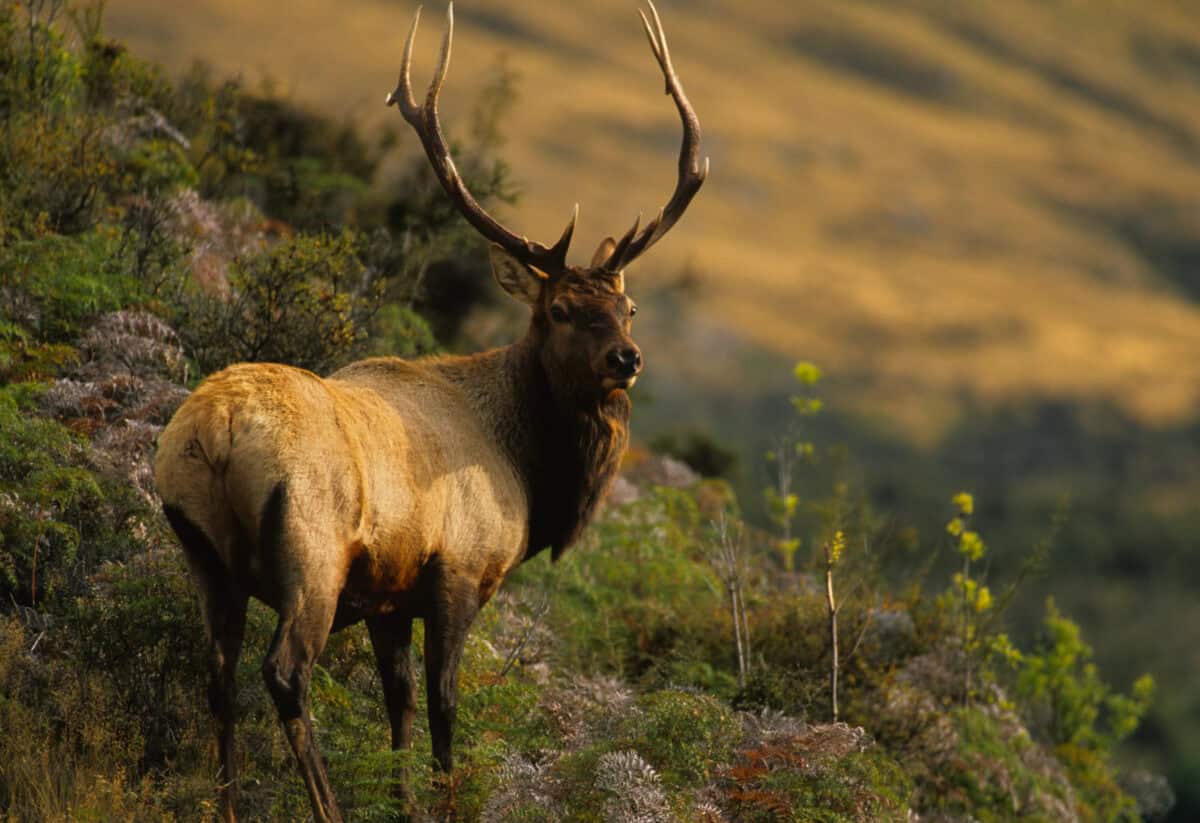
The success of the Rocky Mountain Elk Herd is largely due to extensive conservation efforts. This includes habitat preservation, scientific research, and wildlife management practices designed to support elk growth while maintaining the natural balance. The reintroduction of apex predators like wolves has also contributed to sustaining healthy elk populations.
Human Influence and Interaction

Human activities have inevitably impacted elk habitats. Urban development and tourism can disrupt migration routes and grazing lands. However, responsible management practices and public awareness campaigns aim to minimize these impacts, promoting harmonious coexistence with one of nature’s most majestic creatures.
Challenges Facing the Elk Herd

Despite its size, the Rocky Mountain Elk Herd faces several challenges. Climate change can alter seasonal patterns and affect their migratory habits. Additionally, disease outbreaks, such as chronic wasting disease, pose significant risks to elk health. Conservationists continually work to address these challenges through proactive measures.
Citizen Science and Elk Monitoring

Local communities and citizen scientists play an increasingly important role in monitoring elk herds. Through initiatives like wildlife conservation programs and volunteer projects, they contribute valuable data that aids in tracking population changes and health indicators, supporting broader conservation objectives.
The Future of America’s Largest Elk Herd
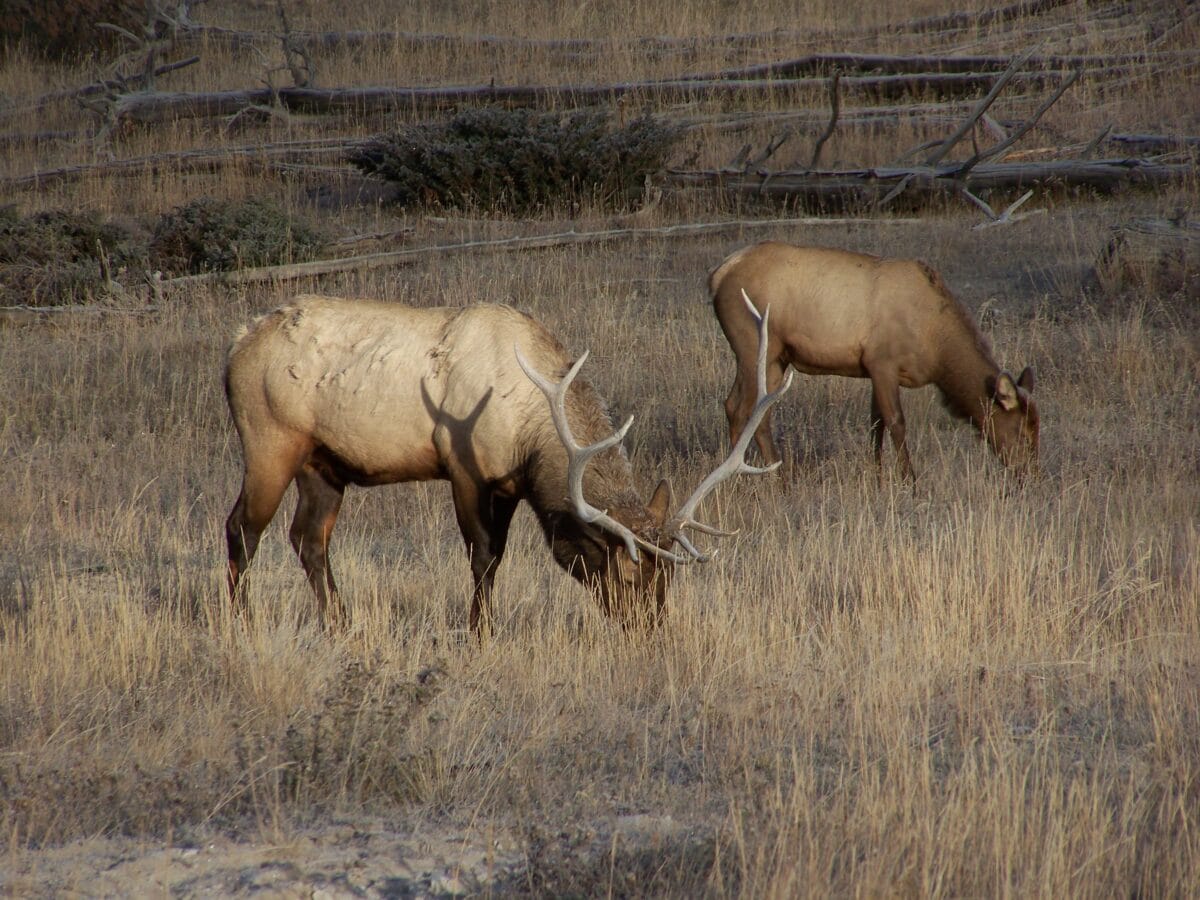
Looking forward, the future of the largest elk herd in the U.S. remains cautiously optimistic, thanks to ongoing conservation efforts and scientific advancements. By fostering sustainable practices and education, stakeholders hope to ensure that this iconic herd continues to thrive, inspiring future generations with their magnificence.
In summary, the most enormous elk herd in the U.S. is a testament to successful conservation efforts. It illustrates the delicate balance between nature and human influence, reminding us of our responsibility to protect and cherish the natural world. As these magnificent creatures roam the wilds of the Rocky Mountains, they symbolize the enduring legacy of America’s natural heritage.

- The Glasswing Butterfly: Nature’s Invisible Beauty - July 21, 2026
- What Happens If a Whale Dies in the Ocean? - July 21, 2026
- Why You Should Stop Feeding Ducks at the Park - July 21, 2026