


The discovery of a massive mammoth graveyard in America has captivated scientists and the general public alike, shedding new light on the life and eventual extinction of these majestic creatures. This article takes a closer look at the exciting details of the discovery, the implications for paleontology, and what it can teach us about Earth’s prehistoric past.
The Mammoth Mystery: An Introduction

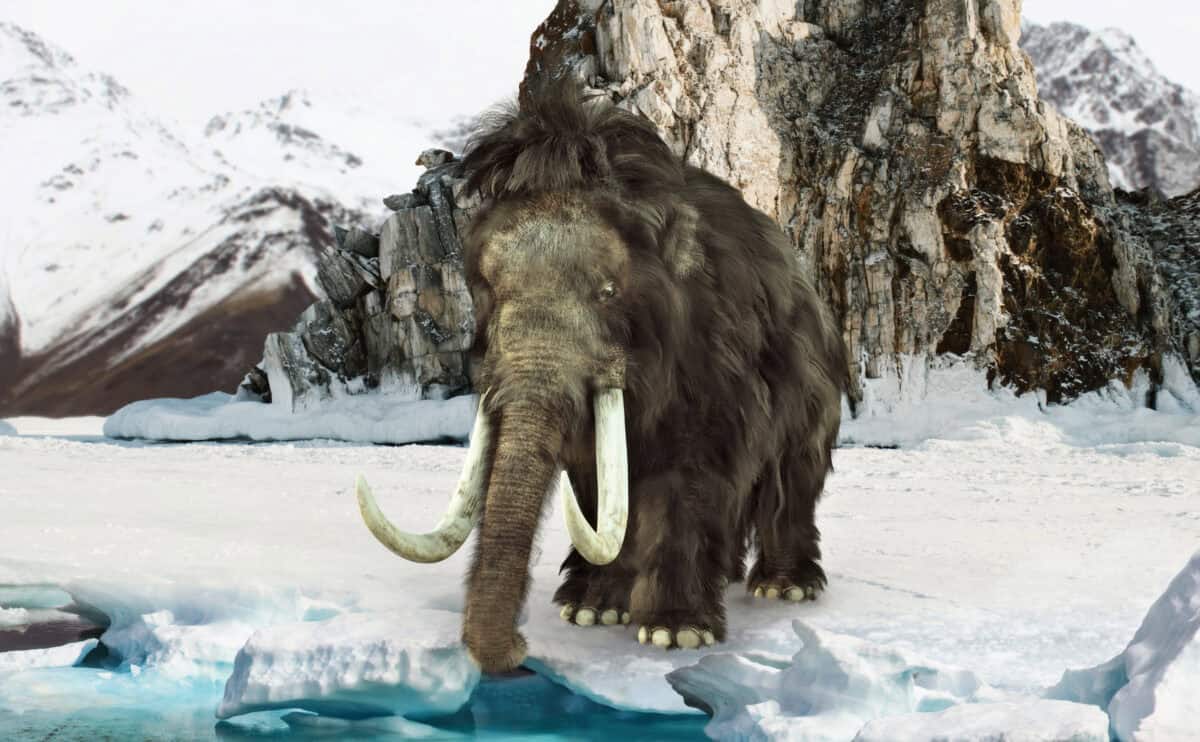
The unearthing of the largest mammoth graveyard on American soil has thrust these ancient giants back into the spotlight, raising numerous questions about their history and the environments they once roamed. The find presents an unprecedented opportunity to explore the lives of these creatures that disappeared thousands of years ago.
Unveiling the Discovery Site
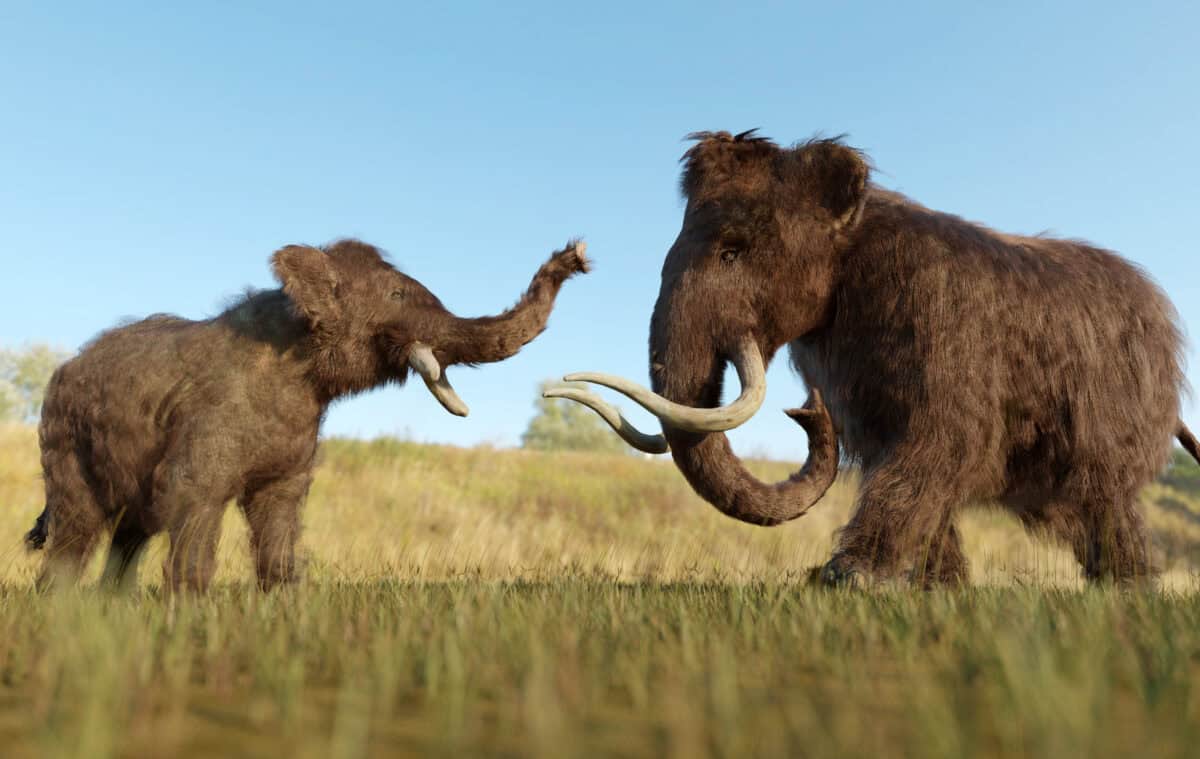
Located in the arid plains of northwest America, the site spans several acres of land that was once a lush, verdant habitat. The graveyard’s precise location has been meticulously documented to protect the integrity of the fossils and facilitate ongoing excavation efforts.
The Magnitude of the Find
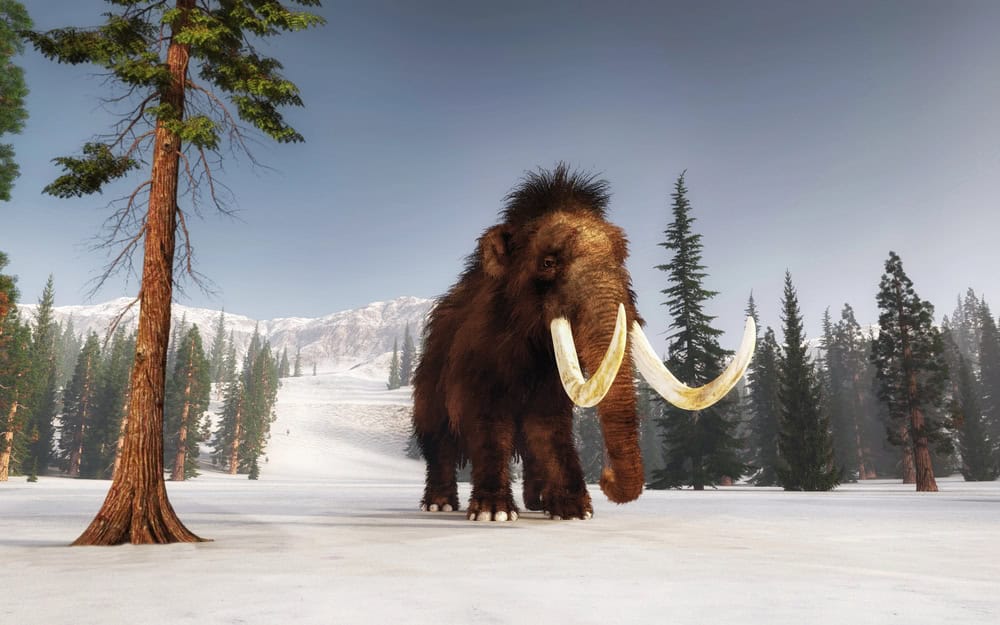
With hundreds of mammoth bones unearthed at the site, researchers are calling it the largest concentration of mammoth remains in North America. This discovery stands out not just for its scale but for the clues it offers about mammoth behavior and interactions.
Methods of Excavation
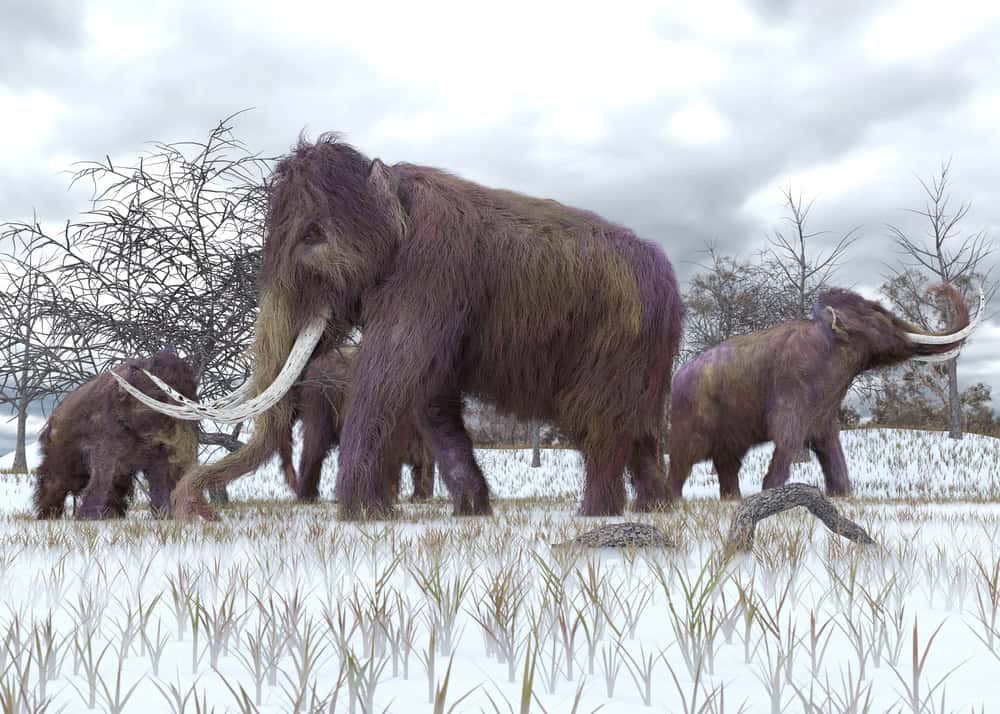
Excavating such a significant site involves a careful, methodical process. Teams of paleontologists, archaeologists, and volunteers have worked tirelessly to uncover the bones while maintaining their original state to aid in research and preservation.
Piecing Together Mammoth Life

The graveyard offers a window into the mammoths’ existence, revealing how they may have lived, traveled, and interacted with each other. The arrangement of the bones suggests social behavior and possibly even migration patterns, helping to build a narrative of mammoth life.
Clues to Extinction
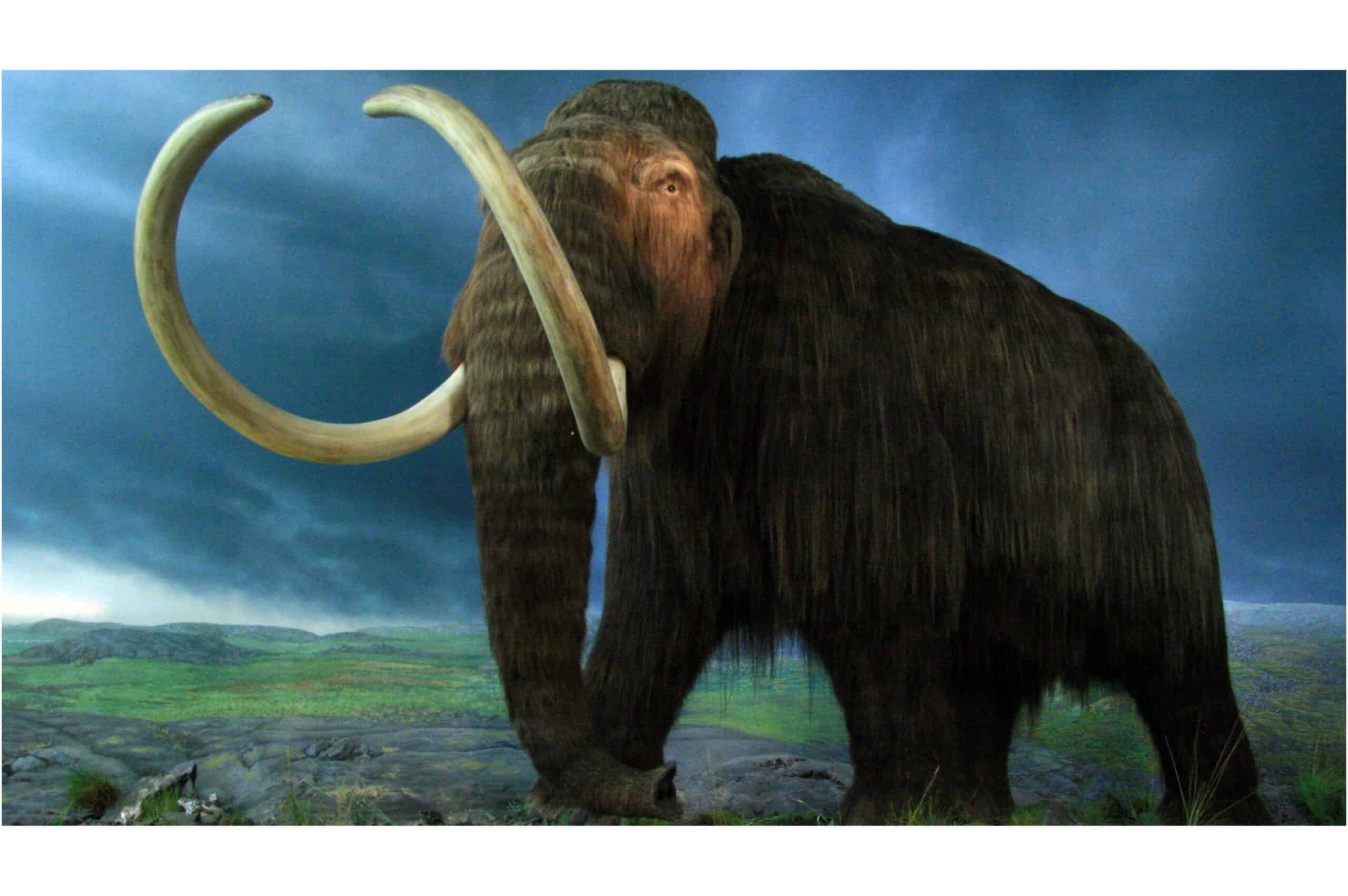
Understanding why mammoths disappeared around 10,000 years ago remains a topic of scientific fascination. This graveyard could provide essential evidence, potentially linking their extinction to climate change, human activity, or a combination of both factors.
The Role of Environmental Change

The environment of the graveyard site has changed dramatically since the mammoths roamed the Earth. Studying these changes helps scientists understand the climatic conditions of the past and how they influenced mammoth populations’ survival and extinction.
Impact on Modern Ecology

The study of mammoth extinction is more than a historical endeavor—it’s crucial for understanding modern ecological balances. Researchers can draw parallels with current species facing similar threats, offering insight into preventative conservation strategies.
Technological Advances in Paleontology
Modern technology has significantly advanced paleontological research. Techniques like radiocarbon dating, DNA analysis, and 3D scanning help scientists gather information from the remains, leading to a more comprehensive understanding of mammoth biology and ecology.
Public Engagement and Education

The discovery has sparked widespread public interest, prompting discussions about ancient life, extinction, and climate change. Educational programs and museum exhibits have been planned to engage the public and inspire future generations of scientists.
The Future of Mammoth Research

While much has been learned, the data from this graveyard may take years to fully analyze. Ongoing research will continue to refine current theories and potentially rewrite the history of these fascinating creatures.
A Journey through Time: Reflecting on the Legacy of Mammoths

As scientists continue to delve into the secrets of the largest mammoth graveyard in America, they reinforce the legacy of these towering mammals. Each new finding not only honors their place in Earth’s history but also provides valuable lessons for the future of biodiversity and preservation.
The unearthing of this extraordinary graveyard fortifies our connection to the past and serves as a reminder of the intricate web of life that has long existed on our planet. Through continued study and preservation, the mammoths’ story will not only fascinate but also educate, shaping both our understanding of ancient ecosystems and the current challenges we face.

From exploring the marine wonders in the Azores and witnessing the vast savannas of Kenya, to delving deep into the rich biodiversity of South Africa and traversing iconic landscapes in Australia and the US like Yellowstone, Chris's experiences are vast.
With a penchant for diving alongside sharks, the ocean holds a special place in his heart.
Through his academic insights, he champions wildlife conservation, striving with 'Animals Around The Globe' to cultivate a profound connection between humans and animals, enhancing our mutual appreciation.
Connect with him at Feedback@animalsaroundtheglobe.com.
- Why Spiders Don’t Get Stuck in Their Own Webs - July 20, 2026
- What Scientists Found in a 10,000-Year-Old Beehive - July 20, 2026
- This Spider Builds Fake Decoys of Itself - July 20, 2026