


In the vast expanse of the Pacific Ocean, a monumental discovery has been made beneath its waves. Scientists have successfully mapped the largest underwater volcano near Hawaii, unearthing insights into the earth’s geological mysteries and offering a glimpse into the dynamic nature of tectonic activities. This groundbreaking discovery sheds light on not only the volcano itself but also the potential implications for our understanding of underwater geological processes. Join us as we explore the fascinating details of this undersea giant.
The Thrill of Discovery

The discovery of an underwater volcano of such magnitude is a remarkable achievement for the scientific community. This finding was made possible by a combination of advanced sonar mapping technologies and the unwavering determination of researchers who have long sought to unlock the secrets hidden beneath the ocean’s surface.
Understanding Underwater Volcanoes

Underwater volcanoes, unlike their terrestrial counterparts, are formed by the movement of tectonic plates beneath the ocean floor. These volcanoes can create new landforms and even islands over time. The mapping of this particular giant adds an important piece to the puzzle of understanding volcanic activity below sea level.
Location Situated Near Hawaii
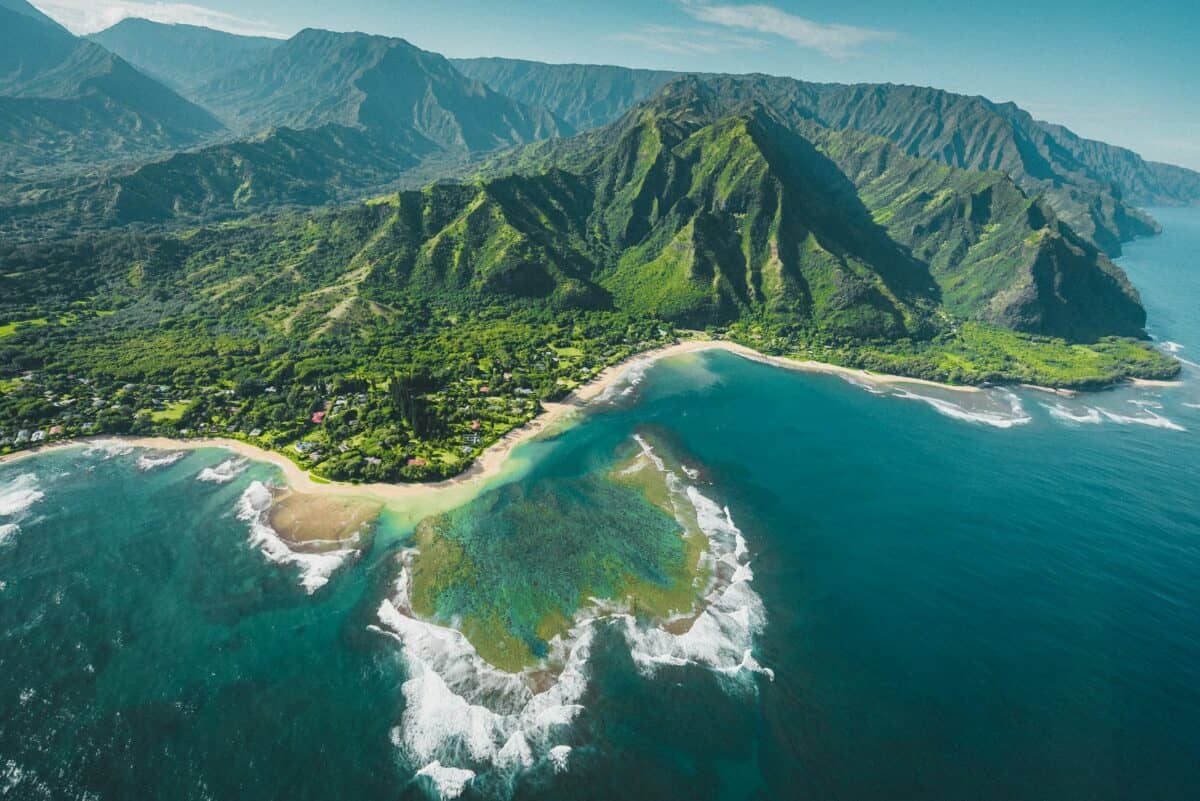
This newly mapped volcano is located in the Hawaiian-Emperor seamount chain, a series of underwater mountains that form a distinct path beneath the Pacific Ocean. Its proximity to Hawaii makes it particularly significant, as it offers insights into the geological forces that have shaped this unique volcanic region.
The Role of Technology in Mapping

Advancements in sonar technology have been crucial in the discovery and mapping of this underwater volcano. Sophisticated sonar mapping allows for detailed imaging of the ocean floor, providing researchers with the data needed to reconstruct the volcano’s structure and size accurately.
Potential Risks and Implications

While the current activity level of this volcano remains low, understanding its size and potential for eruption is vital. Volcanic activity beneath the ocean can lead to tsunamis and other significant geological events, posing risks to coastal communities. Ongoing monitoring and research are essential for assessing any future threats.
Geological Significance of the Discovery

The mapping of the largest underwater volcano near Hawaii contributes significantly to our understanding of plate tectonics and volcanic activity. It provides valuable data that can help predict future geological events, contributing to disaster preparedness strategies globally.
The Ecosystem Impact

Underwater volcanoes often form unique ecosystems around them, thanks to the mineral-rich vents they create. These ecosystems provide a habitat for diverse marine life, including species that have adapted to the harsh conditions near hydrothermal vents.
Insights Into Earth’s Geological Past

The volcano offers a rare opportunity to study Earth’s geological history. By analyzing samples from the volcano, scientists can learn about past volcanic activity and climatic conditions, enhancing our understanding of how the planet has evolved over millions of years.
Continued Exploration and Research

The mapping of this underwater volcano is just the beginning. Researchers plan to continue their exploration efforts, aiming to uncover more about the volcano’s formation, behavior, and potential impact on the surrounding environment. Continued research is critical for advancing our understanding of these underwater giants.
Global Collaboration in Underwater Research

This groundbreaking discovery was made possible through global collaboration among scientists, engineers, and institutions dedicated to exploring the ocean’s depths. Such partnerships are vital for pushing the boundaries of knowledge and uncovering the mysteries that lie beneath the waves.
The Future of Underwater Volcanology

As technology continues to advance, the future of underwater volcanology holds immense promise. With each discovery, we move closer to understanding the complex processes that shape our planet, laying the groundwork for more comprehensive efforts in underwater exploration and environmental conservation.
Conclusion: A New Frontier in Ocean Exploration

The mapping of the largest underwater volcano near Hawaii marks a significant milestone in ocean exploration. As scientists continue to study this colossal formation, the knowledge gained will pave the way for future discoveries and a deeper understanding of our planet’s dynamic geological framework. This achievement reminds us of the importance of continued exploration and innovation in revealing the wonders concealed beneath the ocean’s waves.

From exploring the marine wonders in the Azores and witnessing the vast savannas of Kenya, to delving deep into the rich biodiversity of South Africa and traversing iconic landscapes in Australia and the US like Yellowstone, Chris's experiences are vast.
With a penchant for diving alongside sharks, the ocean holds a special place in his heart.
Through his academic insights, he champions wildlife conservation, striving with 'Animals Around The Globe' to cultivate a profound connection between humans and animals, enhancing our mutual appreciation.
Connect with him at Feedback@animalsaroundtheglobe.com.
- Why Spiders Don’t Get Stuck in Their Own Webs - July 20, 2026
- What Scientists Found in a 10,000-Year-Old Beehive - July 20, 2026
- This Spider Builds Fake Decoys of Itself - July 20, 2026