


Nature never ceases to amaze us with its myriad wonders, among which the ability of certain creatures to paralyze through touch stands out as particularly intriguing. From the depths of the ocean to the dark corners of rainforests, this remarkable trait can be a tool for both survival and predation. In this article, we’ll explore 14 fascinating creatures that wield the power of paralysis, unraveling the secrets of their biology and the ecological roles they play.
14. The Strikingly Beautiful Blue-Ringed Octopus
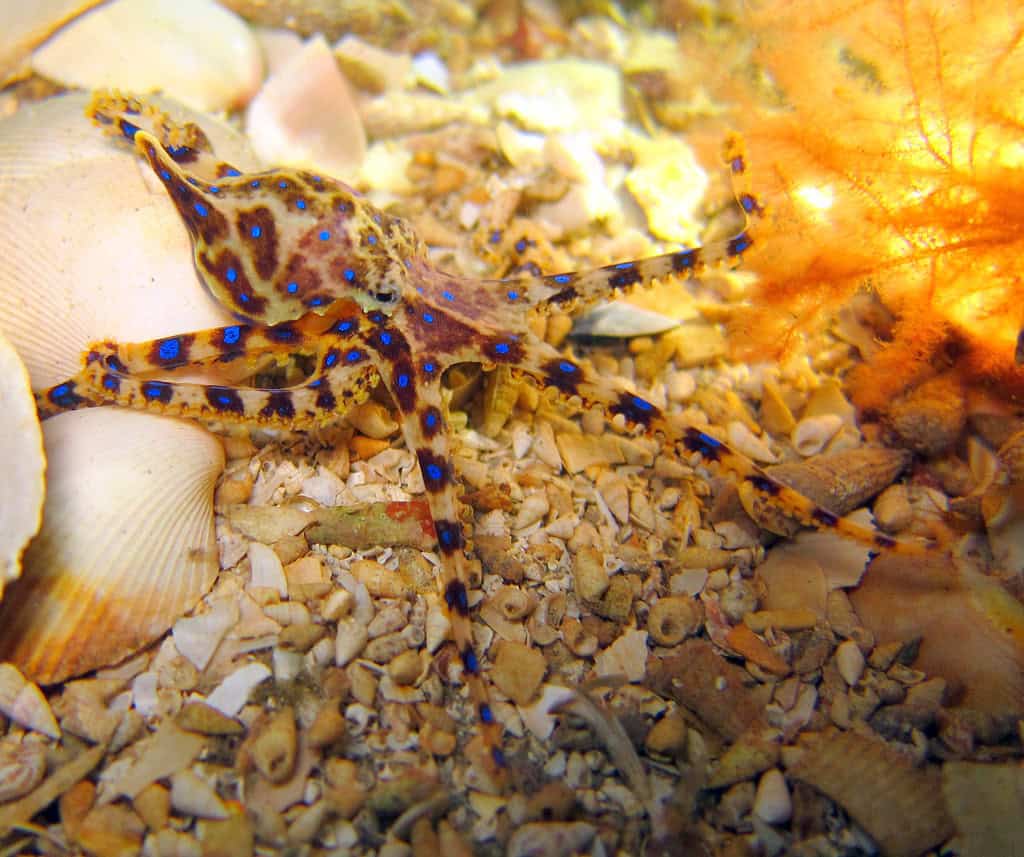
The Blue-Ringed Octopus, as mesmerizing as it is deadly, can be found in the tide pools and coral reefs of the Pacific and Indian Oceans. This small but vibrant octopus possesses a neurotoxin called tetrodotoxin, which is potent enough to cause paralysis in larger predators or unwary human handlers. Despite its lethal potential, the Blue-Ringed Octopus is shy and only employs its toxin as a defense mechanism against threats.
13. Cone Snails: Masters of Neurotoxic Harpoons
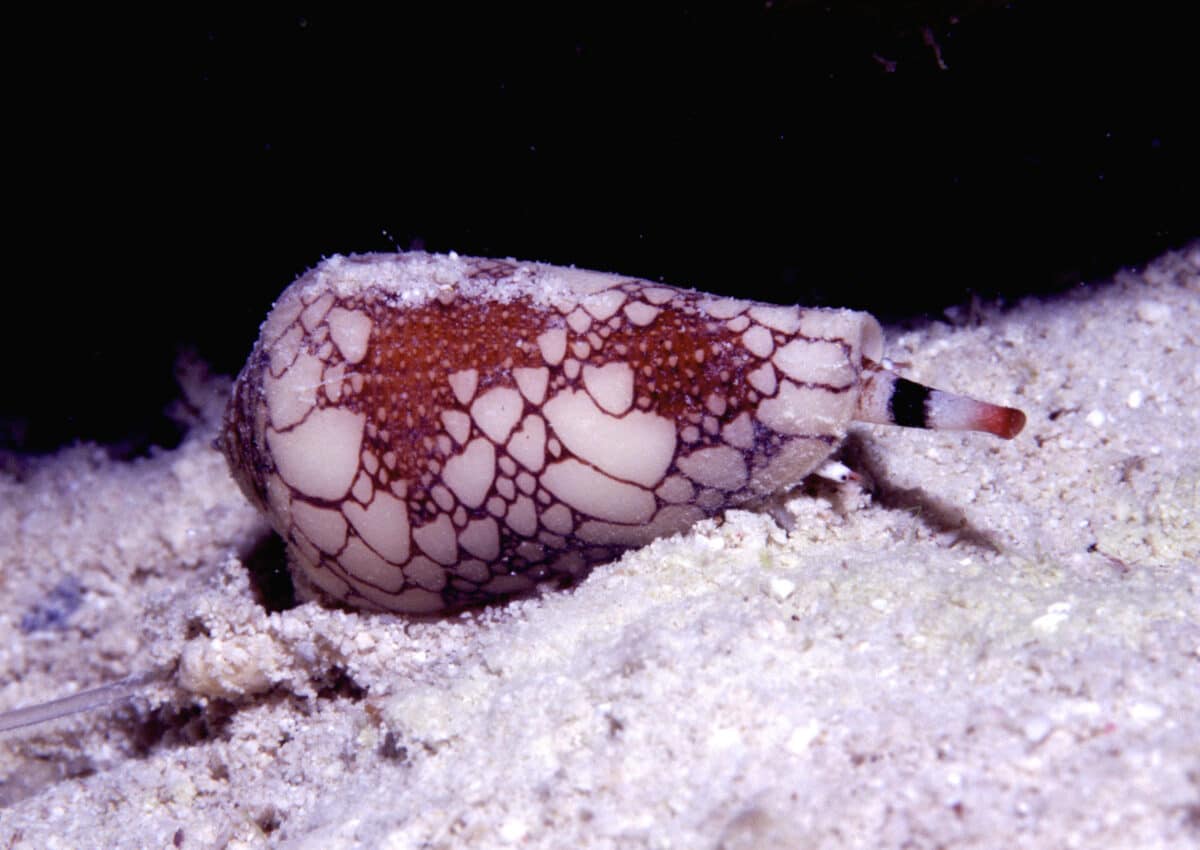
With their beautiful, often elaborately patterned shells, Cone Snails are marine mollusks that use a specialized, harpoon-like tooth to deliver venom loaded with conotoxins. These neurotoxins can swiftly immobilize prey, making cone snails remarkably effective hunters. Found mainly in tropical and subtropical oceans, these creatures highlight the complex interplay of beauty and danger in the natural world.
12. Jellyfish: Not Just a Sting, But a Powerful Paralyzer

Jellyfish are well-known for their stings, which can deliver venom that ranges from mildly irritating to dangerously paralyzing. The infamous Box Jellyfish, in particular, harbors venom potent enough to incapacitate its victims. Packed with nematocysts, these tentacled swimmers use their stings to quickly paralyze and capture prey, such as small fish and invertebrates.
11. Portuguese Man O’ War: The Siphonophore with a Sting

Often mistaken for a jellyfish, the Portuguese Man O’ War is actually a siphonophore, a colonial organism composed of specialized individual polyps. Encounters with this ocean drifter can lead to painful stings and localized paralysis in humans and other predators. The venom in their tentacles is used to paralyze and secure prey, demonstrating their unique approach to hunting.
10. Paralysis-Inducing Tarantula: The Emerald Tarantula

The Emerald Tarantula, found primarily in the rainforests of South America, possesses venom that can cause localized paralysis in its prey, such as insects and small birds. While these spiders are more intimidating due to their size, their venom is typically not harmful to humans. They represent the intricate balance between predator and prey within their ecosystems.
9. Stonefish: The Ocean’s Master of Camouflage and Paralysis

Among the world’s most venomous fish, the Stonefish blends seamlessly into the ocean floor, awaiting unsuspecting prey. Its venomous spines can deliver a paralyzing sting that incapacitates both predators and humans who unwittingly step on it. This defensive strategy serves as both protection and a means of capturing food.
8. The Komodo Dragon: Viscous Saliva with a Paralyzing Bite

The Komodo Dragon, the largest living lizard, roams the islands of Indonesia. Its bite is infamous for delivering venom that can lead to shock and paralysis in its prey. This venom mix causes a sudden drop in blood pressure, rendering its victims weak and unable to escape. Though they primarily hunt using sheer strength, their venom plays a crucial part in their hunting strategy.
7. Electric Eel: Shocking Tactics for Immobilization
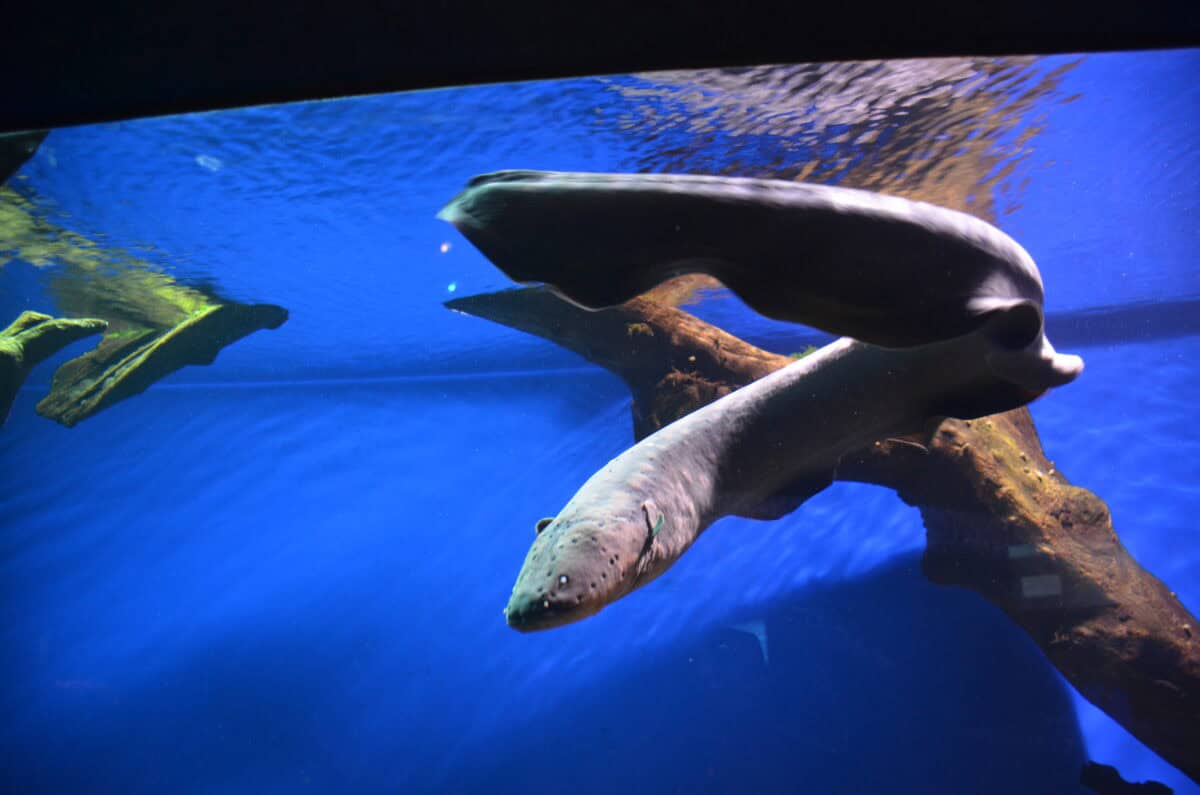
Not truly an eel, the Electric Eel of the Amazon Basin uses electricity, rather than venom, to incapacitate its prey. This freshwater fish can generate electric shocks strong enough to stun or paralyze its victims, facilitating easier capture. While not toxic, the eel’s electrical capabilities are a fascinating adaptation for survival.
6. Lionfish: Venomous Beauty of the Coral Reefs

The Lionfish is renowned for its striking appearance and venomous spines. Native to the Indo-Pacific, this invasive species uses venom to paralyze smaller fish, aiding in its feeding strategy. Its rapid spread across the Atlantic Ocean highlights the potential ecological impact of invasive species with such potent defensive mechanisms.
5. The Fascinating Marble Cone: A Snail with a Perilous Pact

The Marble Cone is yet another species of cone snail, adorned with intricate patterns on its shell. Like its cousins, it employs venom-loaded harpoons to paralyze prey, allowing it to consume prey quickly. This showcases the remarkable adaptation of venom across different species within the same genus.
4. Weaver Ants: Legions with a Paralytic Punch

Weaver Ants, found in the tropical forests of Africa and Asia, use their potent venom to subdue prey and defend their colonies. While their bite is painful, the venom’s paralytic properties help them capture larger insects, illustrating the role of venom in social and predatory behaviors.
3. The Amazing Assassin Bug: A Tiny Predator with a Killer Technique

Assassin Bugs employ venom in a unique way to capture and digest their prey. These terrestrial insects inject paralytic venom into their victims, rendering them motionless. This allows the assassin bug to consume its meal at leisure, relying on biochemical warfare for survival.
2. The Velvet Ant: A Misnomer with Paralytic Power

Despite its name, the Velvet Ant is a type of wasp, known for its potent sting. Found in the deserts of the United States, its sting can cause temporary paralysis in its aggressors or prey, showcasing nature’s counterintuitive strategy by equipping such a small creature with formidable defenses.
1. Wasp Spiders: Crafty Weavers with a Paralyzing Bite

Wasp Spiders, resembling wasps in their vivid yellow and black patterns, use venom to paralyze small insects caught in their webs. Their striking appearance serves both as a deterrent and a hunting aid, highlighting how evolutionary mimicry can be coupled with paralysis as a survival strategy.
In conclusion, the power to paralyze with a touch is a remarkable aspect of certain creatures’ evolutionary prowess. From marine environments to terrestrial habitats, these diverse species showcase the myriad ways in which paralysis can be employed, whether for hunting prey or defending against predators. Understanding these natural adaptations not only illuminates the complexity of life on Earth but also inspires awe and respect for the intricate balance of ecosystems across our planet.

- How Crickets Chirp Using Their Wings - July 20, 2026
- The Largest Sea Turtle Ever Rescued Off North Carolina - July 20, 2026
- The Ocean’s Escape Artist: Why Octopuses Outsmart Us All - July 20, 2026