

The notion of a swarming mass of insects descending upon a city can evoke both curiosity and trepidation. Few events are as dramatic and intimidating in the annals of natural phenomena as insect swarms. This article delves into the most terrifying insect swarm episodes that have invaded U.S. urban areas, exploring their origins, impacts, and the sometimes ingenious ways cities and citizens have responded.
Introduction to Insect Swarms

Insects can gather in overwhelming numbers for various reasons, from reproductive purposes to migrations and environmental triggers. While many such gatherings are harmless curiosities, some swarms can impact human environments significantly. Understanding these events is essential for both mitigating their potential damage and appreciating their role in the ecological balance.
The Infamous Locust Swarms

Locusts are perhaps the most notorious insects when it comes to swarming behavior. Although North American locust swarms have been significantly reduced since the 19th century, historical accounts describe clouds of these insects darkening the skies and ravaging crops. Their impact on agriculture was profound, leading to significant economic and social upheavals.
Mayfly Invasions

Mayflies are an annual phenomenon along parts of the Mississippi and other major river systems in the U.S. Swarms can be so dense that they appear on weather radars. Although they don’t pose significant threats to human health or property, the sheer volume of these insects can disrupt transportation and daily activities, leaving behind thick carpets of dead flies.
Cicada Fests

Perhaps the most famous periodic insect swarm involves cicadas. These insects spend most of their lives underground, emerging en masse every 13 to 17 years to breed. The chorus they generate is unmistakable and can weigh heavily on urban soundscapes. While not damaging to humans directly, their exuviae litter the ground, and their feeding can harm young trees and shrubs.
Midge Outbreaks
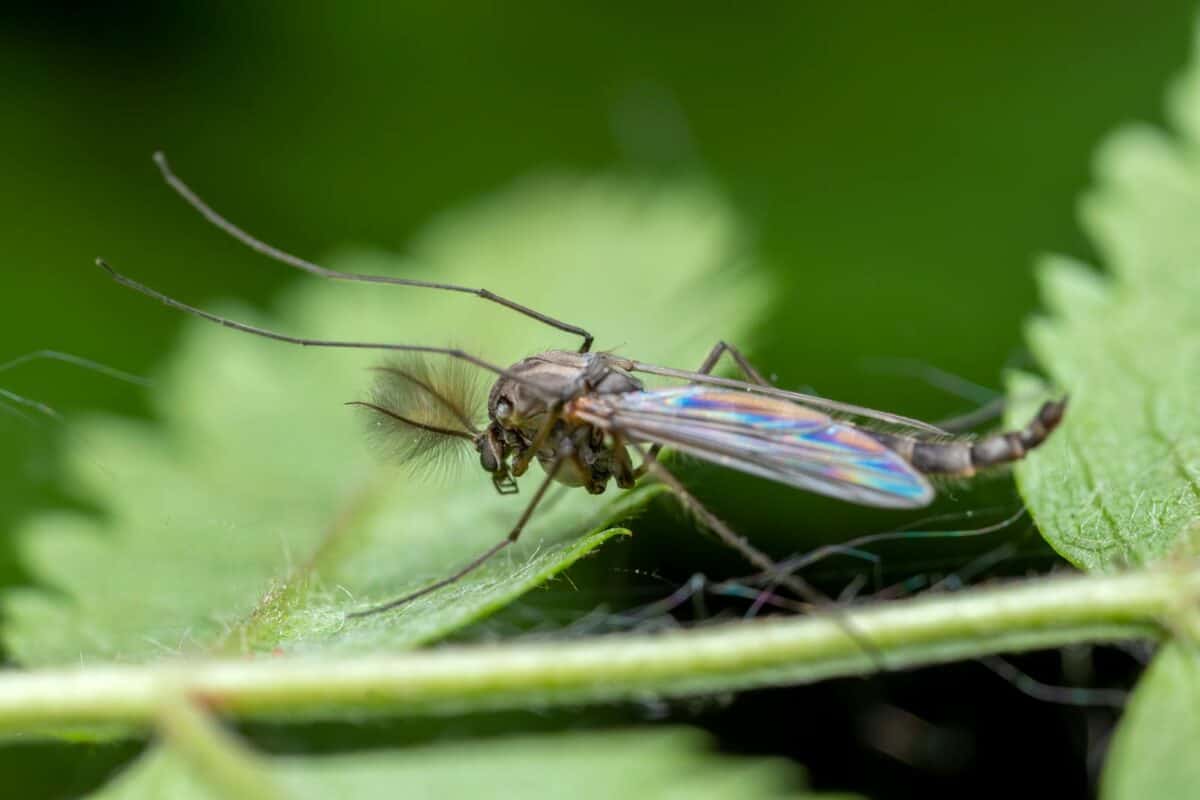
Midges, often mistaken for mosquitoes, can swarm in massive numbers, especially near water bodies. Their swarms can impede visibility and deter outdoor activities. While not carriers of disease, the nuisance they present during peak periods is undeniable, particularly for tourism and hospitality businesses.
Stink Bug Surges

The brown marmorated stink bug is an invasive species that has made unwelcome appearances across U.S. cities. Emerging in large numbers in the fall, they seek refuge indoors, causing distress for homeowners. While not harmful, the odor they emit when disturbed is unpleasant, prompting a demand for pest control solutions.
Grasshopper Plagues
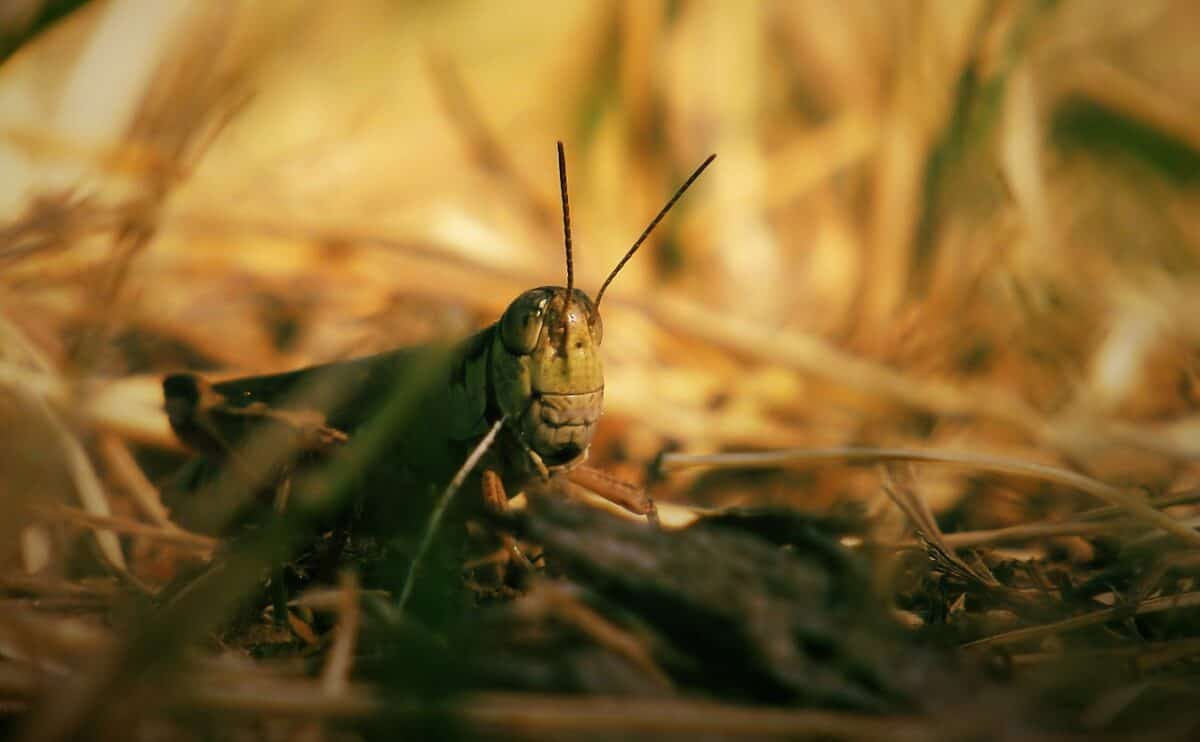
Not as prevalent as they once were, grasshopper swarms can still occur during dry spells following wet years. These swarms can decimate agriculture, leading to significant economic impacts. Modern agricultural practices, however, have largely managed to control these outbreaks.
Termite Swarmers

Termite swarms are a common springtime occurrence in many parts of the U.S. Although these swarms themselves don’t cause direct damage, they are a sign of termite colonies that can, if unchecked, lead to severe structural damages to buildings. The presence of swarming termites often prompts immediate action from homeowners.
Lovebug Flights

Native to Central America, lovebugs migrated to the Southern U.S. Their swarms, particularly along highways, can impair visibility and damage vehicle paint jobs. Despite the challenges, lovebug splatters are more of an annoyance than a serious threat.
Emerald Ash Borer Expanses

The emerald ash borer is less of a swarming insect but no less destructive. It’s noteworthy here for its invasion of U.S. cities, where it has decimated ash trees, altering urban landscapes and incurring significant financial loss.
The Role of Climate Change
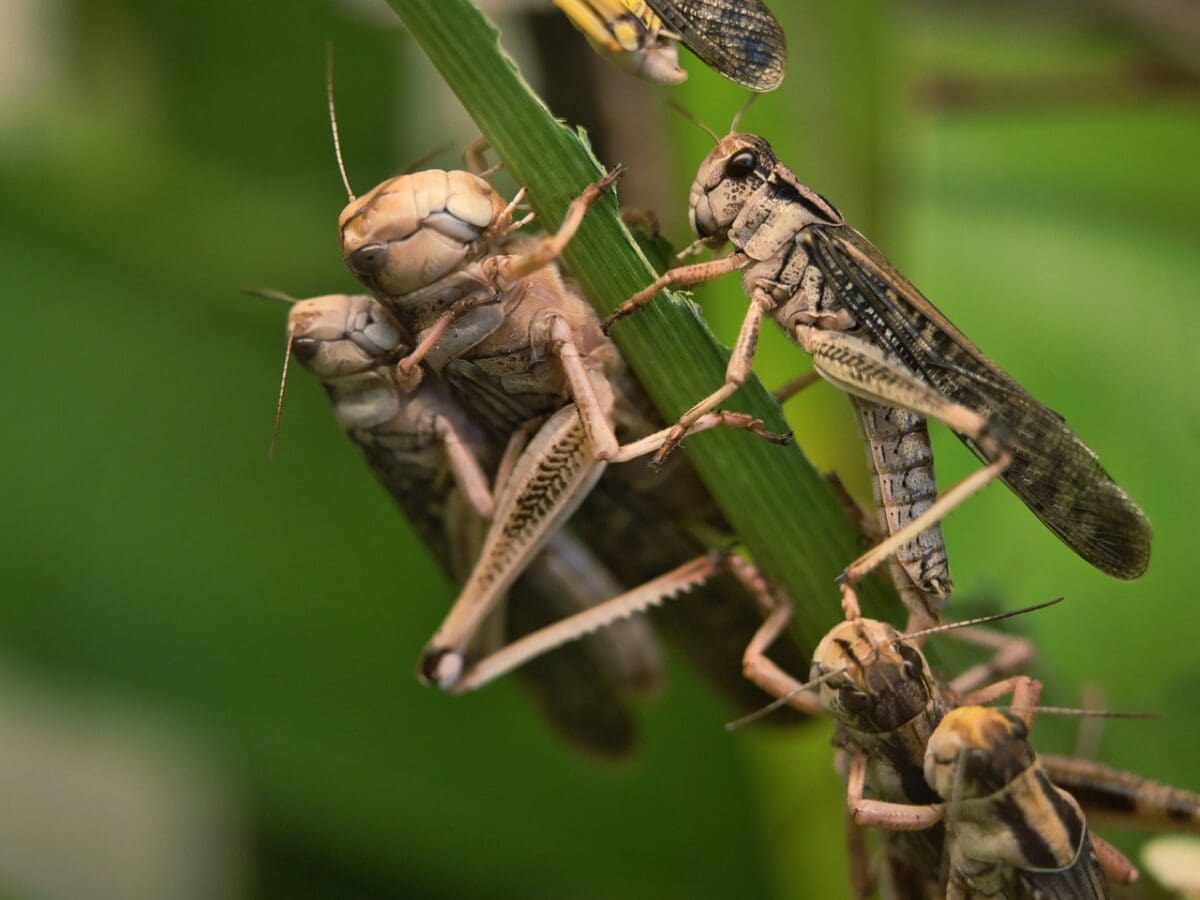
Climate change is altering insect behavior, leading to shifts in swarm patterns and intensities. Warmer temperatures, variable precipitation, and habitat changes are influencing insect life cycles, potentially heightening the frequency of swarm events in new regions.
Modern Mitigation Strategies

Today, technological advancements and improved pest management strategies have reduced the impact of swarms. Integrative pest management, public awareness campaigns, and scientific research have provided tools to predict and manage these occurrences more effectively, lowering their disruptive potential.
Conclusion

Insect swarms, while unsettling, are a testament to the dynamic interplay of organisms within ecosystems. While they can pose challenges to human activities, understanding their behaviors and patterns offers unique insights into environmental health. By fostering a balance between mitigation and appreciation, cities can coexist with these awe-inspiring natural events.

- The Story of the Arctic Fox’s Incredible Seasonal Transformation - July 18, 2026
- 10 Most Venomous Snakes in US National Parks - July 18, 2026
- The Moth That Drinks Blood - July 18, 2026