


The summer months in the Southwest of the United States are typically known for sweltering temperatures, but no one was prepared for the unprecedented heatwave that recently swept across the region. This catastrophically hot period has left an indelible mark not just on the climate records but also on the lives of millions of residents. In this article, we delve into the origins, impacts, and future implications of this historic climatic event.
Understanding Heatwaves

A heatwave is defined as a prolonged period of excessively hot weather, which may be accompanied by high humidity. They can be particularly dangerous, impacting health, infrastructure, and the environment. Understanding the basic definition is crucial in grasping how and why the Southwest was particularly vulnerable.
The Origins of the Southwest Heatwave

The recent heatwave is considered one of the most severe ever recorded in the Southwest. Several climatic factors contributed to its development, including La Niña patterns, which often result in hotter and drier conditions, and an unusual high-pressure system that trapped heat over the region.
Record-Breaking Temperatures

During the heatwave, many areas in the Southwest shattered previous temperature records. Cities like Phoenix and Las Vegas recorded temperatures exceeding 115 degrees Fahrenheit for several consecutive days, pushing the boundaries of endurance for both infrastructure and inhabitants.
Impacts on Human Health

The consequences for human health were dire. Heat-related illnesses surged, with an increase in heat exhaustion and heat stroke cases. Vulnerable populations, including the elderly, children, and outdoor workers, were at heightened risk for these conditions.
Effects on Infrastructure

The extreme heat took a toll on infrastructure, leading to power outages as the demand for electricity soared, with air conditioners working overtime. Roads and railways buckled under the relentless sunshine, and some airports experienced flight delays due to heat damage on runways.
Environmental Consequences

Beyond human and infrastructural impacts, the environment also suffered. Vegetation wilted, and water sources dwindled, exacerbating already dire drought conditions. This had a cascading effect on agriculture and wildlife in the region.
Wildfire Risk During Heatwaves
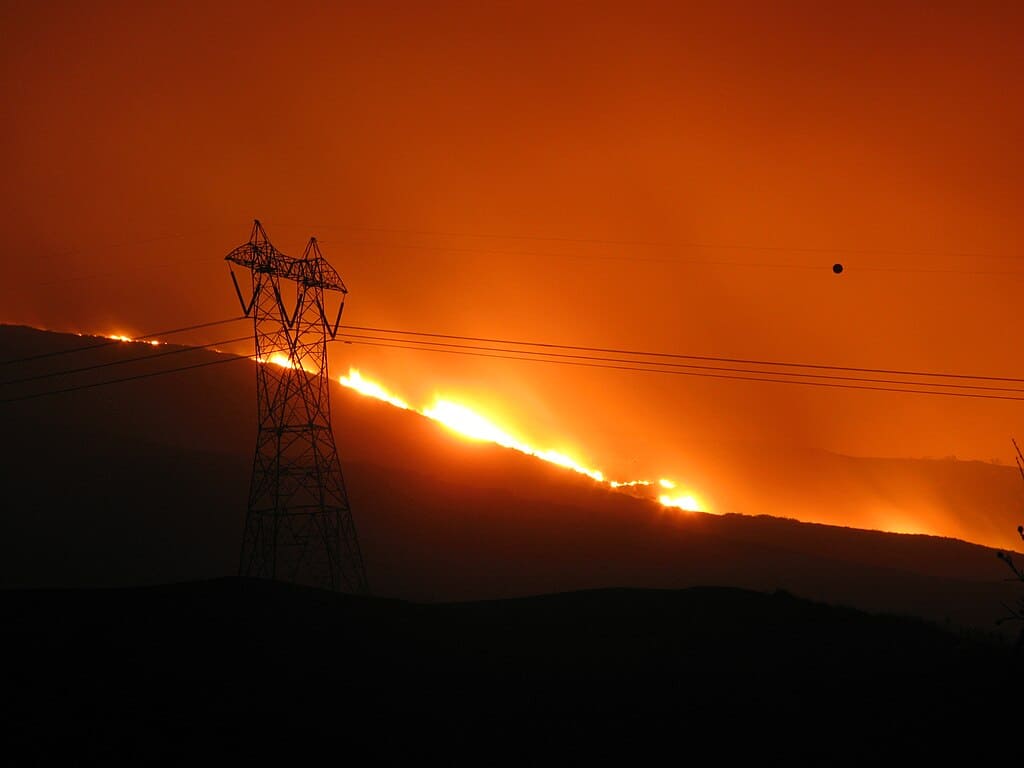
The persistent heatwave heightened the risk of wildfires. The dry, hot conditions created a perfect environment for fires to ignite and spread rapidly, posing threats to both natural landscapes and human settlements.
Economic Repercussions
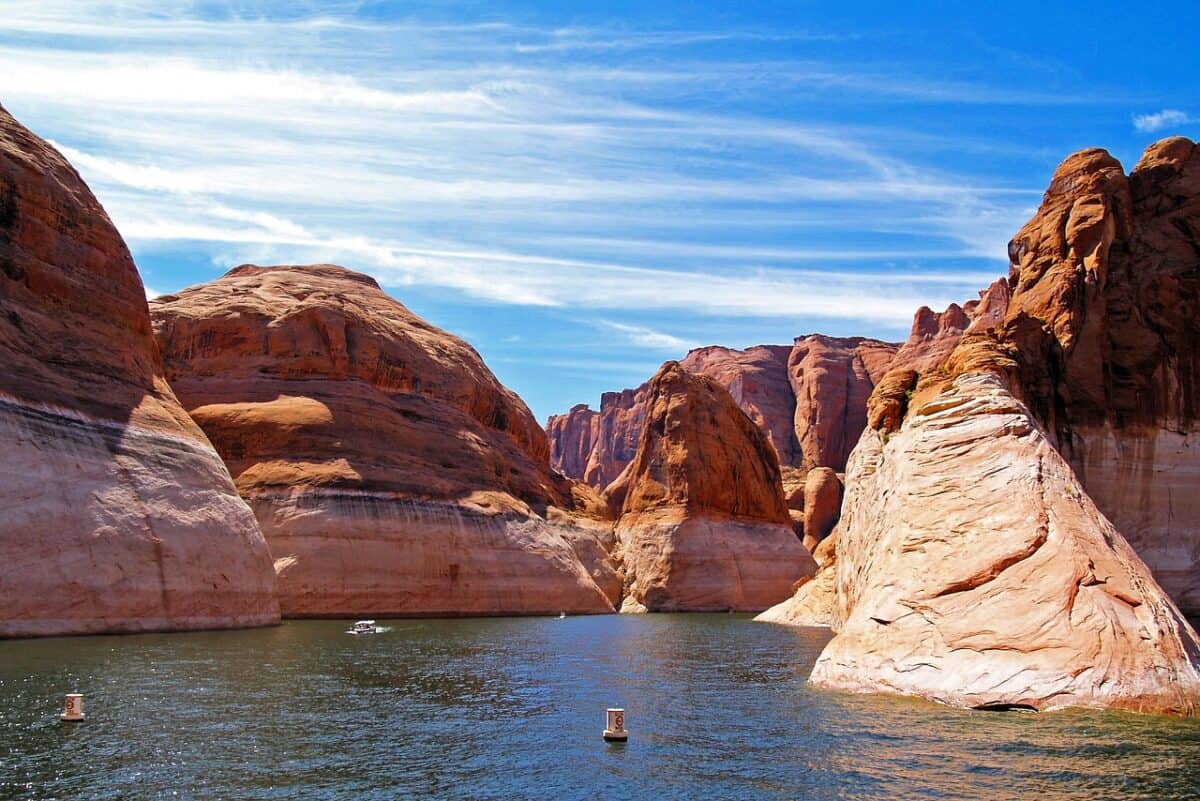
The economic effects of the heatwave were significant. Increased energy costs, disruptions in transport and logistics, and losses in agriculture all contributed to a financial strain on both individuals and businesses in the region.
Adaptation and Mitigation Strategies

In light of this catastrophic event, local governments and communities are exploring adaptation and mitigation strategies. This includes investing in heat-resistant infrastructures, expanding green spaces in urban areas to mitigate the urban heat island effect, and increasing public health resources.
Role of Climate Change

While naturally occurring weather patterns played a role, climate change is a significant driver of the increasing frequency and severity of heatwaves. Rising global temperatures mean that such events may become the new norm, necessitating urgent action on a global scale.
Lessons Learned
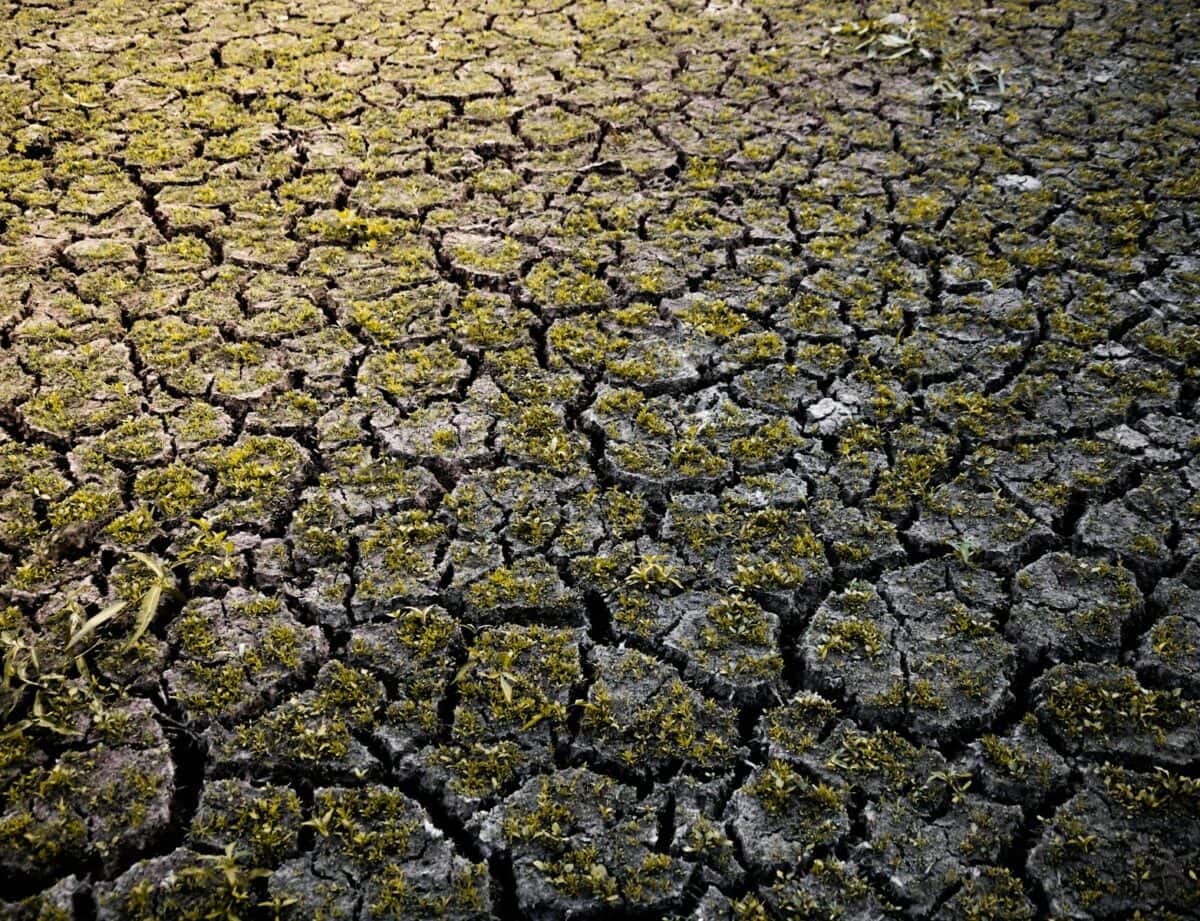
This heatwave served as a stark reminder of the urgent need to address climate change and its impacts. It highlighted the importance of preparedness and resilience in the face of increasingly severe weather events.
The Road Ahead for the Southwest
Looking ahead, the Southwest must prepare for a future where extreme heat becomes more commonplace. This includes strategic planning for water resources, energy demands, and infrastructure capable of withstanding high temperatures.
Conclusion

The most catastrophic heatwave ever felt in the Southwest has underscored the vulnerabilities of our societies to extreme weather events. It calls for a comprehensive response that harnesses community resilience, innovative adaptation strategies, and global cooperation to address and mitigate the effects of climate change. By learning from this event, we can strive towards a future that is better equipped to handle nature’s fiercest challenges.

From exploring the marine wonders in the Azores and witnessing the vast savannas of Kenya, to delving deep into the rich biodiversity of South Africa and traversing iconic landscapes in Australia and the US like Yellowstone, Chris's experiences are vast.
With a penchant for diving alongside sharks, the ocean holds a special place in his heart.
Through his academic insights, he champions wildlife conservation, striving with 'Animals Around The Globe' to cultivate a profound connection between humans and animals, enhancing our mutual appreciation.
Connect with him at Feedback@animalsaroundtheglobe.com.
- Why Spiders Don’t Get Stuck in Their Own Webs - July 20, 2026
- What Scientists Found in a 10,000-Year-Old Beehive - July 20, 2026
- This Spider Builds Fake Decoys of Itself - July 20, 2026