

Protecting the intricate ecosystems and unique wildlife found in urban environments in the United States presents unique challenges. One of the often-overlooked victims of urban expansion and pollution is the native turtle species. Fortunately, cities across the U.S. are stepping up with innovative solutions to safeguard these slow-moving icons of biodiversity. By understanding the plight of native turtles and supporting efforts to conserve their populations, we can play a crucial role in ensuring these marvelous creatures continue to thrive.
Understanding the Role of Turtles in Ecosystems

Turtles are more than just captivating creatures; they play a vital role in maintaining healthy ecosystems. As omnivores, turtles contribute to the control of insect and plant populations. Additionally, their unique ability to recycle nutrients through their waste improves soil quality and fosters plant growth, supporting the greater ecological community. By helping maintain the balance, the presence of turtles is critical for sustaining biodiversity.
Threats to Native Turtle Species

Despite their evolutionary resilience, native turtle species are facing an array of modern threats. Urbanization leads to habitat loss and fragmentation, making it difficult for turtles to find suitable nesting grounds. Increased road traffic results in higher mortality rates among migrating turtles, while pollution no longer provides them with clean habitats. Invasive species, climate change, and illegal collection also pose significant threats to turtle populations.
Local Conservation Initiatives

Cities across the U.S. are implementing creative solutions to address the challenges faced by native turtle species. Community-driven initiatives are pivotal in these efforts, often involving local governments, wildlife agencies, and nonprofits. These stakeholders collaborate to establish protective measures, raise awareness, and engage the public in conservation activities.
Creating Turtle-Friendly Infrastructure
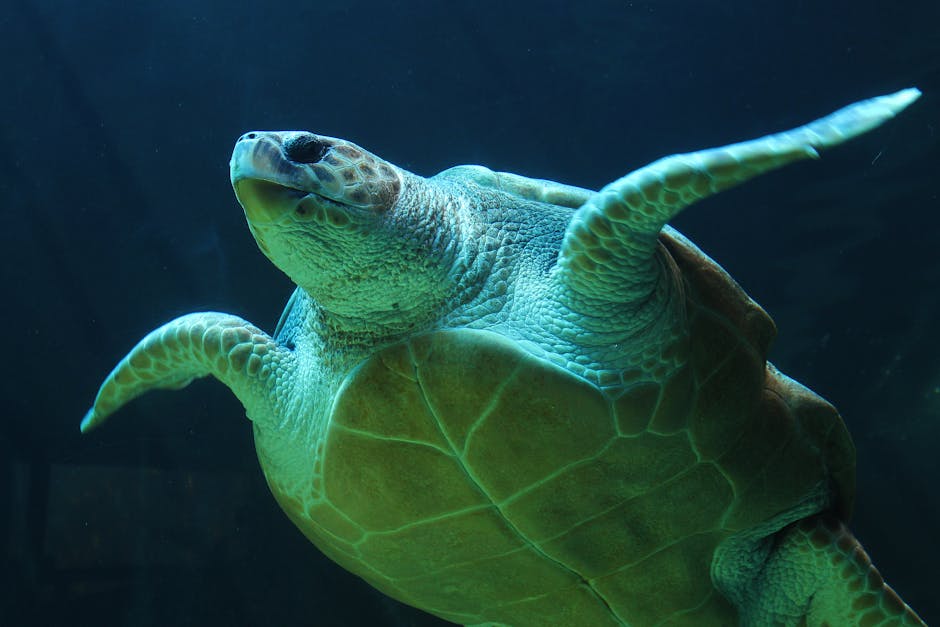
To reduce road-related fatalities, many cities have begun constructing turtle tunnels and overpasses that allow turtles to safely cross busy roads and highways. Such infrastructure is vital for ensuring turtles can freely migrate between habitats and nesting sites. Additionally, these structures help protect other small wildlife species that share the same habitats.
Restoration of Wetland Habitats
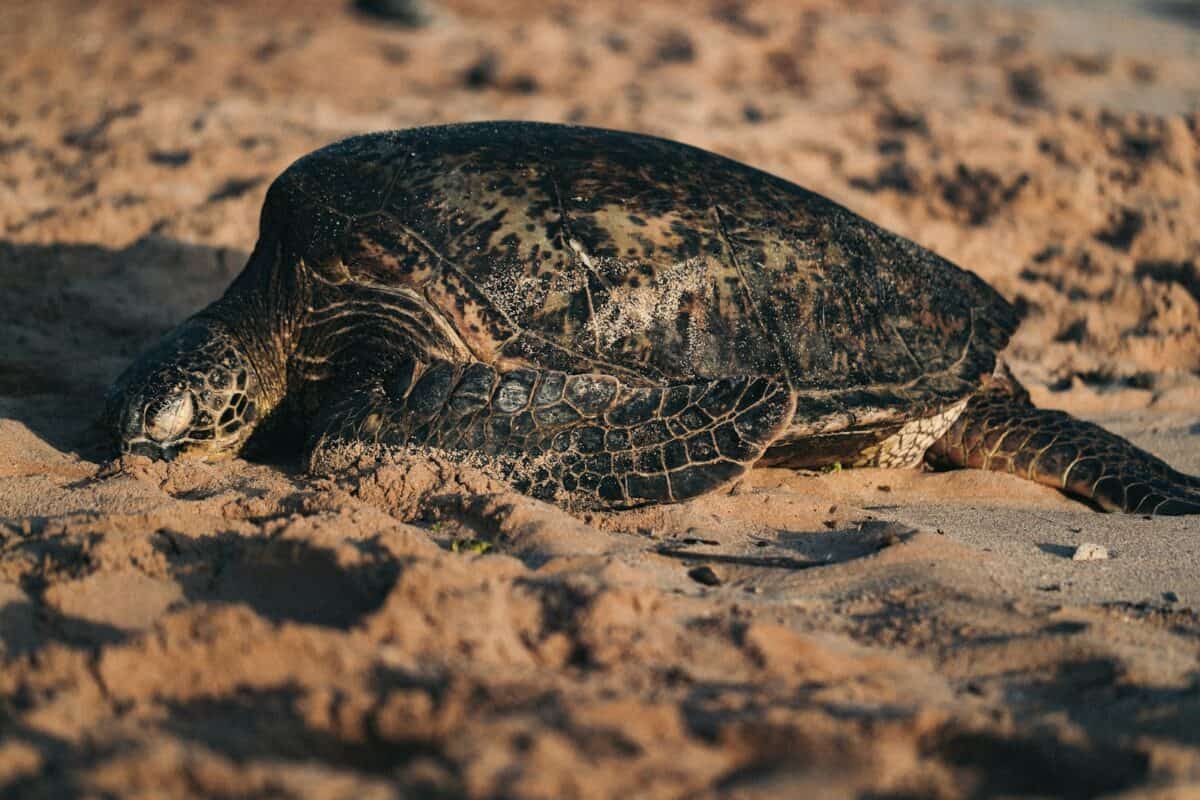
Restoring wetlands is a primary focus for many urban conservation efforts, as wetlands are crucial habitats for a variety of turtle species. Cities are investing in wetland restoration projects that not only enhance habitat quality for turtles but also contribute to flood management and improve water quality. These projects often involve planting native vegetation, removing invasive species, and reestablishing natural water flow patterns.
Educational Programs and Public Involvement

Education plays an essential role in conservation efforts. Cities are developing educational programs aimed at informing residents about local turtle species and the importance of preserving their habitats. Public involvement is encouraged through citizen science projects, where community members can assist in monitoring turtle populations and contribute valuable data for research and conservation planning.
Legal Protections and Policy Changes

Implementing legal protections and adjusting policies to safeguard native turtles is essential. Some cities have enacted ordinances that protect nesting sites, restrict the collection of wild turtles, and regulate habitat alterations. These legal measures ensure that conservation efforts are backed by enforceable actions, providing an additional layer of protection for vulnerable turtle species.
Partnering with Research Institutions
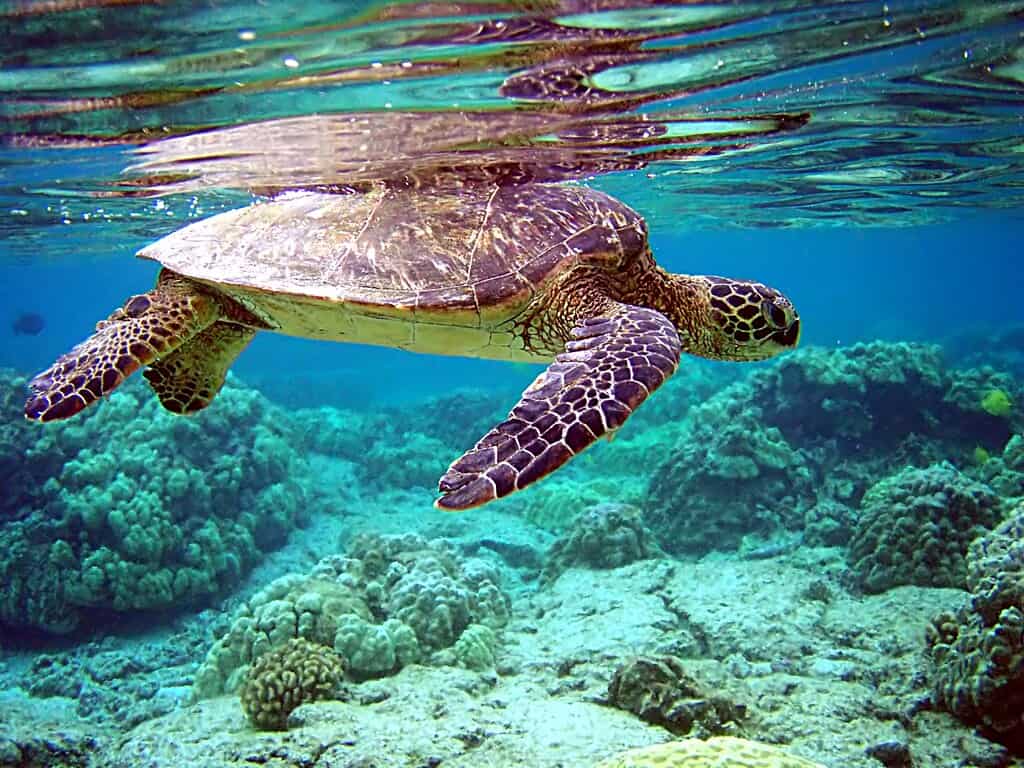
Collaboration with academia and research institutions is a cornerstone of effective wildlife conservation. Cities are partnering with universities and research organizations to study turtle behavior, ecology, and population dynamics. This research informs conservation strategies and helps measure the success of implemented initiatives.
Engaging the Next Generation

Inspiring the next generation to care about wildlife conservation is crucial for long-term success. Cities are integrating turtle conservation into school curricula and hosting field trips to local wetland reserves. By engaging youth in hands-on experiences, these programs foster a deep appreciation for turtles and instill a sense of responsibility for protecting the environment.
Leveraging Technology for Conservation

Technological advancements provide new opportunities for turtle conservation. Cities are using satellite tracking, drones, and GPS tagging to monitor turtle movements and identify critical habitats. This data-driven approach enables precise interventions and helps assess the impact of conservation efforts more accurately.
Community Resilience through Nature
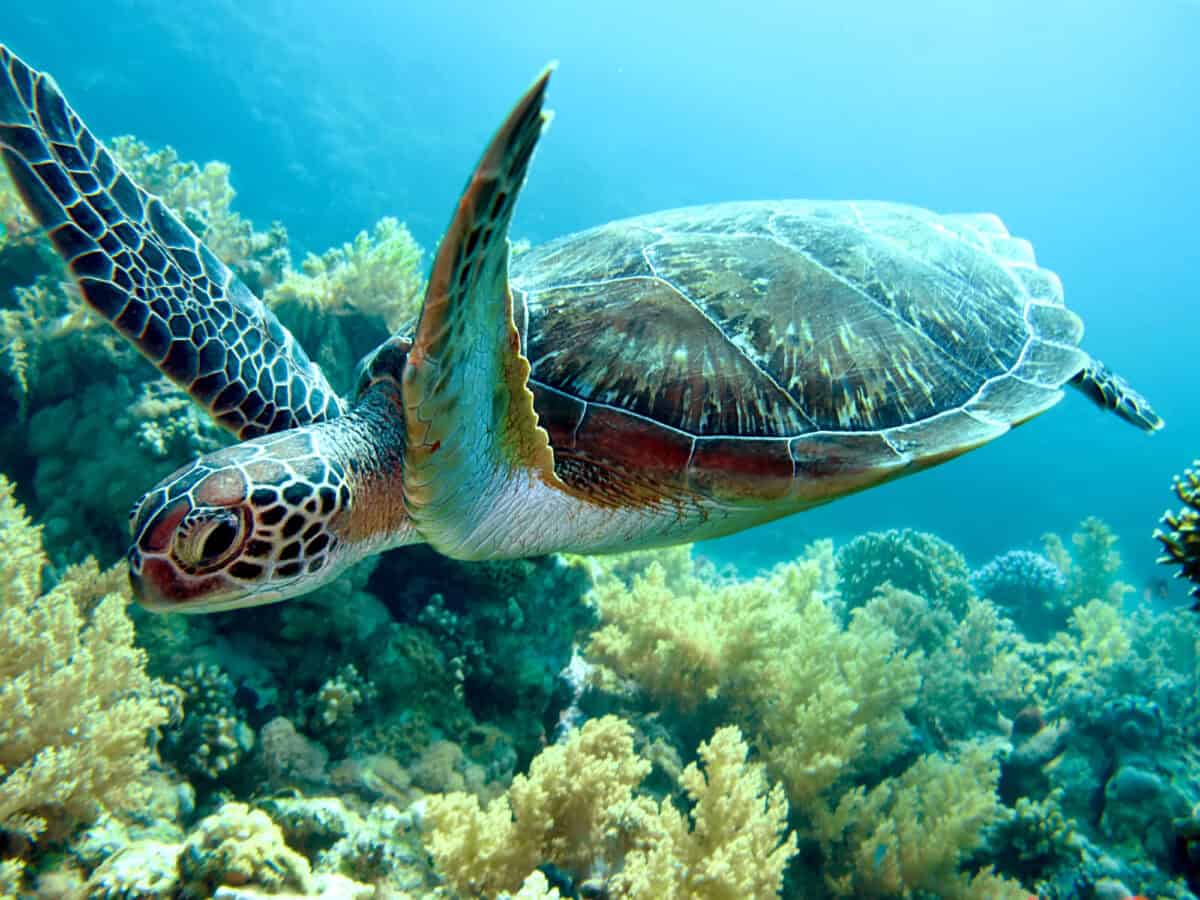
Efforts to protect native turtle species contribute significantly to building community resilience. By maintaining healthy ecosystems, cities ensure that residents benefit from the ecosystem services provided by natural areas, such as clean air and water, recreation opportunities, and enhanced mental well-being. Engaging communities in conservation fosters a sense of pride and stewardship over local natural resources.
The Road Ahead: Challenges and Opportunities

Despite significant progress, challenges remain in protecting native turtle species within urban environments. Continued habitat destruction, climate change, and limited funding for conservation programs are formidable obstacles. However, opportunities abound as awareness grows and more cities commit to ecological sustainability. By recognizing the interconnectedness of urban ecosystems and the creatures that inhabit them, we can create strategies that reconcile urban growth with wildlife preservation.
Conclusion

Efforts to protect native turtle species in U.S. cities represent a convergence of ecology, community, and innovation. By addressing the needs of these ancient creatures, we can help ensure the health and vitality of our urban environments for generations to come. Through a collective commitment to conservation, education, and sustainable development, we pave the way for both turtles and people to thrive together. In safeguarding these remarkable reptiles, we reaffirm our responsibility to nurture and cherish the natural world that enriches our lives.

- The Secret Language of Dolphins Decoded by Researchers - July 20, 2026
- 7 Animals That Can Survive Extreme Environments You Couldn’t - July 20, 2026
- The Longest Snake Ever Found in the U.S. - July 20, 2026