


Porcupines are often thought of as solitary, prickly creatures, but scientific studies reveal that they exhibit social behaviors under specific conditions. While they are not known for affection in the way that dogs or cats are, porcupines do form social bonds, particularly during mating and denning seasons. Some individuals even show tolerance towards humans in captivity.
Are Porcupines Really Solitary?
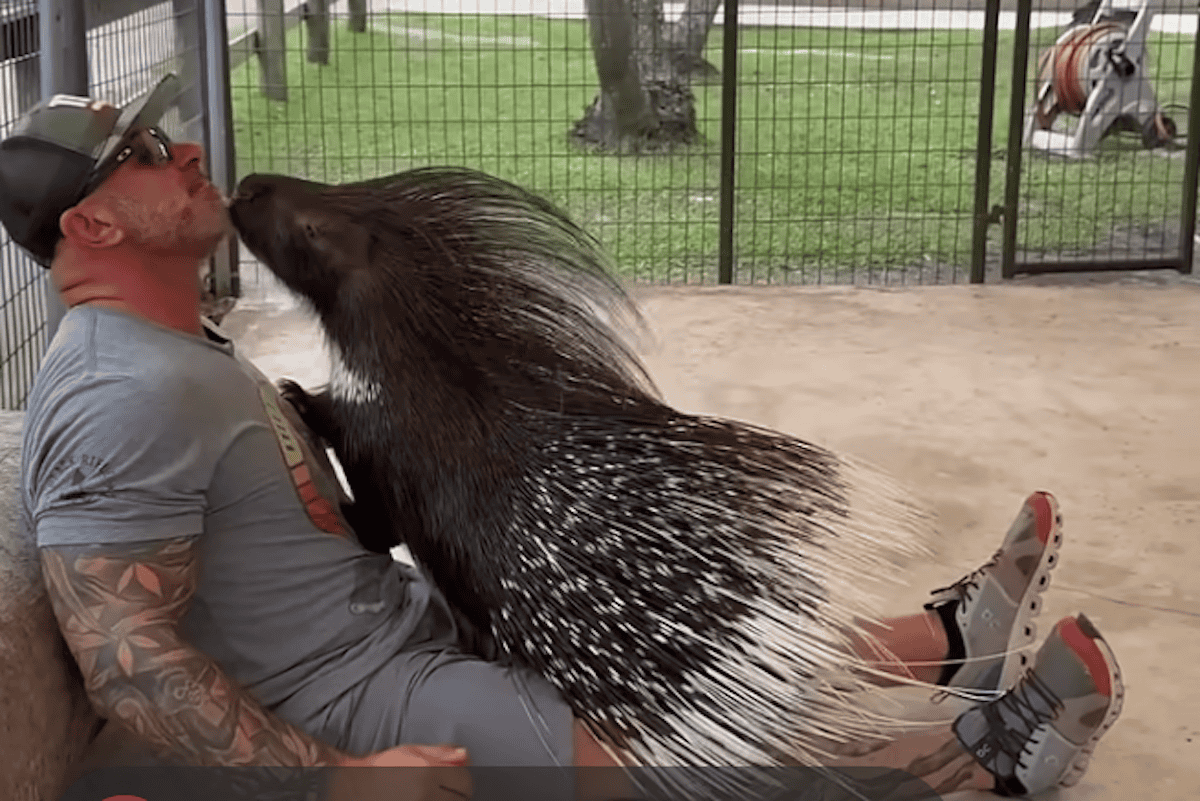
Most porcupine species, including the North American porcupine (Erethizon dorsatum), are primarily solitary. However, studies show that they may form small groups in the winter, sharing dens with others to conserve warmth and avoid predators. These temporary social interactions suggest that porcupines are not as strictly solitary as once believed. Crested porcupines (Hystrix cristata), found in parts of Africa and Europe, live in monogamous pairs and raise their young together, further challenging the idea that porcupines are always loners.
How Do Porcupines Show Affection?

Porcupines do not display affection in the way that domesticated animals do, but they use physical touch and vocalizations to communicate with mates and offspring. Mating pairs often groom each other and remain together for extended periods. Baby porcupines, called porcupettes, stay close to their mothers, relying on touch and soft vocalizations for comfort. These interactions indicate a capacity for social bonding, though it is limited to specific relationships.
Porcupine-Human Interactions in Captivity
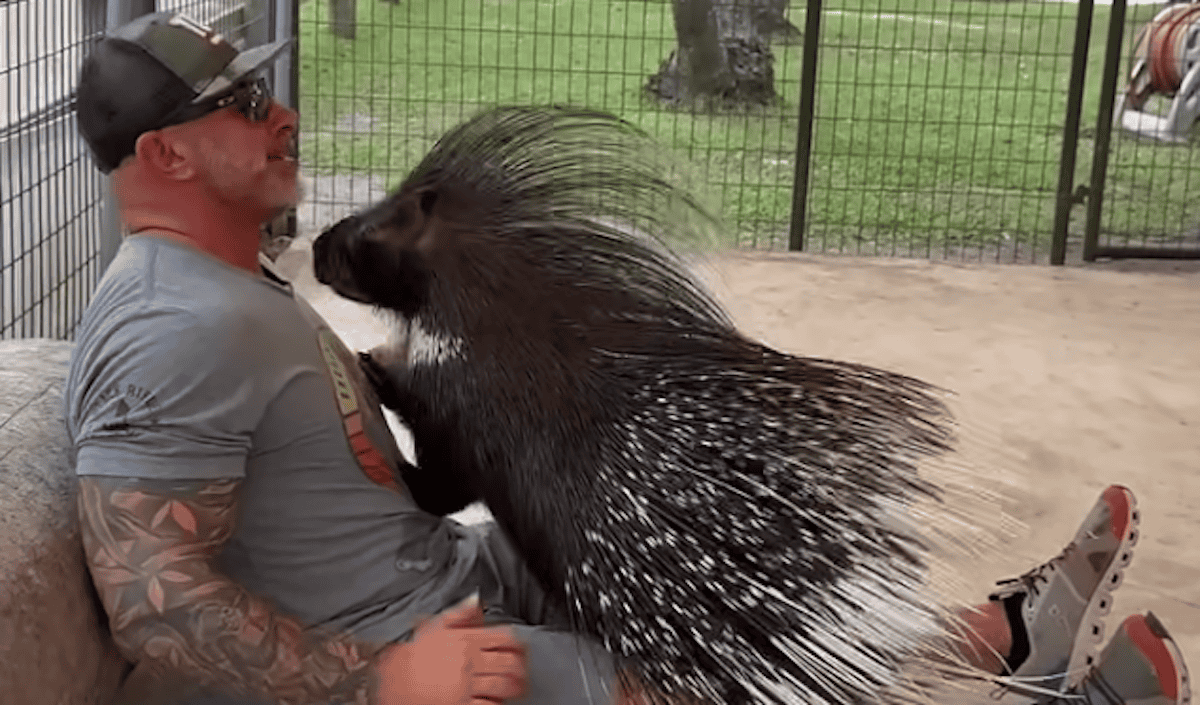
Some porcupines raised in wildlife centers or as exotic pets appear to enjoy human interaction. They may nuzzle their caretakers, follow them around, or seek out attention. These behaviors are likely the result of habituation rather than natural affection. Studies suggest that porcupines can recognize individuals and associate them with safety and food, leading to behaviors that resemble affection. However, these interactions do not necessarily reflect the behavior of wild porcupines.
Do Porcupines Enjoy Being Petted?
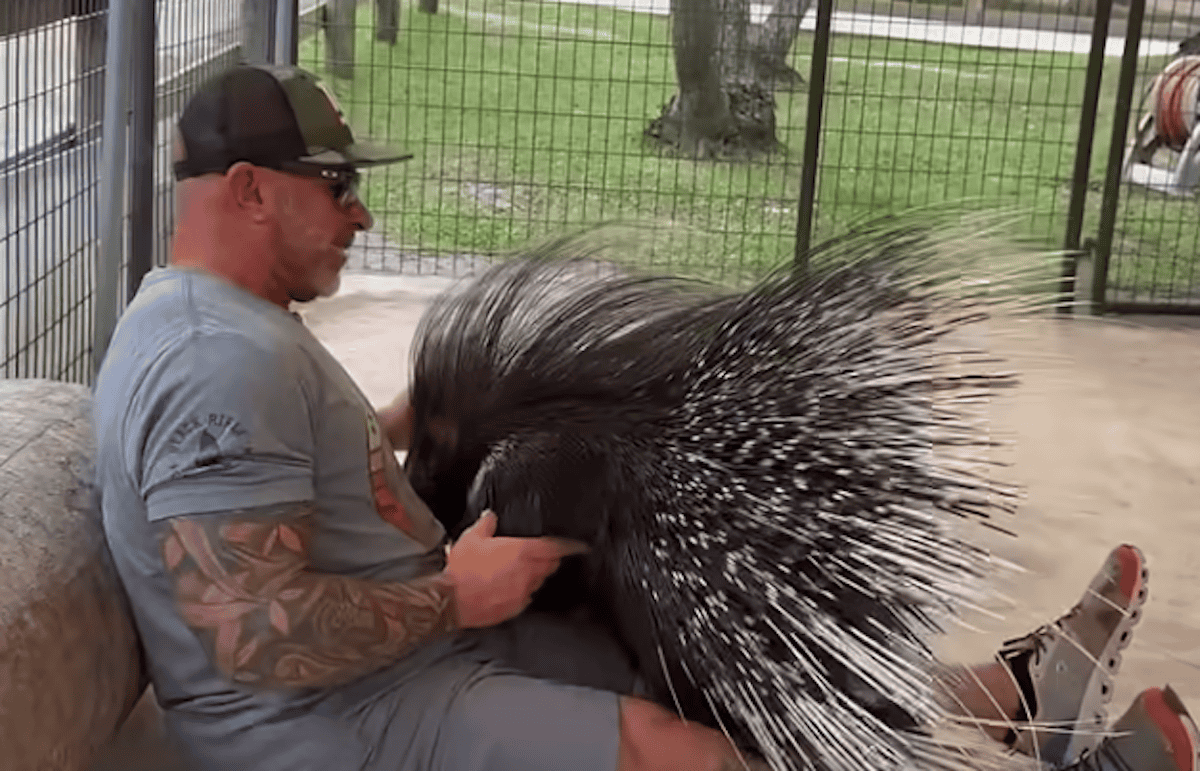
Porcupines have a thick coat of sharp quills, making physical contact difficult. In the wild, they rely on body language rather than touch to communicate. However, captive porcupines that have been hand-raised sometimes tolerate gentle petting on their quill-free areas, such as the belly or face. Scientists caution that while some porcupines appear to enjoy contact, this is not typical behavior for the species.
The Role of Vocalizations in Social Bonds
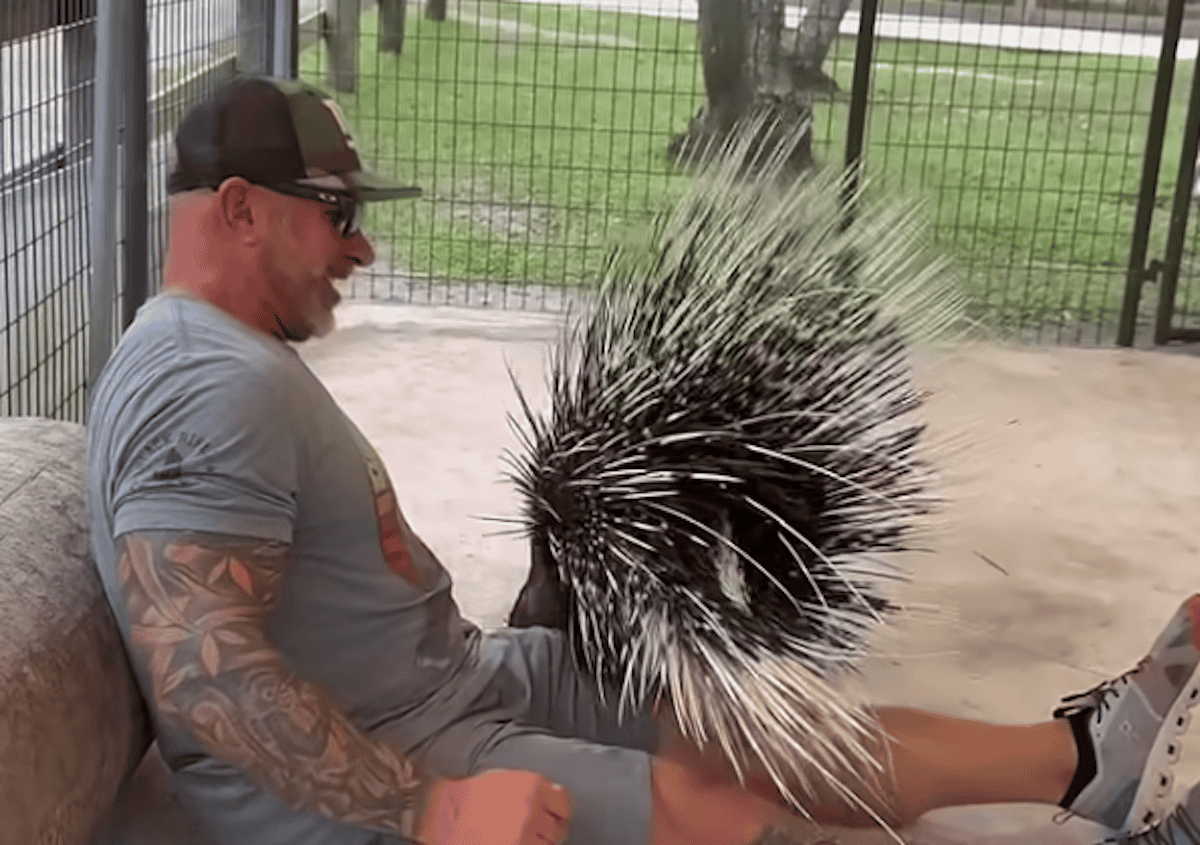
Porcupines use a variety of sounds to communicate with each other. Research has recorded porcupines making whines, grunts, and even purring-like noises during interactions with mates or caretakers. These vocalizations suggest an emotional component to their interactions, particularly in situations involving comfort or bonding. While not as expressive as other mammals, porcupines do use sound to strengthen social connections.
Respecting the Nature of Porcupines

While porcupines may exhibit social behaviors and even develop bonds with humans in captivity, they remain wild animals with strong survival instincts. Their quills serve as a defense mechanism, not just against predators but also in response to perceived threats. Understanding their natural behaviors allows humans to appreciate them while respecting their space. Whether in the wild or in rehabilitation centers, porcupines remind us that affection can take many forms, even in the most unexpected species.

adventuring, photography and videography. I am currently working towards a BSc in Biodiversity and Ecology at Stellenbosch University to go on to specialise in Marine Sciences one day.
Please send any feedback to Feedback@animalsaroundtheglobe.com
- Cat Gives An Unsuspecting Deer A Fright - July 19, 2026
- Are South Australia’s Toxic Algal Blooms to Blame For Sharks Coming on Shore? - July 18, 2026
- How Wildlife is Helping Track Human Impact - July 18, 2026