

The deserts of America are often misconceived as barren wastelands, but they are dynamic ecosystems teeming with unique life. Among the sand dunes, rocky outcrops, and sparse vegetation, various critters have adapted to thrive in these harsh conditions. From the scorching Mojave Desert to the vast expanses of the Sonoran Desert, these resilient animals demonstrate nature’s remarkable adaptability. This article explores twelve fascinating critters that have made America’s deserts their home, revealing behaviors and adaptations that ensure their survival in one of the Earth’s most extreme environments.
Desert Kangaroo Rat The Waterless Wonder
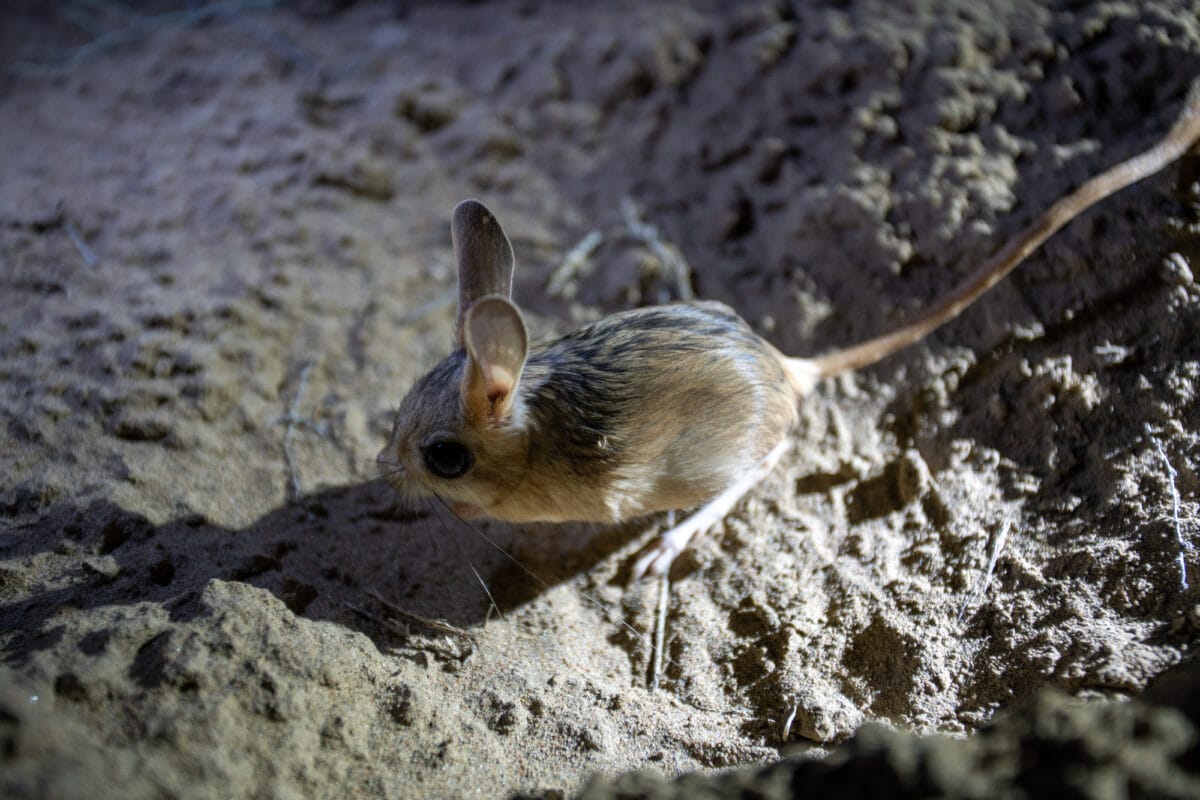
The desert kangaroo rat is a small rodent known for its extraordinary ability to survive without direct water intake. Native to the Southwestern United States, it is well-adapted to desert life, obtaining moisture from the seeds it consumes. Its kidneys are specially adapted to concentrate urine, minimizing water loss. Furthermore, its nasal passages trap moisture from exhaled air, ensuring no precious water escapes unnecessarily.
Gila Monster The Venomous Survivor
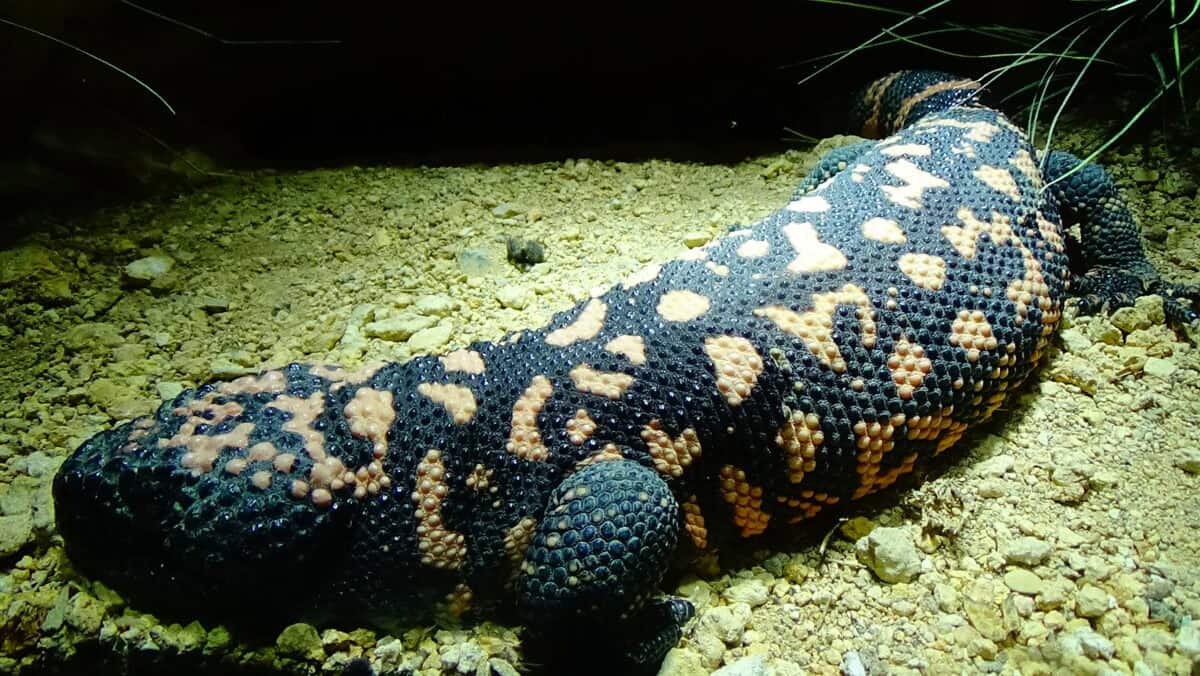
One of only a handful of venomous lizards in the world, the Gila monster roams the Mojave and Sonoran deserts. This slow-moving reptile is easily recognized by its striking black and orange markings. Gila monsters spend most of their time underground, emerging to feed primarily on eggs and small mammals. Their venom is mainly used for defense, as they are not primarily hunters but rather scavengers.
Cactus Wren Master Builder of the Desert

Endemic to the deserts of the Southwestern United States, the cactus wren is an expert at building nests in thorny cacti, which offer protection from predators. These birds are incredible foragers, primarily feeding on insects, fruits, and seeds. They have adapted to the desert environment by being active during the cooler parts of the day, thereby conserving energy and water.
Desert Tortoise The Slow and Steady Survivor
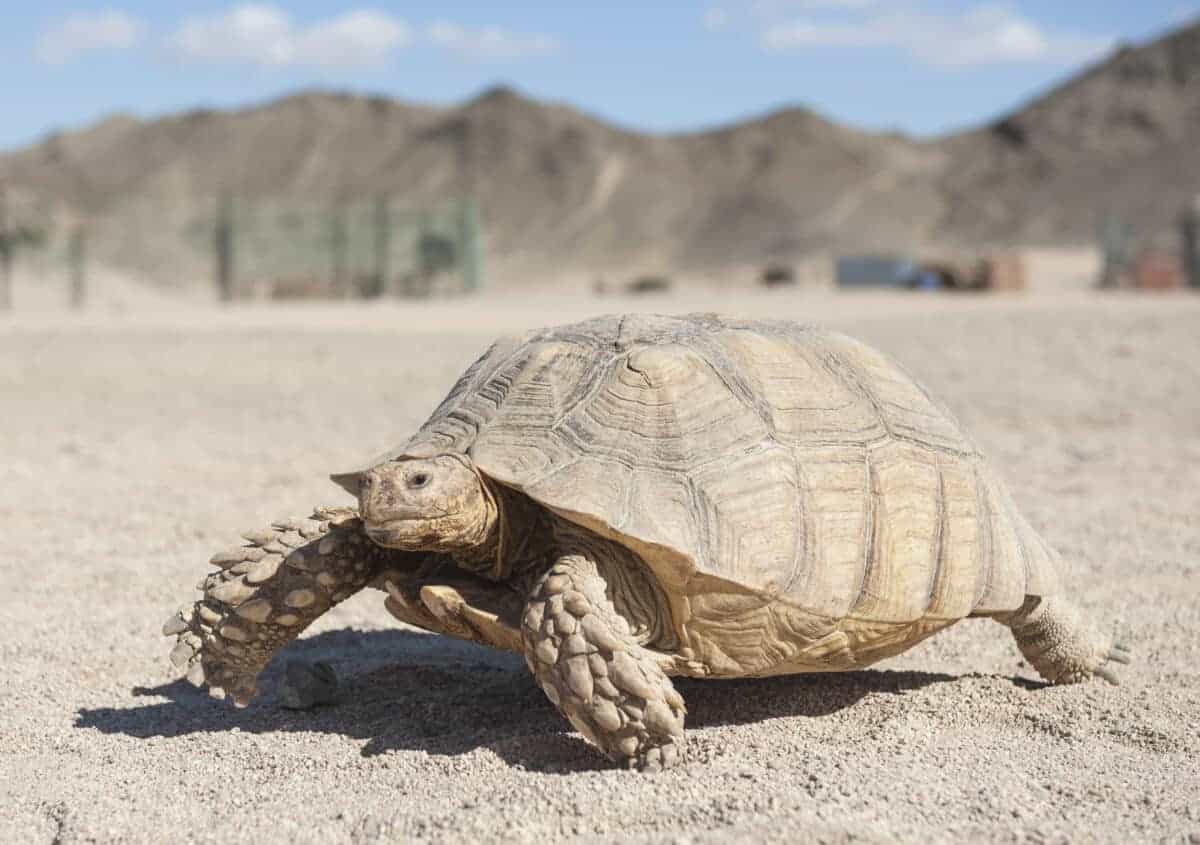
The desert tortoise is a fixture of the Mojave and Sonoran deserts, where it spends up to 95% of its life in burrows to avoid the extreme heat. With a lifespan of over 80 years, these tortoises are astonishingly resilient, relying on stored body fat and water reserves. They are herbivorous, primarily feeding on grasses, flowers, and cacti, which provide necessary hydration.
Horned Lizard The Mimicry Expert

The horned lizard’s spiky appearance provides camouflage and protection from predators. Found in arid environments across the American Southwest, these lizards are adept at avoiding danger. When faced with predators, they can squirt blood from their eyes as a defense mechanism. Horned lizards’ diet consists mainly of ants, which they snap up using their long, sticky tongues.
Saharan Silver Ant Heat Loving Insect

Though renowned for Africa, the curious case of its heat tolerance draws comparisons with North America’s desert ants. Saharan silver ants survive incredibly high temperatures, similar to American species. They limit foraging to the hottest parts of the day, outlasting predators. Their adaptation provides insights into the survival strategies of American desert-dwelling insects.
Sidewinder Rattlesnake Sand Swimmer
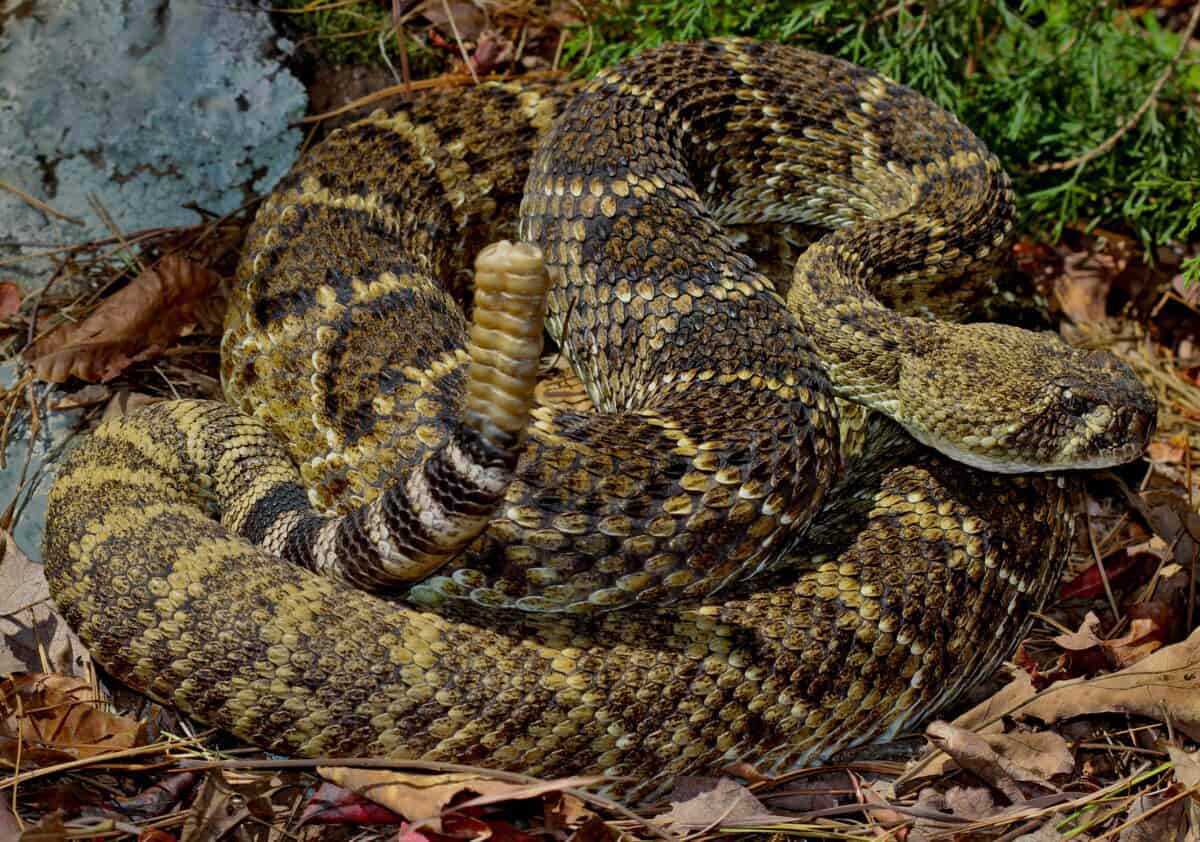
The sidewinder rattlesnake is a uniquely adapted predator of the sandy deserts. Its sidewinding locomotion allows it to move efficiently across loose sand while minimizing contact with the hot surface. This snake is equipped with heat-sensing pits that enable it to detect the body heat of prey, even in the darkest nights of the desert.
Jackrabbit High-Speed Herbivore
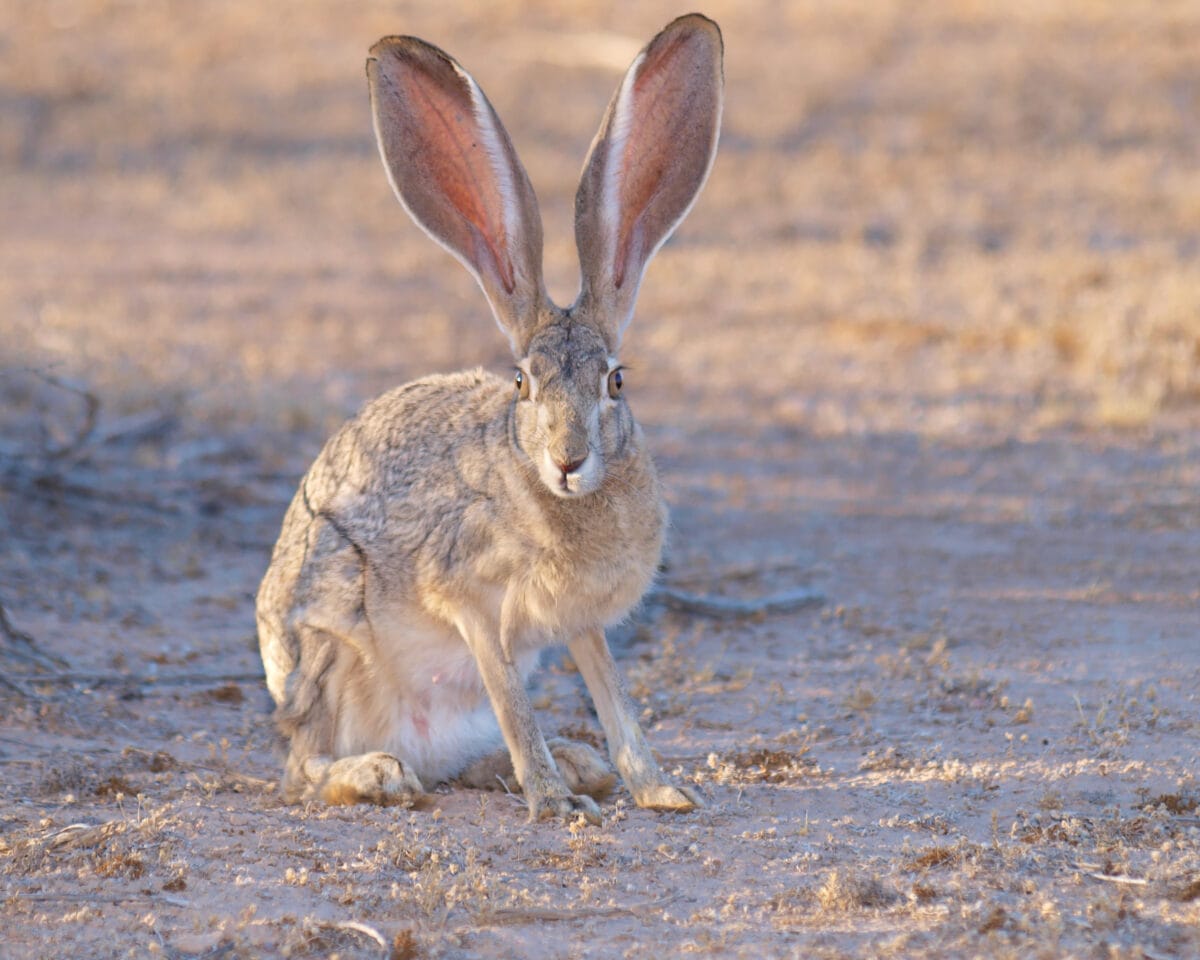
The black-tailed jackrabbit is a common sight in the deserts of the American Southwest. Known for their long ears and powerful hind legs, they are adept at sprinting long distances to escape predators. Jackrabbits primarily feed on grasses and desert shrubs, extracting moisture from the succulent plants. Their large ears also help regulate body temperature by dissipating heat.
Scarab Beetles Nature’s Recyclers
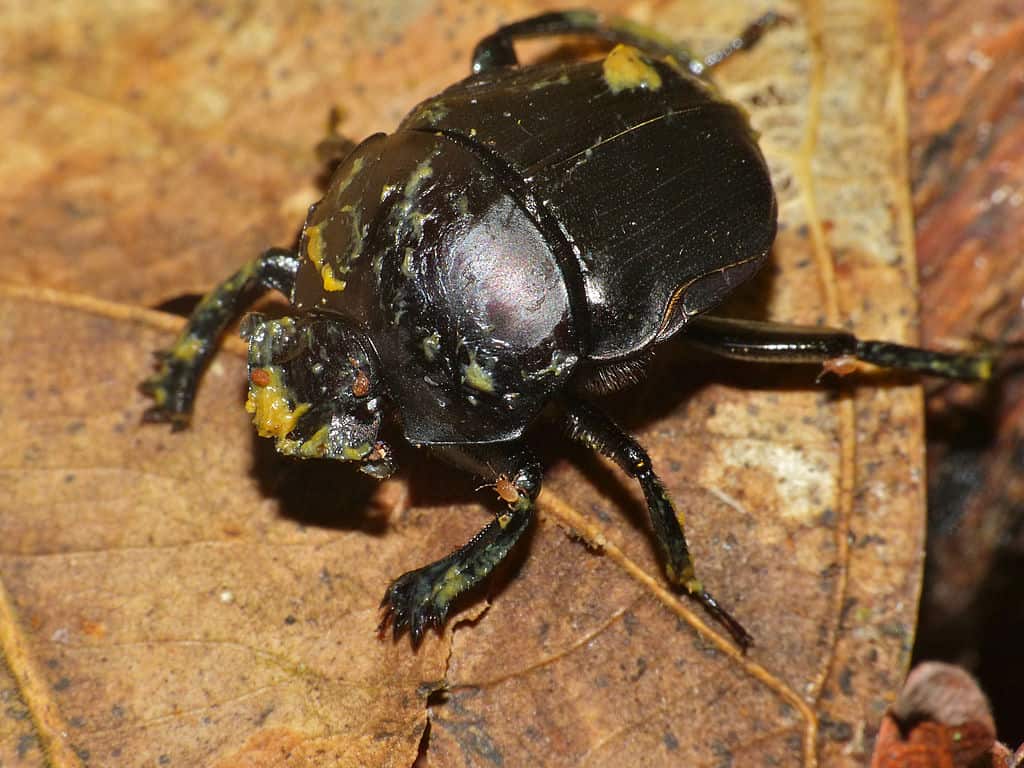
Scarabs play a vital role in the desert ecosystem as decomposers. They break down plant and animal matter, recycling nutrients back into the soil. Their hard exoskeleton protects them in the hot environment, and they can be seen rolling dung across the arid landscape, contributing to the nutrient cycle essential for plant life.
Cougar The Stealthy Predator

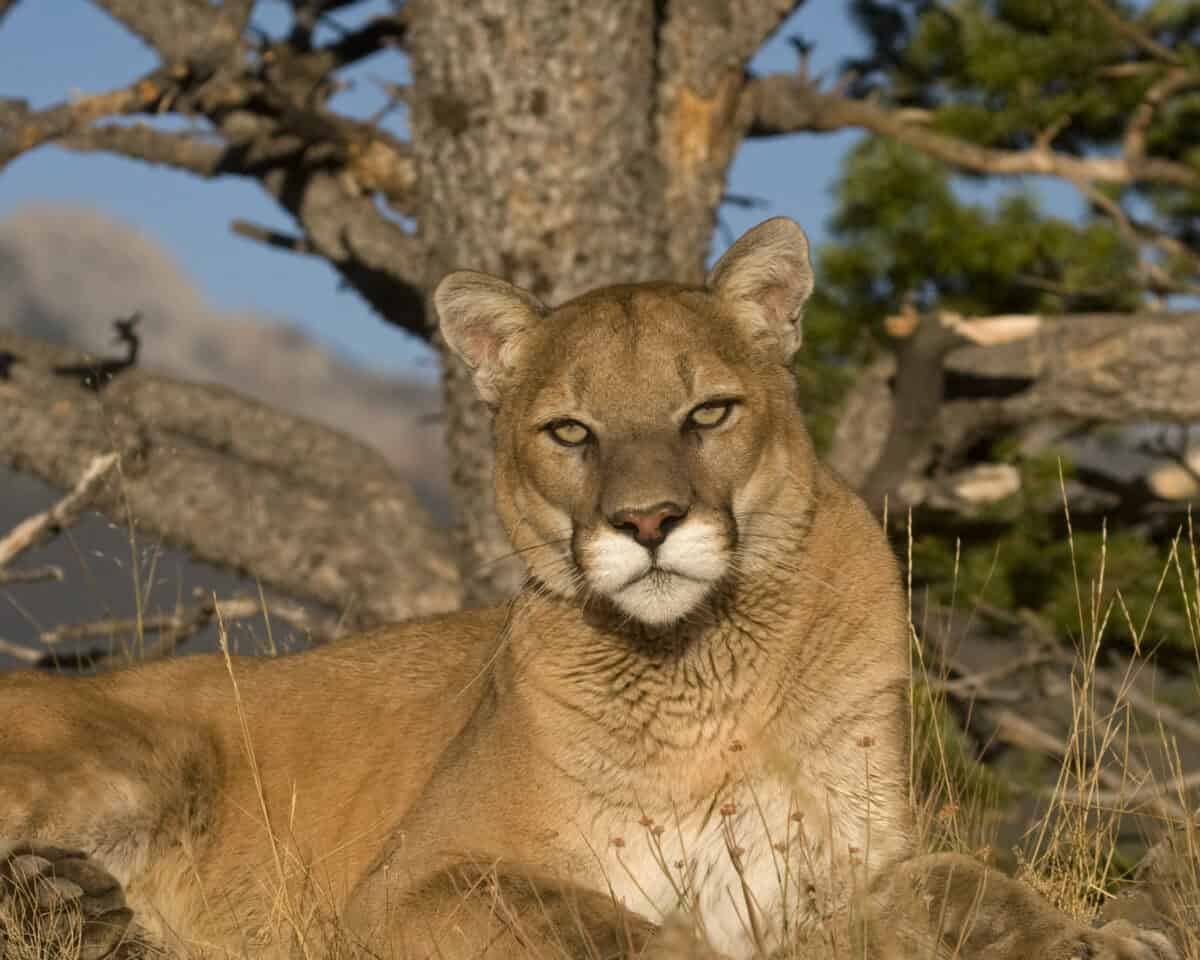
The cougar, or mountain lion, is one of North America’s most adaptable large predators, roaming the edges of desert zones. Its expansive territory is indicative of its need for large amounts of prey. Stealthy by nature, cougars primarily hunt deer but will take smaller mammals when available, showcasing their adaptability to different habitats, including harsh desert regions.
Roadrunner The Speedy Omnivore
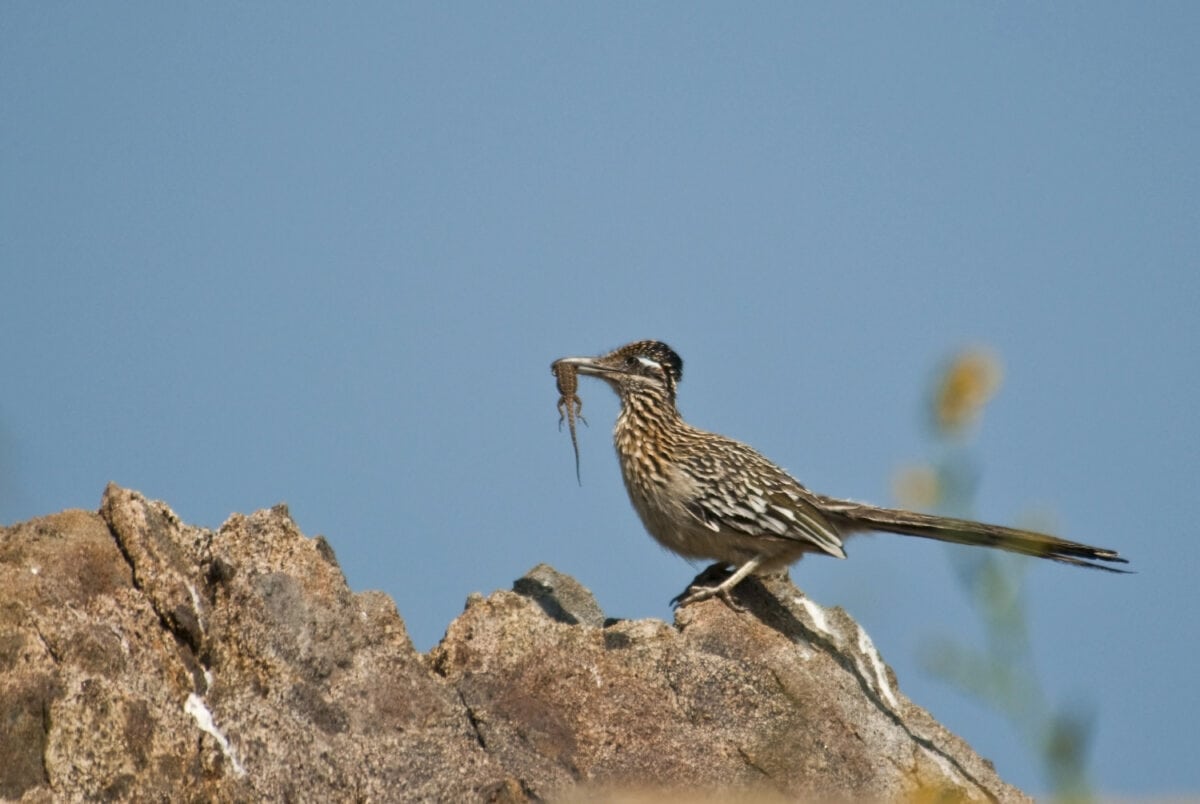
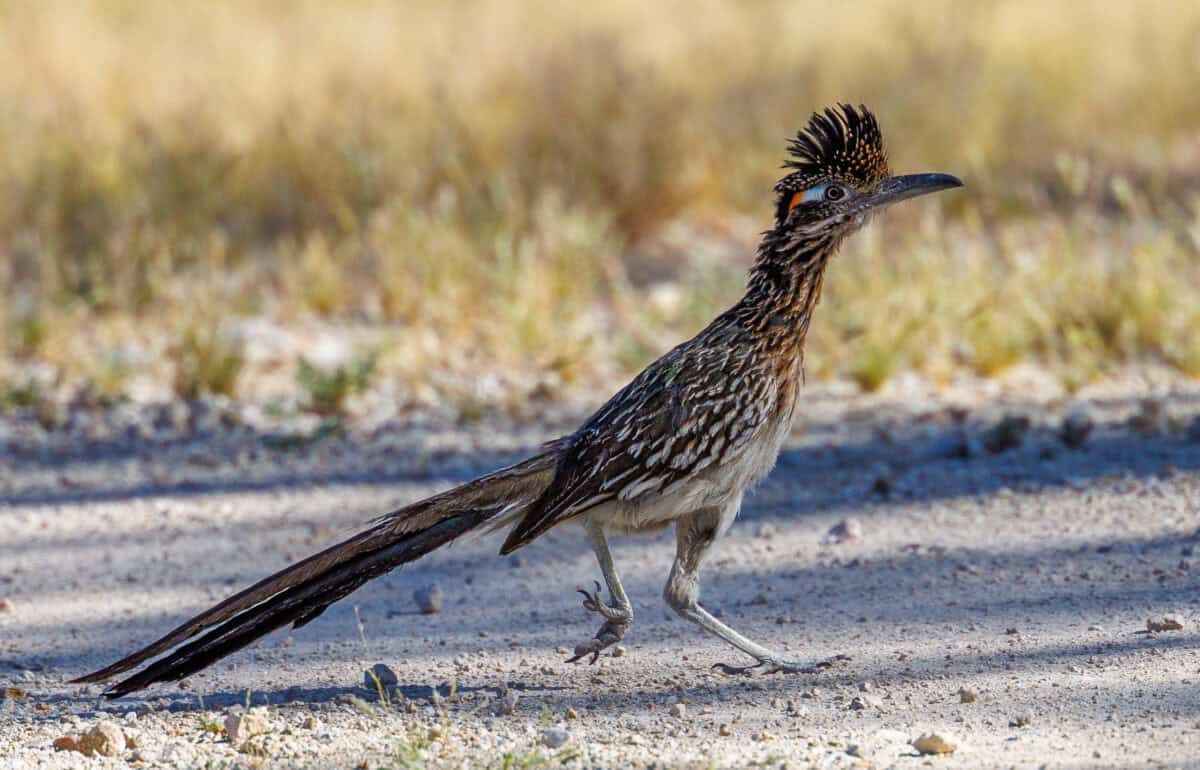
Famous for its astonishing speed, the roadrunner is a ground cuckoo capable of reaching speeds up to 20 miles per hour. Thriving in the arid deserts of the Southwest, these birds are opportunistic feeders, hunting insects, lizards, and even small snakes. Their diet provides necessary moisture, allowing them to survive long periods in a water-scarce environment.
Western Diamondback Rattlesnake Icon of the Desert
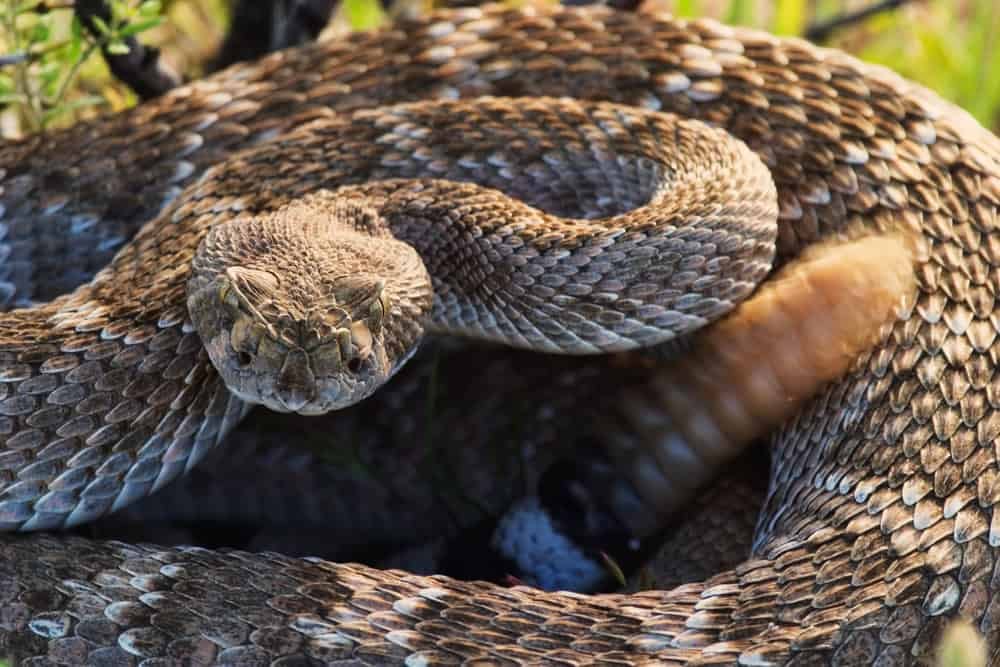
The western diamondback rattlesnake is synonymous with the desert landscape. Known for its distinctive rattle and diamond-patterned back, this snake is a highly efficient predator. Its heat-sensing abilities and venomous bite make it a formidable hunter in the desert, where it preys on small mammals, birds, and reptiles.
Conclusion:
In conclusion, America’s deserts, with their brutal climates and extreme conditions, have shaped a unique collection of wildlife. These critters showcase incredible adaptations and resilience that allow them to flourish in such an unforgiving environment. From the ingenious moisture conservation of the desert kangaroo rat to the roadrunner’s speed and agility, each species offers a fascinating glimpse into the complexities and wonders of desert life. Understanding these desert dwellers enhances our appreciation of these harsh landscapes, reminding us of the intricate balance of life in even the most challenging environments.

As a little kid, I fell in love with nature, wildlife, and animals. Living in the USA, South Africa, Italy, China and Germany gave me the opportunity to discover the world's Wildlife. My favorite animals are Mountain Gorillas, Siberian Tigers, and Great White Sharks.
I'm a certified PADI Open Water Diver, went to Everest Base Camp and Trekked Gorillas in Uganda. I hold a Master of Science in Economics and Finance.
Please send any feedback to feedback@animalsaroundtheglobe.com
- 13 Cat Breeds That Get Along with Dogs - July 20, 2026
- The 12 Largest Dog Breeds That Still Love to Cuddle - July 20, 2026
- 12 Pet Habits That Secretly Mean They Love You - July 20, 2026