


Dolphins are among the most intelligent and studied marine mammals, captivating scientists and the public alike with their complex behaviors and social structures. U.S. marine biologists have been delving deep into dolphin pods to uncover secrets about their communication, social dynamics, and ecological roles. This article explores the fascinating findings from these studies, shedding light on how dolphins continue to inspire awe and scientific discovery.
Understanding Dolphin Social Structures
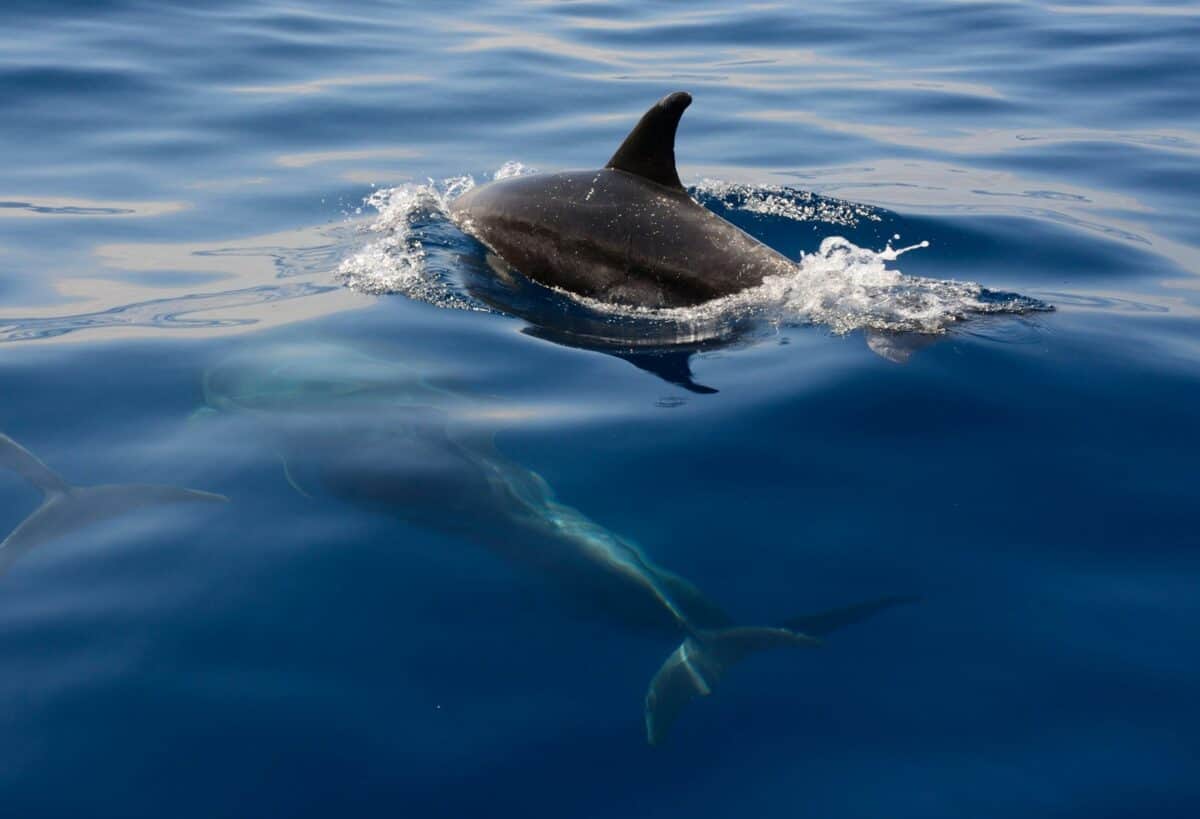
Dolphin pods are more than just groups swimming together. They are intricate social units with complex hierarchies and interactions. Marine biologists have observed that dolphins form bonds similar to human friendships, with some relationships lasting a lifetime. Understanding these social structures helps researchers learn more about how dolphins cooperate, compete, and communicate.
The Science Behind Dolphin Communication

Dolphins are known for their sophisticated vocalizations, which include clicks, whistles, and body movements. Biologists study these sounds to decipher the “language” of dolphins. Recent research suggests that some dolphin vocalizations are specific to certain individuals or pods, almost like a name, allowing them to identify each other even in large groups.
Dolphins as Ecosystem Sentinels

Dolphins are key indicators of ocean health, as they occupy a top position in the marine food chain. By studying dolphin populations and behaviors, marine biologists gain insights into the broader impacts of environmental changes, such as pollution and climate change, on marine ecosystems.
Innovations in Tracking and Monitoring

Technology plays a crucial role in studying dolphin pods. Advanced GPS and sonar tagging techniques enable scientists to track dolphin movements and dive patterns over time. These innovations provide invaluable data for understanding migration, habitat use, and even social interactions within pods.
Dolphin Intelligence and Problem-Solving

Research highlights dolphins’ exceptional intelligence, particularly their ability to solve complex problems. Dolphins have been observed using tools, like marine sponges, to forage for food, showcasing their innovative problem-solving skills which are comparable to those of higher primates.
The Role of Dolphins in Marine Research

Dolphins are not only subjects of research but also collaborators in scientific studies. Marine biologists utilize trained dolphins in controlled environments to gain insights into cognitive and psychological studies, significantly contributing to our understanding of marine life intelligence.
Behavioral Adaptations to Changing Environments

Marine biologists have documented how dolphins adapt their behaviors in response to environmental stresses, such as noise pollution and habitat changes. These adaptations highlight their resilience and offer lessons on the importance of conservation efforts to protect their natural habitats.
Dolphin Parenting and Social Learning

Researchers are fascinated by dolphin parental care and social learning. Calves learn complex social behaviors and survival skills by mimicking their mothers and other group members, indicating the importance of social structures in their development.
Collaborative Hunting Techniques

Dolphins are masters of collective hunting, demonstrating highly coordinated and strategic foraging techniques. These practices not only exemplify their social coordination capabilities but also allow biologists to study predator-prey dynamics within marine ecosystems.
The Impact of Human Activities

Human activity poses significant challenges to dolphin populations, including habitat destruction, bycatch, and pollution. By understanding how these factors affect dolphins, scientists can advocate for policies and practices that mitigate human impact on marine environments.
Dolphin Conservation Efforts

Marine biologists are at the forefront of conservation initiatives aimed at protecting dolphin populations. By combining field research with conservation strategies, they work towards creating sustainable solutions that ensure the survival of dolphins and their habitats.
Future Directions in Dolphin Research

As technology and methodologies advance, the future of dolphin research promises to uncover even deeper insights into these remarkable creatures. Continued study will enhance our understanding of not only dolphins but also the growing complexities of marine ecosystems and the urgent need for their protection.
In summary, the study of dolphin pods offers a window into the intricacies of marine life and the broader oceanic environment. These intelligent, social creatures provide invaluable insights into communication, adaptation, and conservation. As marine biologists continue to learn from dolphins, they illuminate the delicate balance of ocean ecosystems and underscore the imperative to preserve them for future generations.

- The Most Powerful Volcanic Eruption Ever in World History - July 20, 2026
- Why Dogs Tilt Their Heads - July 20, 2026
- 12 Most Unexplained Creature Sightings Across the U.S. - July 20, 2026