


Dolphins have long fascinated humans with their playful behavior and seemingly perpetual smiles. However, what appears as a joyful expression is far from what many assume. This article delves deep into the world of dolphins to uncover the truth behind those enigmatic grins. You’ll discover that their “smiles” are not an indication of happiness—but rather a misinterpretation of their anatomy. Join us as we explore the evolution, behavior, and intricate lives of these intelligent marine mammals.
Understanding Dolphin Anatomy

At first glance, a dolphin’s face seems to be permanently set in a serene, friendly smile. This is primarily due to the structure of their jaw and their curved mouths, which naturally sit in an upturned position. This anatomical feature has less to do with emotional expression and more with evolutionary design. The distinct facial curve does not change with their emotional state, which can lead to widespread misunderstandings about their feelings.
The Evolutionary Purpose of a Dolphin’s Smile
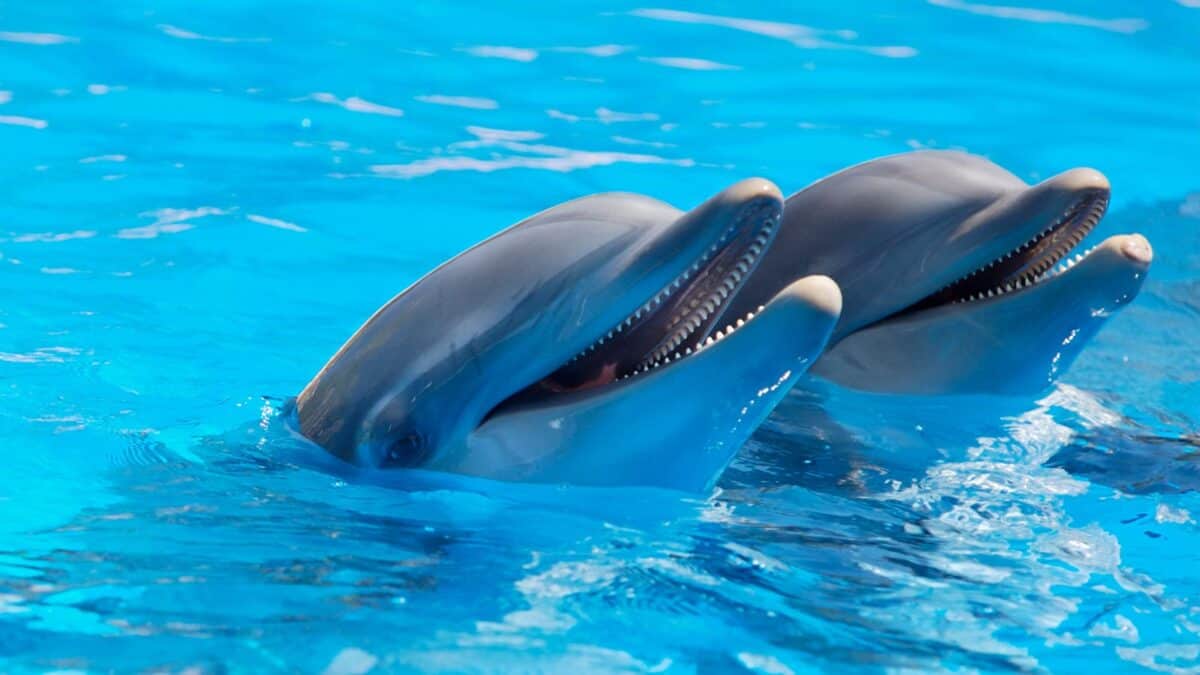
The upward curve of a dolphin’s mouth is a result of millions of years of evolution, shaping their skull to be more hydrodynamic for efficient swimming. This adaptation aids in reducing drag while they glide through the water at remarkable speeds, sometimes reaching up to 20 miles per hour. The “smile” is simply a byproduct of their sophisticated anatomy developed to thrive in aquatic environments.
Dolphins and Communication
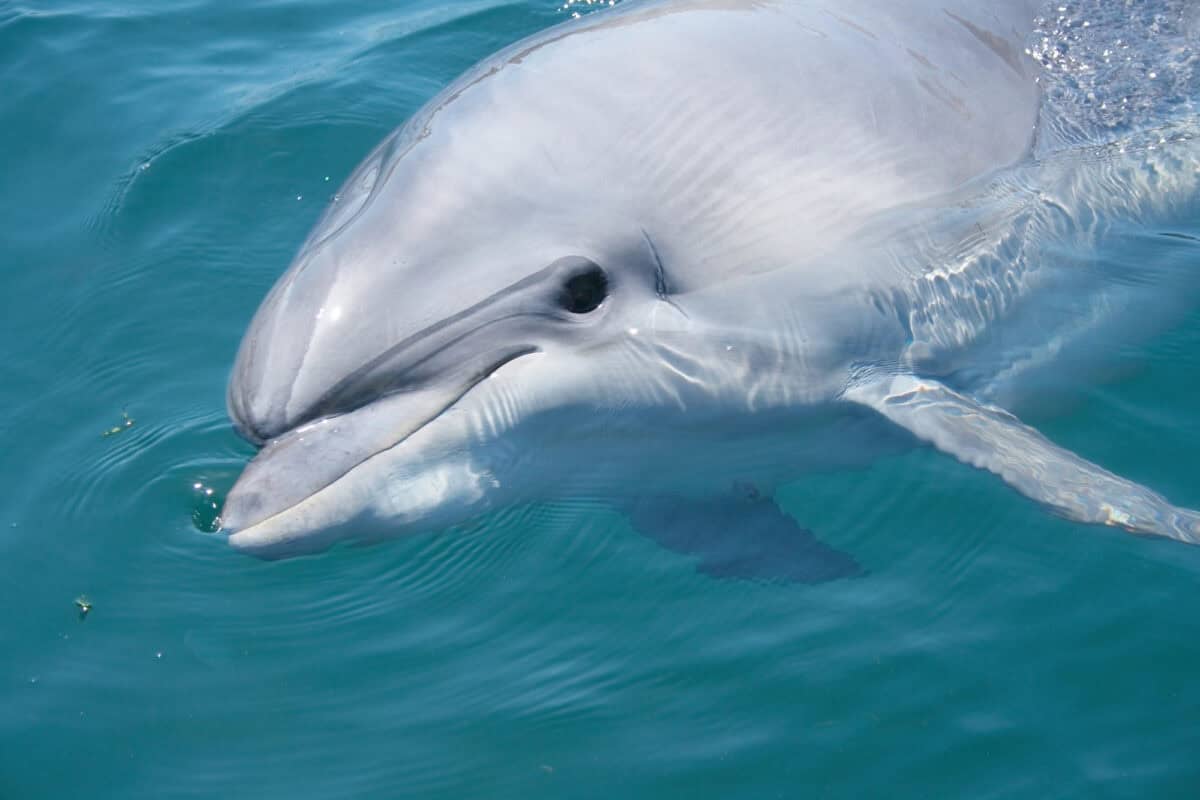
Dolphins are highly communicative creatures, but they do not rely on facial expressions to convey their emotions or intentions, as humans do. Instead, dolphins use a complex array of clicks, whistles, and body movements to communicate with each other. They have a highly developed language that allows them to convey different types of information, including identity, location, and emotional states, without the aid of expressions like smiling.
The Role of Social Behavior

Dolphins are incredibly social animals, living in pods that range from a handful of individuals to several dozen. Within these pods, dolphins establish intricate social relationships and hierarchies. While their facial expressions may not reflect their feelings, their social interactions, such as playfulness, companionship, and cooperation, are clear indicators of their dynamic group behavior.
Dolphin Intelligence and Problem Solving

Dolphins rank among the most intelligent animals on the planet, displaying unique cognitive abilities such as self-awareness, problem-solving, and even understanding abstract concepts. Their intelligence is reflected in their ability to use tools, exhibit sophisticated hunting strategies, and even exhibit behaviors that suggest a sense of empathy and altruism. These cognitive capabilities allow them to navigate their environment effectively and interact complexly within their social groups.
Myth vs. Reality: Dolphin Emotions
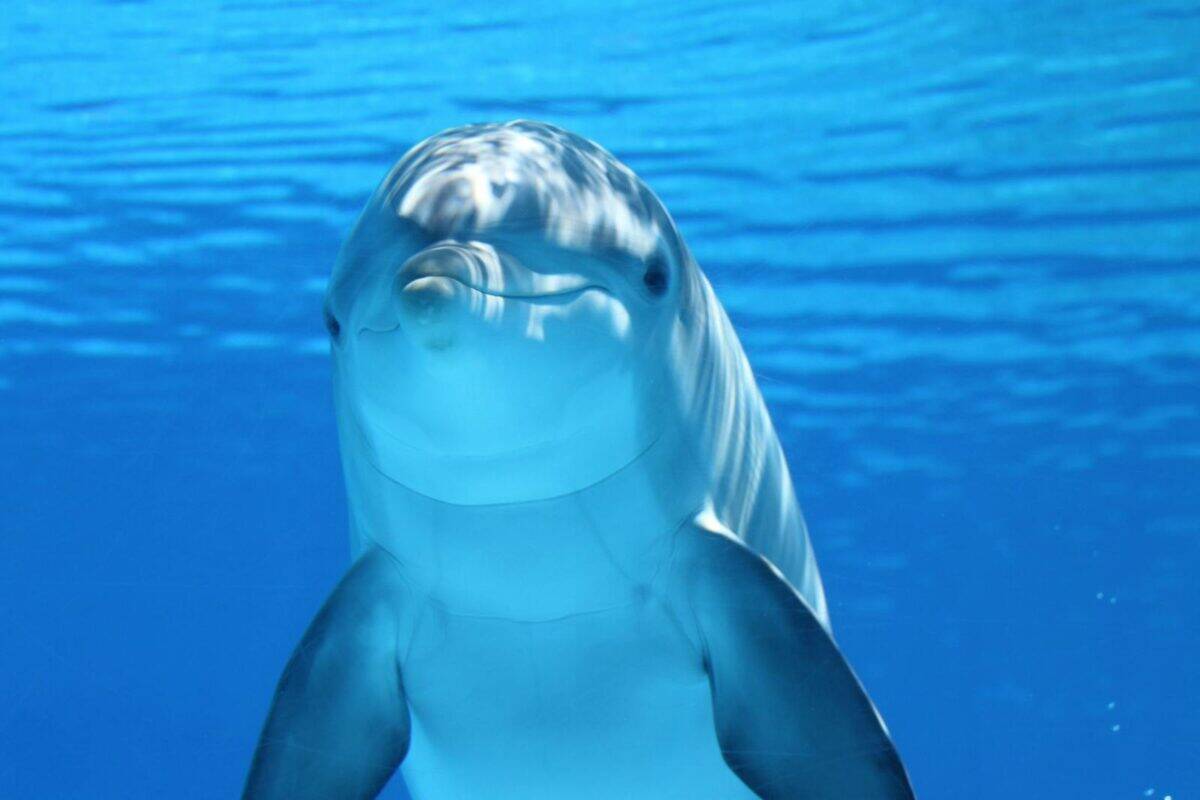
Many people project human emotions onto dolphins because of their perpetual smiles, but these assumptions can be misleading. While dolphins do experience a range of emotions, such as stress, excitement, and curiosity, their facial expressions do not change accordingly. Observing their behavior and vocalizations provides a more accurate reflection of their emotional states.
The Impact of Human Interaction

Human interactions can significantly affect dolphins, both positively and negatively. In captivity, the assumption that dolphins are content simply because they appear to smile can lead to the misconception that they thrive in artificial environments. In reality, captivity can be stressful for dolphins, leading to altered behaviors and health issues due to limited space, unnatural social structures, and lack of stimulation.
Conservation Efforts and Challenges

Wild populations of dolphins face numerous threats, including pollution, entanglement in fishing gear, and habitat destruction. Conservation efforts are critical to ensuring the survival of these fascinating creatures. Various organizations work to protect dolphin habitats, regulate fishing practices, and increase public awareness about the challenges dolphins face in the wild.
The Role of Research and Education

Research plays a pivotal role in advancing our understanding of dolphins. Scientists continue to study dolphin communication, social structures, and behaviors, providing valuable insights that contribute to conservation efforts. Education initiatives likewise help dispel myths about dolphin smiles, emphasizing the importance of viewing dolphins through a scientific lens rather than a sentimental one.
Responsibly Observing Dolphins

For those interested in observing dolphins, it is essential to do so responsibly. Whale and dolphin watching can be a thrilling experience when done ethically, ensuring minimal impact on their natural behaviors and environments. By adhering to guidelines set by marine conservation groups, tourists can enjoy watching dolphins in a way that respects their well-being and natural habitats.
How to Get Involved in Dolphin Conservation

Individuals can make a significant difference in dolphin conservation by advocating for policies that protect marine environments, supporting organizations dedicated to marine research and rescue, and educating others on the realities of dolphin life. Limiting plastic use, promoting sustainable fishing, and volunteering with local conservation projects are tangible ways to contribute to dolphin welfare.
A Dolphin’s Smile Reconsidered

The notion of dolphins constantly smiling is a compelling yet misleading notion, underscoring the importance of understanding these creatures beyond their perceived facial expressions. By appreciating the scientific truths that inform dolphin behavior and anatomy, we can foster more compassionate and informed interactions with these incredible marine mammals.
While the dolphin’s smile continues to captivate our imagination, it serves as a reminder that true understanding transcends appearances. Through ongoing education and conservation efforts, we can support dolphins in their natural environments, ensuring that their genuine welfare and intricate lives remain the focus rather than mere interpretations of their anatomy.

From exploring the marine wonders in the Azores and witnessing the vast savannas of Kenya, to delving deep into the rich biodiversity of South Africa and traversing iconic landscapes in Australia and the US like Yellowstone, Chris's experiences are vast.
With a penchant for diving alongside sharks, the ocean holds a special place in his heart.
Through his academic insights, he champions wildlife conservation, striving with 'Animals Around The Globe' to cultivate a profound connection between humans and animals, enhancing our mutual appreciation.
Connect with him at Feedback@animalsaroundtheglobe.com.
- This Monkey Has a Mustache - July 21, 2026
- How Steve Irwin Changed the World’s View of Wildlife - July 21, 2026
- The Catfish That Caused Earthquakes in Japanese Folklore - July 21, 2026