


In recent years, beachgoers along the U.S. coastline have noticed an increase in jellyfish populations. This surge has prompted curiosity and concern, sparking a deeper look into this marine phenomenon. Jellyfish blooms, as they are known, are more than just a fascination; they are indicators of significant shifts in marine environments. This article explores the factors contributing to the rise in jellyfish numbers, examining environmental, ecological, and human influences. By understanding these elements, we gain insight into broader changes occurring in oceanic ecosystems today.
What Are Jellyfish?
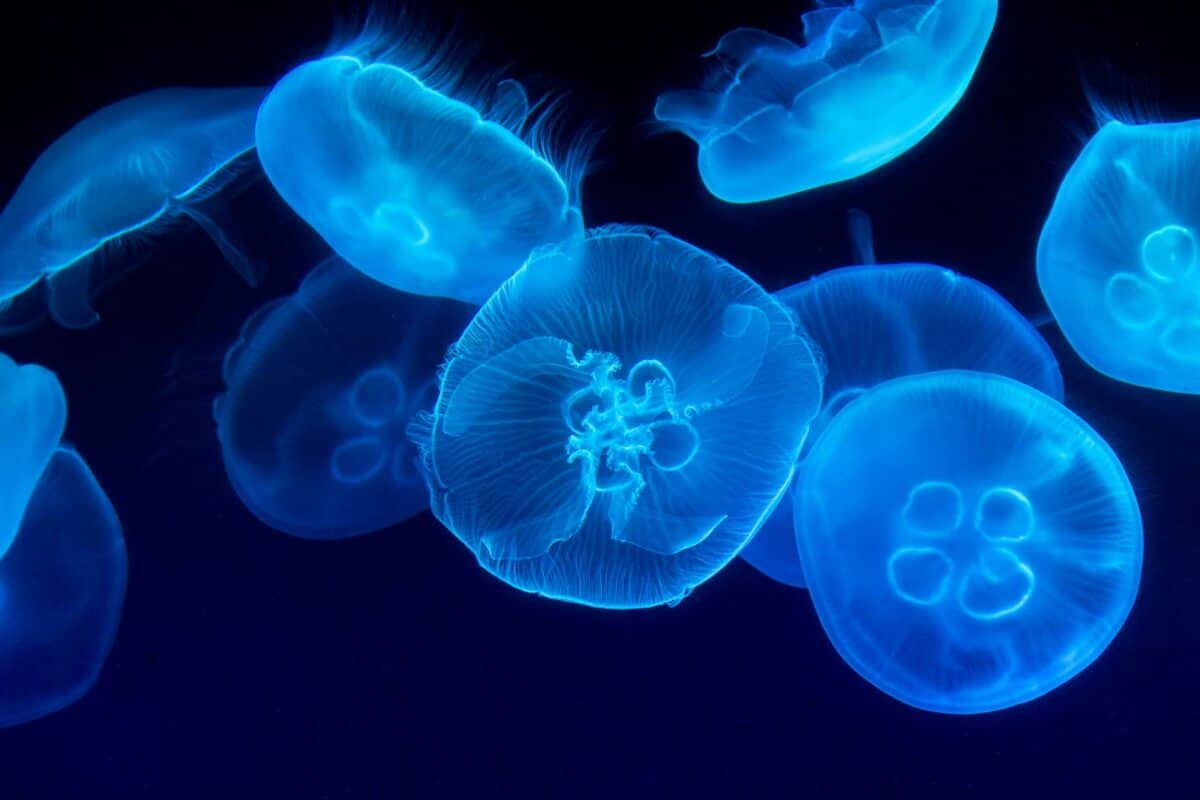
Jellyfish, or medusae, belong to a group of animals known as cnidarians, which also includes corals and sea anemones. These gelatinous creatures have existed in the oceans for over 500 million years, making them one of the oldest living animal groups. Characterized by their umbrella-shaped bells and trailing tentacles, jellyfish are typically found in ocean waters worldwide but can also inhabit some freshwater environments.
The Environmental Triggers

Environmental changes play a significant role in the fluctuation of jellyfish populations. Key factors include water temperature changes due to climate change, overfishing, and ocean acidification. With rising global temperatures, many oceanic regions are experiencing warmer waters, which benefit jellyfish, encouraging their growth and reproduction.
Climate Change and Ocean Warming
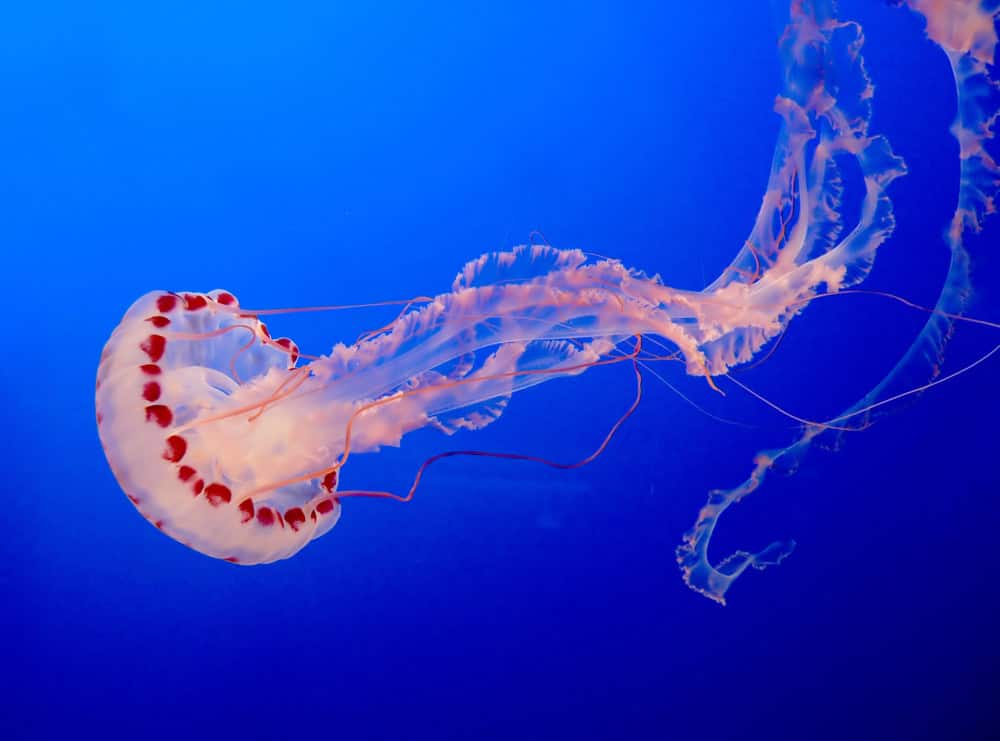
Climate change is one of the primary drivers behind the increase in jellyfish populations. Warmer waters provide a conducive environment for jellyfish larvae, enhancing their chances of survival and fostering faster maturation. Seasonal temperature increases can also extend the breeding season for jellyfish, resulting in larger blooms.
Overfishing and Its Cascading Effects

Overfishing significantly disrupts marine ecosystems, often leading to unintended consequences like jellyfish blooms. Many jellyfish predators, such as sea turtles and certain fish species, are diminishing due to overfishing. This reduction in natural predators allows jellyfish populations to grow unchecked, potentially outcompeting other marine life for resources.
Ocean Acidification and Changing pH Levels

Ocean acidification, driven by increased carbon dioxide absorption, affects calcifying organisms negatively. However, jellyfish seem to thrive under such altered pH conditions. The reduction in organisms that rely on calcium carbonate, like shellfish, means less competition for jellyfish larvae, aiding in their population expansion.
The Impact of Eutrophication
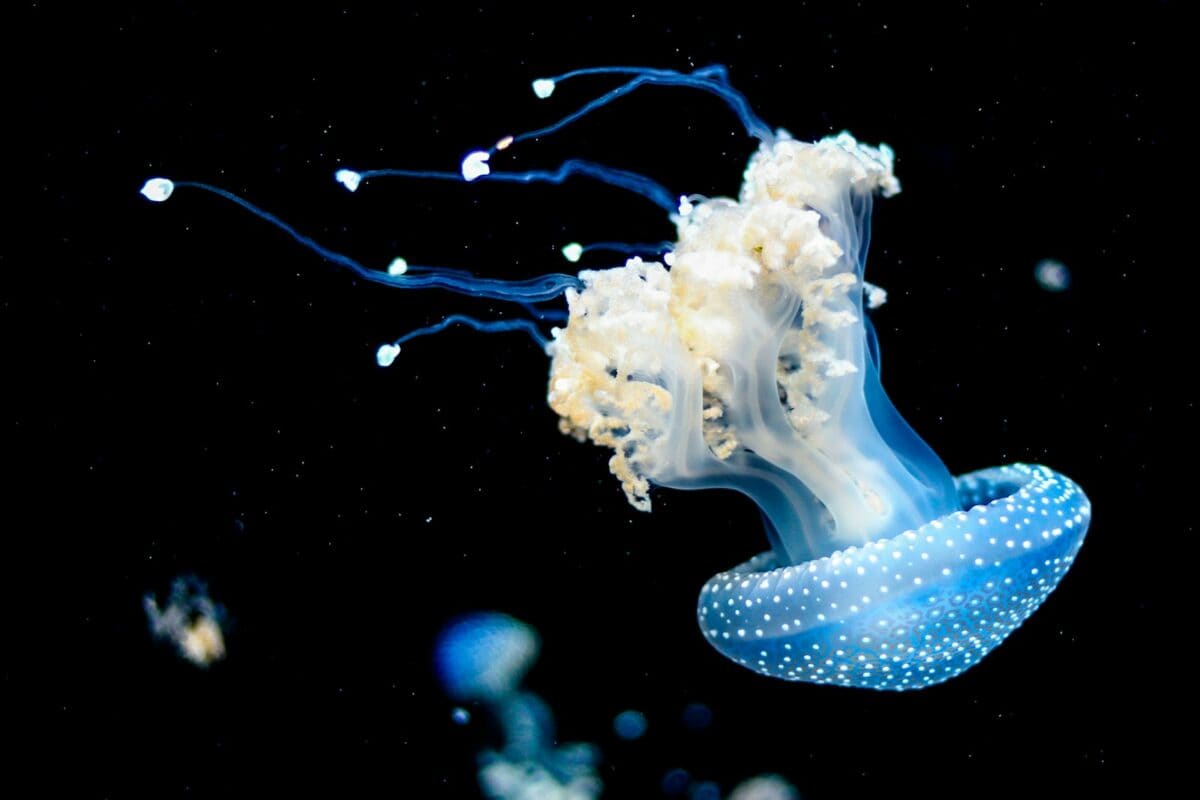
Eutrophication, the process of nutrient over-enrichment in waters, often leads to algal blooms that deplete oxygen levels in marine environments. Jellyfish are remarkably resilient to low oxygen conditions, often outliving competitors in such ecosystems. These nutrient-rich waters thus play a crucial role in sustaining jellyfish blooms.
Coastal Development and Human Influence

The increase in coastal development has altered marine habitats significantly. Human activities, including construction and pollution, contribute to habitat changes that can favor jellyfish populations. Additionally, man-made structures such as ports and piers provide breeding grounds for jellyfish polyps, facilitating their proliferation.
Shipping and Jellyfish Migration

Global shipping is another human factor influencing jellyfish distribution. Ballast water discharge from ships often contains jellyfish polyps, inadvertently transporting them across regions. This practice can introduce jellyfish to non-native areas, resulting in new, potentially invasive populations.
The Role of Natural Predators
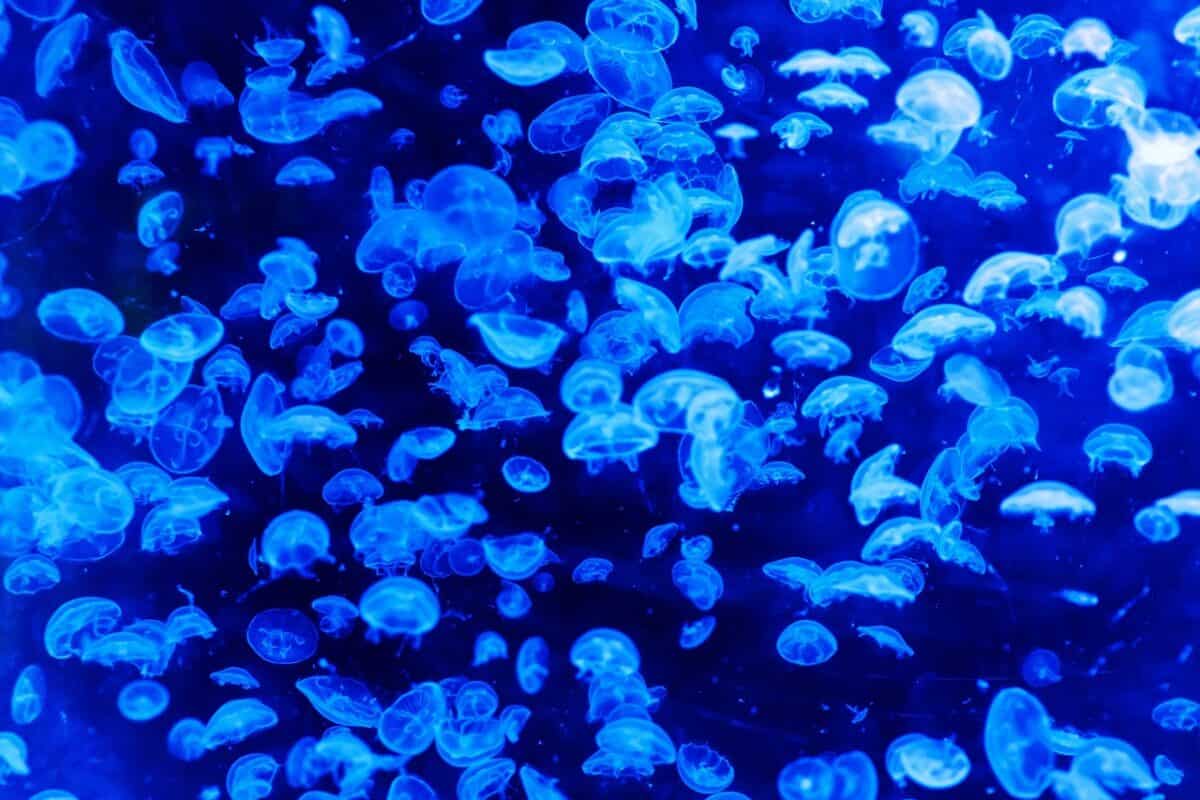
Natural predators have historically kept jellyfish populations in check. However, many of these predators, including certain species of fish and sea turtles, are declining due to overexploitation and habitat loss. This decline contributes to unchecked jellyfish growth, tipping the balance in favor of their proliferating presence.
Jellyfish Reproduction and Lifecycle

The lifecycle of jellyfish includes both sexual and asexual reproduction, providing them with robust growth potential. Polyp stages can asexually reproduce more polyps or transform into medusae, which further spread across the oceans. This versatile reproductive strategy allows rapid population increases under favorable conditions.
Impacts on Human Activities

While jellyfish are fascinating marine creatures, increased numbers can pose challenges to human activities. Coastal tourism can be affected due to safety concerns, as some jellyfish have painful and potentially dangerous stings. Moreover, their presence disrupts fishing operations and can clog cooling intakes of coastal power plants.
Monitoring and Managing Jellyfish Blooms

Efforts to monitor jellyfish populations are essential to understand and predict their blooms. Satellite tracking, research initiatives, and citizen science projects are all part of current strategies to manage jellyfish impacts. This comprehensive approach helps mitigate challenges posed by jellyfish and adapts to ongoing environmental changes.
Conclusion

The rise in jellyfish along U.S. coasts is a complex phenomenon influenced by numerous factors. Climate change, overfishing, and human activities are primary drivers, altering marine ecosystems in ways that favor jellyfish proliferation. Understanding these dynamics is critical—not only for managing jellyfish but also for broader ecological conservation efforts. By addressing these underlying causes, we can work toward balanced marine ecosystems that support diverse life forms, including, but not dominated by, jellyfish.

From exploring the marine wonders in the Azores and witnessing the vast savannas of Kenya, to delving deep into the rich biodiversity of South Africa and traversing iconic landscapes in Australia and the US like Yellowstone, Chris's experiences are vast.
With a penchant for diving alongside sharks, the ocean holds a special place in his heart.
Through his academic insights, he champions wildlife conservation, striving with 'Animals Around The Globe' to cultivate a profound connection between humans and animals, enhancing our mutual appreciation.
Connect with him at Feedback@animalsaroundtheglobe.com.
- This Monkey Has a Mustache - July 21, 2026
- How Steve Irwin Changed the World’s View of Wildlife - July 21, 2026
- The Catfish That Caused Earthquakes in Japanese Folklore - July 21, 2026