


Beneath the waves, amidst the coral reefs and ocean depths, lives a creature that has intrigued scientists with its remarkable intelligence. The octopus, specifically certain species demonstrating advanced cognitive abilities, is captivating researchers and nature enthusiasts alike. Through unparalleled problem-solving skills and astonishing behaviors, these cephalopods challenge what we know about marine life intelligence. Join us on a deep dive into the world of octopuses, illuminating their exceptional capabilities and the mysteries they present.
Understanding the Octopus: An Overview

The octopus belongs to the class Cephalopoda, which includes other intelligent creatures like cuttlefish and squids. Around 300 species of octopuses inhabit oceans worldwide, yet a few stand out due to their extraordinary cognitive abilities. These marine mollusks have captivated scientists for decades, largely due to their unique anatomy, adaptive behaviors, and their intriguing intelligence.
Evolutionary Background of Octopus Intelligence

The octopus’s journey through evolution has led to the emergence of advanced intelligence. Octopuses diverged from other cephalopods approximately 140 million years ago, developing sophisticated neural systems and intricate behaviors as adaptations to their environment. Unlike many invertebrates, octopuses exhibit problem-solving skills and capabilities previously believed to be exclusive to vertebrates.
Anatomy of the Octopus Brain
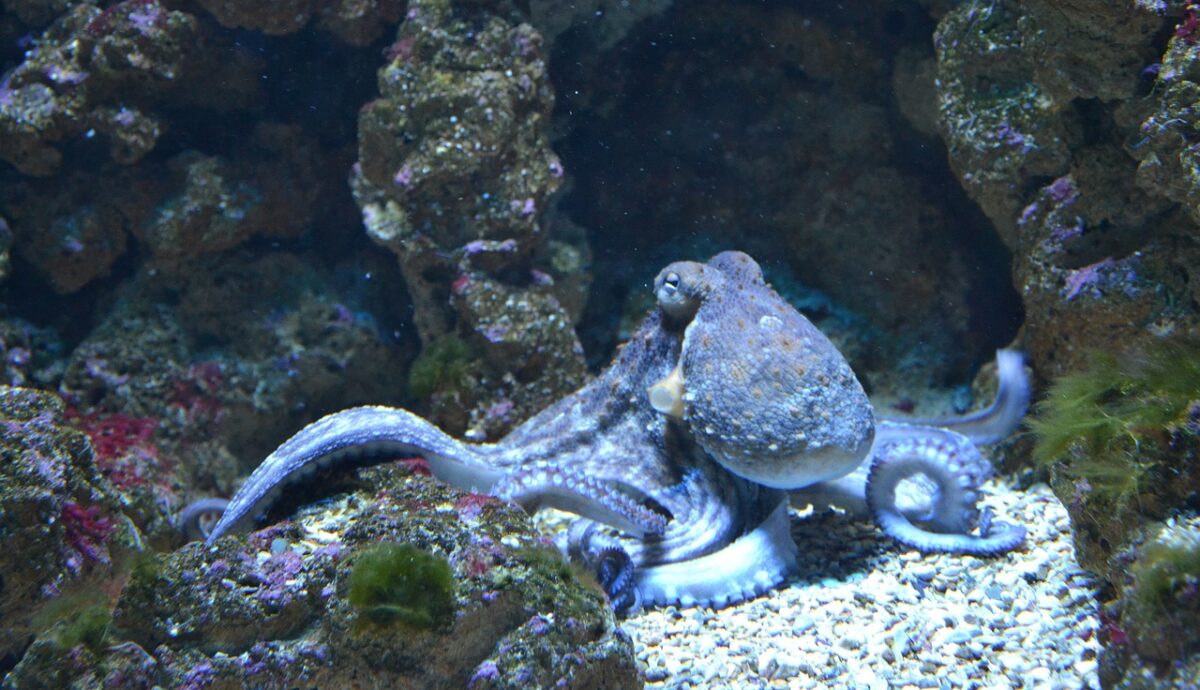
Despite lacking a centralized brain typical of most animals, octopuses possess a large neural network distributed throughout their bodies. Approximately two-thirds of their 500 million neurons are located in their arms, allowing these limbs to perform independently. This decentralized brain structure offers octopuses multitasking abilities and remarkable control over their environment, contributing significantly to their intelligent behavior.
Problem-Solving Mastery

Spectacular problem-solving skills are among the most striking manifestations of octopus intelligence. These creatures have repeatedly demonstrated their ability to manipulate objects, escape enclosures, and even open jars to access food. Such remarkable feats have encouraged researchers to consider octopuses as sentient beings with complex thought processes.
Use of Tools in the Marine Ecosystem

Tool use is considered a hallmark of advanced intelligence, and octopuses are no strangers to this behavior. The veined octopus, for instance, has been observed collecting coconut shells to construct protective shelters. This behavior reflects their capacity for foresight and planning, showcasing their resourcefulness in the marine environment.
Exceptional Camouflage Abilities
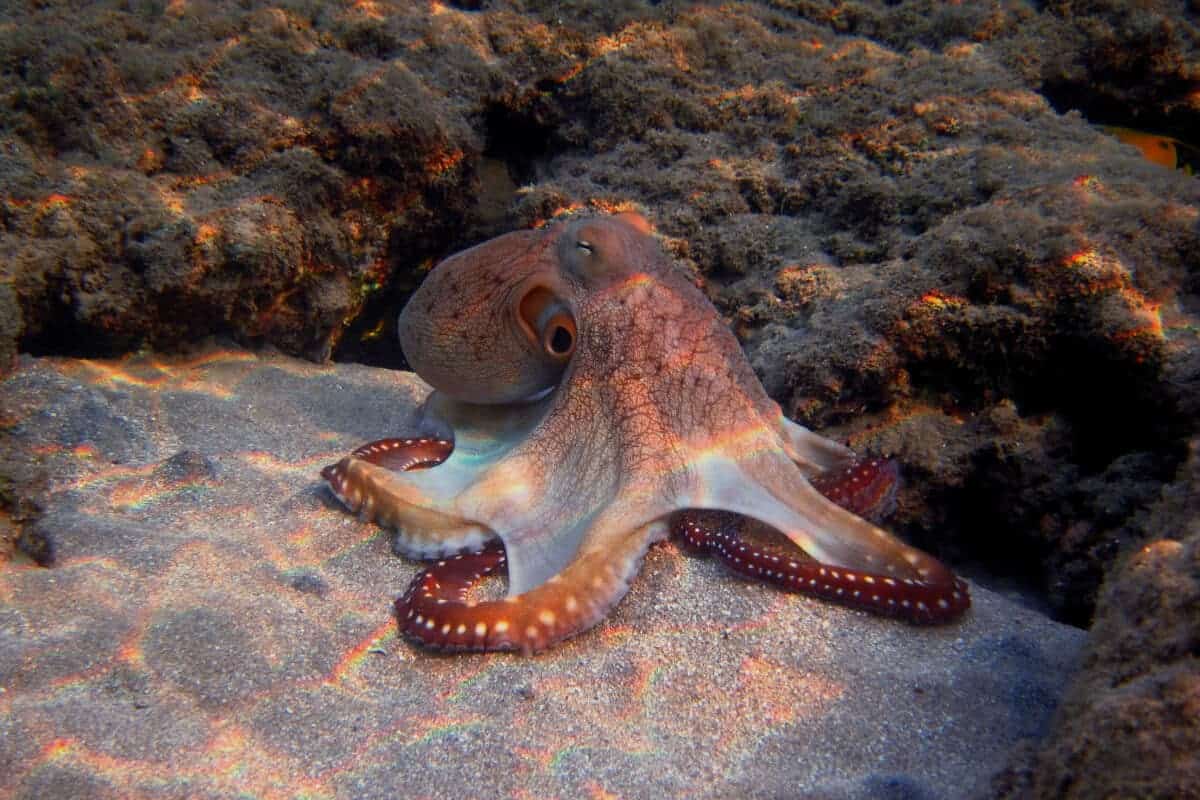
Among the impressive skills octopuses possess is their capacity for instant camouflage. Equipped with specialized skin cells called chromatophores, octopuses can alter their color and texture to blend seamlessly into their surroundings. This ability not only serves as a defense mechanism but also indicates their sophisticated neural control and environmental awareness.
Complex Communication Methods
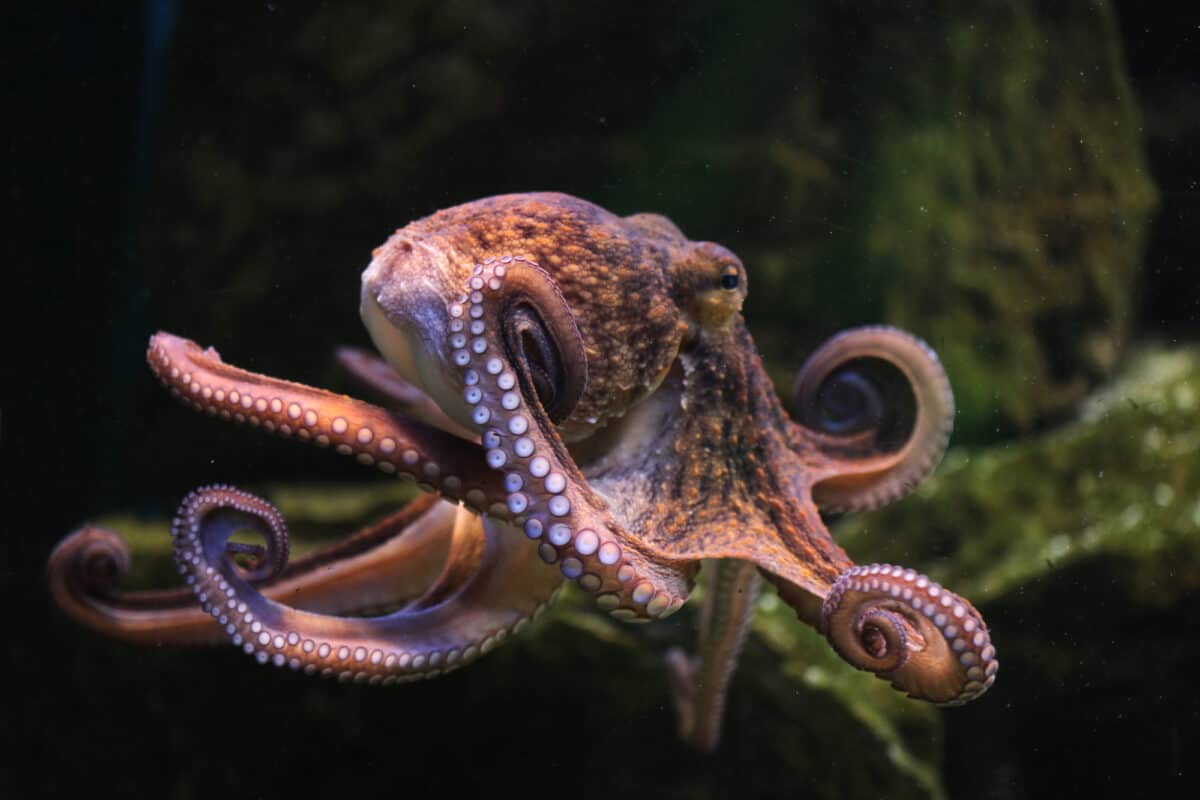
Though they are typically solitary creatures, octopuses engage in intricate forms of communication, primarily through body language and color changes. These cephalopods utilize their dynamic appearance to convey warnings, attract mates, and deceive predators. Such sophistication in communication underscores their advanced cognitive processes and sensitivity to social cues.
Playful Behaviors Unveiled

Octopuses are among the few marine animals exhibiting play behavior, another indicator of their intelligence. Observations have recorded octopuses interacting with objects recreationally, often engaging in activities that have no immediate survival benefit. This type of behavior suggests a level of cognitive sophistication comparable to that seen in higher mammals.
Learning and Memory in Octopuses
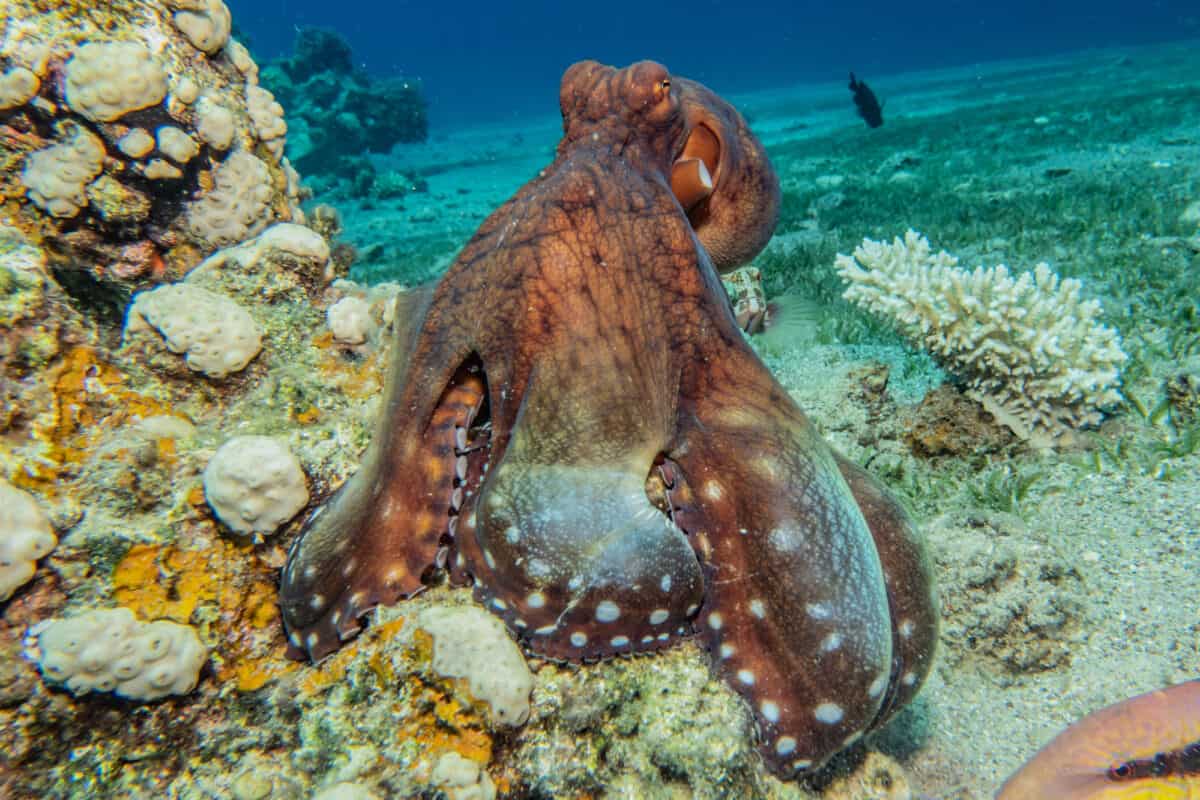
The octopus’s learning capabilities and memory retention further highlight its intellectual prowess. In laboratory settings, these creatures have demonstrated the ability to learn tasks through observation, a trait that emphasizes their capacity for imitation and comprehension. Such capabilities align octopuses with the cognitive skills of well-studied vertebrates.
Implications for Conservation Efforts
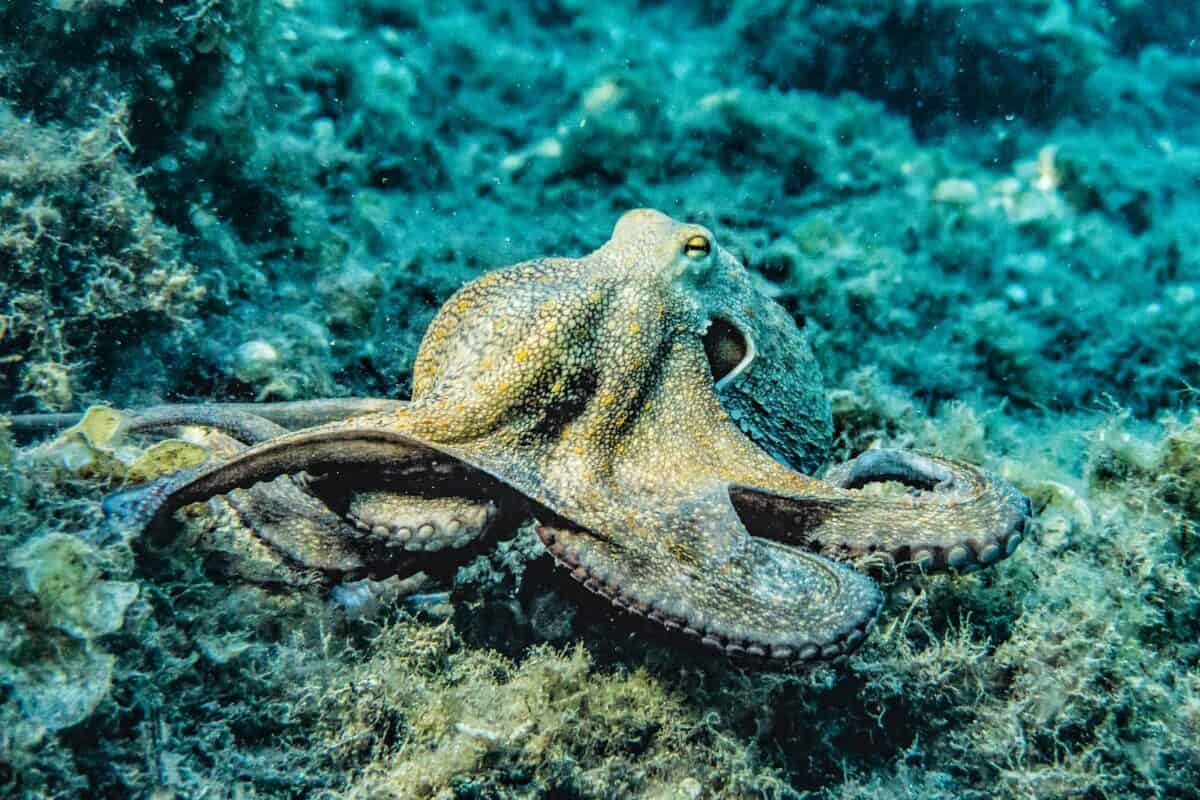
The advanced intelligence displayed by octopuses amplifies the importance of their conservation. Understanding these creatures’ cognitive abilities fuels initiatives to preserve their natural habitats and enhance our appreciation of marine biodiversity. Protecting octopuses not only safeguards their future but also ensures ecological balance within their diverse ecosystems.
Future Research Directions

The captivating intelligence of octopuses continues to inspire ongoing research efforts. Scientists are determined to uncover the extent to which these cephalopods can exhibit consciousness and emotional responses. Future studies aim to delve deeper into their neural architectures, uncovering potential parallels with higher cognitive processes in humans and other intelligent species.
The Role of Octopuses in Human Culture

Beyond scientific interest, octopuses have woven themselves into human culture, often portrayed as enigmatic sea creatures in literature, myths, and art. Their depiction reflects societal fascination with their mystery and intelligence, capturing imaginations across various cultural landscapes. As both subjects of curiosity and admiration, these cephalopods continue to influence our understanding of marine life.
Conclusion: A Window into Oceanic Intelligence
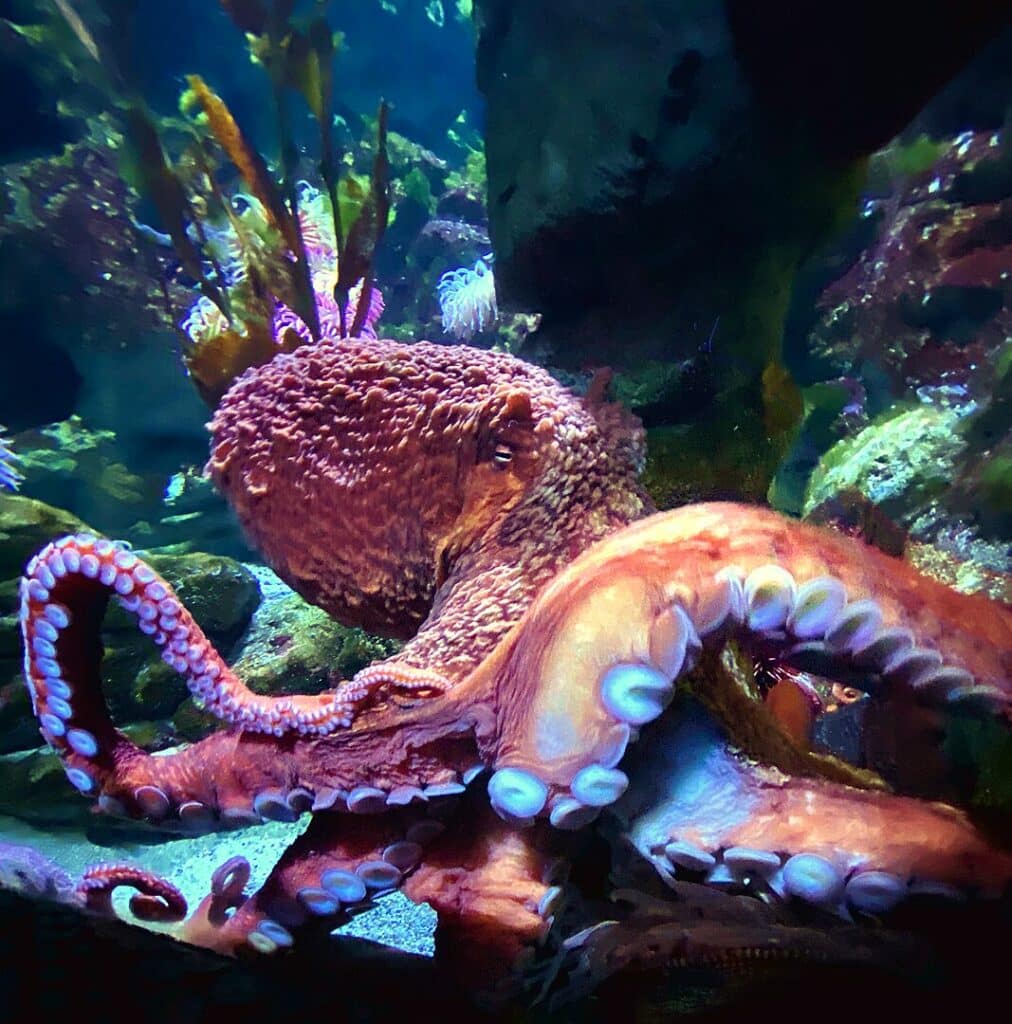
The extraordinary intelligence of octopuses presents a window into the rich cognitive landscapes of marine environments. From tool use and problem-solving to complex communication and playful behavior, these cephalopods showcase brainpower that defies traditional invertebrate stereotypes. As researchers continue to unravel the mysteries of octopus intelligence, they pave the way for a deeper appreciation of the complexities that inhabit our oceans. Through conservation and study, we can ensure that these remarkable marine enigmas continue to thrive and intrigue generations to come.

From exploring the marine wonders in the Azores and witnessing the vast savannas of Kenya, to delving deep into the rich biodiversity of South Africa and traversing iconic landscapes in Australia and the US like Yellowstone, Chris's experiences are vast.
With a penchant for diving alongside sharks, the ocean holds a special place in his heart.
Through his academic insights, he champions wildlife conservation, striving with 'Animals Around The Globe' to cultivate a profound connection between humans and animals, enhancing our mutual appreciation.
Connect with him at Feedback@animalsaroundtheglobe.com.
- Banned! Exotic Pets That Are Illegal to Own in the US - July 18, 2026
- Meet the Mantis Shrimp: The Sea Creature That Punches Like a Bullet - July 18, 2026
- Dugongs and Their Slow Mating Rituals in the Ocean - July 18, 2026