

In recent years, there has been growing concern over the spread of a particularly dangerous insect within the United States. Known for its threatening behavior and potential to harm humans, this insect is pushing experts to scrutinize its impact on public health and the environment. Understanding its characteristics, spread, and how to mitigate its presence is crucial for safeguarding communities across the nation.
Understanding the Threat: The Asian Giant Hornet
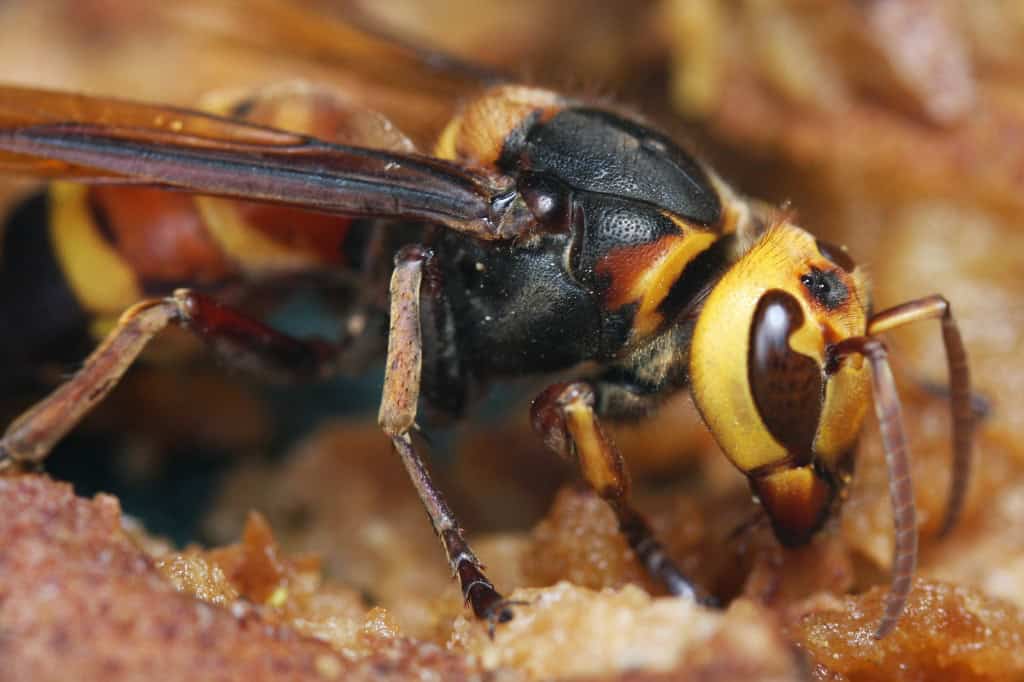
The Asian Giant Hornet, commonly referred to as the “murder hornet,” is making headlines for its extraordinary size and aggressive nature. Originally native to Southeast Asia, this invasive species was first spotted in North America in late 2019, raising alarms due to its potential to disrupt ecosystems and pose deadly health threats to humans.
Recognizing the Beast: Physical Characteristics
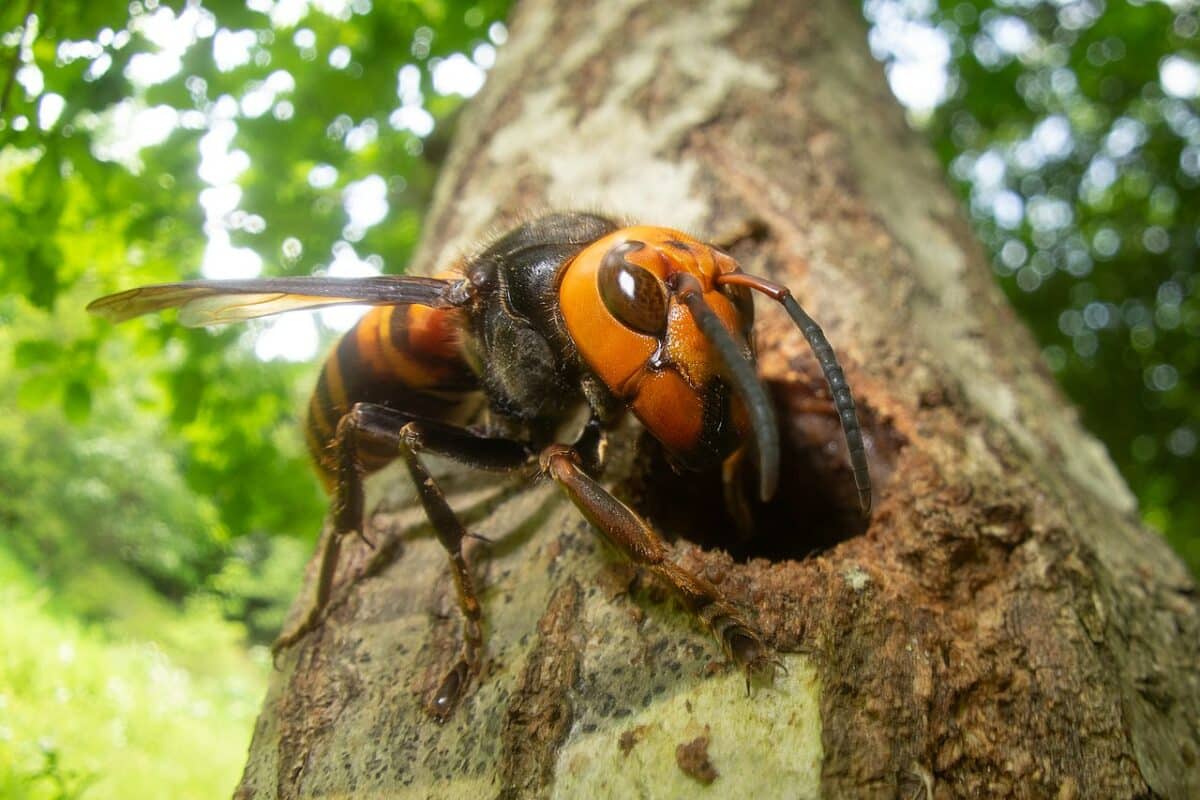
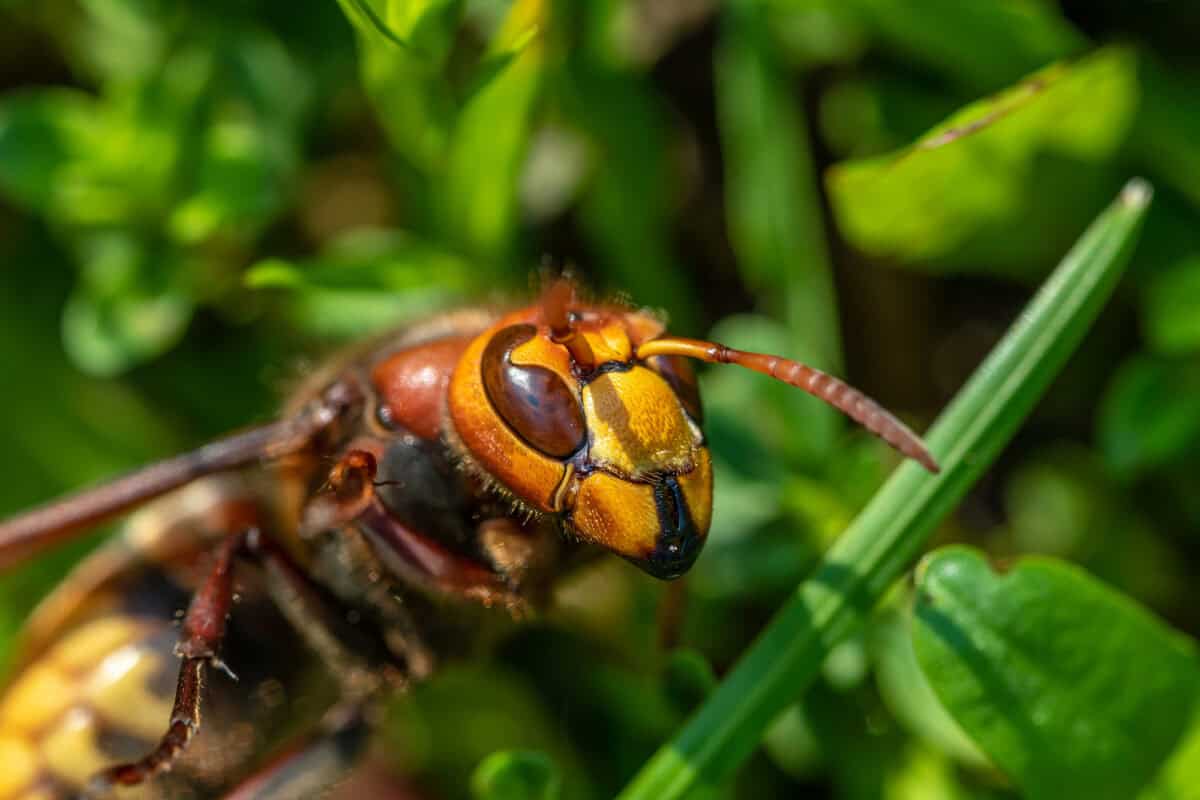
This colossal insect can grow up to two inches long, with a wingspan reaching three inches, making it the largest hornet in the world. Its striking appearance, marked by a large yellow-orange head, prominent mandibles, and striped abdomen, makes it easily identifiable yet all the more intimidating.
Behavioral Traits: Aggression and Predation
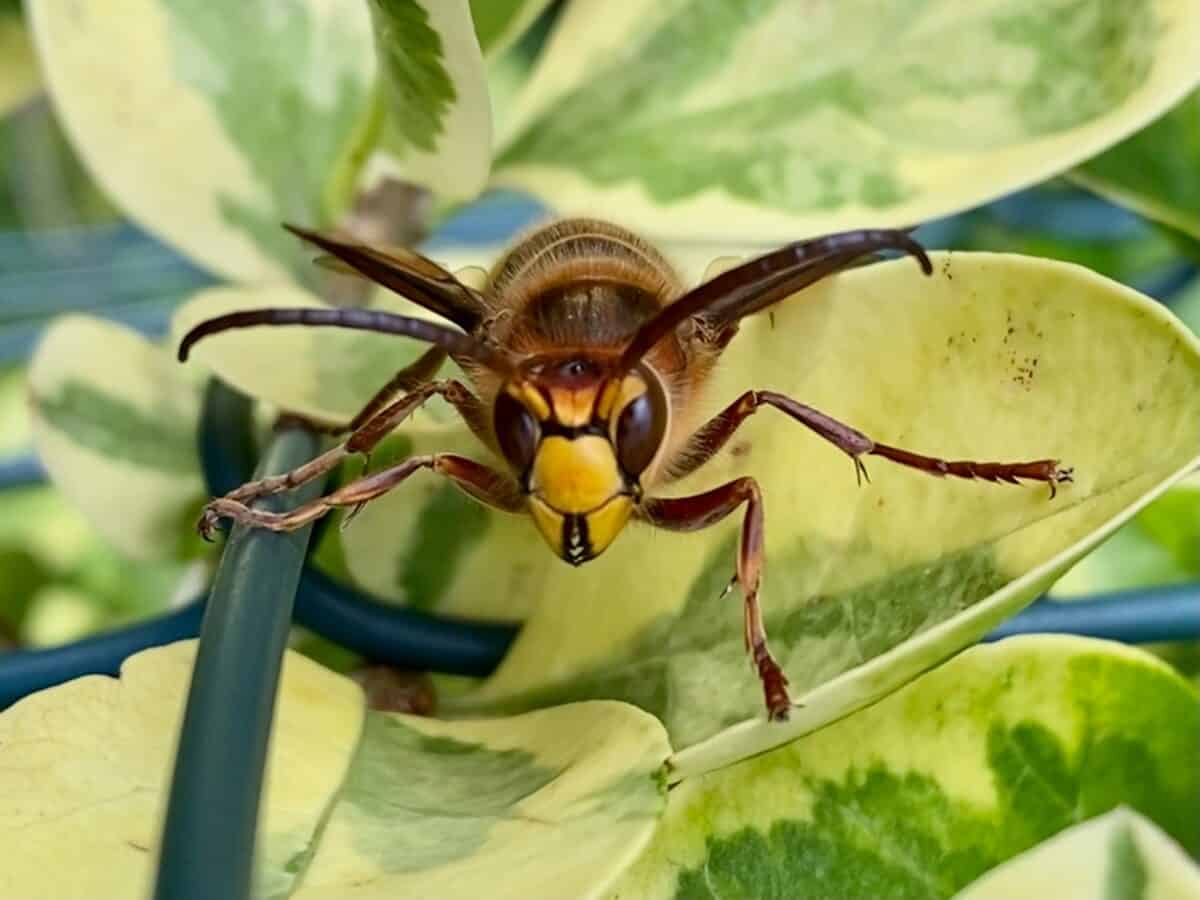
The Asian Giant Hornet is notoriously aggressive, particularly when its nest is threatened. It exhibits predatory behavior primarily towards bees, but it will readily attack humans and other animals if provoked. The hornet’s potential to massacre entire colonies of honeybees poses a significant threat to agricultural practices.
Venomous Impact: Threats to Human Health
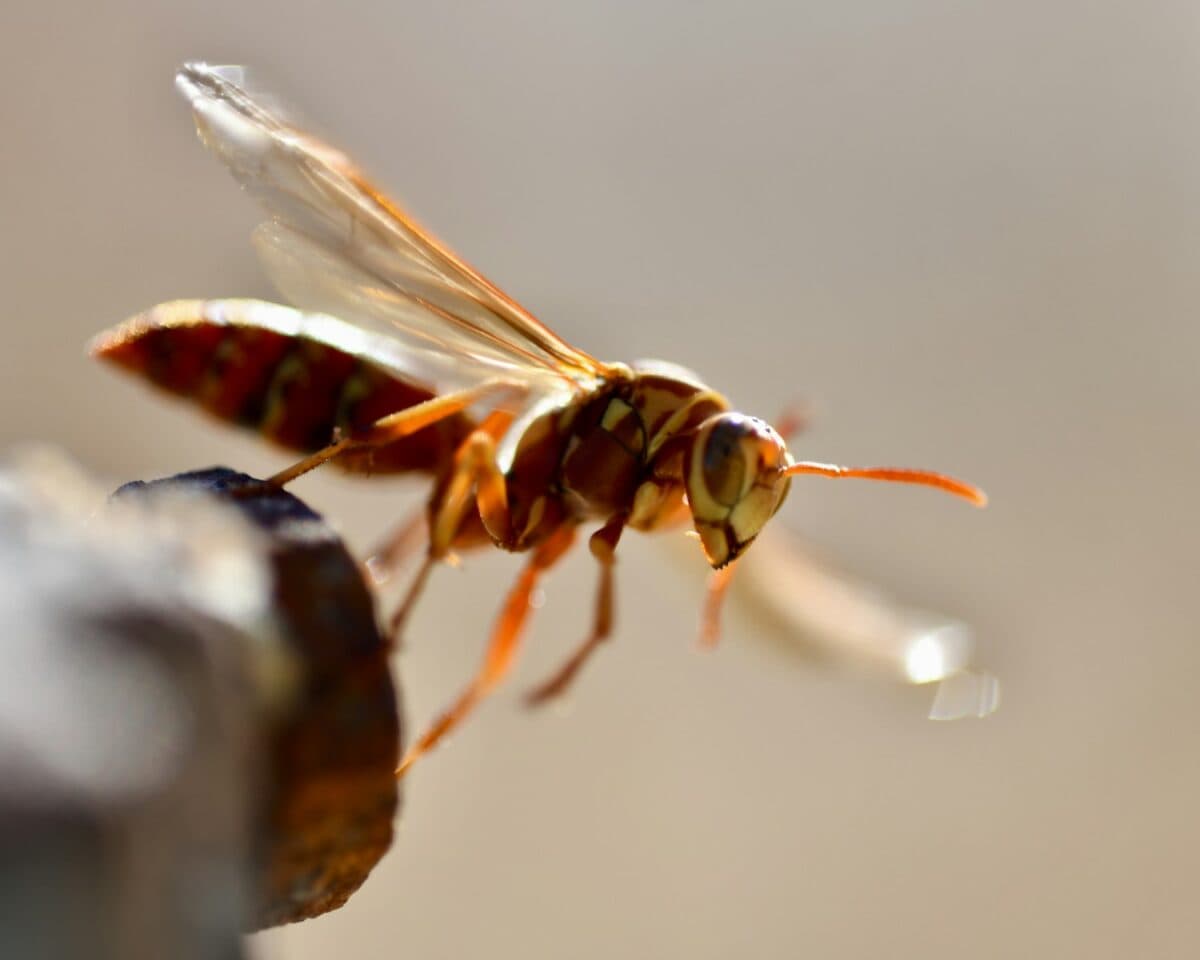
The sting of an Asian Giant Hornet is both potent and painful, delivering a complex venom that can cause severe allergic reactions and, in some cases, death. Unlike bees, hornets can sting multiple times, increasing the risk of injury to those who encounter them.
Spreading Across States: An Expanding Presence

Since its initial discovery in the Pacific Northwest, the Asian Giant Hornet has been reported in several states, prompting concerns about its potential spread. Left unchecked, the hornets could establish nests across various regions, jeopardizing public safety and local ecosystems.
Ecological Consequences: Impact on Biodiversity

As a formidable predator of honeybees, the spread of this hornet poses a direct threat to biodiversity. Honeybees play a critical role in pollination, and their decline can have cascading effects on plants, crops, and wildlife that rely on these insects for reproduction and nourishment.
Challenges in Control: Containment Efforts
Efforts to control the spread of the Asian Giant Hornet have been challenging due to their elusive nature and the difficulty in locating nests. Monitoring programs and trapping techniques are in place, but complete eradication remains a daunting task.
The Role of Research: Advancing Scientific Understanding

Scientific research is critical in developing effective strategies to combat the hornet threat. Studies on hornet behavior, habitat preferences, and lifecycle are underway to inform control efforts and limit their spread across the continent.
Protecting Yourself and Your Community

Individuals can take steps to protect themselves and their communities, including avoiding areas where hornets are known to nest, wearing protective clothing, and facilitating awareness campaigns about the dangers of the Asian Giant Hornet.
Government and Public Involvement: A Combined Effort

Government agencies and local organizations are actively involved in managing the threat posed by these hornets. Public cooperation is essential in reporting sightings and supporting eradication measures to prevent further spread.
Future Predictions: What Lies Ahead?

As climate change continues to alter ecosystems, the possibility of these hornets establishing themselves permanently in the U.S. becomes more likely. Long-term predictions emphasize the need for proactive management and continuous monitoring to mitigate risks effectively.
Living with the Threat: Adaptation and Resilience
While the threat of the Asian Giant Hornet is concerning, communities can cultivate resilience through education, preparedness, and active participation in control efforts. Collective action and informed strategies will be crucial in adapting to this new environmental challenge.
In conclusion, the proliferation of the Asian Giant Hornet in the United States highlights the need for vigilant monitoring and robust control strategies. Understanding this insect’s behavior, impact, and how best to manage its presence can help mitigate its threat to human health, agriculture, and biodiversity. By staying informed and proactive, communities can work together to protect their environments from this formidable invader.

- The Story of the Arctic Fox’s Incredible Seasonal Transformation - July 18, 2026
- 10 Most Venomous Snakes in US National Parks - July 18, 2026
- The Moth That Drinks Blood - July 18, 2026