
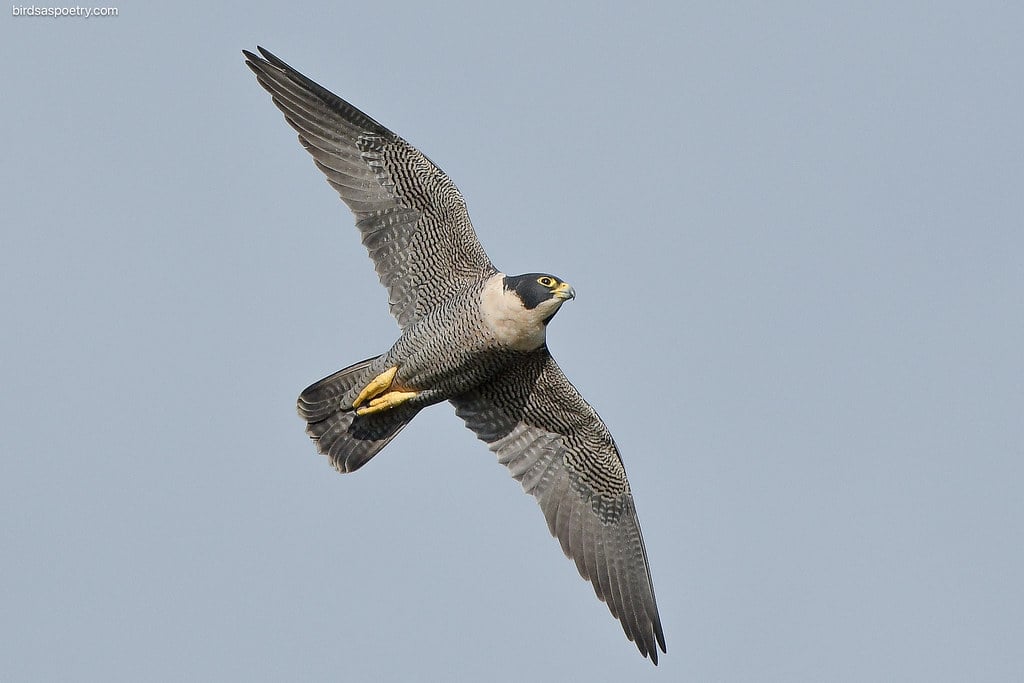
Ask a room full of people to name the fastest bird alive, and nearly everyone will say peregrine falcon. It’s a fair guess, and not entirely wrong, but it misses an important detail that separates two very different kinds of speed. One is about gravity. The other is about muscle, wingspan, and the physics of wind. Once you start pulling that thread, the actual record holder turns out to be a bird most people have never seen, never heard of, and almost certainly could not pick out of a lineup.
The Confusion Between Diving and Flying
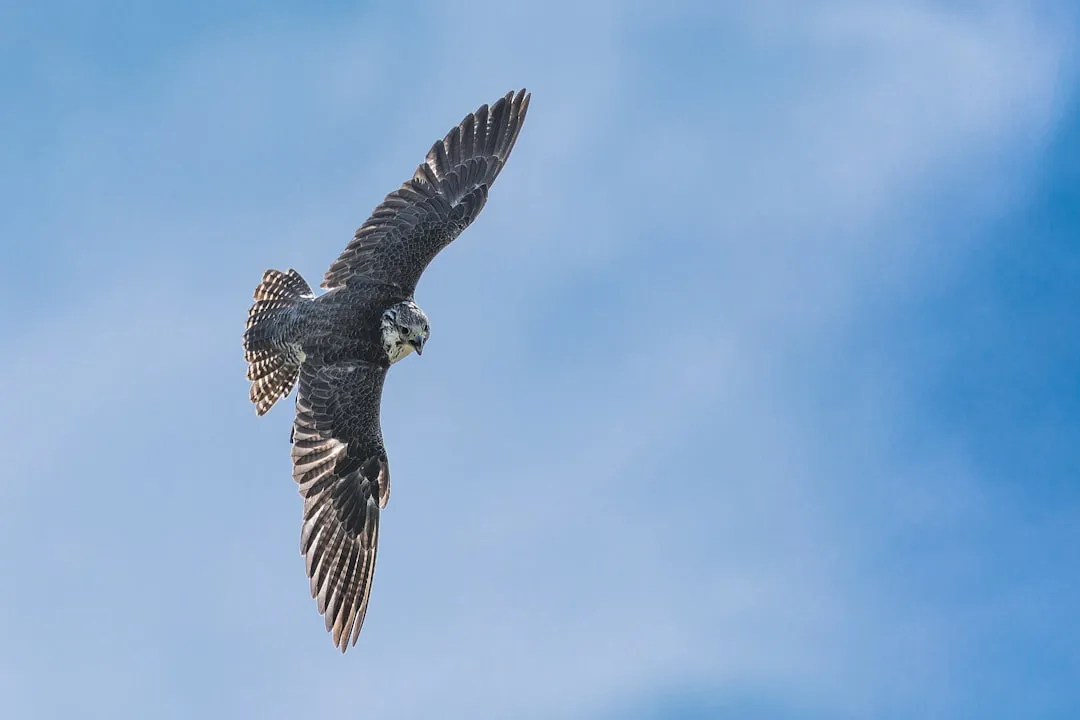
Speed in birds gets measured in two completely different ways, and mixing them up is where most of the confusion starts. A hunting bird will reach much greater speeds while diving to catch prey than it ever will in flat, horizontal flight. That distinction matters more than it sounds, because one type of speed is earned through wingbeats and the other is borrowed from gravity.
Level flight, sometimes called horizontal or powered flight, means a bird pushing itself through the air using only its own muscles, with no downward dive to help it along. That is the category this article is actually about, and it is a much harder title to win than a dive record, precisely because there’s no free assistance from falling.
The Peregrine Falcon’s Real Talent Is the Stoop
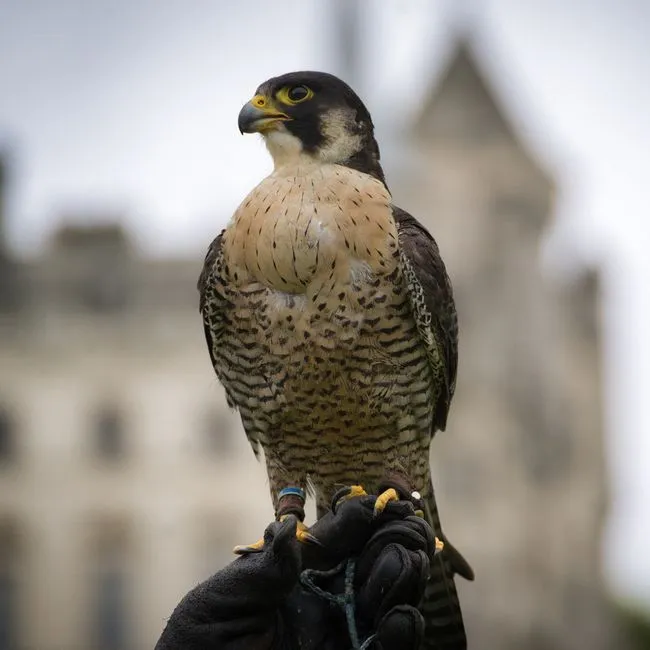
The peregrine falcon absolutely deserves its reputation, just not for the reason most people assume. The bird that can achieve the greatest airspeed is the peregrine falcon, able to exceed 320 km/h (200 mph) in its dives. That number is almost entirely a product of the stoop, the near vertical hunting dive the bird uses to ambush prey from above.
Take away the dive and the falcon’s advantage disappears. In level, flapping flight, a peregrine is fast but unremarkable compared to the birds we’re about to look at. The falcon’s fame rests on one very specific move, not on everyday flying speed, and that’s a distinction worth holding onto for the rest of this article.
The Swift That Almost Took the Crown
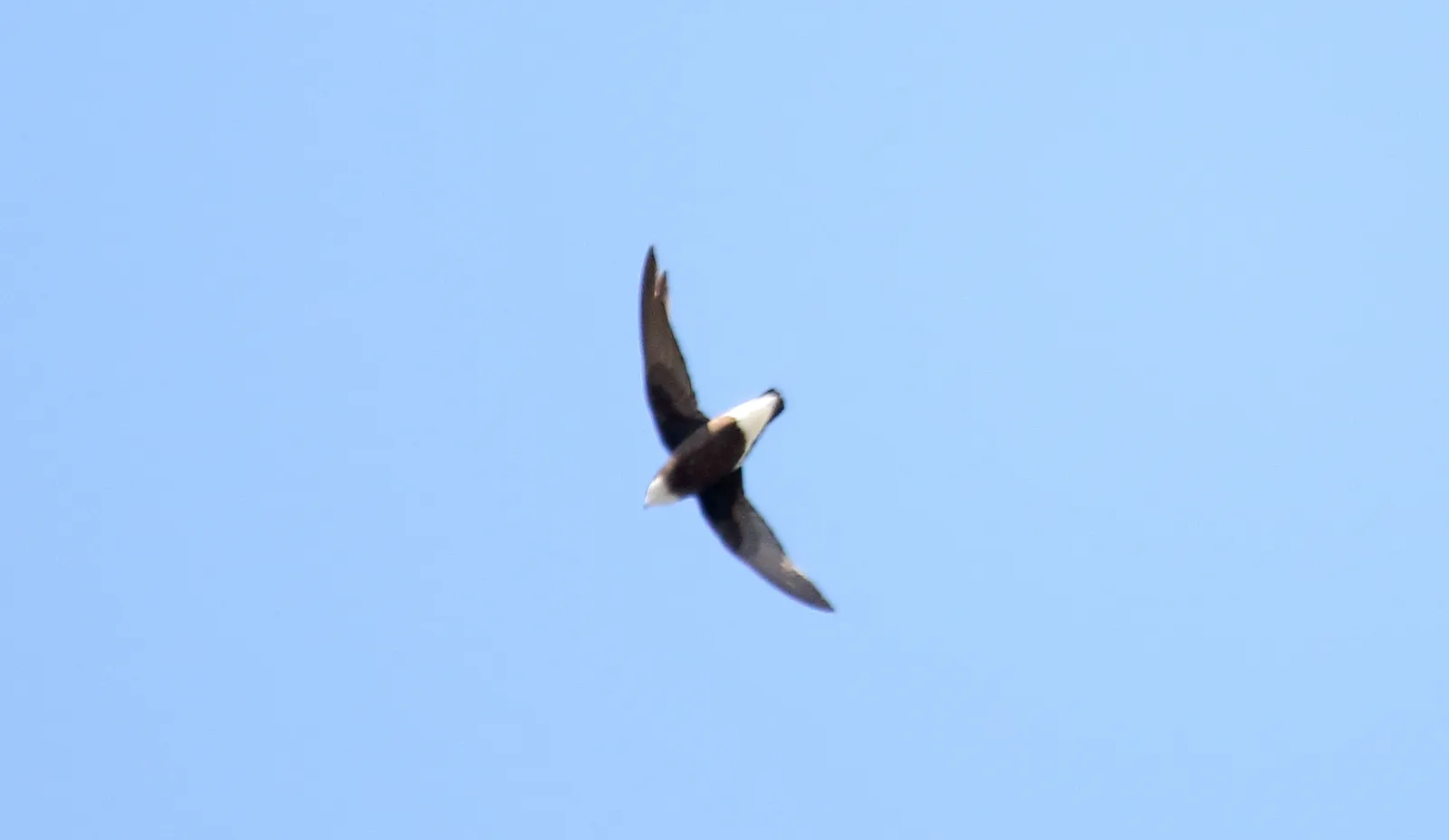
For decades, ornithology books pointed to a different bird entirely: the white-throated needletail, a swift found across Asia and Australia. This close relative of the common swift is commonly reported as the fastest bird in level flight, with a reported top speed of 169 km/h (105 mph). It sounds like a settled fact, and it gets repeated constantly online.
The problem is that the number was never properly verified. This species has been reported to reach speeds of up to 105 mph in horizontal flight, although this claim remains unverified by scientific studies. The measurement method behind it was never published, which in science is roughly the equivalent of a claim with no receipts. It’s a great story. It just doesn’t hold up under scrutiny.
The Common Swift’s Scientifically Confirmed Mark
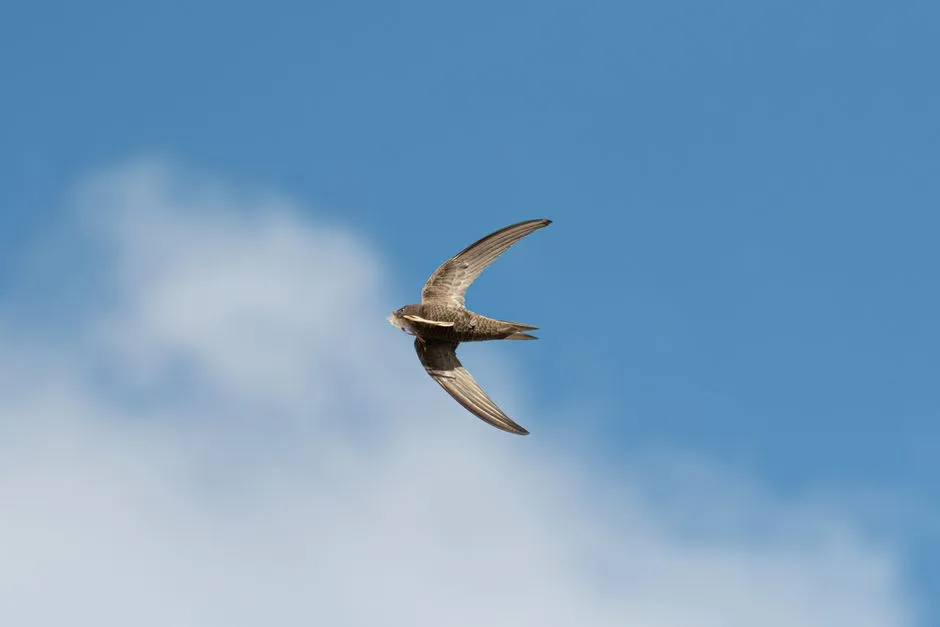
While the needletail’s number floated around unverified, a much smaller and more familiar bird quietly set a record that could actually be checked. The confirmed record for the fastest level flight belongs to the Common Swift (Apus apus), which has been clocked at 111.5 km/h (69.3 mph). That figure came out of a proper wind tunnel and field study conducted by researchers at Lund University in Sweden.
This mattered because it gave scientists something solid to compare against every other claim in the record books. In calmer conditions, the fastest bird in level flight that has been scientifically measured is the common swift, which in one study attained speeds of 31 ms−1 (69 mph; 111.6 km/h). For years, this was the honest answer if you wanted a number backed by actual published methodology, even if it wasn’t the flashiest one available.
Enter the Grey-Headed Albatross
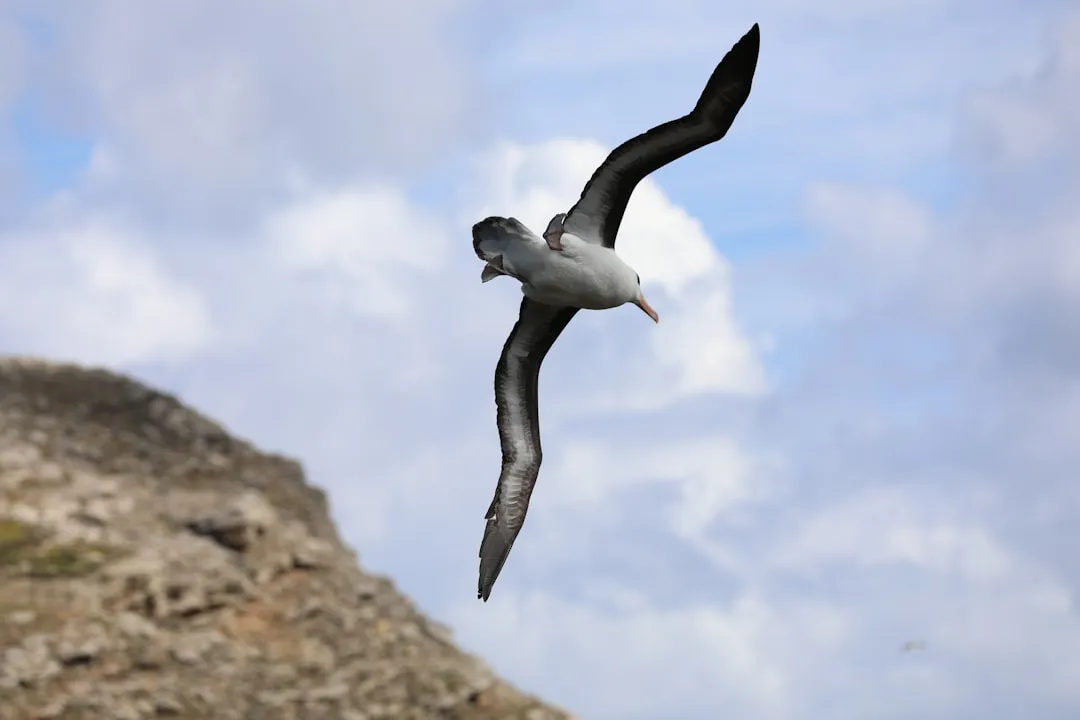
Here’s where the story takes its real turn. Guinness World Records, the organization most people trust for these kinds of titles, does not currently list the peregrine falcon, the needletail swift, or even the common swift as the fastest bird in level flight. In a report published by French and British researchers working in the sub-Antarctic, the mean estimated groundspeed recorded for a satellite-tagged grey-headed albatross (Thalassarche chrysostoma) is 127 km/h (78.9 mph) sustained for over 8 hours while returning to its nest at Bird Island, South Georgia, in the middle of an Antarctic storm.
That is faster than the needletail’s disputed claim and considerably faster than the common swift’s confirmed number. It’s also a species that spends its entire existence over remote, freezing ocean, thousands of miles from anywhere most bird enthusiasts will ever travel. Guinness World Records has stated that the Grey-headed Albatross is likely the world’s fastest horizontal flyer. It’s a strange thing to sit with: the actual title holder is a bird almost nobody outside of seabird researchers has ever laid eyes on.
Inside the 2004 Study That Set the Record
The record itself traces back to a single, carefully documented event rather than a lab experiment. In a 2004 report published by French and British researchers working in the sub-Antarctic, the mean estimated groundspeed recorded for a satellite-tagged grey-headed albatross hit 127 km/h (78.9 mph). The bird had been tagged for tracking purposes, not specifically to chase a speed record, which makes the finding feel more like a happy accident of good science than a stunt.
The full study behind the number carries real academic weight. The report was published by Paulo Catry, Richard A. Phillips and John P. Croxall of the British Antarctic Survey, in The Auk, volume 121, issue 4, in 2004. That’s a peer-reviewed ornithology journal, not a blog post or a tourism brochure, which is exactly the kind of paper trail the needletail swift’s claim has always lacked.
The Wind Question Nobody Can Fully Settle
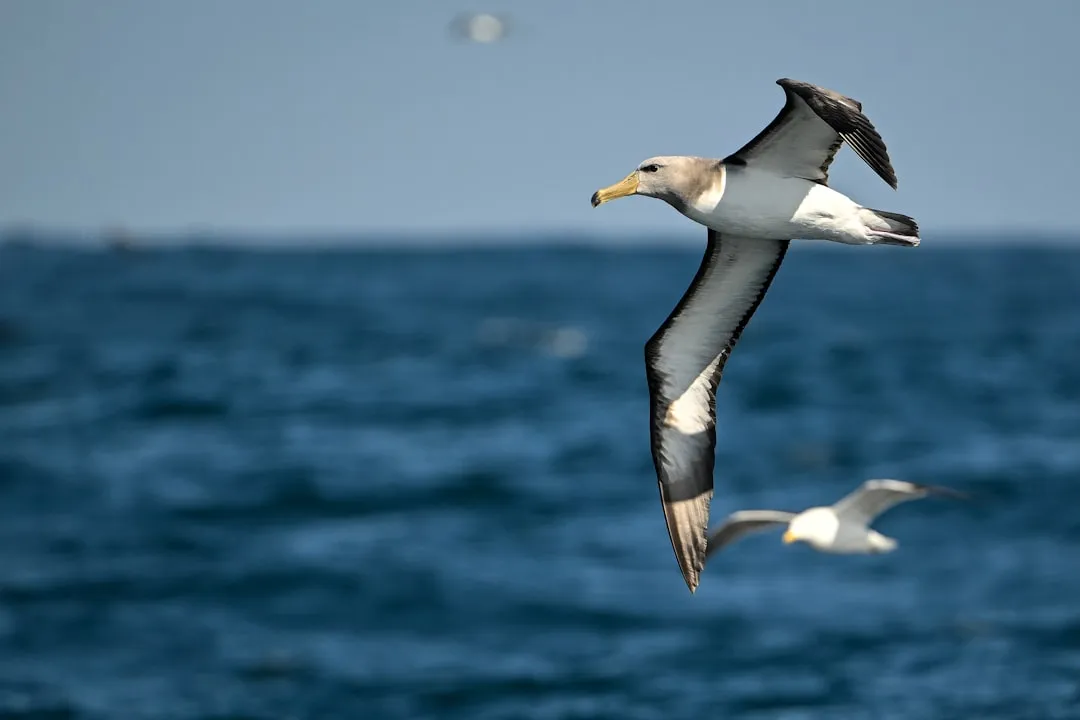
Every honest account of this record comes with an asterisk, and it’s worth taking seriously rather than glossing over. It’s generally accepted that, owing to the weather conditions, much of the albatross’s speed was attributable to tailwinds rather than being entirely self-powered. The bird was riding home through an actual Antarctic storm, and storms come with wind, sometimes a great deal of it.
So is this really a fair record, or just a lucky gust? This remarkable pace was achieved thanks to a bit of wind assistance during a storm, but it’s pretty impressive nonetheless. The more interesting angle is that albatrosses don’t just get pushed around passively. Theory suggests that albatrosses cleverly regulate their airspeed in relation to wind speed and relative wind direction. In other words, the bird wasn’t simply lucky. It was actively reading the storm and using it, which is arguably more impressive than raw muscle power alone.
A Bird Almost Nobody Would Recognize
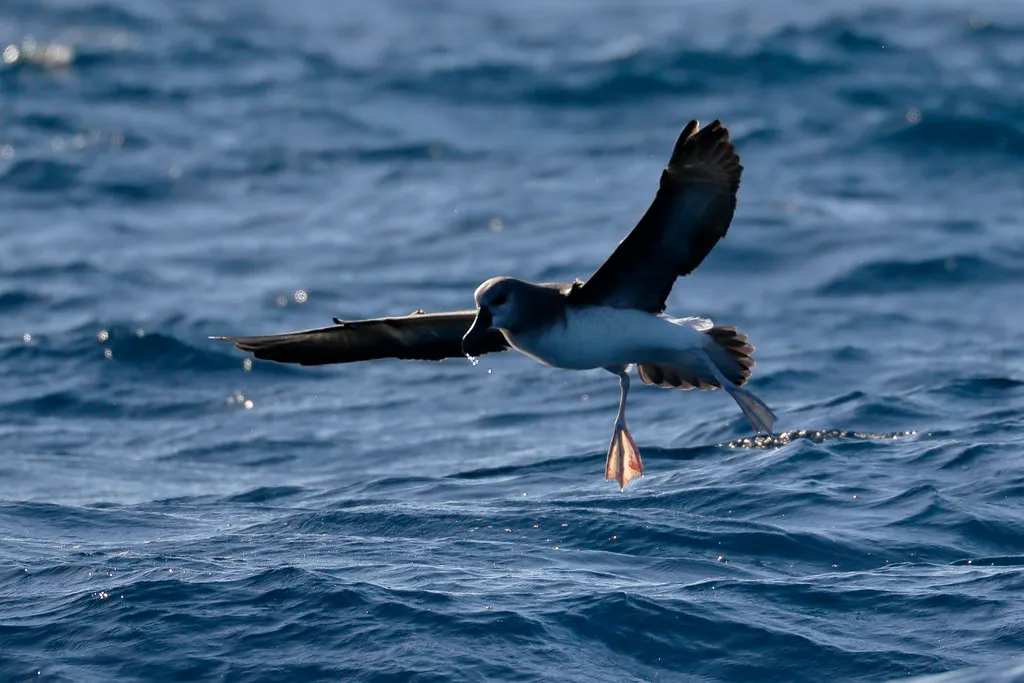
Part of what makes this record so quietly remarkable is how anonymous the bird itself remains, even among people who consider themselves reasonably well versed in wildlife. There’s no dramatic Hollywood reputation here, no nature documentary villain narration, just a seabird that lives its life almost entirely out of human sight. The grey-headed albatross, also known as the gray-headed mollymawk, is a majestic seabird of the albatross family, distinguished by its ashy-gray head and an impressive wingspan that can reach up to 2.2 meters.
Even dedicated birders admit to the gap in public awareness. One naturalist writing about the species noted plainly that she had “never seen this albatross” despite its record status, and that’s coming from someone who tracks bird facts for a living. Its range explains the anonymity well enough. It has a circumpolar distribution, nesting on isolated islands in the Southern Ocean and feeding at high latitudes, further south than any of the other mollymawks. Unless you’re a researcher on South Georgia or a passenger on a sub-Antarctic expedition cruise, the odds of spotting one are close to zero.
The Secret Engine Behind the Speed
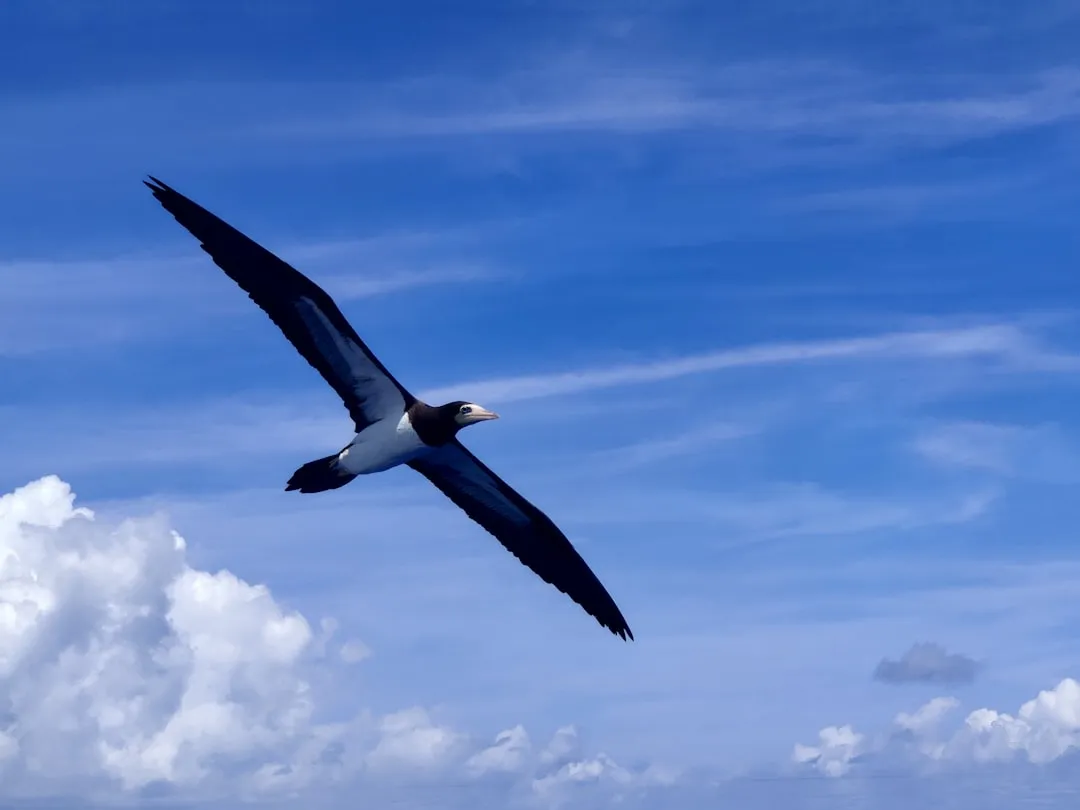
What makes the grey-headed albatross especially interesting is that its speed doesn’t come from constant, exhausting effort the way a sprinting falcon or a beating swift wing does. What’s even more impressive is that albatrosses expend hardly any energy while flying, because their wings lock into an extended position, meaning they don’t have to strain to keep their wings open and can simply swoop and soar on air currents without so much as flapping. This technique, known among researchers as dynamic soaring, lets the bird extract energy from differences in wind speed at different altitudes just above the ocean surface.
The lifestyle built around this ability is staggering in scale. One satellite-tagged bird was clocked circumnavigating Antarctica in a mere 46 days. That’s not a short burst of speed. That’s sustained, energy-efficient travel around an entire continent, which says as much about endurance as it does about raw velocity.
A Species Running Out of Time
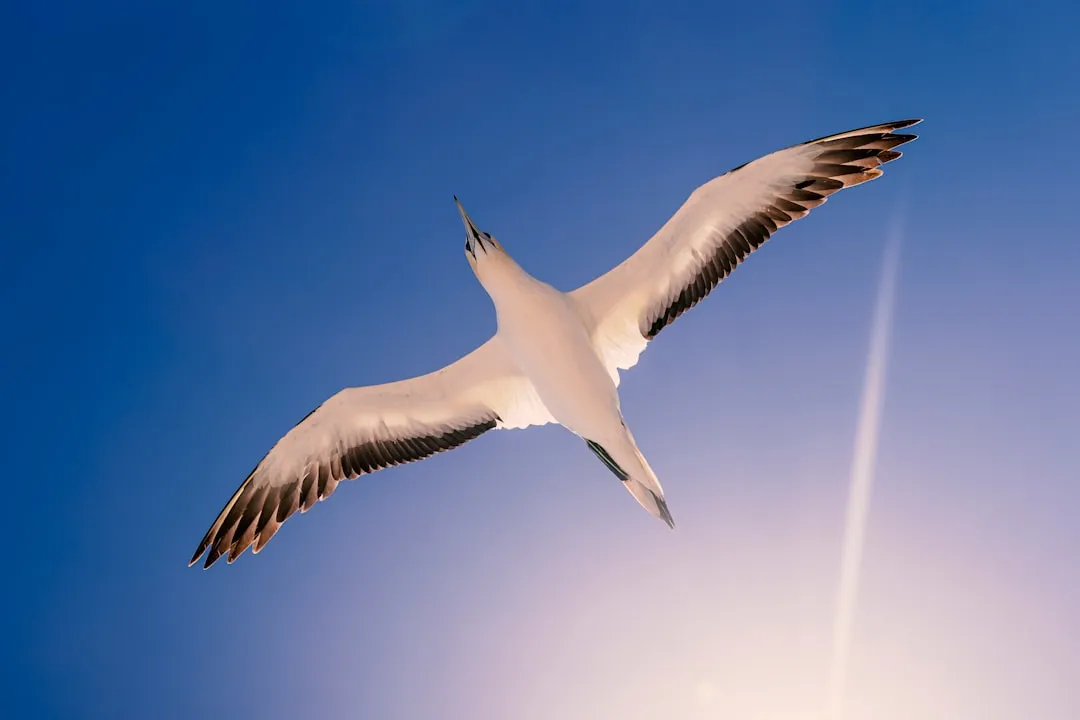
The record is impressive, but the conservation picture behind it is genuinely sobering, and it deserves mention rather than a footnote. Since 1977, their numbers have fallen by more than half on South Georgia, their main breeding colony globally, and for the past decade they’ve been declining at a rate of 5% a year, faster than any other albatross species. The primary driver isn’t habitat loss or climate shifts alone, it’s fishing gear.
Longline and trawl fisheries are the main culprit, and the numbers are hard to read comfortably. This bycatch kills tens of thousands of albatrosses a year and is the main reason that 15 of the world’s 22 albatross species are threatened with extinction. There’s something quietly unsettling about a bird holding one of nature’s more remarkable speed records while simultaneously being squeezed toward extinction by an industry most of us interact with every time we buy fish at a supermarket.
Final Thoughts
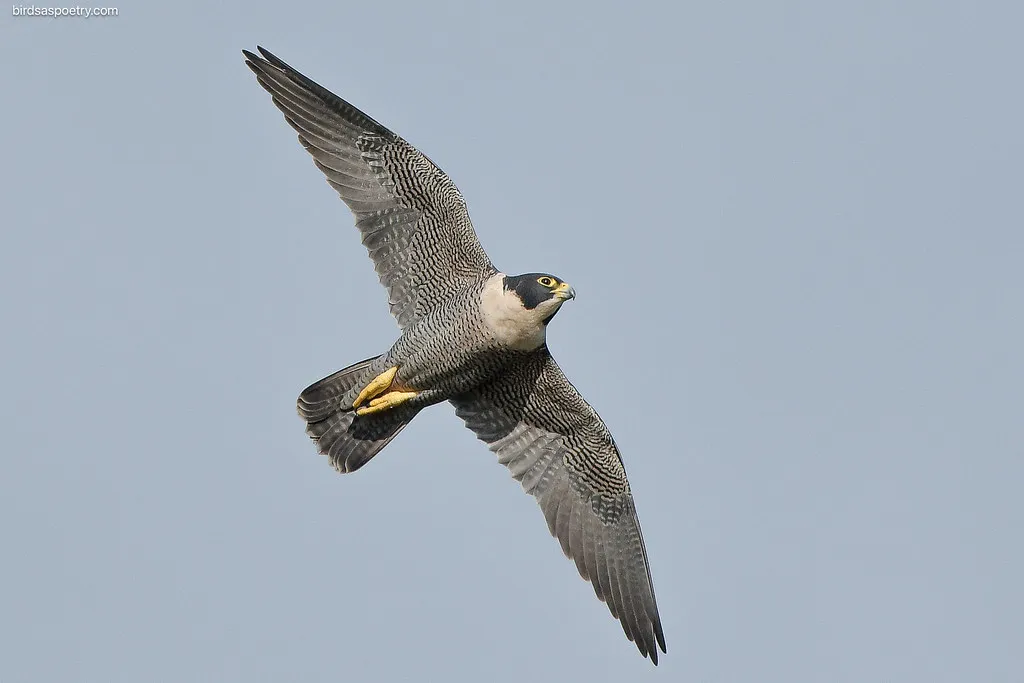
The peregrine falcon earns its fame honestly, but only for one specific, gravity-fueled trick. The real prize for level flight belongs to a gray-headed seabird riding out Antarctic storms thousands of miles from anywhere most people will ever travel, a species so obscure that even seasoned bird writers admit they’ve never laid eyes on one.
What strikes me most isn’t the number itself, it’s how little fanfare surrounds it. A bird broke a genuine speed record by doing what it does every single day of its long, ocean-spanning life, and almost nobody noticed. If that isn’t a reason to pay closer attention to the quiet, unglamorous corners of the natural world, I’m not sure what is.

- The Fastest Bird in Level Flight Is Not the Peregrine Falcon – That Record Belongs to a Species That Almost No One Can Identify on Sight - July 19, 2026
- 12 Architectural Wonders From The Ancient World That Inspire Us Today - July 18, 2026
- 6 Beautiful Ancient Cities That Time Forgot (But Shouldn’t) - July 18, 2026