


The Gulf Coast, renowned for its rich biodiversity and vibrant marine life, is facing an alarming phenomenon—massive fish die-offs. These events have raised concerns among environmentalists, scientists, and local communities alike. But what exactly is causing these die-offs? This article explores the various factors contributing to this distressing situation and examines their implications for the region’s ecosystem and economy.
The Importance of the Gulf Coast Ecosystem

The Gulf Coast is home to one of the most diverse and productive ecosystems in the United States. It provides essential habitats for a wide array of marine species, including commercially important fish such as red snapper, grouper, and shrimp. Its resilience and health are vital not only for ecological balance but also for the thriving coastal economies that depend on fishing and tourism.
Understanding Fish Die-Offs
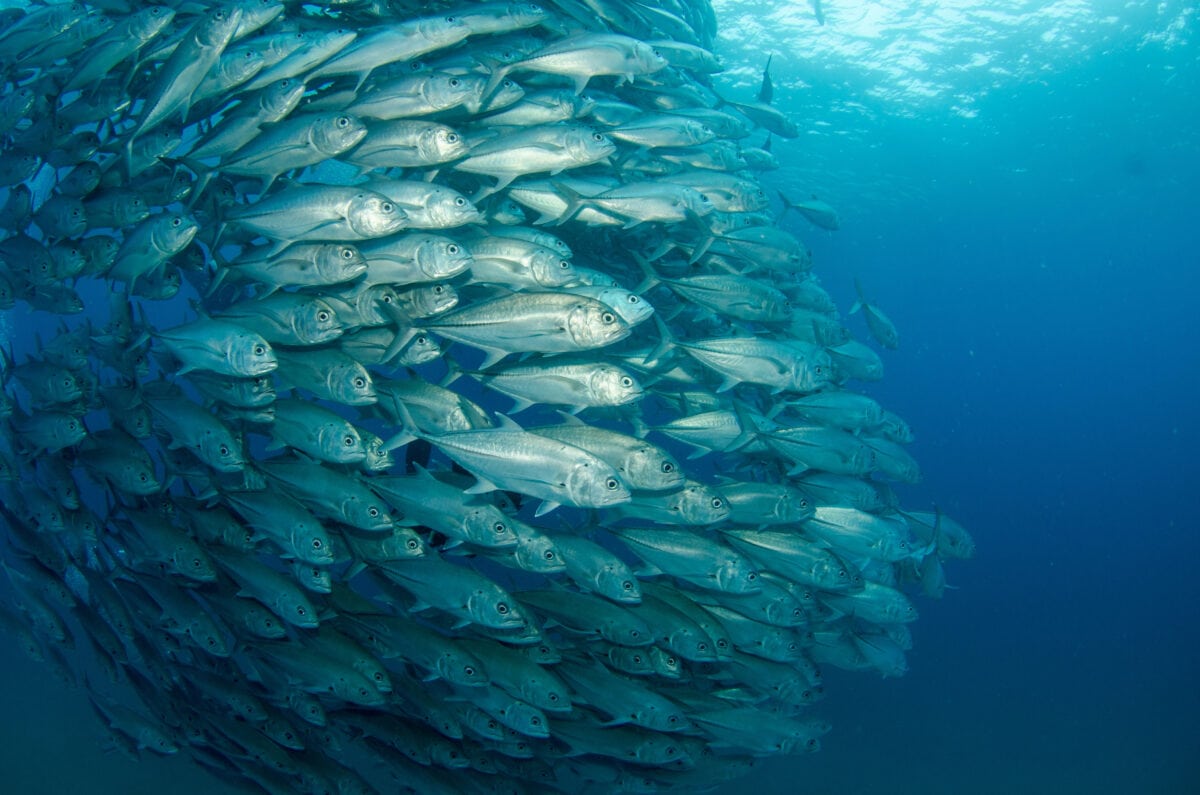
Fish die-offs, or fish kills, occur when large numbers of fish die unexpectedly and simultaneously. These events can be natural or human-induced, and they are often indications of underlying environmental problems. In the Gulf Coast, recent die-offs have caught the attention of both scientists and residents due to their frequency and scale.
Red Tide: A Major Culprit

One of the primary causes of fish die-offs in the Gulf Coast is red tide—a harmful algal bloom caused by the microorganism Karenia brevis. These blooms release potent neurotoxins called brevetoxins into the water, which can affect marine life, contaminate seafood, and even cause respiratory issues in humans. The Gulf Coast’s warm waters and nutrient-rich conditions create an ideal environment for these blooms.
Hypoxia and its Consequences

Hypoxia, or low oxygen levels in water, is another significant factor contributing to fish die-offs. Excessive nutrient runoff from agricultural fields, urban areas, and wastewater treatment plants promote algal growth. When the algae die and decompose, they deplete oxygen levels, creating “dead zones” where fish cannot survive. The Gulf of Mexico is particularly vulnerable to hypoxia, with large dead zones forming annually.
Climate Change: An Aggravating Factor

Climate change is exacerbating the conditions that lead to fish die-offs along the Gulf Coast. Rising sea temperatures promote the growth of harmful algal blooms, while more intense and frequent hurricanes can disrupt marine environments and increase nutrient runoff. Additionally, changing ocean chemistry, such as ocean acidification, poses long-term threats to marine biodiversity and fish populations.
Pollution and its Impact

Industrial and agricultural pollution plays a significant role in fish die-offs. Chemical contaminants such as pesticides, heavy metals, and hydrocarbons from oil spills can be toxic to marine life. The Gulf Coast has experienced several high-profile oil spills, the most notable being the Deepwater Horizon spill, which had devastating effects on marine habitats and organisms.
Overfishing: Straining Fish Populations

Overfishing further stresses fish populations, making them less resilient to environmental changes. The Gulf Coast’s fisheries are critical to the local economy, but unsustainable fishing practices can lead to the depletion of key species, disrupting the food chain and ecosystem balance. Effective management and conservation efforts are crucial to prevent further damage.
Invasive Species: Disrupting the Balance

Invasive species, such as the lionfish, pose an additional threat to native fish populations. These species often outcompete local fish for food and habitat, leading to a decline in native species. The Gulf Coast serves as a hotspot for various non-native species, making the ecosystem more vulnerable to disruptions.
The Role of Local Communities

Local communities along the Gulf Coast are on the front lines of addressing fish die-offs. Through citizen science projects, habitat restoration efforts, and sustainable fishing practices, they play a crucial role in mitigating the impacts of fish die-offs. Community engagement is essential for fostering resilience and ensuring the long-term health of the Gulf’s marine ecosystems.
Scientific Research and Monitoring

Ongoing scientific research is vital for understanding the underlying causes and dynamics of fish die-offs. Monitoring programs track water quality, fish populations, and environmental changes to provide data-driven insights. These efforts are crucial for developing effective response strategies and policy measures to address the root causes and reduce the frequency of die-offs.
Regulatory and Policy Responses

Governments and environmental agencies have implemented various regulatory measures to protect the Gulf Coast’s marine life. Policies focus on reducing pollution, conserving habitats, and regulating fisheries to prevent overfishing. Collaborative efforts at state, federal, and international levels are necessary to create comprehensive solutions for these complex challenges.
Conclusion: Building a Resilient Future

The fish die-offs along the Gulf Coast underscore the urgent need to address environmental challenges through informed action and collaboration. By understanding and mitigating the factors contributing to these events—such as red tides, hypoxia, pollution, and climate change—we can protect the region’s rich biodiversity and the communities that depend on it. With concerted efforts, both locally and globally, it’s possible to build a more resilient future for the Gulf Coast ecosystem.

From exploring the marine wonders in the Azores and witnessing the vast savannas of Kenya, to delving deep into the rich biodiversity of South Africa and traversing iconic landscapes in Australia and the US like Yellowstone, Chris's experiences are vast.
With a penchant for diving alongside sharks, the ocean holds a special place in his heart.
Through his academic insights, he champions wildlife conservation, striving with 'Animals Around The Globe' to cultivate a profound connection between humans and animals, enhancing our mutual appreciation.
Connect with him at Feedback@animalsaroundtheglobe.com.
- This Animal Can Change Color Faster Than a Chameleon - July 21, 2026
- Top 10 Animals and Wildlife in Hawaii - July 21, 2026
- Hollywood’s Wildest Star: California’s Famous Puma P-22 - July 21, 2026