

Lakes are some of the most serene and captivating landscapes in the natural world. However, they occasionally become scenes of incredible and unexpected events. Imagine a lake freezing so rapidly that fish swimming in it become trapped just beneath the surface. This intriguing phenomenon might sound like a tall tale, but it indeed occurred in the United States, capturing the attention of scientists and nature enthusiasts alike. This article delves into the circumstances, science, and consequences surrounding this remarkable event.
The Location: Where Did This Happen?

Such a fascinating incident took place in U.S. waters. Fast freezes are notable in northern states, where climate conditions can cause temperatures to drop drastically within a short period. One such lake made headlines when its rapid freezing left fish encased in a layer of ice just below the surface, creating a frozen tableau of aquatic life.
Understanding the Freezing Process

Freezing a body of water is a complex process, dependent on several factors including air temperature, water temperature, wind conditions, and the lake’s size and depth. Typically, a lake begins to freeze when the air temperature drops below 32 degrees Fahrenheit. However, a full lake freeze of this rapid kind requires a combination of extremely low temperatures and calm conditions to lock in the water quickly.
Why Did the Fish Get Trapped?
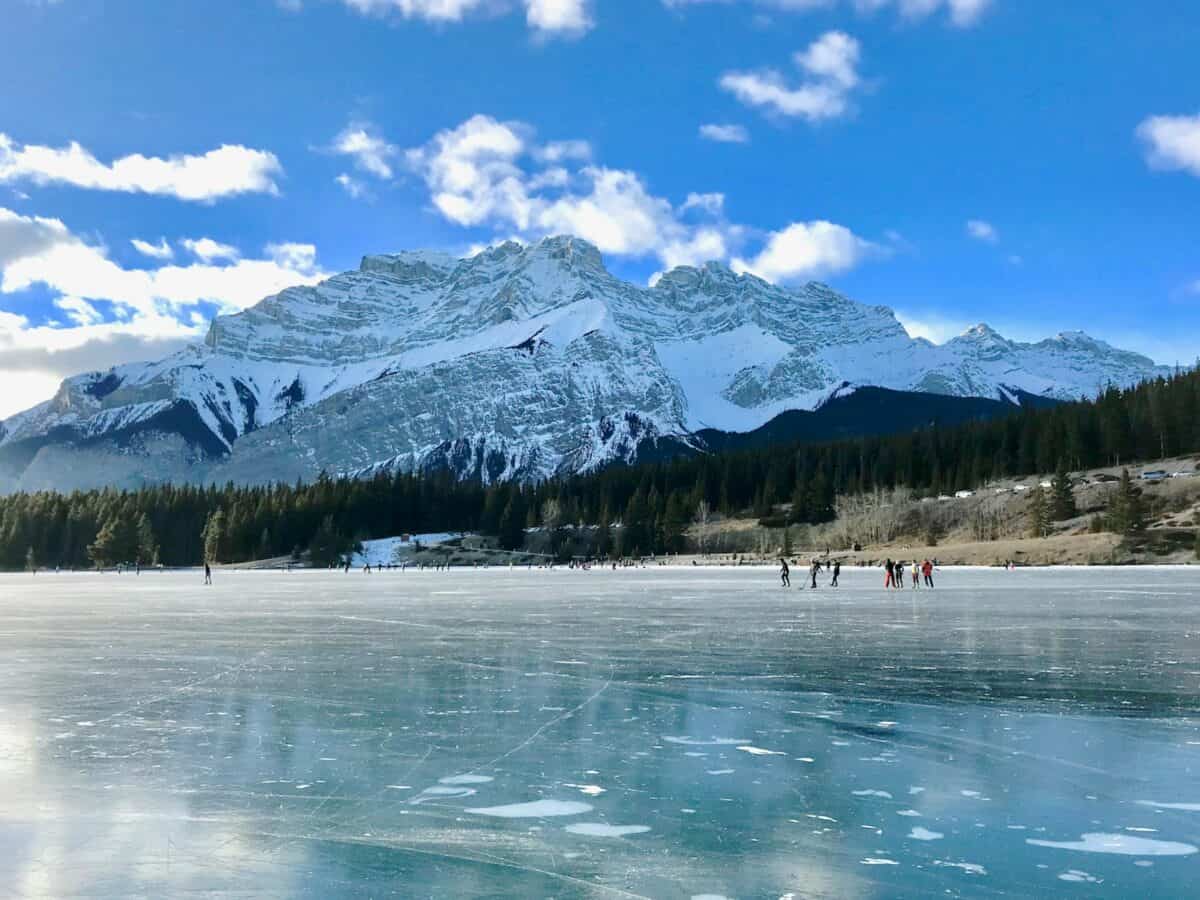
The sudden entrapment of fish in ice is not common. In this instance, an abrupt drop in temperature, combined with a lack of wind, caused the surface to freeze swiftly. Fish swimming near the top were unable to swim away or sense the impending danger, leading to their unfortunate entrapment.
The Role of Weather Conditions

The local weather played a crucial part in this occurrence. A swiftly advancing cold front brought exceptionally low temperatures accompanied by a pause in the high winds that might otherwise churn the surface of the lake, preventing it from freezing so suddenly and uniformly.
Ecological Impact of Rapid Freezing
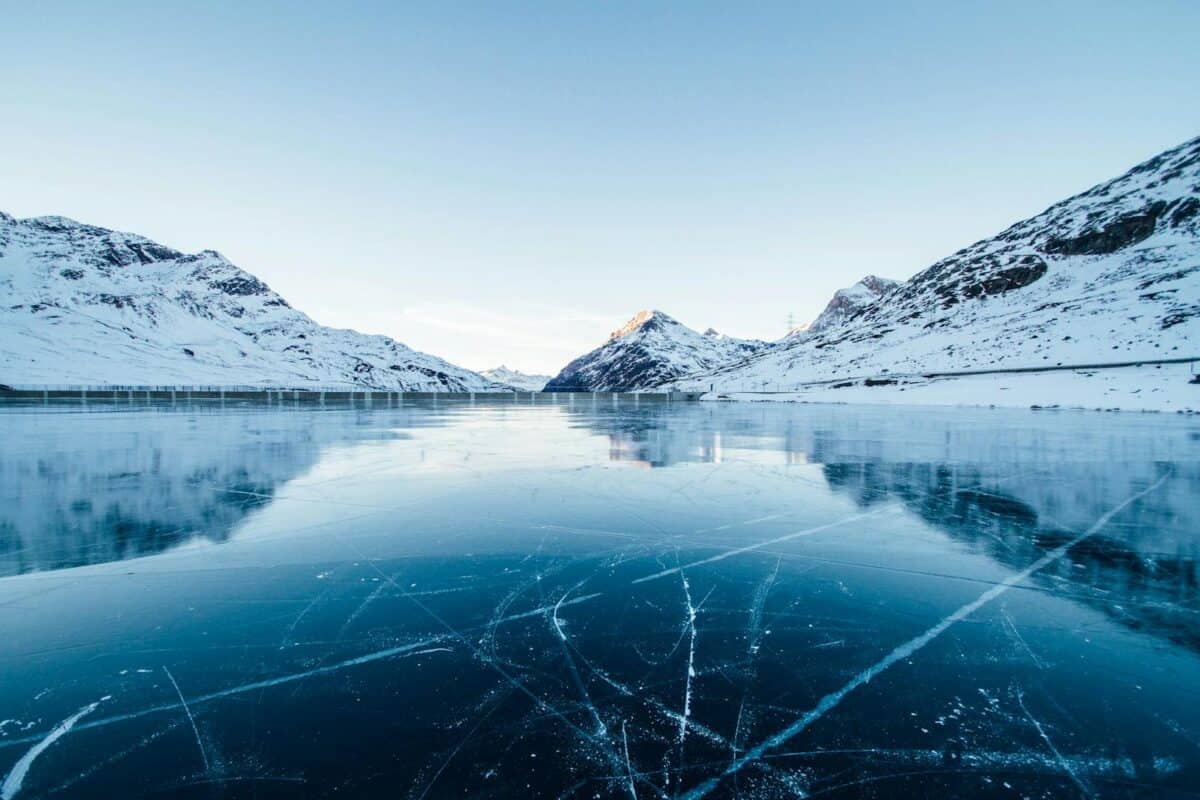
This event had significant implications for the lake’s ecosystem. The sudden freeze not only trapped fish but also disrupted the normal winter routines of the aquatic life, potentially resulting in elevated mortality rates for other species unable to escape the freeze.
Scientific Interest and Research
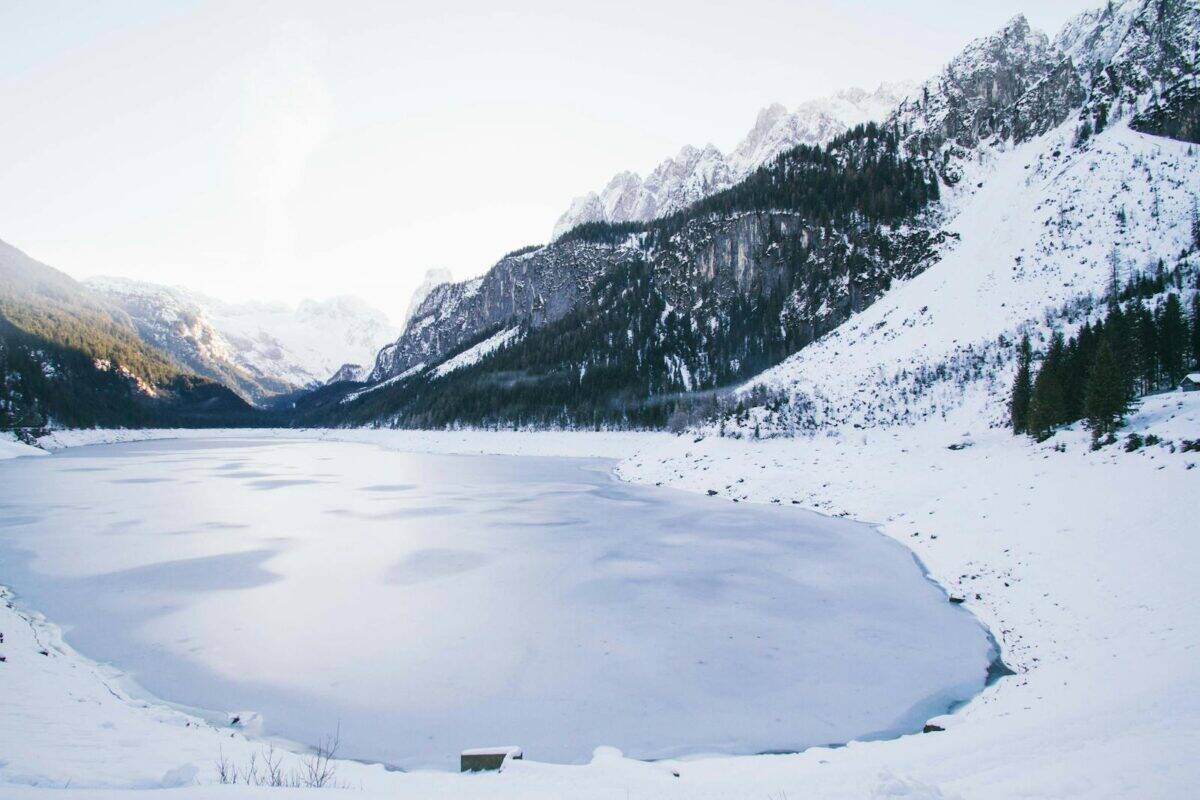
Such an unusual event sparks considerable scientific interest. Researchers are keen to understand the conditions that lead to such rapid freezing events, studying climatic patterns, and ecological impacts. These occurrences offer unique opportunities to study the resilience and adaptability of aquatic ecosystems in extreme conditions.
Local and Literary Fascination
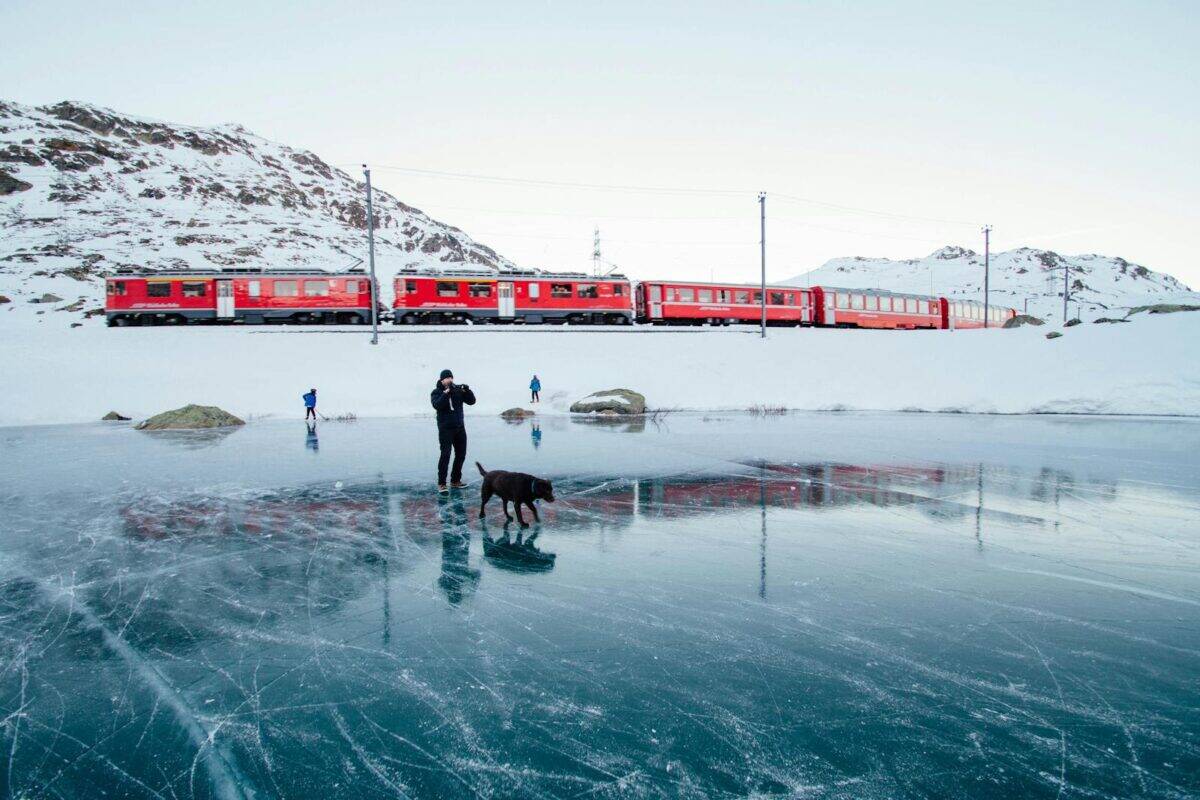
Beyond scientific circles, the phenomenon captures the imagination of locals and artists alike. Such an event is documented and preserved in stories, photographs, and even poems. It’s a reminder of nature’s unpredictable power and beauty.
Historical Precedents

Historically, there have been reports of rapid freezing in various parts of the world. While these events are rare, they are acknowledged in the annals of meteorological and ecological phenomena, standing as testament to the dramatic shifts in climate that can occasionally occur.
Community Reactions
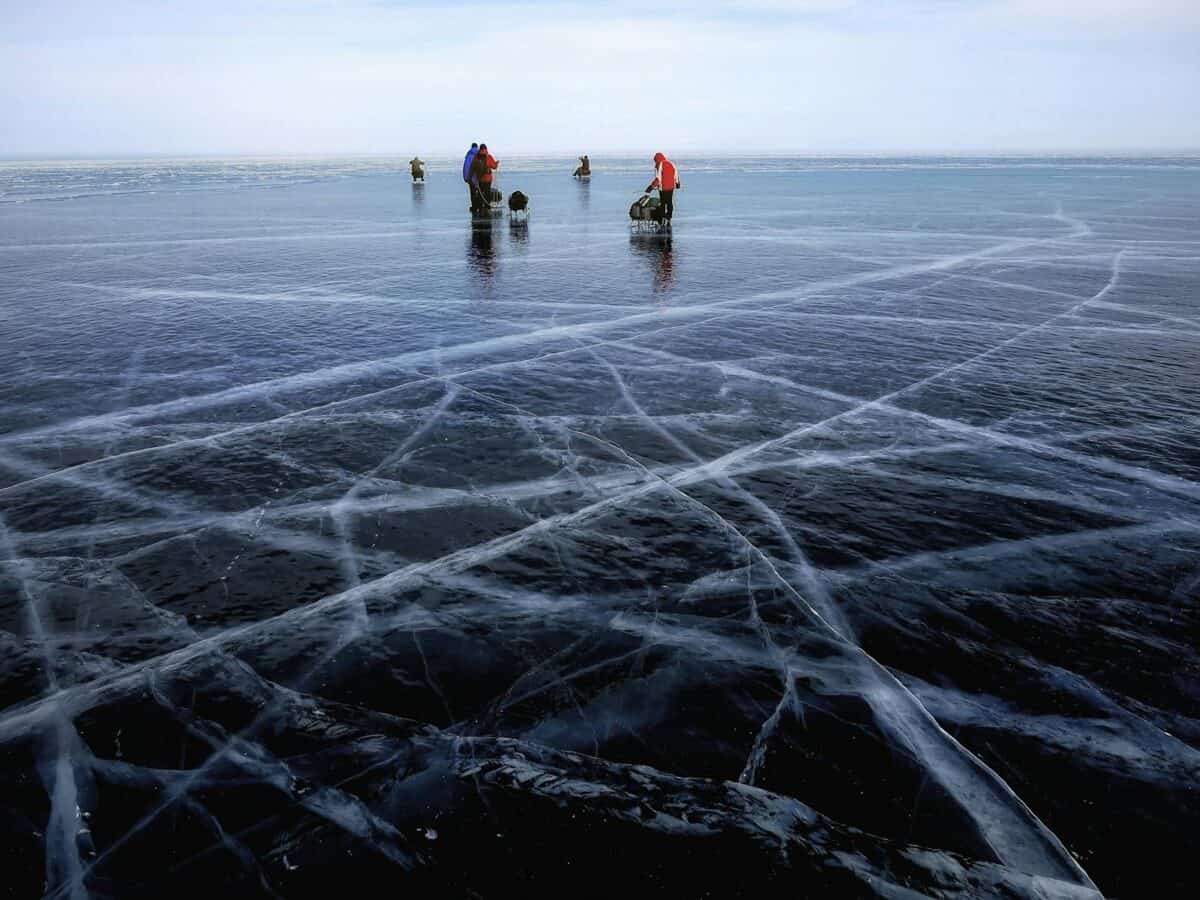
Upon discovering the frozen fish, local communities often respond with a mix of awe and concern. These natural spectacles inspire curiosity while also prompting discussions about the effects of climate variability within their local environments.
Potential Climate Change Links

Experts are continually examining whether such rapid freezing events could be indicative of broader climate change patterns. Sudden freezes, along with other extreme weather phenomena, might offer insights into how global warming is reshaping local climates worldwide.
Preparations for Future Incidents

To mitigate potential damage to ecosystems and ensure the safety of local communities in future incidents, research and monitoring continue to be vital. Awareness programs and enhanced meteorological tools are essential for predicting and responding to similar events.
Summary of Key Takeaways
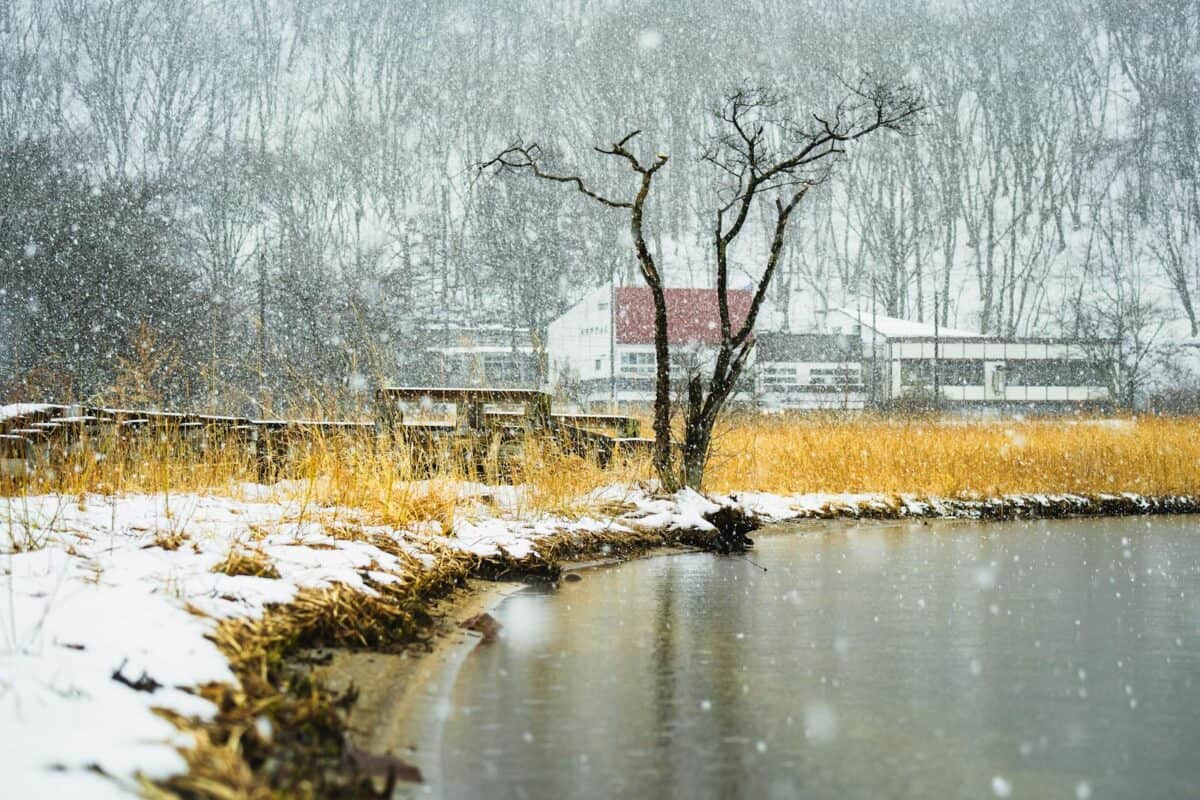
The sudden freezing event on a U.S. lake, resulting in fish trapped in the ice, is a captivating instance of nature’s unpredictability. It underscores the complex interplay of environmental conditions required for such occurrences and the wider implications for local ecosystems and communities. By studying and understanding these events, we gain deeper insights into natural processes and the ongoing impacts of climate change. Ultimately, it serves as a powerful reminder of the need for continued vigilance and research in our ever-evolving natural world.

- This Tiny Insect Can Survive in Outer Space—Here’s How - July 21, 2026
- Could the Tasmanian Tiger Be Brought Back to Life? - July 21, 2026
- Why You Should Never Approach a Sleeping Hippo - July 21, 2026