


Horses, those magnificent creatures that have shared our history for millennia, exhibit some truly fascinating behaviors. Among these, their ability to sleep while standing is particularly intriguing. For many, it’s a curious fact that invites questions about evolution, biology, and behavior. Exploring why horses sleep standing up not only unveils interesting insights into their biology but also enriches our understanding of these elegant animals. Let’s delve into the intricacies of this remarkable ability with expert insights.
The Evolutionary Background

Horses belong to the family Equidae, a lineage that has adapted to diverse environments over millions of years. Originally from the expansive grasslands of North America, they have developed unique survival strategies. Standing while sleeping is an evolutionary trait meant to enhance their vigilance against predators. In the wild, where threats lurked at every shadow, being able to remain on their feet allowed horses a quick escape—a pivotal advantage in survival.
The Stay Apparatus
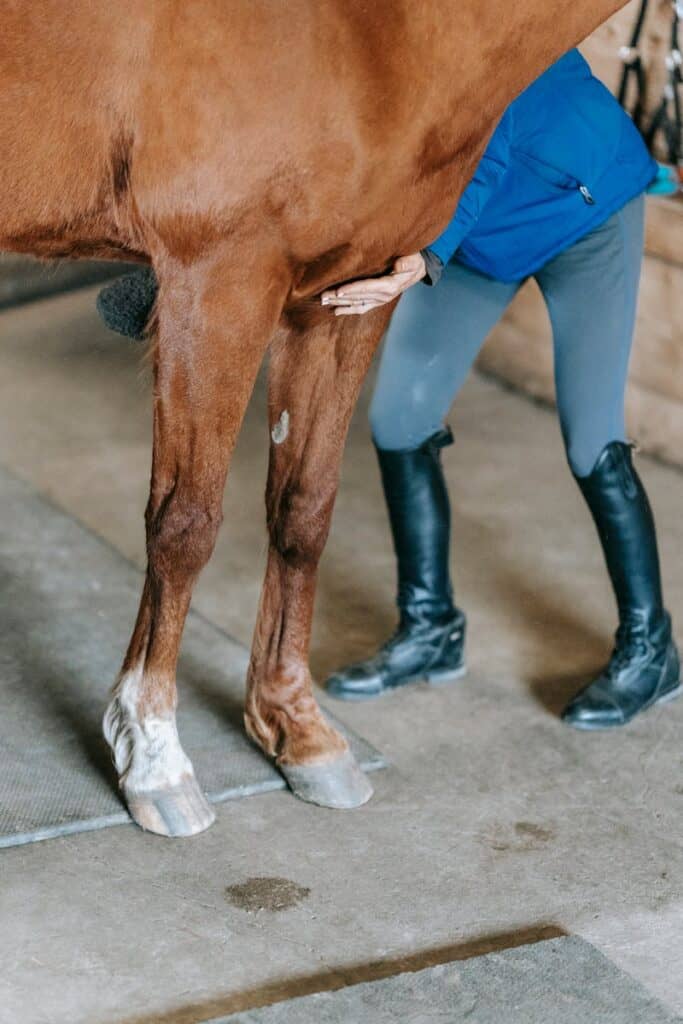
Horses are equipped with a special anatomical feature known as the “stay apparatus.” This complex system of tendons and ligaments enables them to lock their knees and hocks. This structure allows horses to rest their muscles while keeping the legs in position without exerting effort, making it possible to sleep without collapsing. The mechanism is a brilliant example of nature’s engineering that supports the horse’s weight without tiring the muscles.
The Types of Horse Sleep
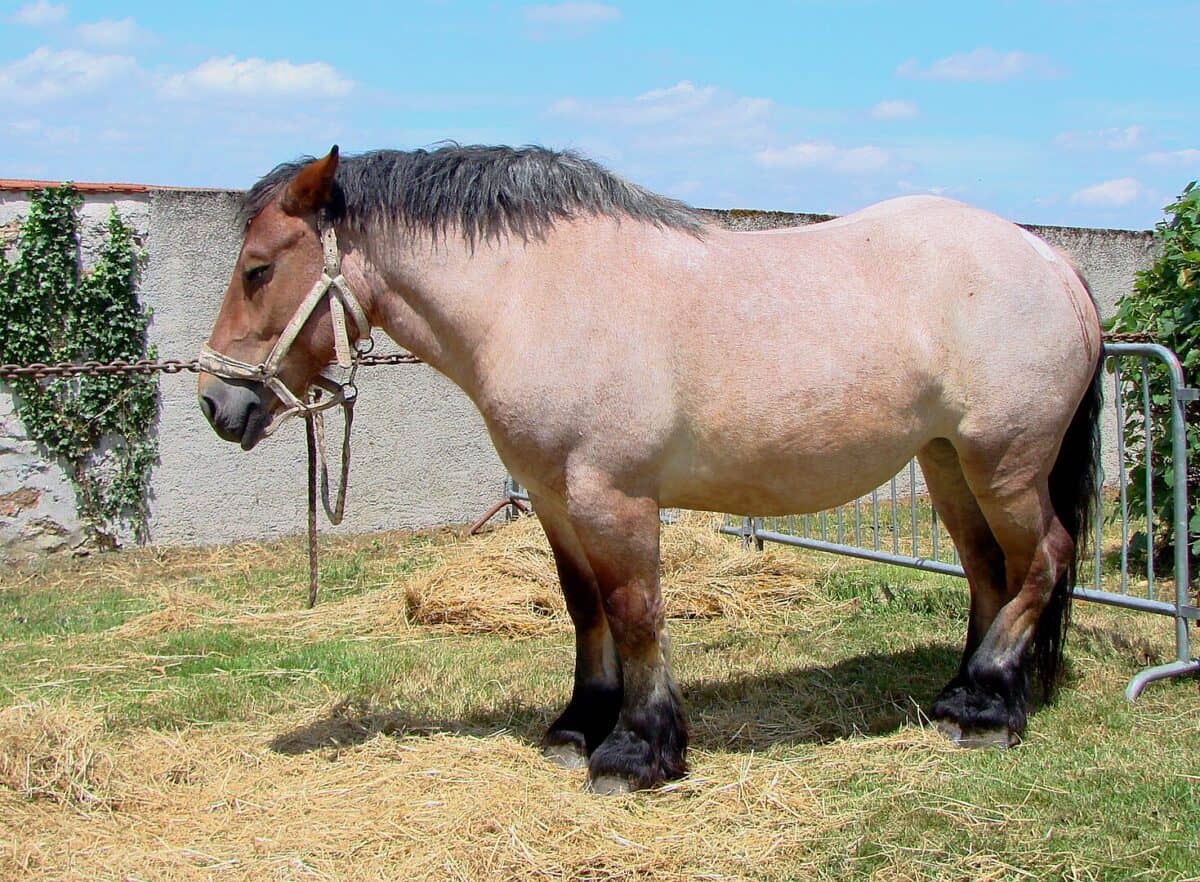
Like humans, horses experience different stages of sleep, including rapid eye movement (REM) sleep, which is essential for mental rejuvenation. However, REM sleep requires lying down because of the muscle relaxation involved. Therefore, while horses can doze and engage in non-REM sleep while standing, they must lie down periodically to fulfill their need for REM sleep, which typically occurs in short bursts of ten to twenty minutes, several times a day.
The Duration and Patterns of Sleep

Horses sleep patterns differ significantly from humans. Generally, horses need less sleep than many mammals, about two to five hours per day, comprising both short standing naps and brief lying-down sessions. Their polyphasic sleep pattern—spread across various intervals—helps them adapt to grazing lifestyles, where continuous feeding rather than long rest periods is essential for balanced nutrition intake.
The Role of Environment
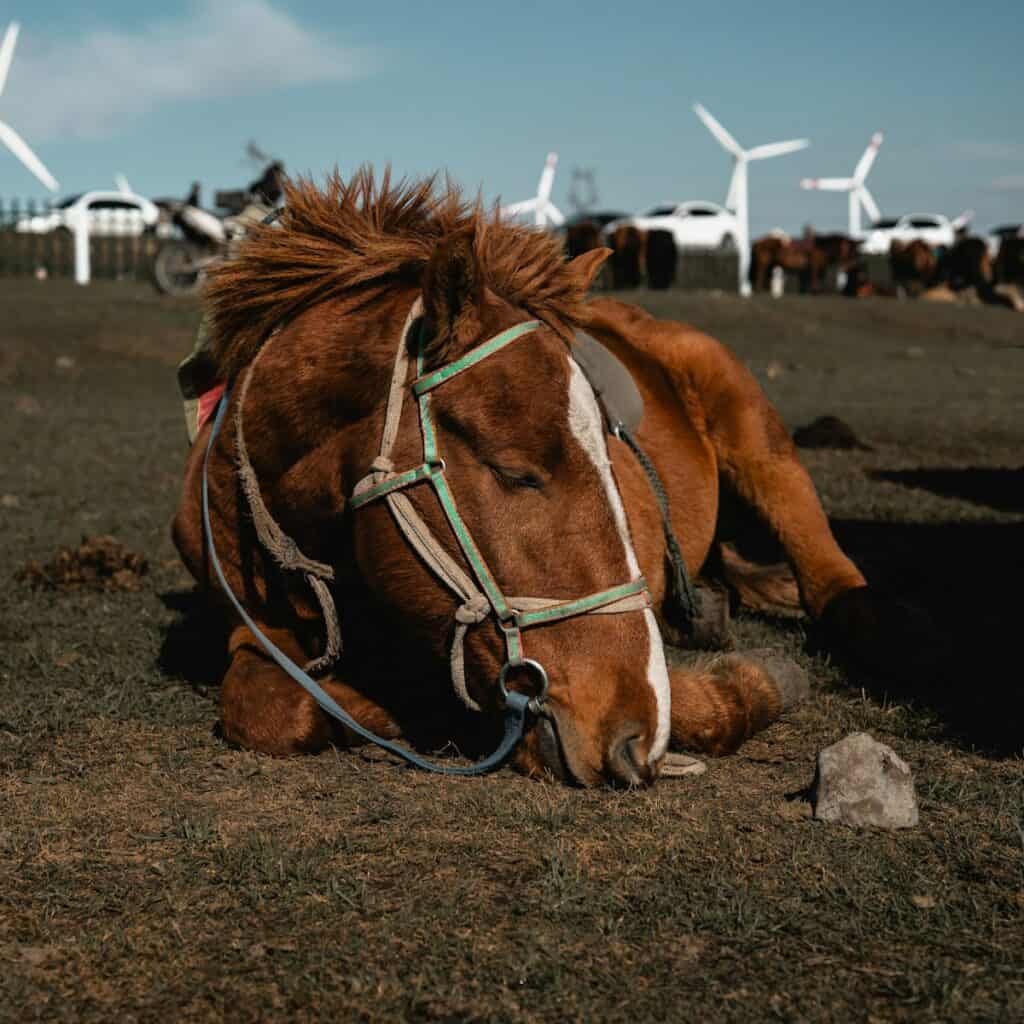
The stability of a horse’s environment plays a significant role in how much time they will spend standing versus lying down while sleeping. When horses feel safe and secure, such as in a familiar barn or paddock, they are more likely to lie down to achieve REM sleep. In contrast, new or perceived unsafe environments may compel them to remain standing more frequently part of their intrinsic flight instinct.
The Social Dynamics of Herds
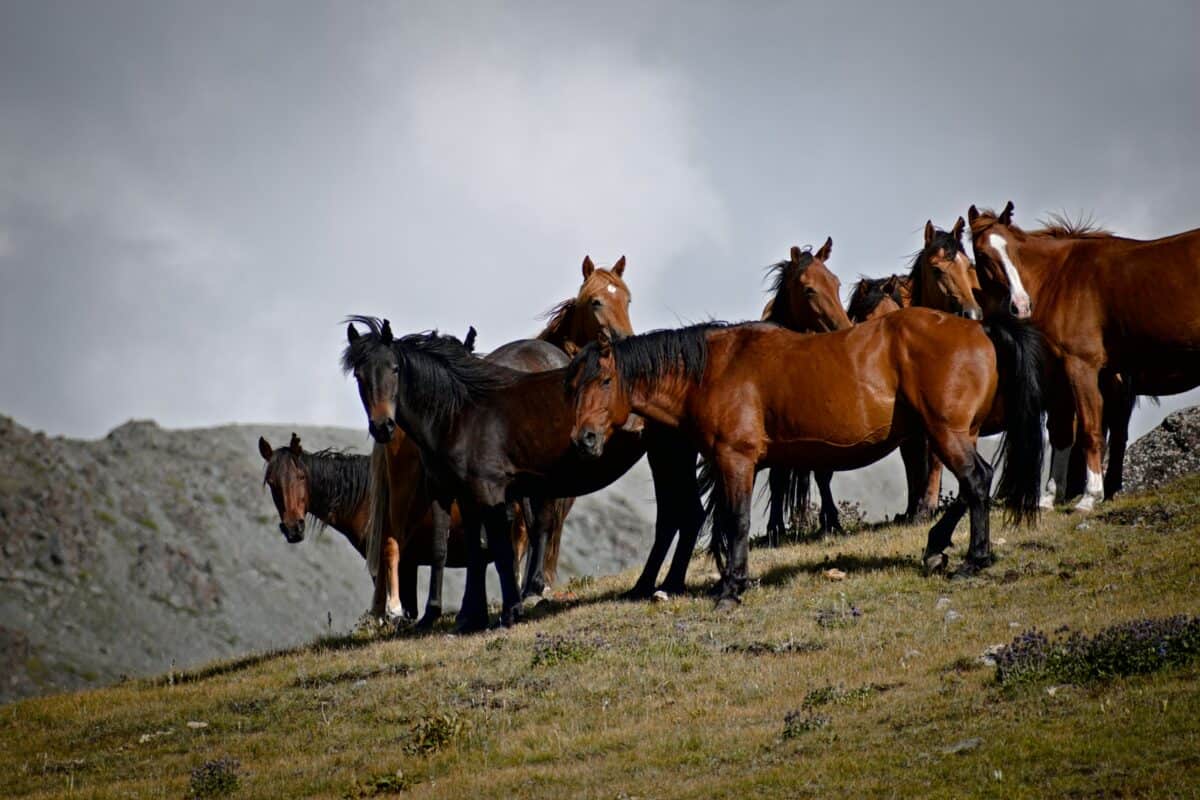
Horses are social creatures that thrive in herds, where their sleeping habits are influenced by dynamics and hierarchies within the group. In a herd, horses often adopt a watch system akin to many prey animals, where some members stay awake and alert while others rest, ensuring the group’s collective safety. This behavior illustrates the evolutionary advantage of being able to sleep while standing, providing constant readiness and protection.
The Implications for Horse Owners

For horse owners, understanding these sleep behaviors is crucial to providing optimal care. Ensuring that horses have a serene and secure area where they can lie down unperturbed is vital for their health. Owners should facilitate environments that encourage natural sleep patterns, including soft bedding and ample space to avoid stress and potential health issues arising from inadequate rest.
The Physical Health Aspect
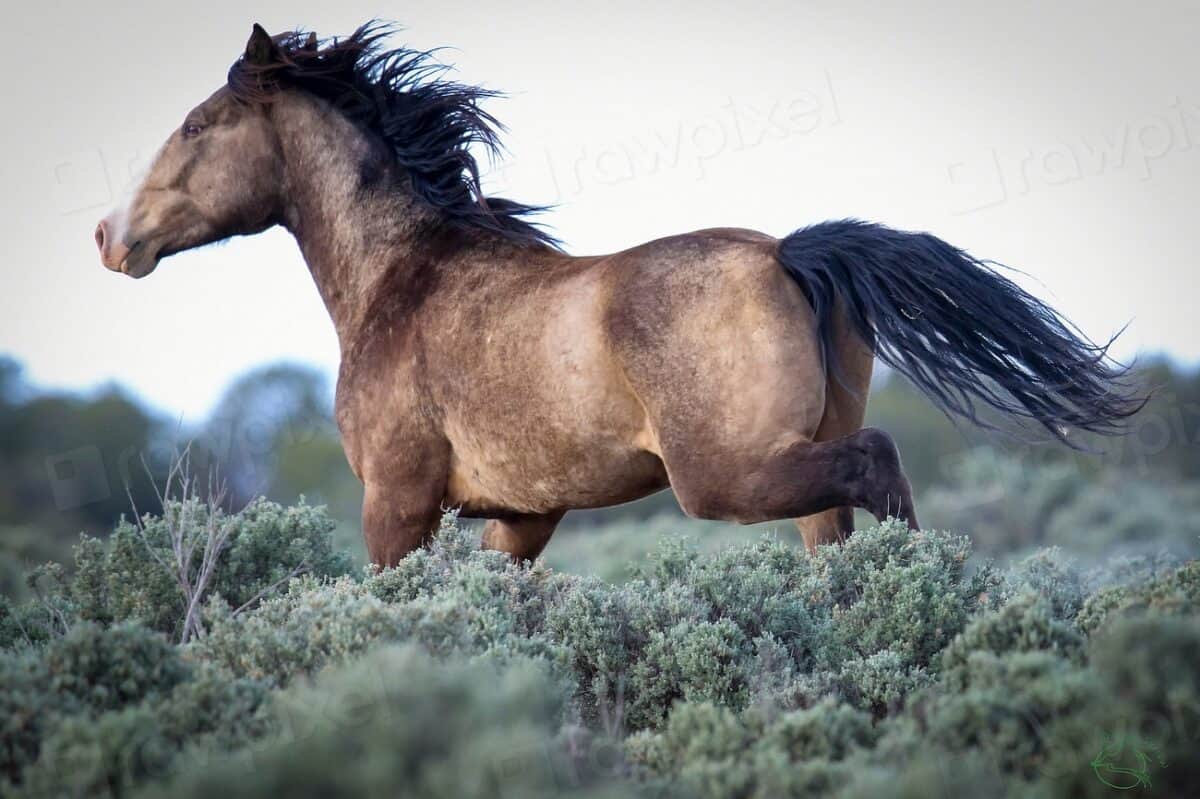
There are also essential health considerations linked to a horse’s sleeping posture. Extended periods without adequate lying-down sleep can lead to sleep deprivation, which may manifest as excessive drowsiness or even abnormal behavior. Regular monitoring and veterinary check-ups are critical to ensure their sleep needs are being met without any underlying conditions affecting their rest patterns.
A Comparison with Other Animals
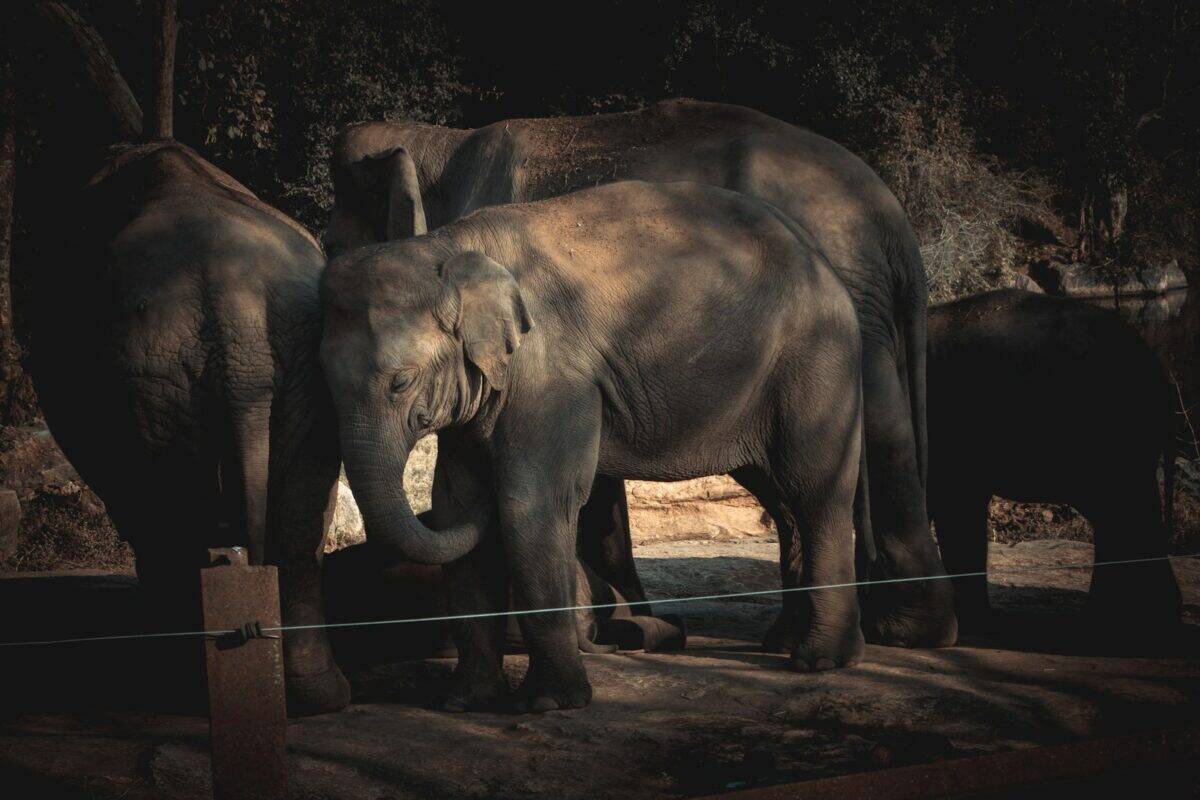
While standing sleep might seem bizarre to us, it’s not exclusive to horses. Other animals, such as elephants and some birds, have similar abilities due to their respective evolutionary paths. This cross-species comparison enriches our understanding of how different animals adapt to their environments, showcasing the diversity of survival mechanisms in the animal kingdom.
The Impact of Domestication

Domestication has subtly altered some aspects of how horses sleep. Though their basic tendencies remain the same, living in domesticated environments with curated safety diminishes the need to be as vigilant. This shift has implications on their sleep quantity and quality, often encouraging more frequent lying-down sleep than their wild ancestors.
Expert Insights
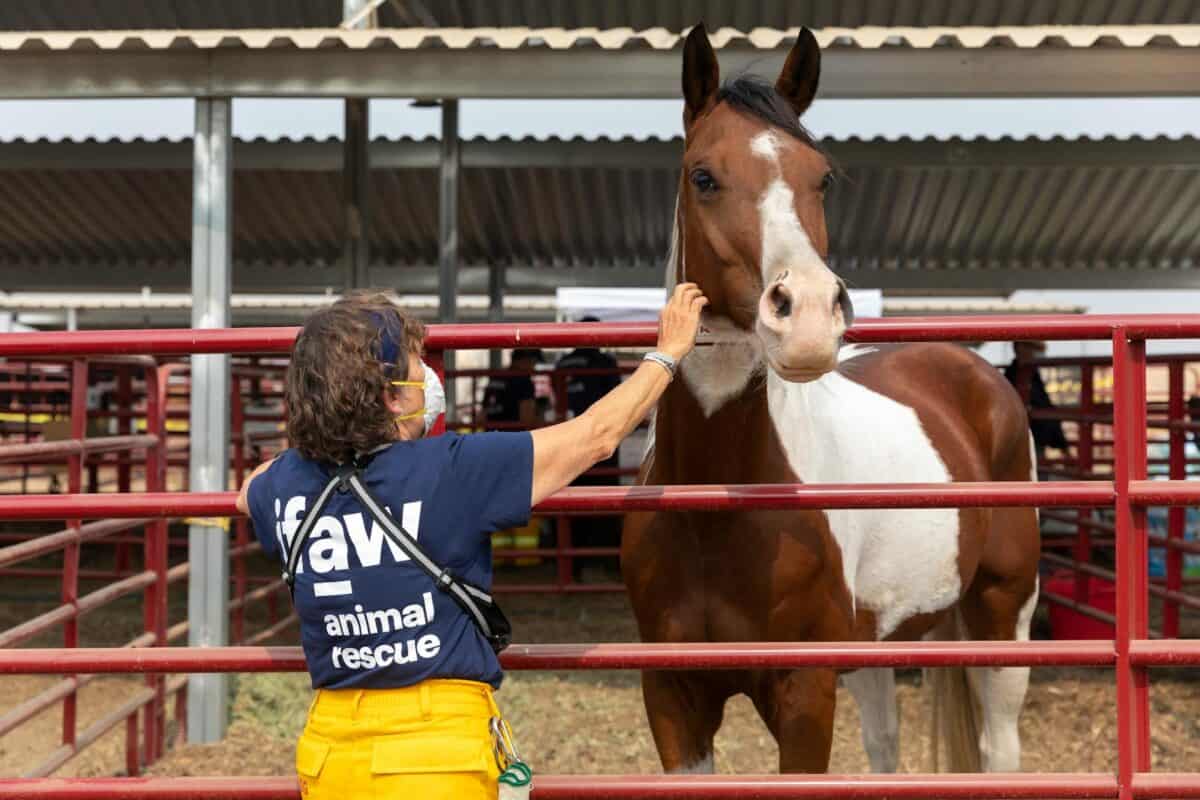
Veterinarians and equine behaviorists continuously study these sleeping habits to deeply understand how they impact a horse’s health and welfare. According to experts, providing proper surfaces and considerate environments, alongside regular health checks, plays an essential role in ensuring that horses adapt well to their domesticated conditions, continuing to utilize their unique evolutionary tools.
The Cultural Significance of the Standing Sleep
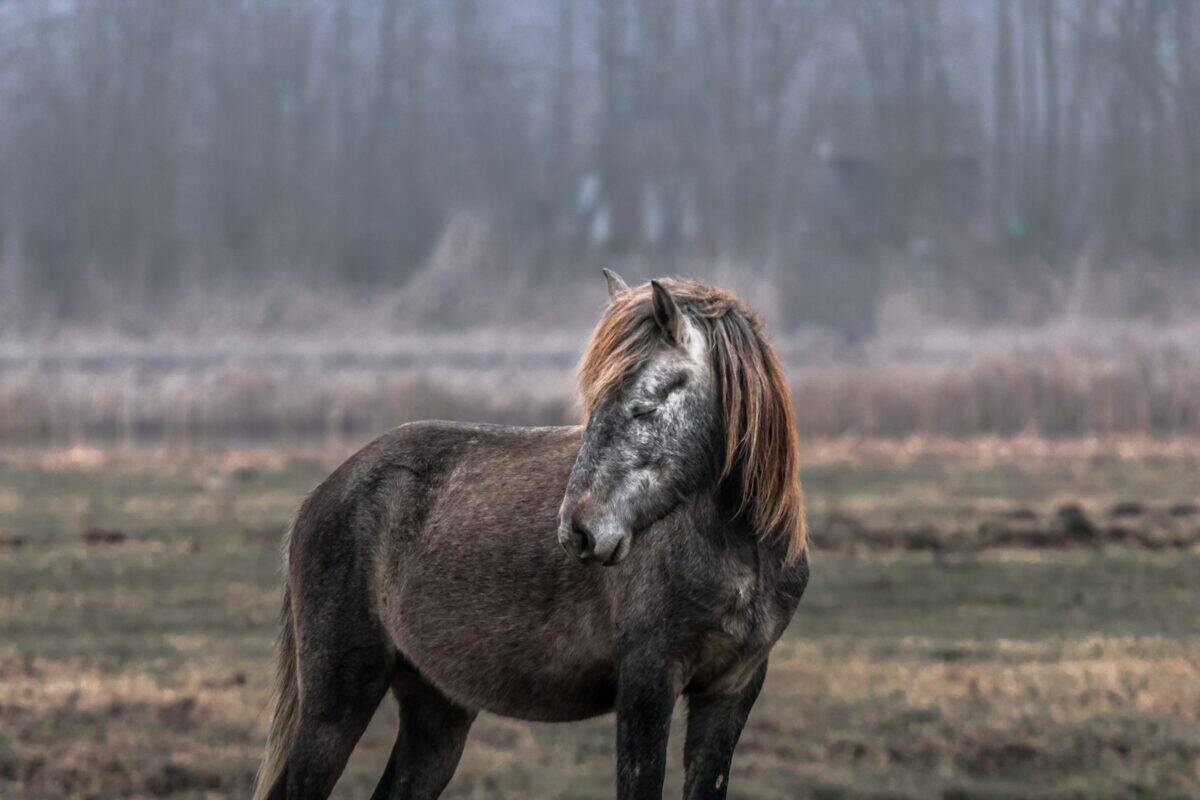
The image of a horse standing majestically while dozing has seeped into various cultural narratives, symbolizing strength and resilience. Recognizing this behavior as a natural and beneficial adaptation rather than a quirk allows us to appreciate the profound evolutionary intelligence behind such traits.
In conclusion, the ability of horses to sleep while standing is a striking testament to nature’s ingenuity, shaped by centuries of evolution and adaptation. Understanding this behavior enriches our appreciation for horses, informing both their care in domestic settings and their representation in cultural contexts. As we continue to learn more about these fascinating animals, the intersection of biology and behavior highlights the need for thoughtful engagement with the natural world that supports both our and their well-being.

- 12 Animals That Have Lived in the US for Millions of Years - July 16, 2026
- What Makes Capybaras So Social—and So Relaxed - July 16, 2026
- Why Koalas Sleep Up to 20 Hours a Day - July 16, 2026