


The sight of a bear rummaging through a backyard or wandering through suburbs is becoming an increasingly frequent occurrence across many regions. As human activities continue to encroach into their natural habitats, a growing question arises: Are bears becoming bolder, or are we simply seeing more of them due to environmental shifts? This article delves into the behaviors of bears, interviewing wildlife experts and scrutinizing scientific data to explore this pressing issue.
Understanding Bear Populations
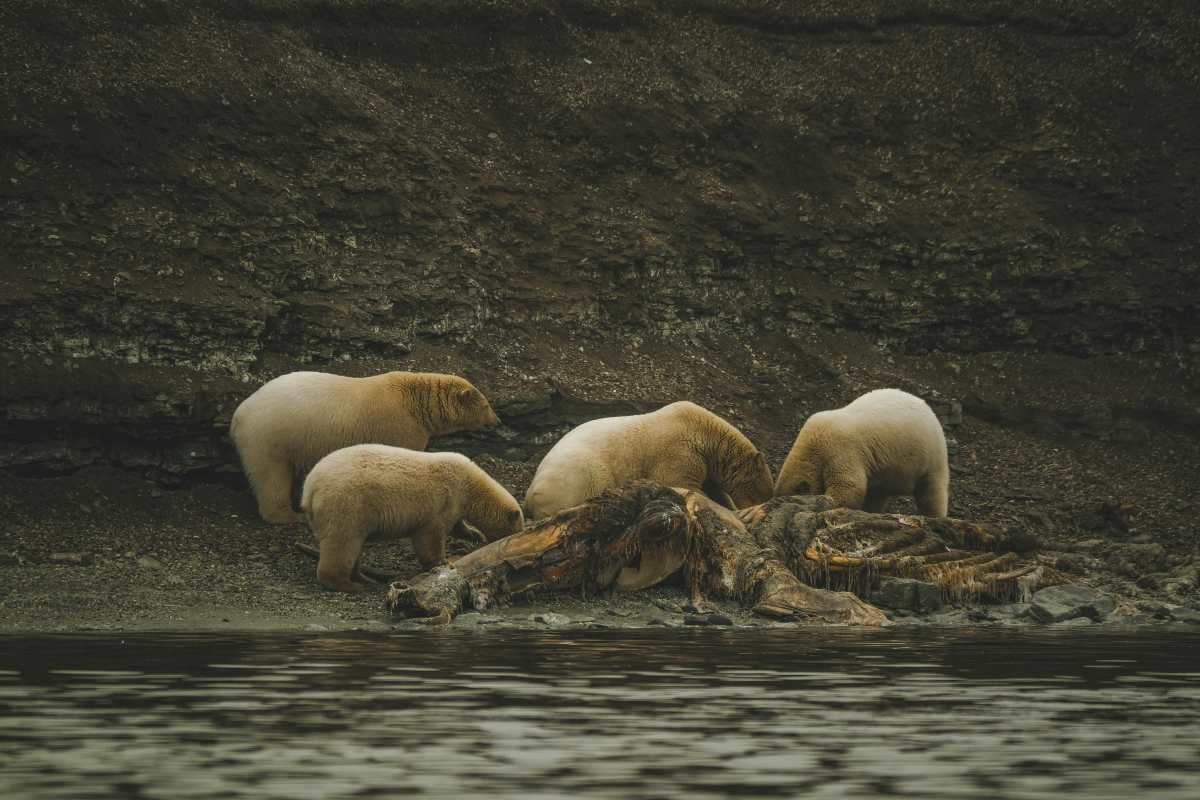
Bears, majestic creatures native to many parts of the world, have a significant presence in North America, Europe, and Asia. Recent decades have seen variations in bear populations due to factors such as habitat loss, climate change, and conservation efforts. Understanding these population trends is crucial in assessing whether their behavior towards humans is indeed changing.
Natural Habitat and Its Transformation

Experts have observed that as urban sprawl extends further into forests and mountainous regions, bears’ natural habitats are increasingly being altered. This shift often leads to higher chances of human-bear encounters, fostering the perception that bears are becoming more audacious. However, in many cases, bears are simply attempting to adapt to these new environments.
Human Impact and the Search for Food

Bears are opportunistic feeders, and their search for food often leads them to human settlements, particularly when natural food sources are scarce. Garbage, bird feeders, and pet food left outdoors represent attractive food supplies. Increased incidents of bears venturing into human spaces may thus be a reflection of their tenacity to thrive rather than inherent boldness.
Climate Change and Its Role

Climate change affects the availability of natural bear food sources like berries, nuts, and fish. As seasons and ecosystems evolve unpredictably, bears may travel further afield in search of new food supply lines. This changing dynamic can blur the line between natural exploration and boldness.
Bear Behavior: Instinct Versus Aggression

Wildlife experts emphasize that bears are generally not aggressive toward humans. Most encounters occur when bears are startled or feel threatened. Essential bear behaviors such as curiosity and a keen sense of smell may contribute to more frequent interactions with human environments, again challenging perceptions about boldness.
Conservation Success Stories

Conservation efforts have helped stabilize or increase bear populations in many regions. While this is a positive development for biodiversity, it also means there are simply more bears in areas that humans inhabit, increasing the potential for encounters without necessarily indicating a behavior change.
Risk Management and Human Preparedness

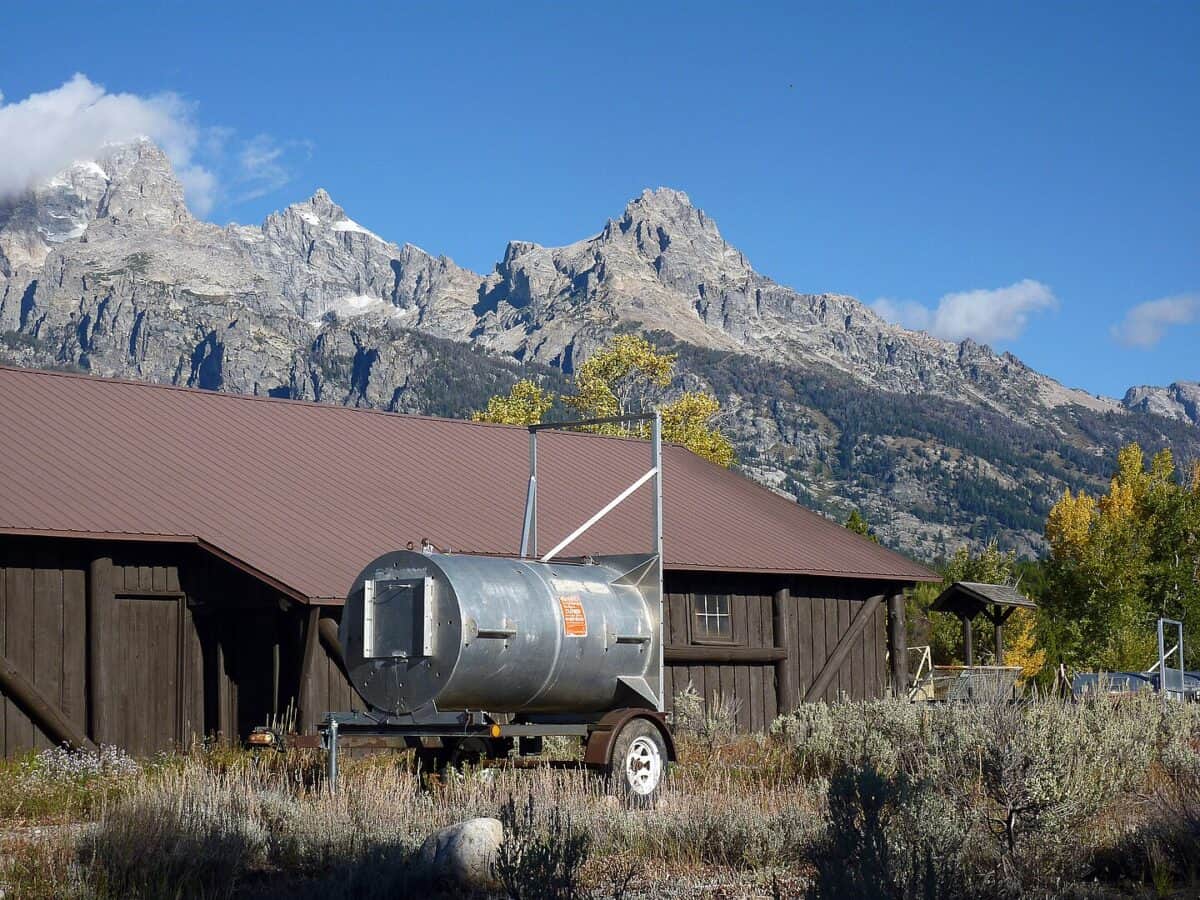
Effective management strategies and public education about living near bear habitats can mitigate potential dangers. Bear-proof bins, restrictions on bird feeders, and secure storage of outdoor food are effective measures. Wildlife experts advocate for community involvement in these measures to ensure coexistence.
Emerging Patterns and Data Collection

Scientific studies utilize GPS collars and tracking to monitor bear movements and behavior. These studies reveal insights into their habitats and daily routines, providing data that supports more informed management decisions. Patterns observed in this data help debunk myths about increased aggression.
Case Studies of Bear Encounters
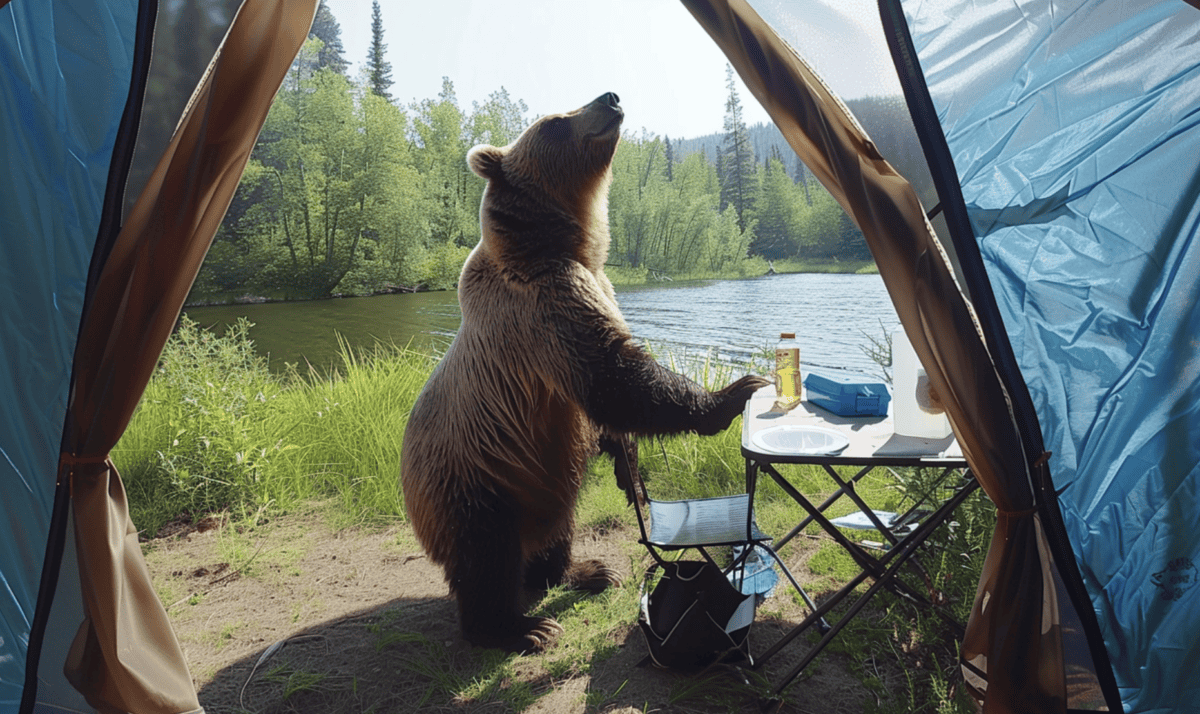
Anecdotal reports from various regions reveal a wide spectrum of bear-human interactions. Reviewing these case studies provides a richer narrative that distinguishes between actual aggression and mere curiosity or adaptation to environmental changes.
Community Initiatives and Education Programs

Across bear-populated regions, programs to educate citizens about coexistence with bears have been successful. These initiatives empower communities to understand bears’ needs and behaviors, demonstrating that informed public approaches reduce conflict and improve safety.
The Role of Technology in Monitoring Bears

With advancements in technology, wildlife experts can better track and study bear populations. Drones, remote cameras, and digital databases provide invaluable data that inform both conservation practices and public safety measures.
Future Outlook and Research Directions
Looking forward, continued research is essential to better understand the complex relationship between bears and humans. Collaboration between scientists, governments, and the public will be crucial in determining sustainable strategies to coexist with these powerful creatures.
In conclusion, the perception of bears getting bolder is nuanced and linked to various factors, from environmental changes to successful conservation efforts. By understanding and adapting to these shifts, humans and bears can coexist more harmoniously, ensuring the preservation of these magnificent animals and the safety of local communities.

- How to Attract Pollinators Without Using Sugar Water - July 19, 2026
- Coastal Creatures That Appear at Low Tide in Oregon - July 19, 2026
- How Arctic Wolves Survive in the Harshest U.S. Winters - July 19, 2026