


Cows are often seen as simple creatures grazing calmly in fields, but there’s much more to these bovine beings than meets the eye. Recent research has uncovered fascinating insights into the social lives of cows, revealing that they form close bonds, even having “best friends.” These discoveries not only enrich our understanding of animal behavior but also have profound implications for farmers and the agricultural industry. Dive into the fascinating world of cow friendships and uncover what these relationships mean for their well-being and farm efficiency.
Understanding Cow Social Structure

Cows are naturally social animals, living in herds that function with a complex hierarchy. Within these groups, cows establish ties that resemble social networks. Just like humans, they have preferences and gravitate toward certain individuals over others. Understanding this social structure is crucial as it affects their health, productivity, and overall well-being.
The Science Behind Cow Friendships

Research suggests that cows not only recognize but also build strong, lasting relationships with specific fellow cows. These bonds can be so strong that separation from a preferred companion might lead to stress, similar to what is observed in humans. Studies have shown that a cow’s heart rate decreases when they are with their best friend, highlighting the calming effect of these bonds.
The Emotional World of Cows
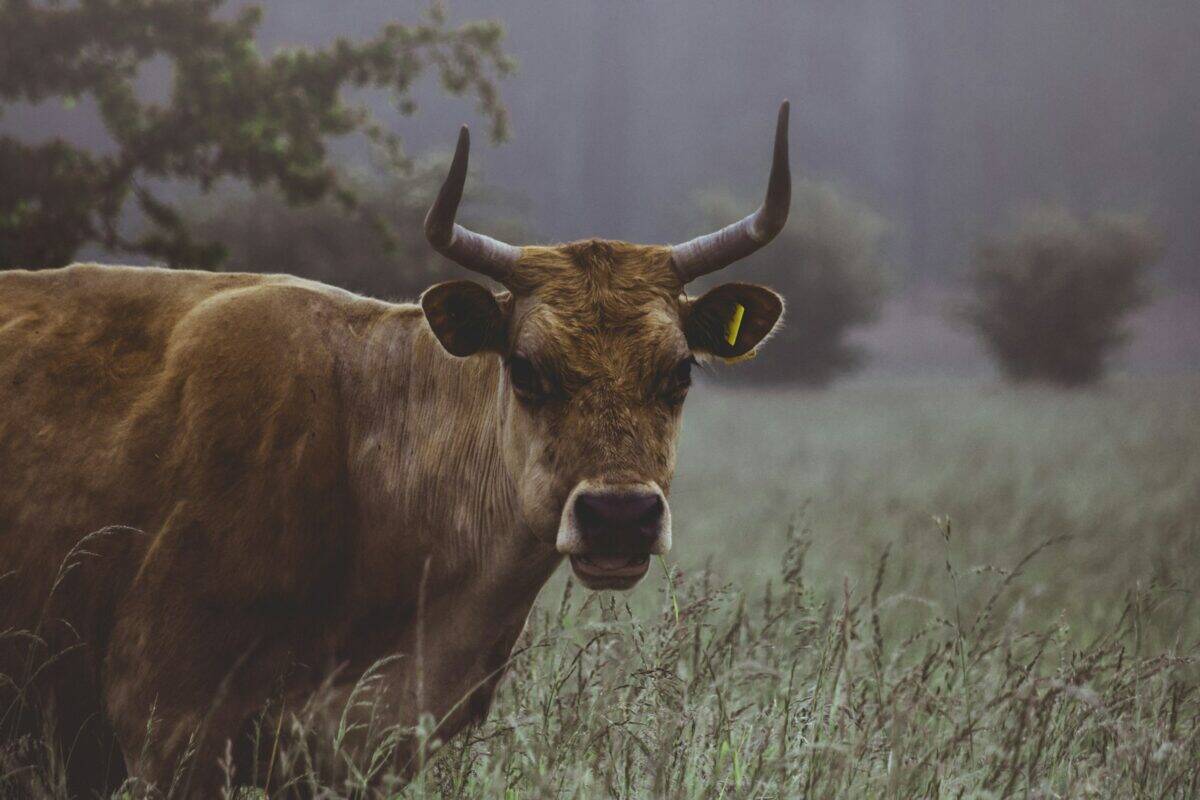
Cows are capable of feeling emotions such as happiness, fear, and anxiety. Their ability to form friendships is part of this emotional capacity. Recognizing cow friendships allows us to better understand their needs and improve the way we manage them on farms. Maintaining these social ties can lead to happier, healthier cows.
Impact of Stress on Cows
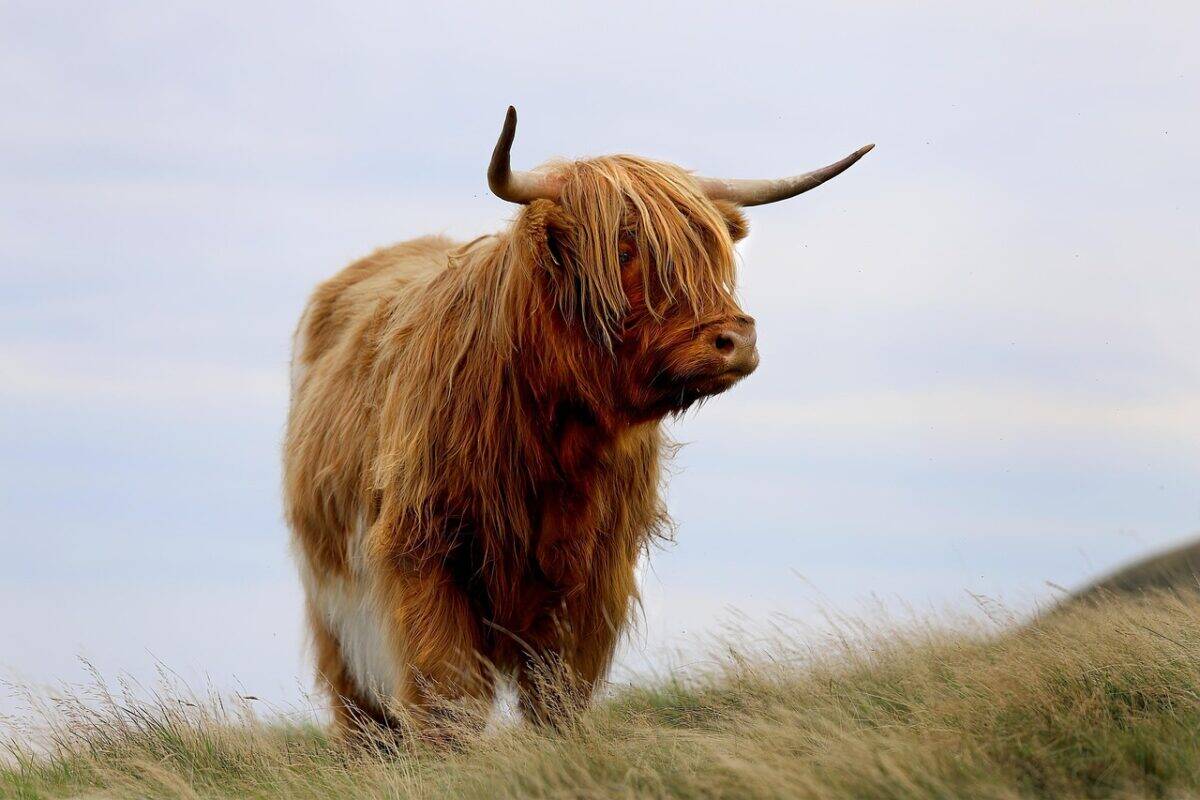
Stress has a notable impact on the health and productivity of cows. Factors like loneliness or conflict within the herd can lead to increased cortisol levels, resulting in reduced milk yield or weight gain. Ensuring that cows maintain their friendships can significantly reduce stress and its negative effects.
Longevity and Productivity

Happy cows are productive cows. Research has shown that cows in stable social environments where they have companionship tend to live longer and produce more milk. This relationship underscores the importance of acknowledging and incorporating social dynamics in farming practices.
Environmental Enrichment for Herd Well-being
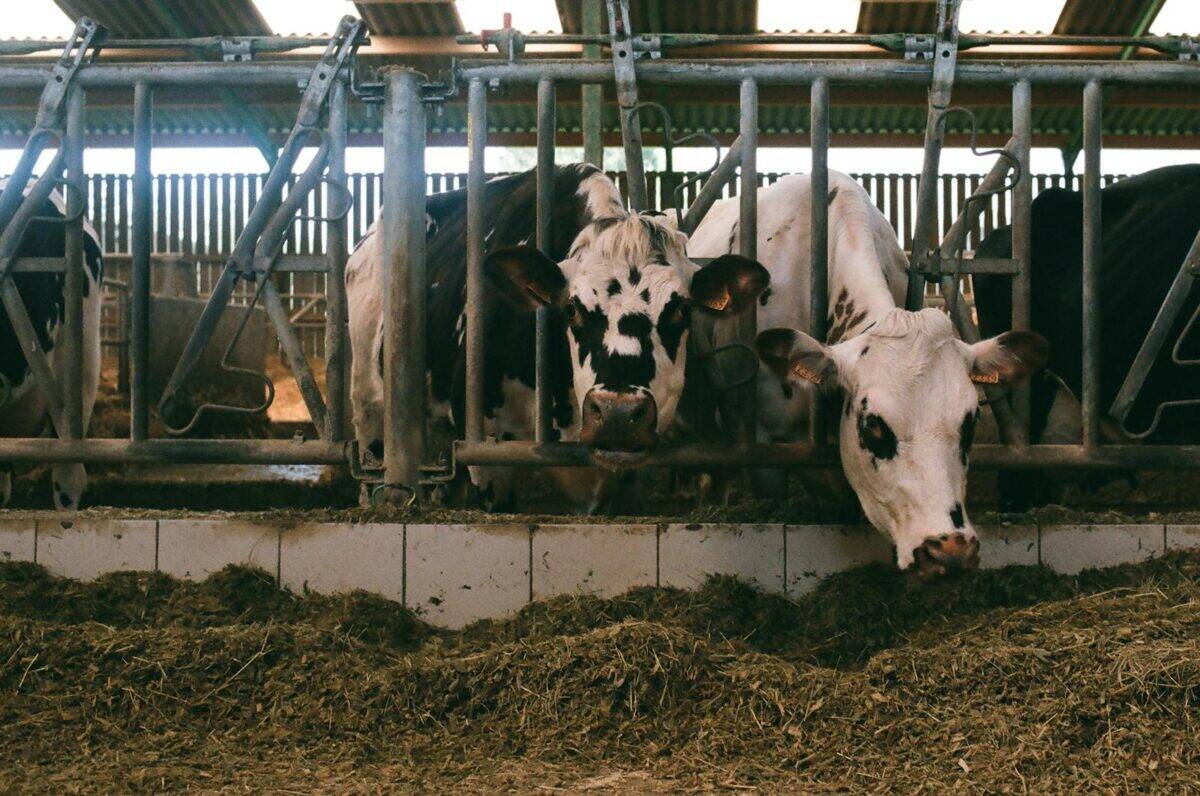
Farmers can enhance a cow’s quality of life by providing an enriched environment that includes space and opportunities for social interactions. Enrichments such as feeding stations or grooming brushes in shared spaces can facilitate these interactions, boosting their mental and physical health.
Breaking the Myth: Cows are Complex, Not Just Commodities

This new perspective challenges the conventional view of cows purely as livestock commodities. Recognizing them as sentient beings with individual personalities and preferences promotes a shift toward more ethical and sustainable farming practices.
Implications for Animal Welfare Policies
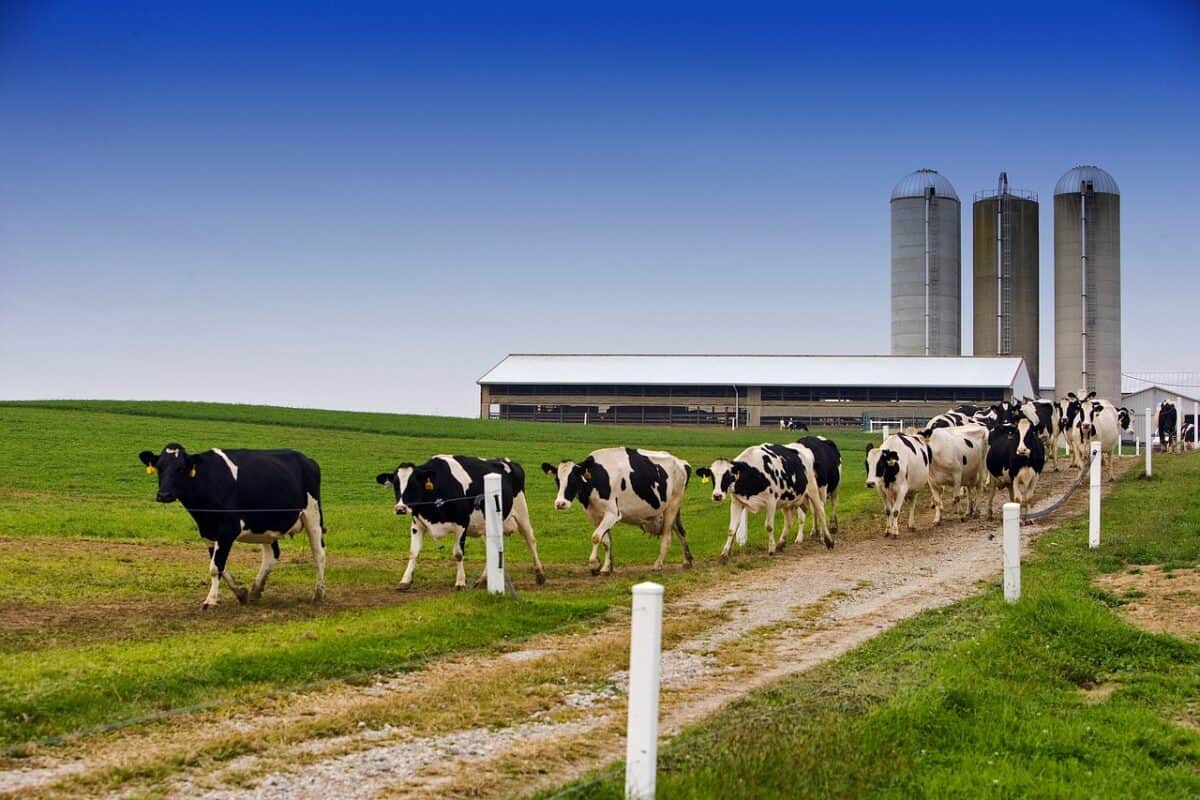
Understanding cow friendships could influence animal welfare policies, encouraging better living conditions on farms. There’s a growing push for legislation that considers animal behavior research, ensuring farming practices respect biological and emotional needs.
Practical Farming Adjustments
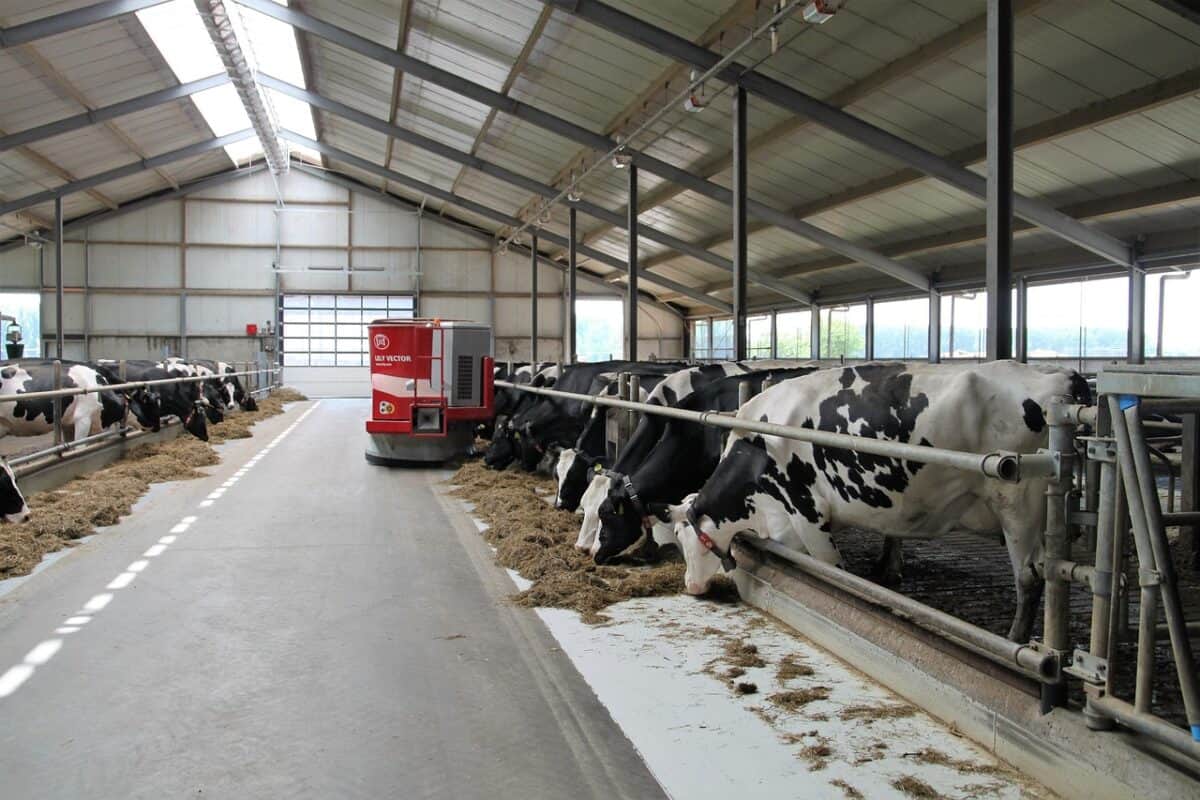
Farmers can make practical adjustments to accommodate cow friendships. These include keeping known pairs or groups together, especially during major transitions such as moving to a new pasture or milking parlor. Such strategies help minimize stress and maintain productivity.
Monitoring and Observing Cow Behavior
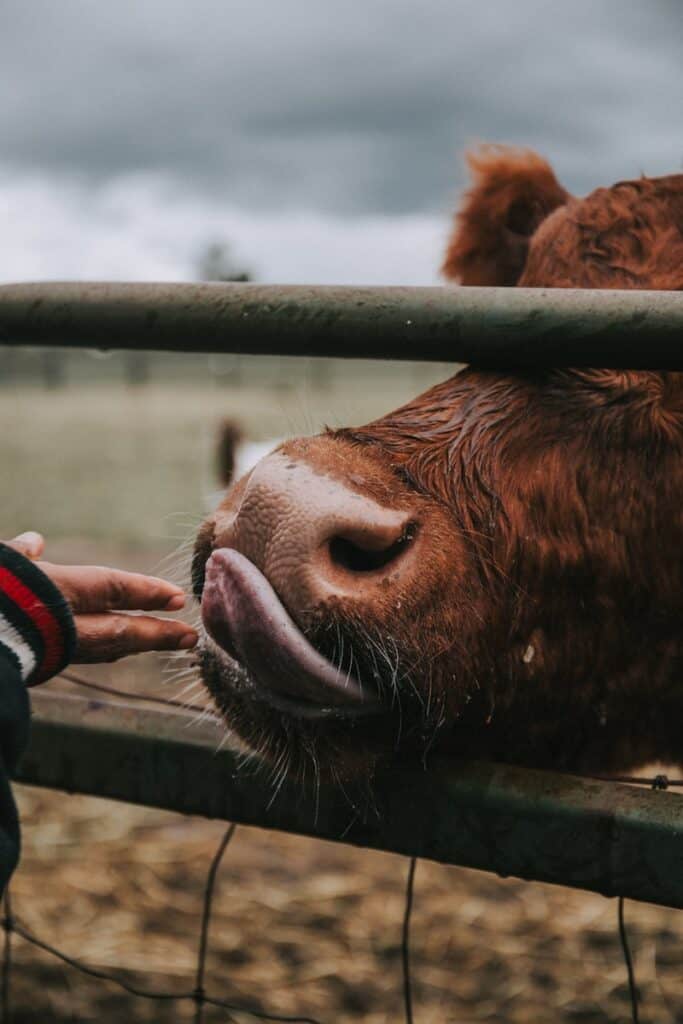
Close observation of cows can help farmers identify friendship pairs or groups, allowing them to make informed decisions about herding and feed routines. Herd managers who are attentive to these dynamics can better cater to their cattle’s social needs.
Technological Interventions in Herd Management
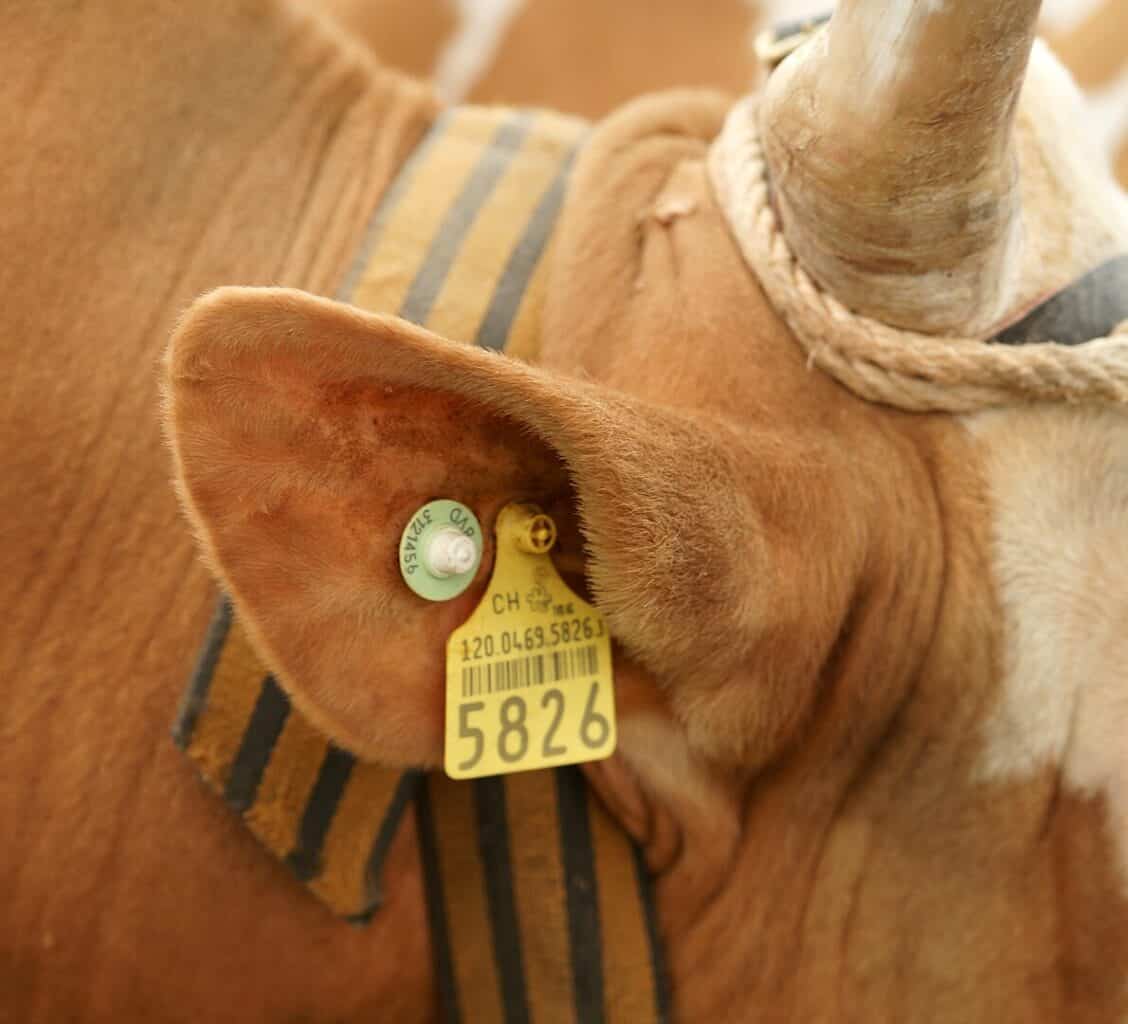
Technology plays a vital role in understanding cow behavior and friendships. GPS and wearable technology can help track and analyze social patterns, providing data that can optimize herd management strategies in real-time, leading to a healthier herd.
The Future of Livestock Management
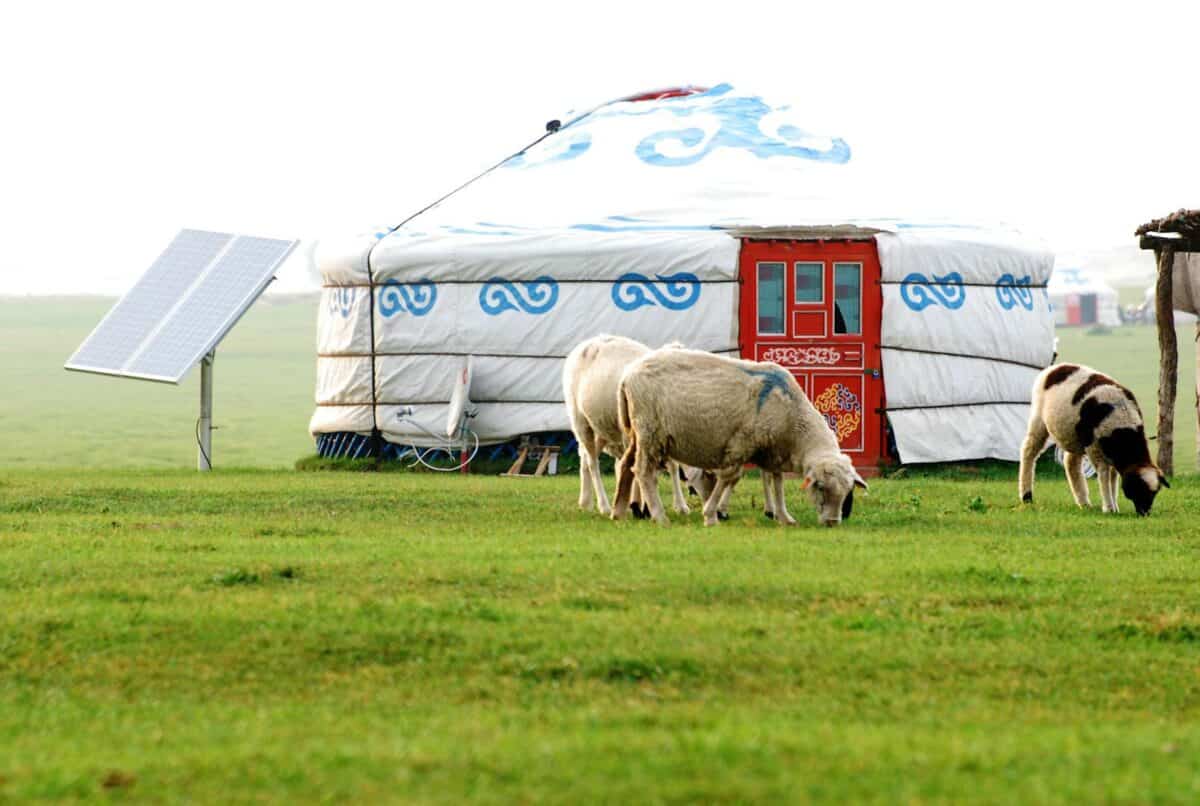
As our understanding deepens, the future of livestock management could see farms becoming thriving ecosystems that prioritize animal happiness alongside productivity. This encompassment of mental well-being into farming practices signifies a holistic approach to animal husbandry.
In conclusion, recognizing the fact that cows have best friends changes our understanding of these animals and has important implications for farming practices. These findings encourage a humane approach to livestock management that considers emotional well-being as essential. Happy cows are healthier, more productive, and ultimately lead to more sustainable and ethical farming models. Acknowledging this interconnectedness can pave the way for innovative strategies that enhance both animal and human livelihoods.

- Tarsiers: The Tiny Primates with Giant Eyes - July 21, 2026
- Are Zoos Still Ethical in 2025? - July 21, 2026
- Chocolate and Wildlife: How Cocoa Farming Affects Rainforest Animals - July 21, 2026