

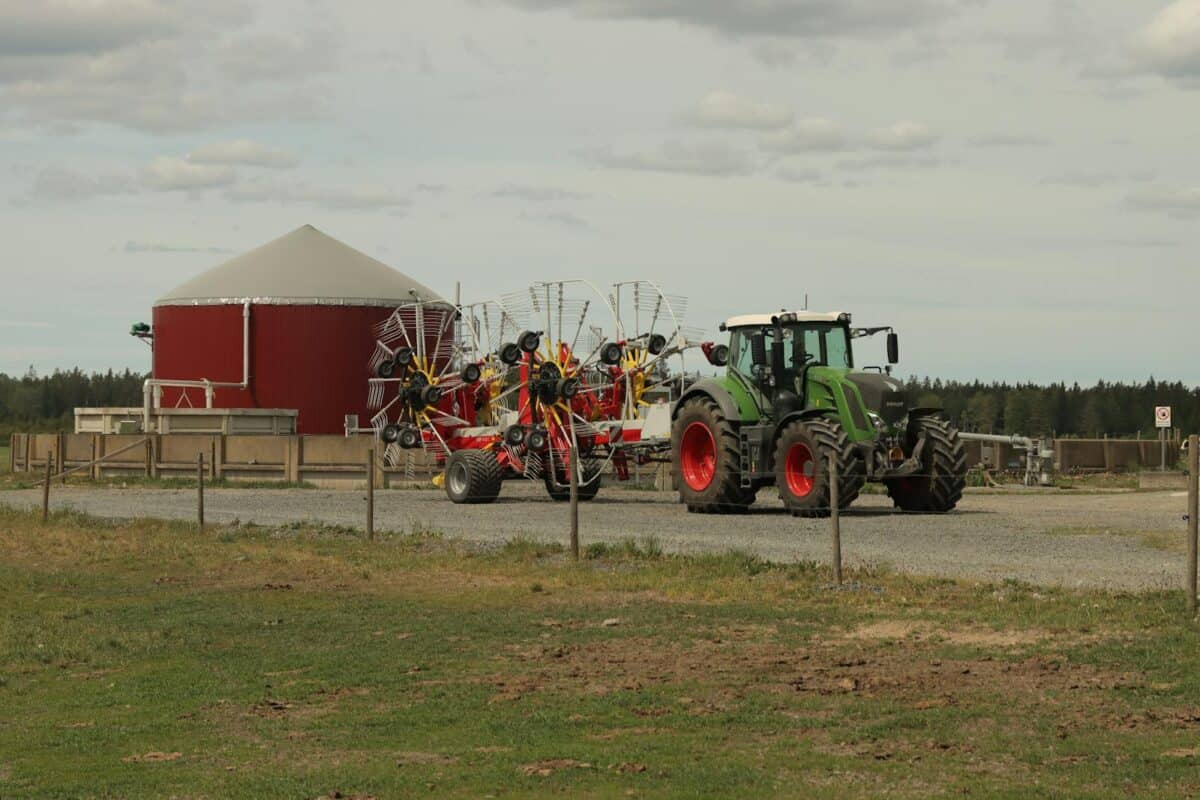
As the world grapples with climate change, the shift towards renewable energy has become crucial. In rural America, an unexpected resource is making headlines: cow manure. What was once considered mere farm waste is now being transformed into a valuable energy source, providing a sustainable solution to meet energy demands.
Understanding the Science Behind Cow Manure Energy
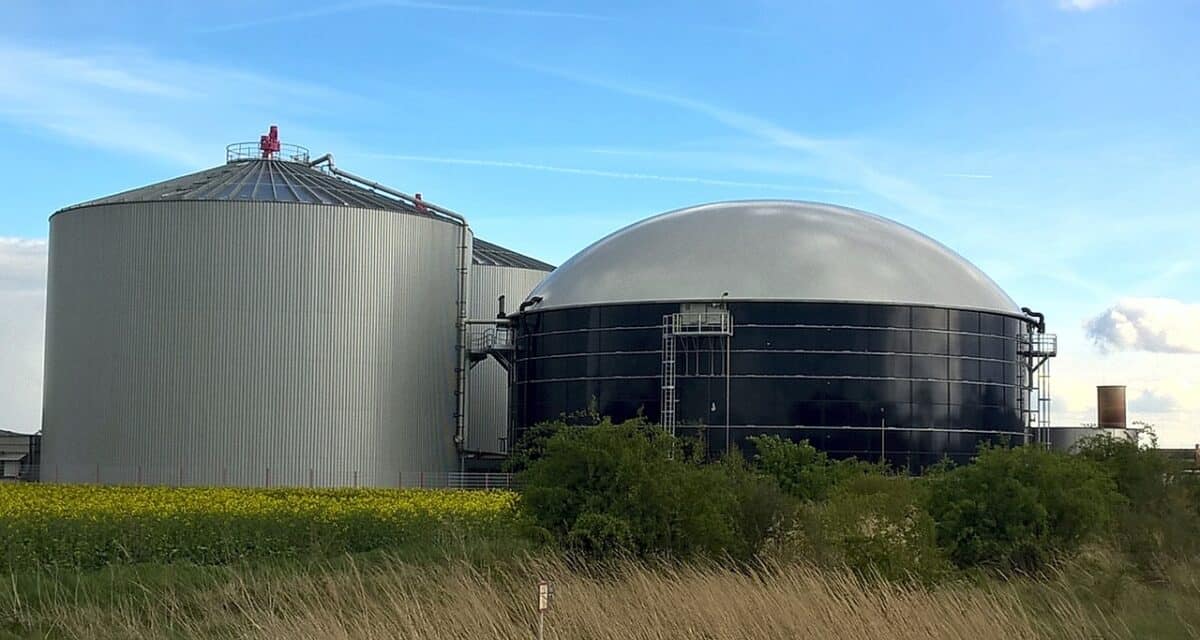
Cow manure contains organic matter that, when broken down by bacteria in an anaerobic environment (one lacking in oxygen), produces biogas. This biogas mainly consists of methane—a potent energy source. Through the process of anaerobic digestion, manure is transformed from raw waste into usable energy.
The Role of Anaerobic Digesters
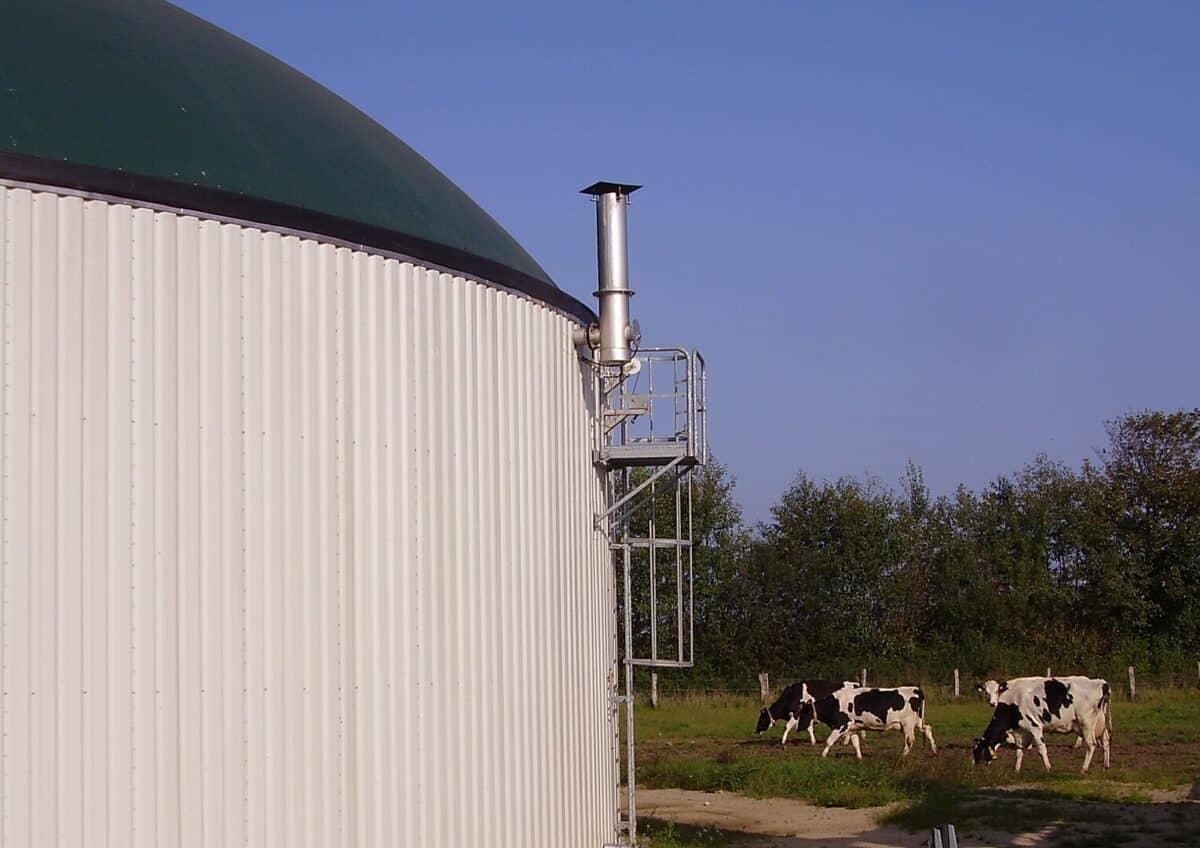
Anaerobic digesters are pivotal in this energy conversion process. These systems maintain an oxygen-free environment where microbes decompose the organic matter in manure, producing methane-rich biogas. This gas can then be captured and used directly as fuel or converted into electricity.
Environmental Benefits of Using Cow Manure

The environmental impact of converting cow manure into energy is significant. By capturing methane emissions from manure, which is a greenhouse gas much more potent than carbon dioxide, these systems drastically reduce emissions. Additionally, the process curbs odor and reduces the potential for water pollution, making it an environmentally friendly choice.
Economic Impacts on Rural Communities

Incorporating manure-to-energy systems can create economic opportunities for rural communities. Farms can reduce waste disposal costs and even generate additional revenue by selling excess energy back to the grid. This economic boost helps sustain local economies and supports rural development.
Challenges in Implementing Manure-Based Energy Systems

Despite its benefits, the adoption of manure-based energy systems faces several challenges. High initial installation costs pose a significant barrier for many farmers. Additionally, the technology requires proper training and maintenance to operate effectively, which can also deter widespread adoption.
Government Support and Incentives

Recognizing the potential of manure-based energy, government initiatives and incentives have been established to support farmers transitioning to this renewable energy source. Grants, tax credits, and technical assistance programs are available to ease financial burdens and encourage adoption.
Case Studies: Successful Implementations

Across rural America, several farms are showcasing the success of manure-based energy systems. For instance, a farm in Wisconsin has been able to not only power its facilities but also supply surplus energy to the local grid. Such success stories exemplify the system’s potential and inspire others to follow suit.
Technological Innovations Improving Efficiency
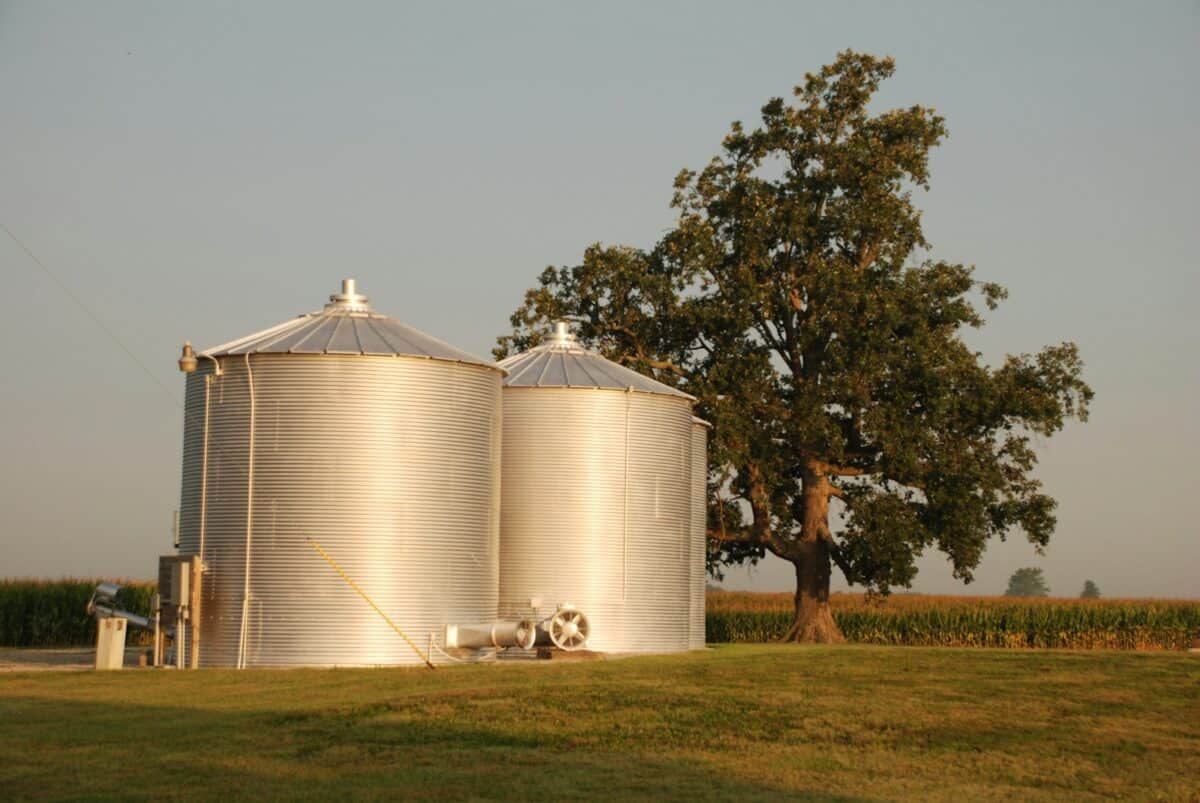
Advancements in technology continue to enhance the efficiency of manure-to-energy systems. Innovation in digester design and biogas-upgrading technologies has improved energy output and reduced costs, making the systems more accessible and financially viable for farmers.
Global Comparisons and Lessons Learned
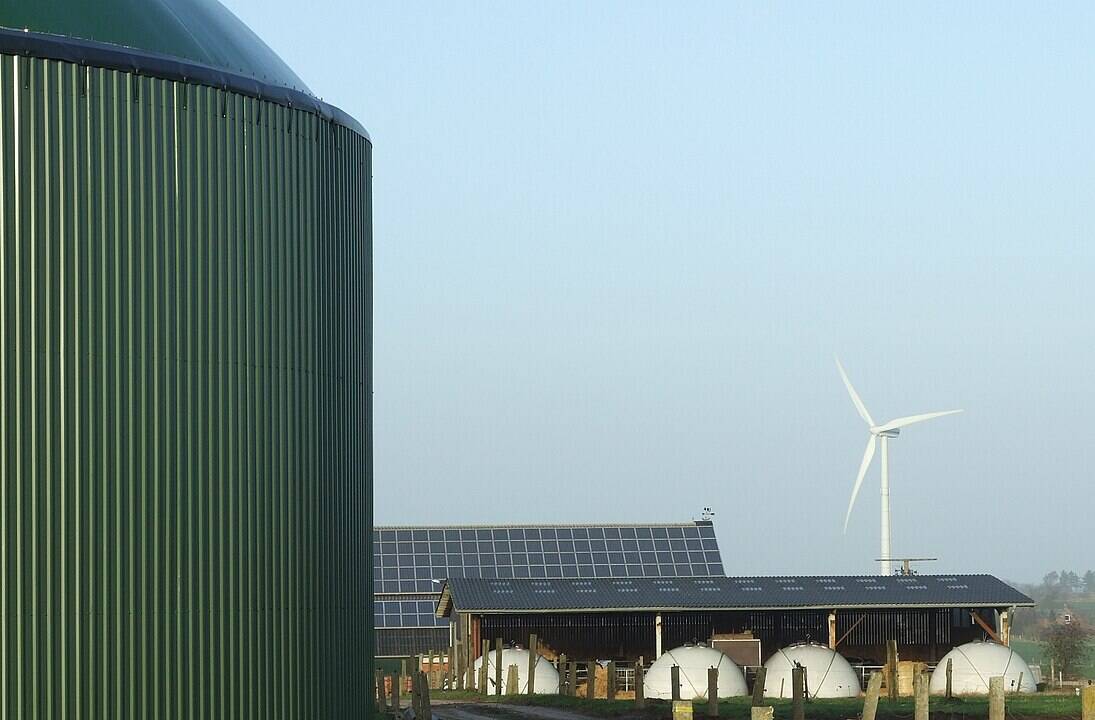
While manure-based energy systems are relatively new in the United States, other countries have successfully integrated them for years. Learning from global initiatives in countries like Denmark and Germany can provide valuable insights into overcoming challenges and maximizing benefits.
Potential for Expansion Beyond Rural Areas

While currently concentrated in rural areas, the potential for manure-based energy systems extends beyond farming communities. Urban areas with access to organic waste from food and biomass could also leverage similar technologies, broadening the reach of this renewable energy solution.
The Future of Manure-Based Energy
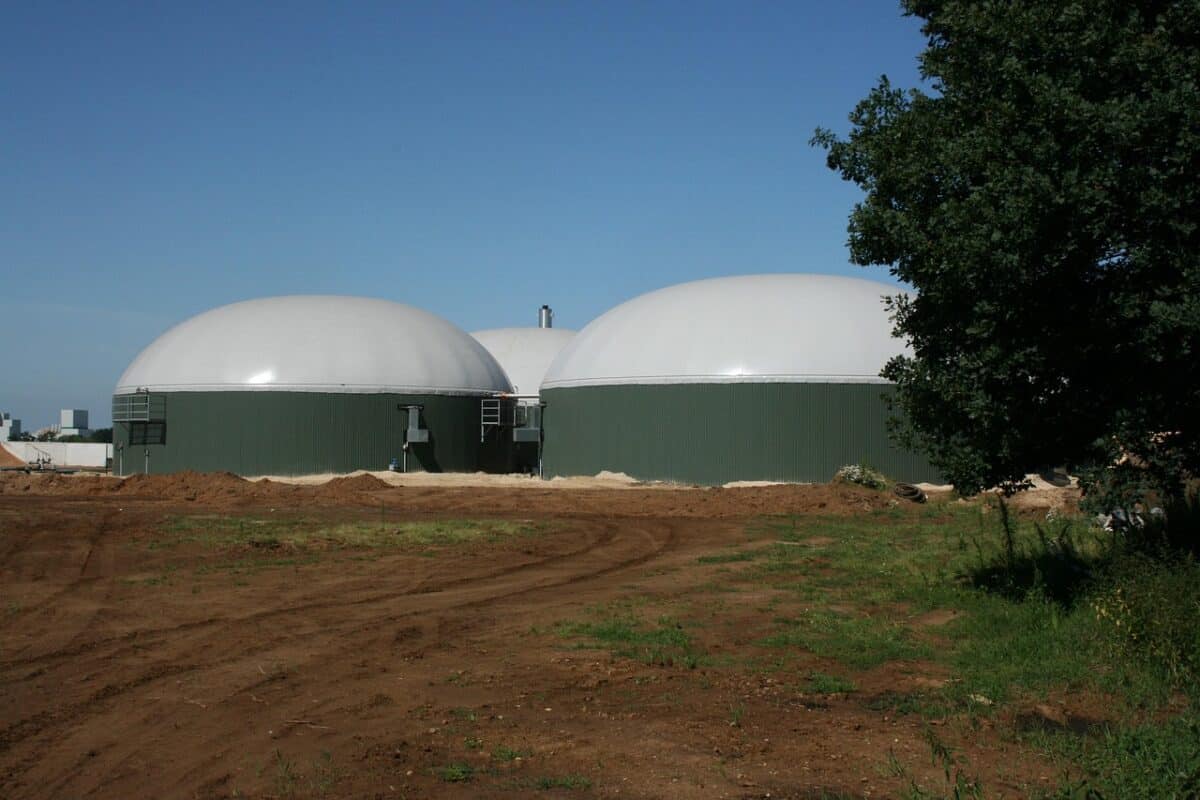
The future of cow manure as an energy source looks promising, with ongoing research and policy support driving growth. As technology advances and costs continue to decline, more farms are likely to adopt these systems, contributing significantly to sustainable energy solutions.
Transforming cow manure into energy is not just an innovative approach to waste management—it’s a pivotal step in creating a more sustainable and environmentally friendly future. With the right support and continued advancements, manure-based energy systems can play a crucial role in meeting rural America’s energy needs while reducing environmental impacts. This shift holds promise for energy independence, economic growth, and environmental stewardship in rural communities and beyond.

- How Honeybees Use Complex Dance Languages to Communicate - June 21, 2026
- Why Zebras Are So Vocal—and What Their Sounds Mean - June 21, 2026
- 10 Dog Breeds That Are Stronger Than They Look - June 21, 2026