

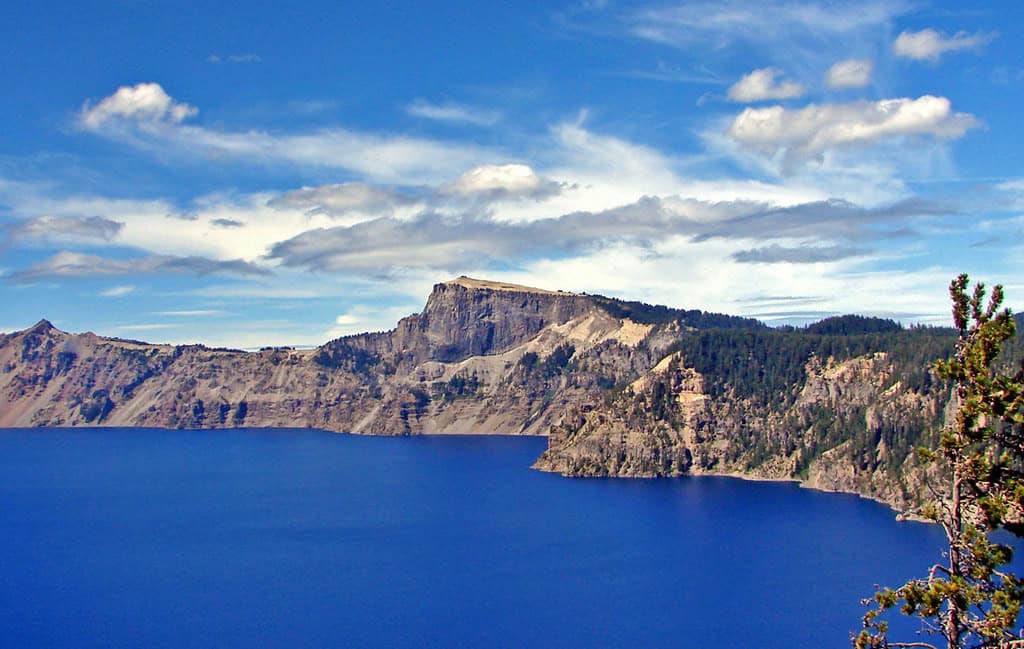
The vast and varied landscape of the United States is dotted with remarkable geological features, many of which have their origins buried deep in the Earth’s tumultuous volcanic past. Though many of these ancient volcanoes have long since gone dormant, their fiery legacies have shaped some of America’s most iconic landmarks. These towering giants and their illustrious remnants offer a fascinating glimpse into the planet’s dynamic geological history, merging science and nature into breathtaking scenery. Explore with us as we journey through ten ancient volcanoes that have sculpted the U.S. landscape into what we admire today.
Mount Mazama and Crater Lake
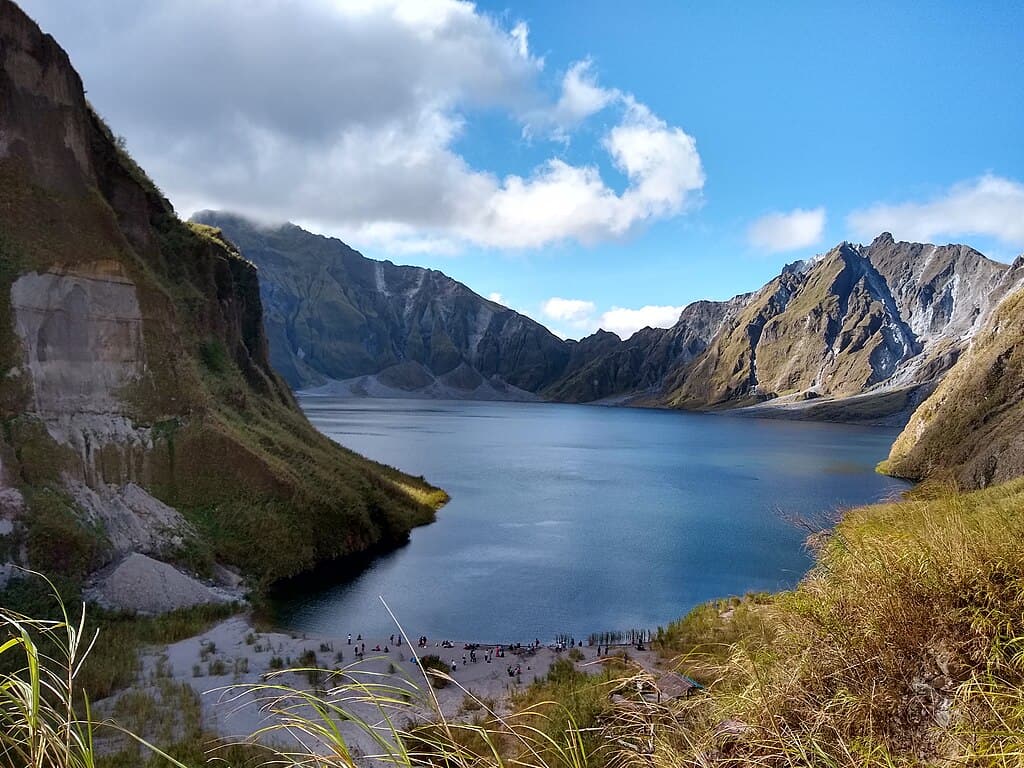
Once a colossal stratovolcano, Mount Mazama was located in what is today’s southern Oregon. Around 7,700 years ago, a cataclysmic eruption resulted in the collapse of the volcano’s summit, forming the caldera that now holds Crater Lake. Recognized for its stunningly clear blue waters, Crater Lake is the deepest lake in the United States, enveloped by cliffs nearly 2,000 feet high. Mount Mazama’s explosive history continues to captivate visitors and geologists who come to marvel at its beauty and delve into its scientific mysteries.
Yellowstone Caldera
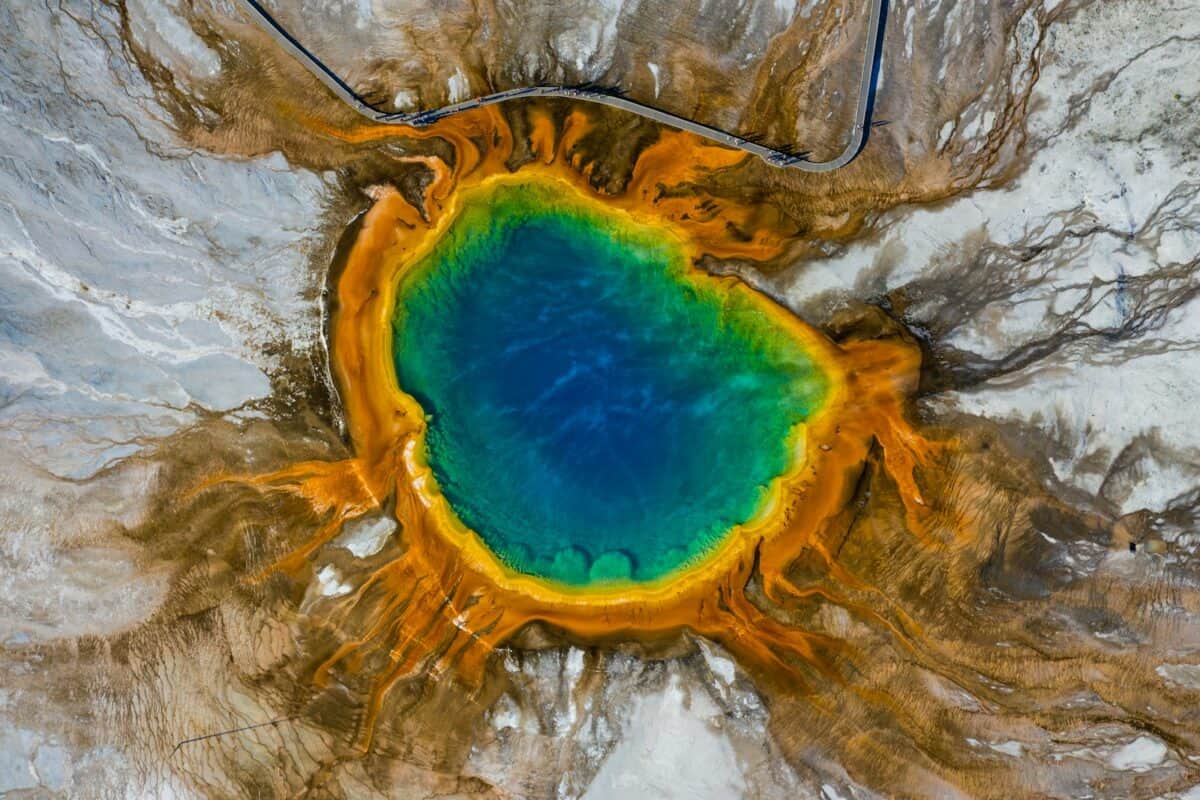
The Yellowstone Caldera, often referred to as a supervolcano, is a remnant of one of the most massive volcanic systems on Earth. Located in Yellowstone National Park, the caldera was formed by a series of monumental eruptions, the last of which occurred approximately 640,000 years ago. The landscape is defined by geothermal marvels, including vibrant hot springs, fumaroles, and geysers like the famous Old Faithful. Yellowstone’s geothermal features and its potential activity continue to be closely monitored, reminding us of the ongoing power of the Earth beneath our feet.
Mount St. Helens
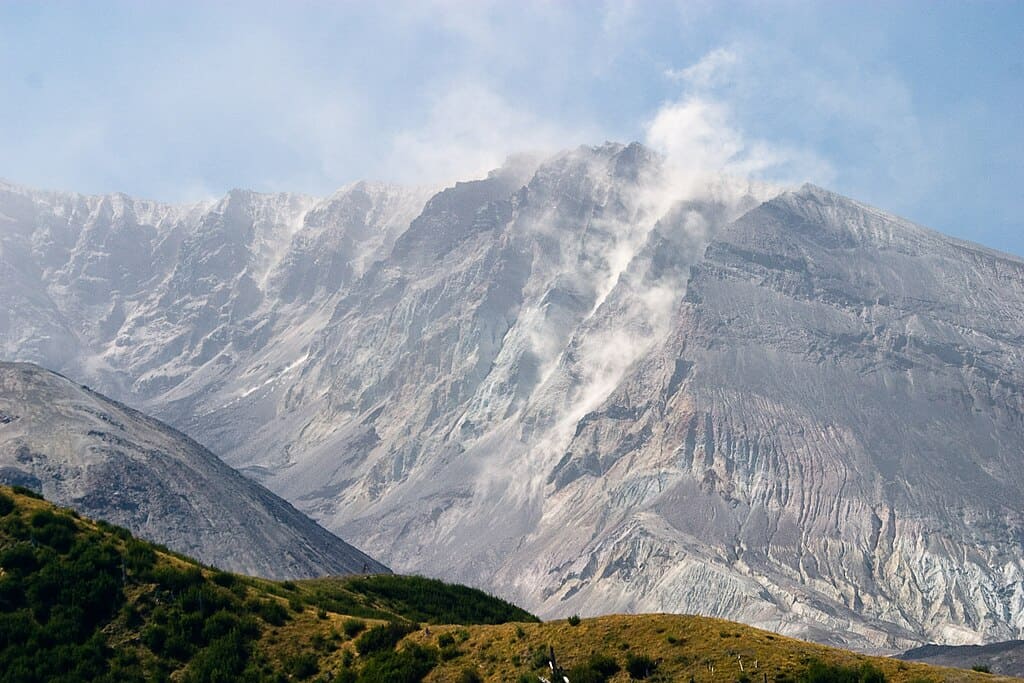
Located in Washington State, Mount St. Helens is infamous for its explosive eruption on May 18, 1980, the deadliest and most economically destructive volcanic event in U.S. history. However, this magnificent stratovolcano boasts a volcanic history that dates back thousands of years. Today, the Mount St. Helens National Volcanic Monument provides educational resources, research opportunities, and a living laboratory for studying volcanic recovery and resurgence, attracting countless nature enthusiasts and curious minds.
Mazatzal Mountains
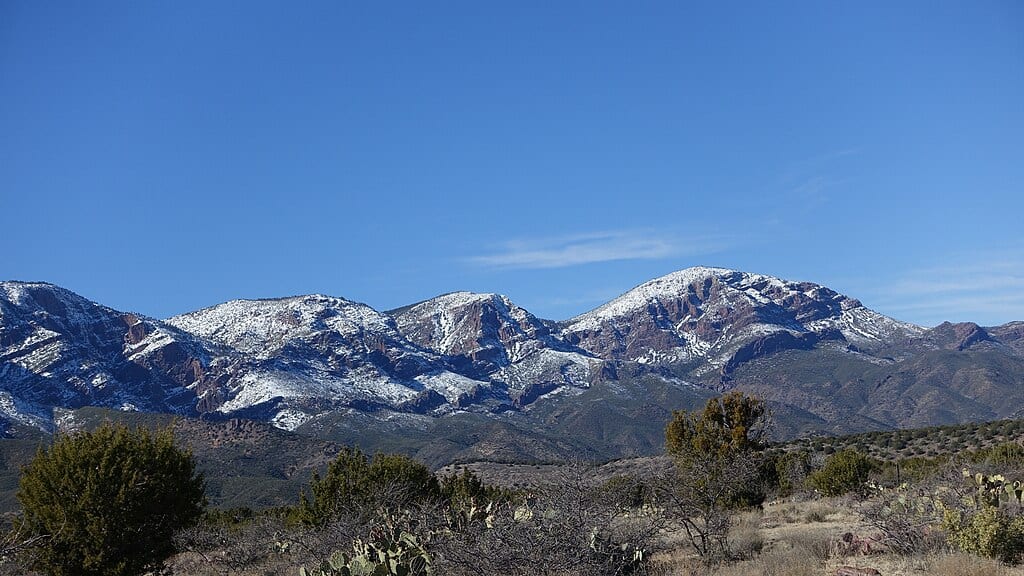
The Mazatzal Mountains in central Arizona, which stretch across more than 4,000 square miles, emerged from an ancient volcanic past. Believed to be the result of volcanic activity from several hundred million years ago, these mountains are remnants of severely eroded volcanic arcs. Their rugged terrain and geological diversity now draw outdoor adventurers and those interested in the complex history that shaped Arizona’s diverse landscape.
Mount Rainier
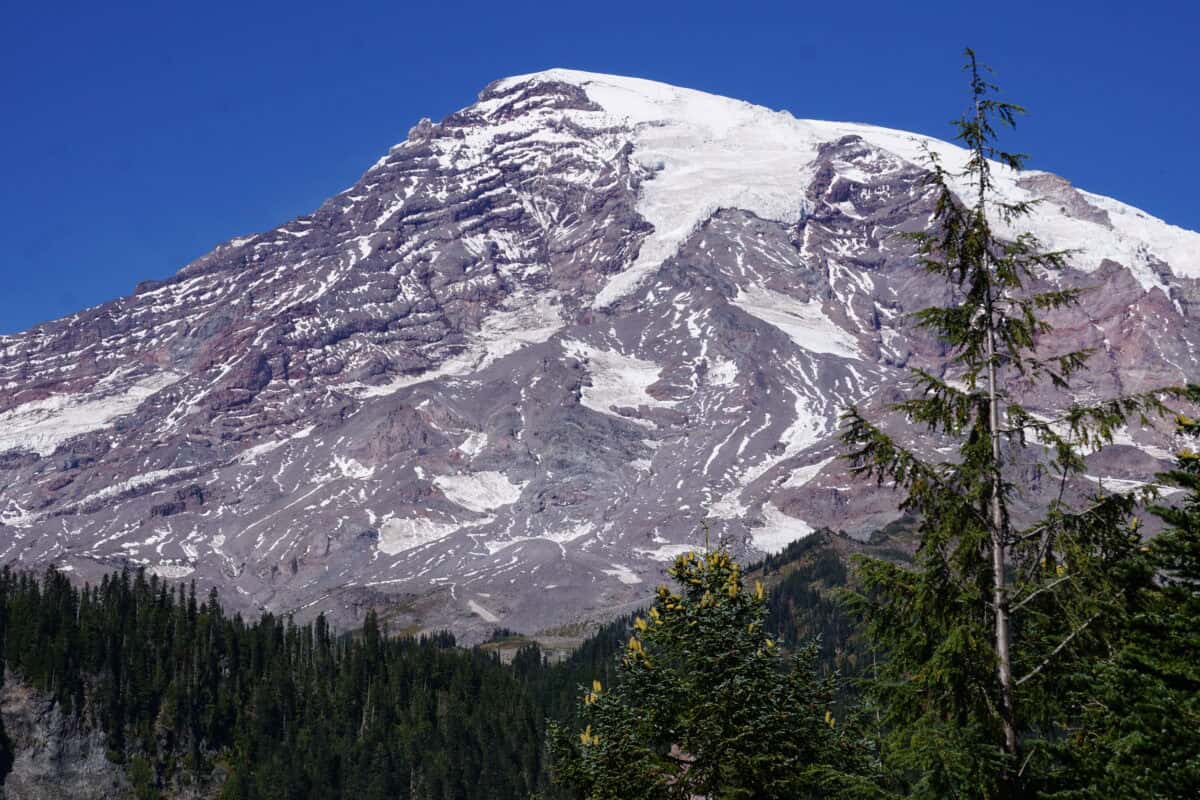
Mount Rainier, an active stratovolcano located near Seattle, Washington, stands as one of the most iconic peaks in the continental U.S. With its rich volcanic past dating back more than half a million years, Mount Rainier’s prominence and frequent glaciation have carved a dramatically scenic national park. This landmark serves as a haven for climbers and an important example for studying glacial dynamics and volcanic hazards.
Devils Tower

Rising abruptly from the plains of northeastern Wyoming, Devils Tower is a striking monolith that has fascinated geologists and visitors for generations. While its exact volcanic origins are debated, it is commonly believed to be the remnant of an ancient volcano’s magma intrusion that solidified and later became visible through erosion. It was the first U.S. national monument, designated by President Theodore Roosevelt in 1906, and continues to symbolize both the mysteries and beauty of prehistoric natural phenomena.
Kilauea and the Hawaiian Islands

The Hawaiian Islands themselves are the result of vast volcanic activity, primarily from the hotspot responsible for multiple volcanic summits, including Kilauea. Known for its persistent activity and continuous eruption from 1983 to 2018, Kilauea symbolizes the active force of volcanism in shaping the region. The volcanic landscapes on the islands, including those in Hawaii Volcanoes National Park, highlight ongoing geological processes amidst serene tropical settings.
Long Valley Caldera
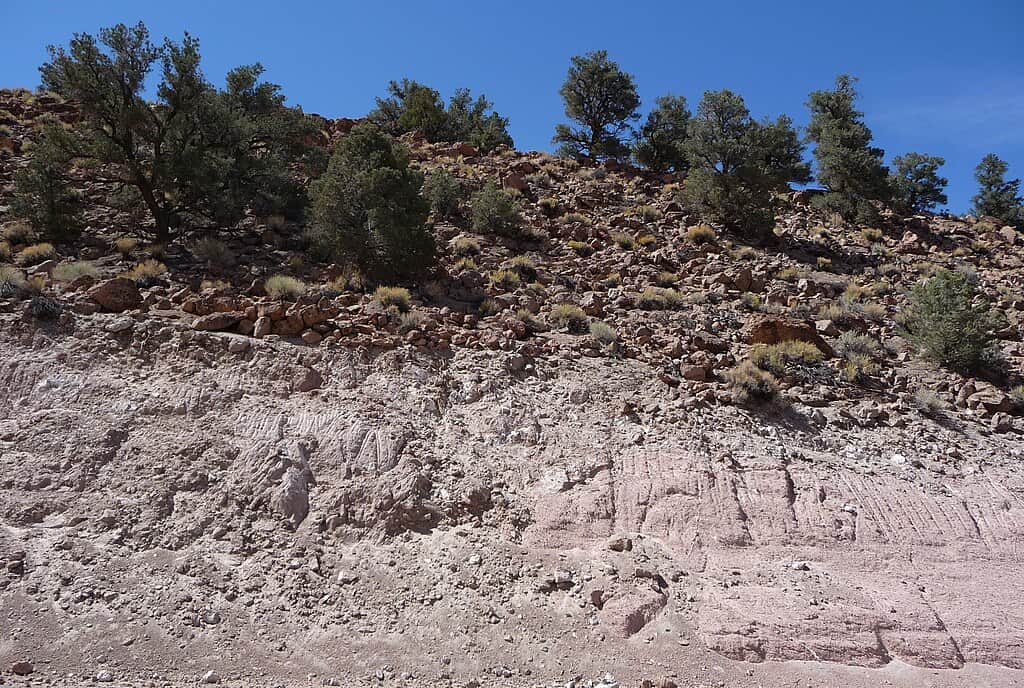
The Long Valley Caldera in eastern California is one of the world’s largest calderas, formed approximately 760,000 years ago following a massive volcanic eruption. This geological depression has since been a site of geothermal energy production and scientific research, contributing essential insights into earthquake activity and volcanic unrest. The caldera enriches the Eastern Sierra’s geothermal landscape with its hauntingly beautiful and powerfully transformative nature.
Valles Caldera
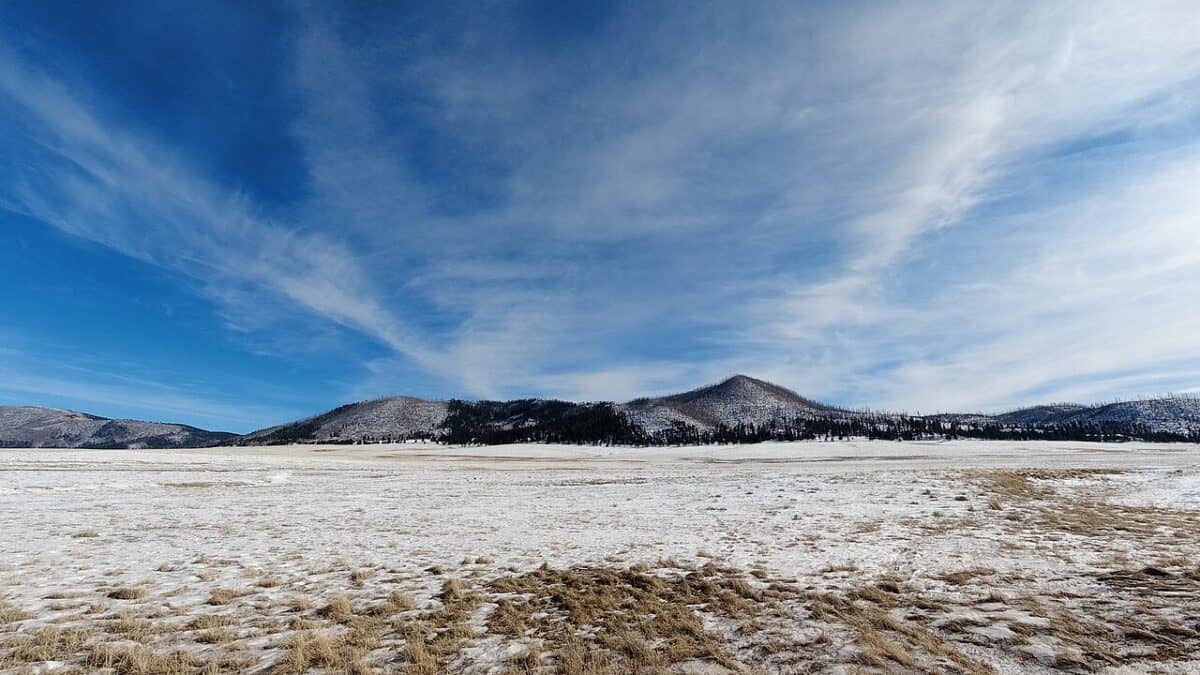
New Mexico’s Valles Caldera is a 13.7-mile-wide crater-like feature, the result of an eruption around 1.25 million years ago. Located in the central Jemez Mountains, the caldera is known for its lush valleys, geothermal springs, and diverse wildlife. Aside from its mesmerizing beauty, Valles Caldera offers rich archaeological and ecological significance, drawing in visitors and researchers intrigued by its ancient history and pristine nature.
Mount Shasta
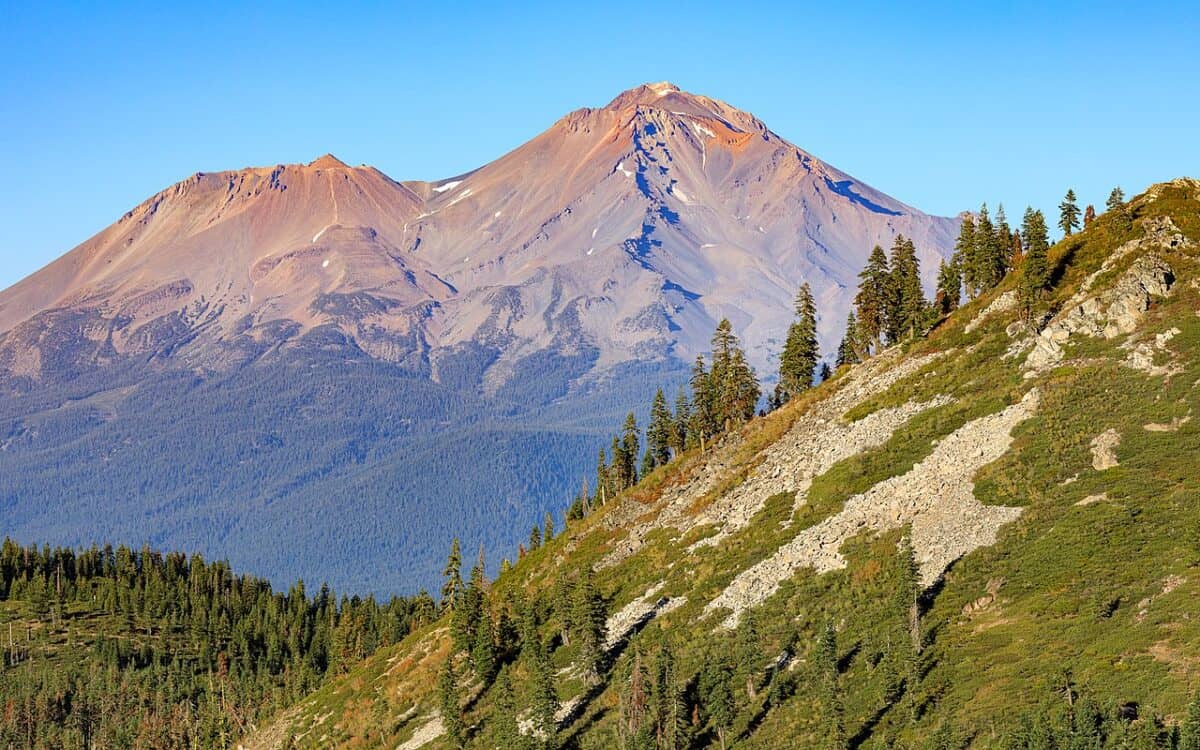
Mount Shasta in Northern California is a majestic stratovolcano that forms part of the Cascade Range. Standing over 14,000 feet tall, its impressive snow-covered peak is visually dominant and rich in cultural significance to Native American tribes. Mount Shasta’s multiple eruptions over the past half a million years contribute to an ever-evolving landscape, supporting a diverse ecosystem and offering a spiritual and adventurous retreat for those who visit.
El Capitan in the Guadalupe Mountains
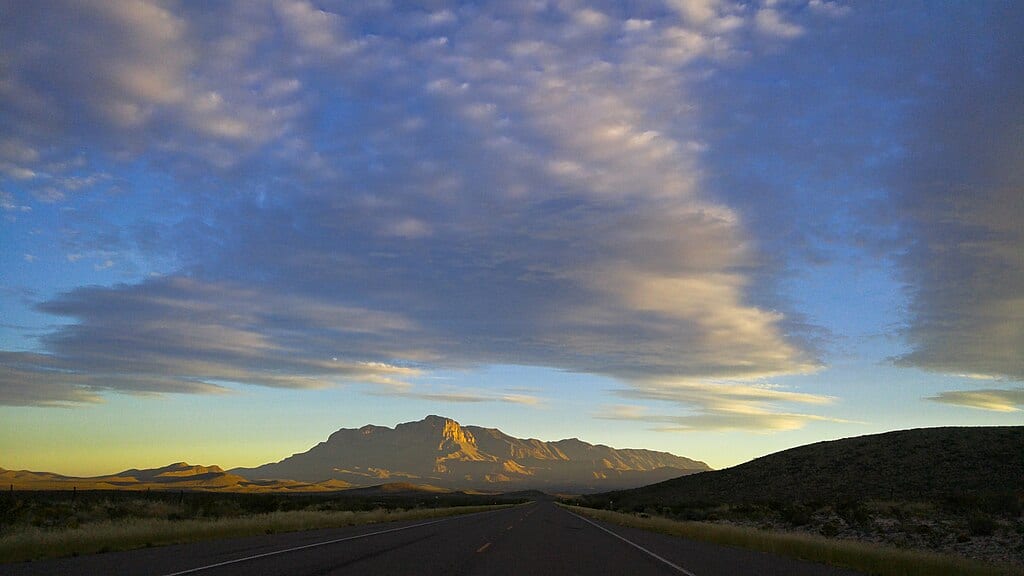
El Capitan, located in Texas within the Guadalupe Mountains National Park, is part of an ancient reef that emerged some 260 million years ago in the Permian Basin. The formidable remains of underwater volcanic structures, El Capitan offers a testament to the geological forces that shaped the region. Visitors are drawn to its stark beauty and the opportunity to explore traces of marine fauna and fossilized history preserved in the rugged narrative of the area.
Conclusion: Nature’s Sculptors Across Time

These ancient volcanoes, though often silent now, have left indelible marks on the American landscape, fashioning some of its most striking and significant natural landmarks. From serene lakes resting in calderas to majestic peaks towering above the clouds, the geological marvels left by their volcanic origins continue to enchant and educate. Understanding the legacy of these volcanoes not only enhances our appreciation for the stunning environments they helped to create but also reminds us of the persistent and powerful natural forces that continue to shape our world.

As a little kid, I fell in love with nature, wildlife, and animals. Living in the USA, South Africa, Italy, China and Germany gave me the opportunity to discover the world's Wildlife. My favorite animals are Mountain Gorillas, Siberian Tigers, and Great White Sharks.
I'm a certified PADI Open Water Diver, went to Everest Base Camp and Trekked Gorillas in Uganda. I hold a Master of Science in Economics and Finance.
Please send any feedback to feedback@animalsaroundtheglobe.com
- 13 Cat Breeds That Get Along with Dogs - July 20, 2026
- The 12 Largest Dog Breeds That Still Love to Cuddle - July 20, 2026
- 12 Pet Habits That Secretly Mean They Love You - July 20, 2026