

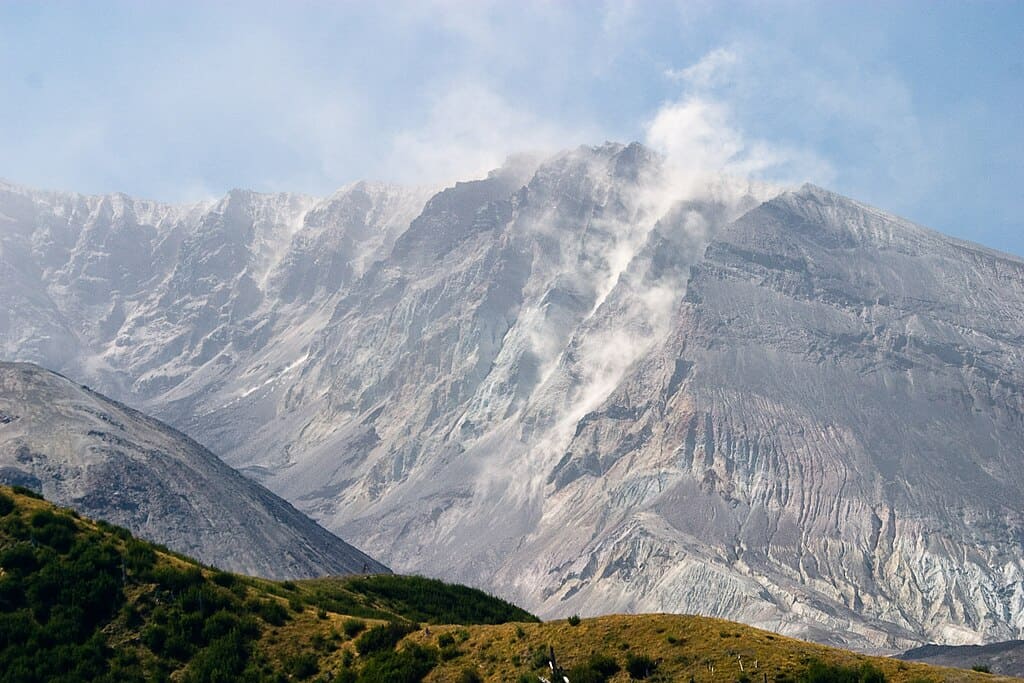
Volcanic landscapes have long fascinated both scientists and travelers alike, with their formidable power and captivating beauty. In the lower 48 states of the United States, one volcano stands out for its relentless activity: Mount St. Helens. This geological giant has once again stirred from its slumber, reminding us of the dynamic processes that shape our planet. In this article, we’ll explore the significance of this recent activity, the history of Mount St. Helens, and the potential impacts of its awakening.
Understanding Mount St. Helens
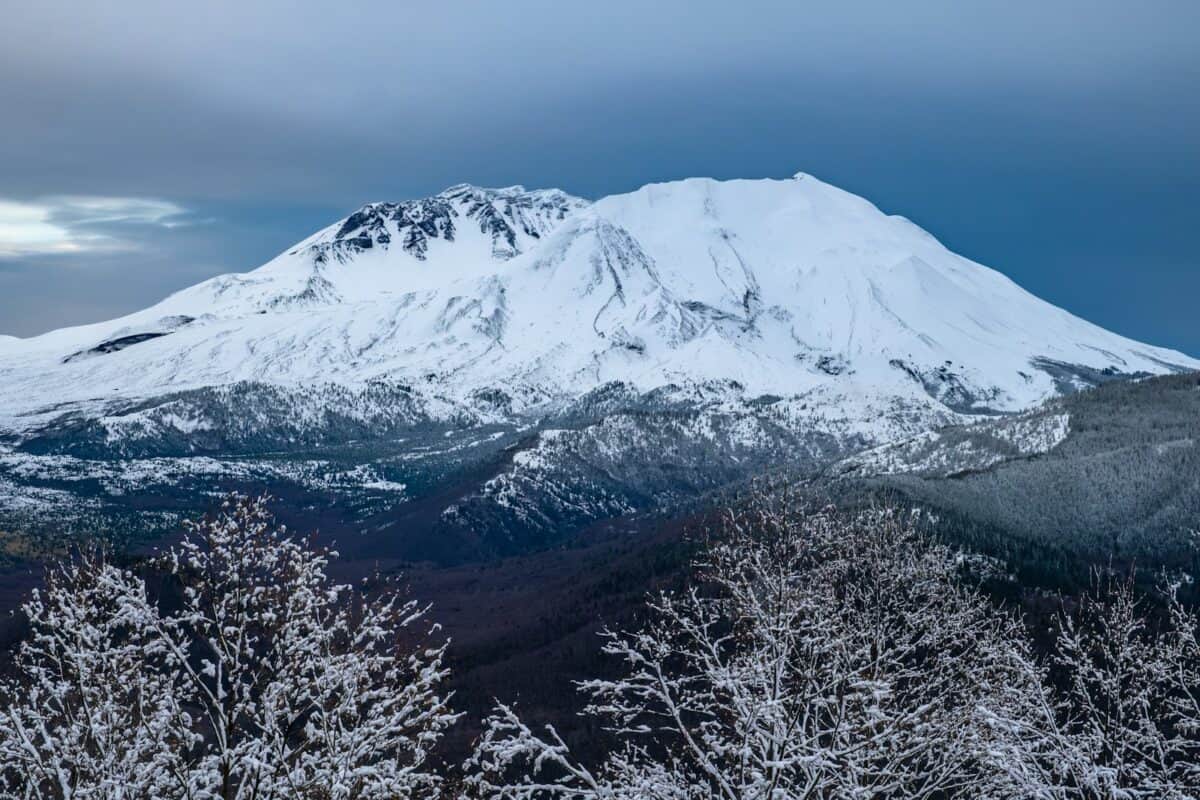
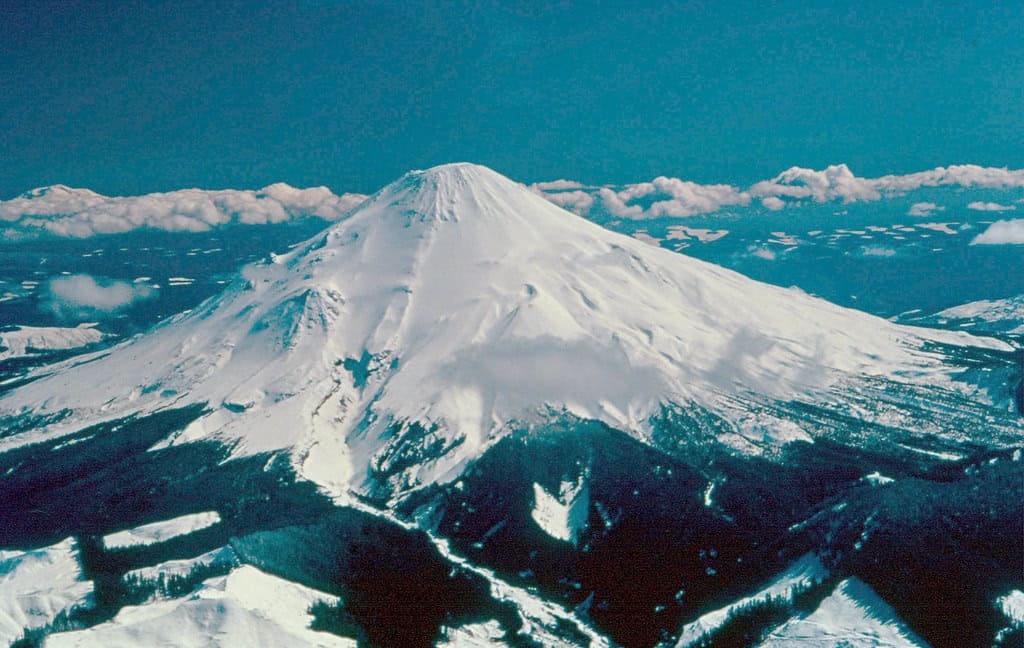
Located in the Pacific Northwest, Mount St. Helens is a stratovolcano that forms part of the Cascade Range. Known for its explosive history, it is the most active volcano in the contiguous United States. Mount St. Helens achieved notoriety with its catastrophic eruption on May 18, 1980, which radically altered the surrounding landscape and claimed numerous lives.
The Geology of Mount St. Helens
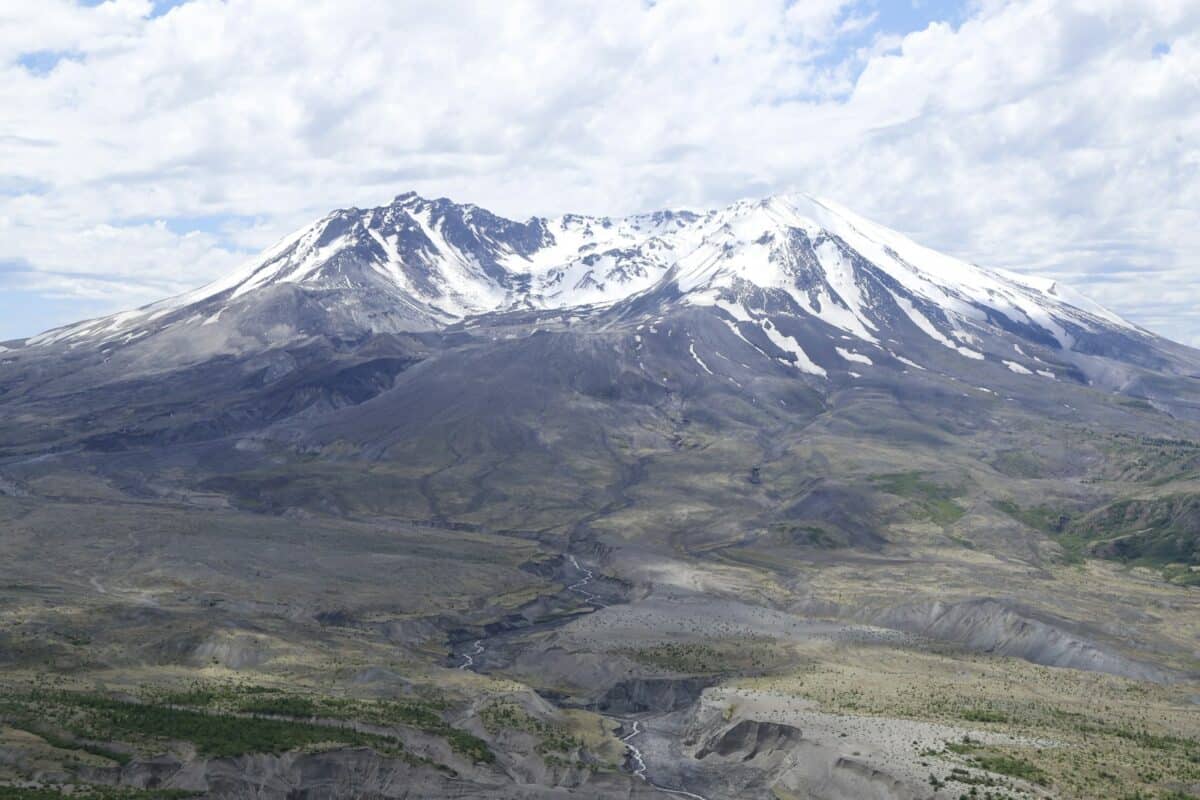
Mount St. Helens is primarily composed of layers of tephra, pumice, and lava flows. Its explosive nature is due to the high silica content in its molten magma, which causes pressure to build up until it releases explosively. This stratification of materials, coupled with its internal pressure dynamics, makes it prone to frequent eruptions.
Recent Activity at Mount St. Helens
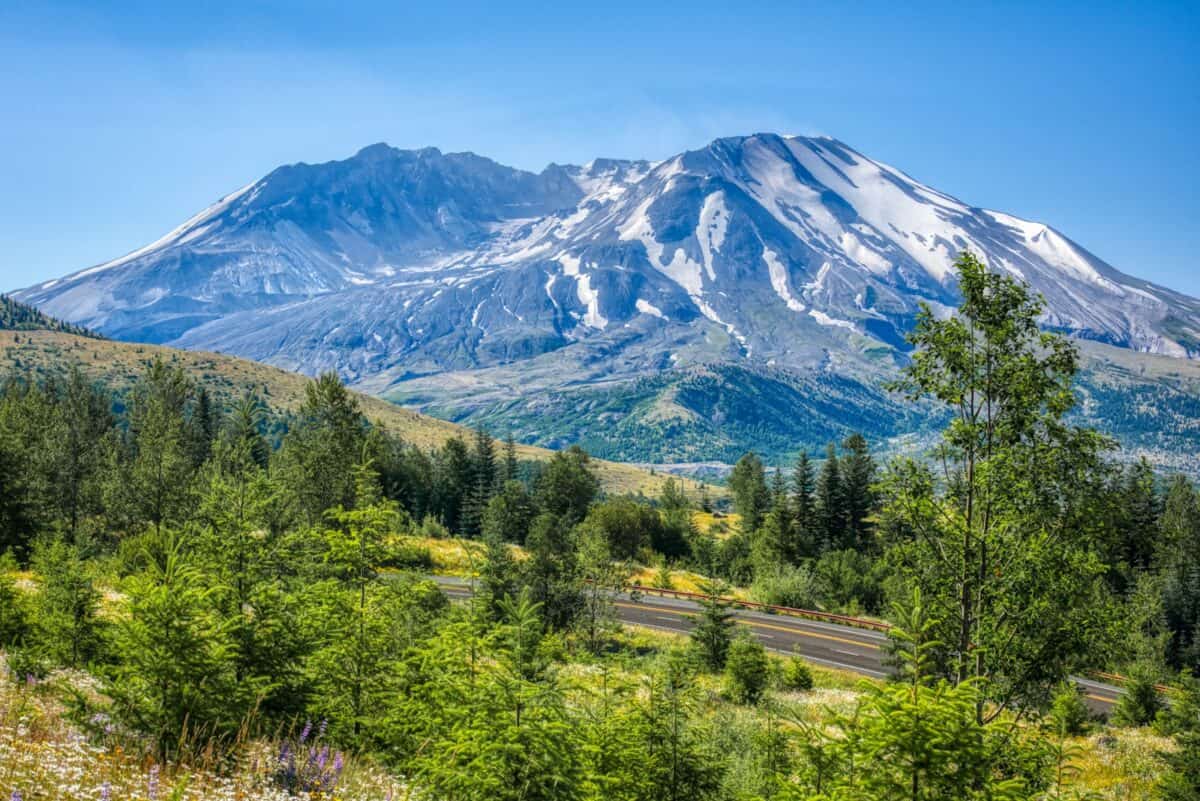
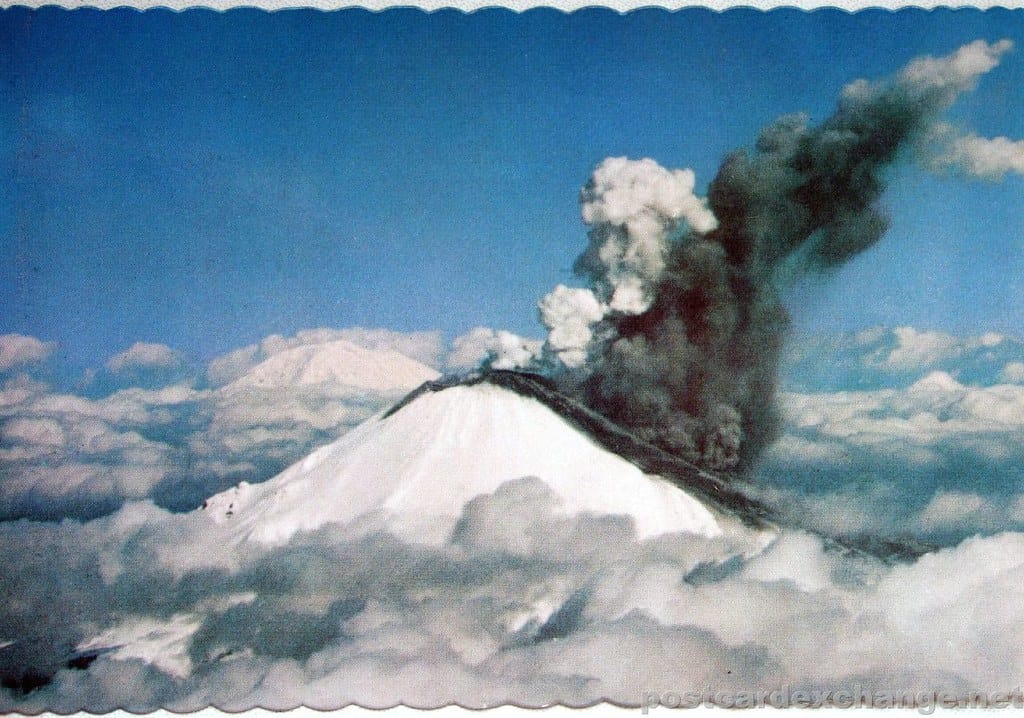
Recently, Mount St. Helens has shown signs of increased volcanic activity. Geologists have recorded minor earthquakes, which indicate movement of magma beneath the surface. This uptick in activity has prompted scientists, residents, and visitors alike to pay closer attention to this ever-watchful sentinel of the Pacific Northwest.
Monitoring Techniques for Volcanic Activity

Modern technology has revolutionized the way we monitor volcanic activity. At Mount St. Helens, scientists use a variety of tools, including seismographs, GPS systems, and satellite imagery, to track changes in the volcano’s structure and behavior. These advancements enable more accurate forecasting and potentially lifesaving early warnings.
The Potential Impact of an Eruption

The possibility of another eruption at Mount St. Helens looms as both a natural wonder and a significant threat. An eruption could impact air travel, disrupt local economies, and necessitate evacuations. Additionally, ash plumes could affect air quality over a wide area, emphasizing the importance of preparedness and effective communication.
Lessons Learned from the 1980 Eruption
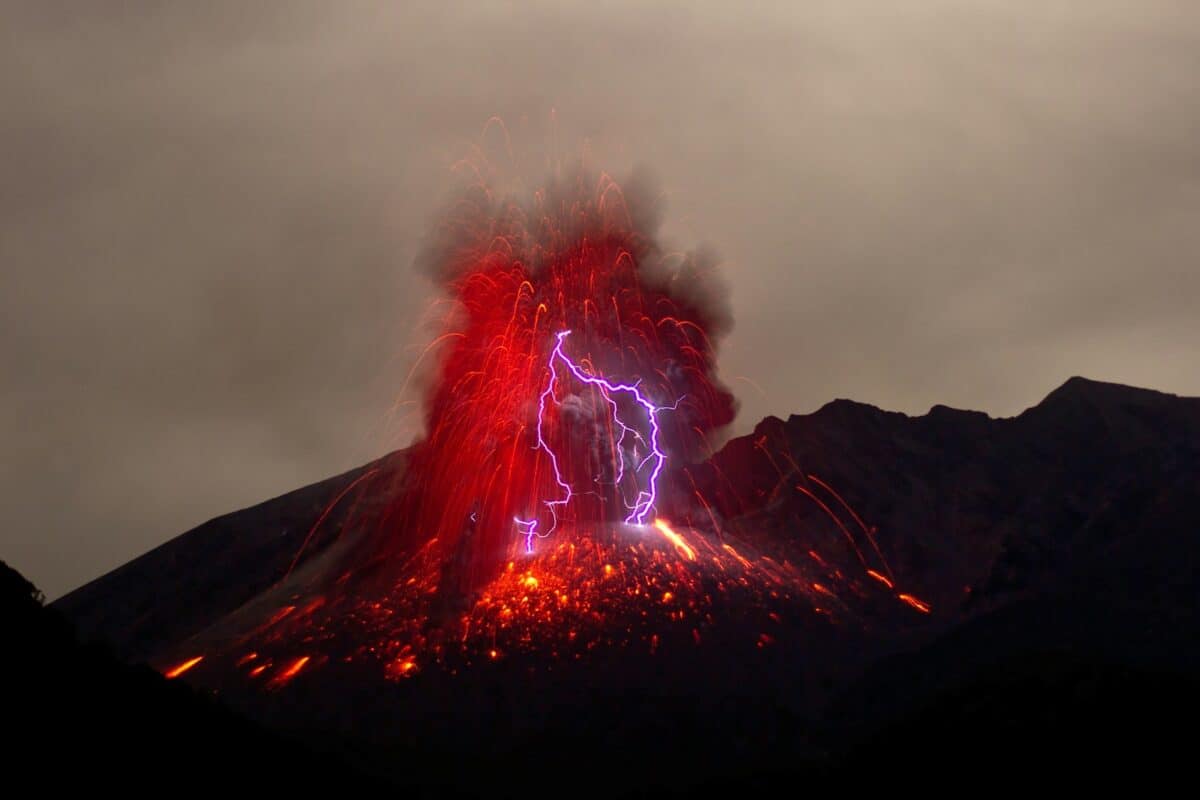
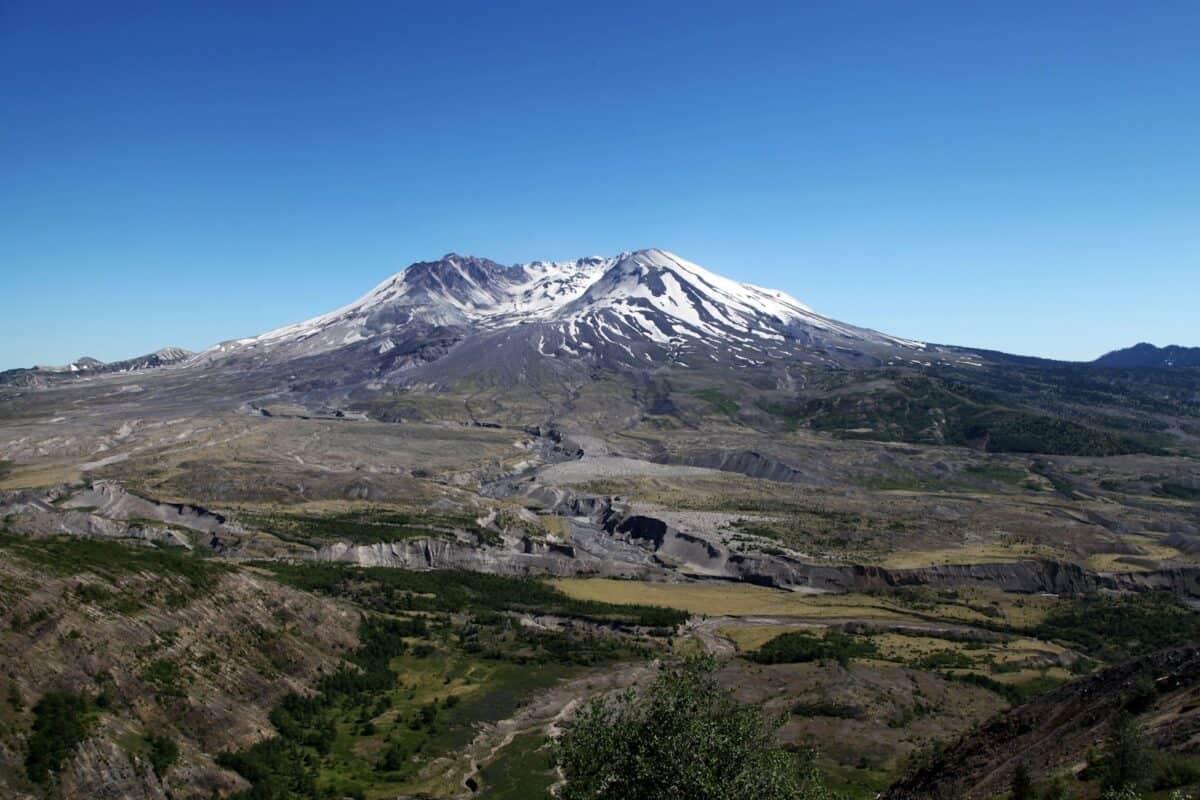
The eruption in 1980 was a dramatic reminder of nature’s raw power. It reshaped the surrounding landscape, formed a massive landslide, and released a lethal lateral blast. In the years that followed, the affected areas became a focus for scientists studying ecological recovery and geological processes.
The Role of Nature in Resilience and Recovery

After the 1980 eruption, the recovery of the ecosystem surrounding Mount St. Helens has been nothing short of remarkable. Scientists have studied the return of vegetation and animal life, gaining insights into how ecosystems rebuild themselves after catastrophic events. This area now serves as a living laboratory for ecological research.
Community Preparedness and Response
Communities near Mount St. Helens have implemented strategies to prepare for potential eruptions. Emergency evacuation plans, public education campaigns, and regular drills help residents stay informed and ready. These efforts aim to reduce risk and ensure a coordinated response in the event of heightened volcanic activity.
Scientific Research and Exploration
Mount St. Helens continues to draw researchers from around the world, eager to unlock its geological secrets. Scientists study its lava dome formations, gas emissions, and earthquake patterns, contributing to the broader understanding of volcanic processes. This ongoing research not only enhances scientific knowledge but also improves volcanic hazard assessment globally.
The Cultural Significance of Mount St. Helens
Beyond its geological importance, Mount St. Helens holds cultural significance for Indigenous peoples and local communities. Its slopes and valleys are woven into the traditions and stories of the Native American tribes in the region, shaping their cultural heritage and spiritual practices.
Tourism and Recreation Opportunities
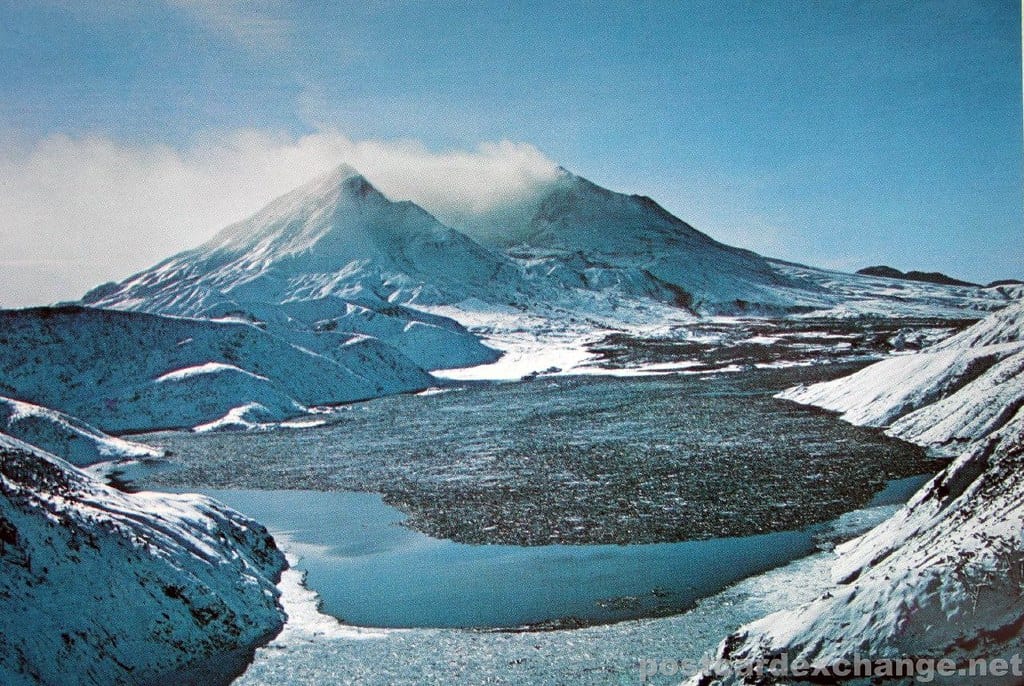
Despite its volatile nature, Mount St. Helens is a popular destination for outdoor enthusiasts. The surrounding national monument offers a variety of recreational activities, including hiking, climbing, and wildlife viewing. Visitors can explore interpretive centers and viewpoints to learn more about the volcano’s history and ongoing activity.
The Future of Mount St. Helens

The future of Mount St. Helens remains uncertain, as the cycles of activity and dormancy continue. Scientists and policymakers must collaborate to ensure that advances in technology and safety measures keep pace with the volcano’s dynamic nature. Understanding and preparing for these forces is crucial for safeguarding lives, property, and the environment.
Mount St. Helens stands as a compelling reminder of the balance between awe-inspiring beauty and latent danger. As it reawakes, this iconic volcano draws our attention not only to the past devastation but also to the remarkable resilience of nature and human communities. Understanding Mount St. Helens’ activity helps us appreciate the powerful forces that shape our planet and reminds us of the importance of respect, preparedness, and continuous learning in the face of natural phenomena.

From exploring the marine wonders in the Azores and witnessing the vast savannas of Kenya, to delving deep into the rich biodiversity of South Africa and traversing iconic landscapes in Australia and the US like Yellowstone, Chris's experiences are vast.
With a penchant for diving alongside sharks, the ocean holds a special place in his heart.
Through his academic insights, he champions wildlife conservation, striving with 'Animals Around The Globe' to cultivate a profound connection between humans and animals, enhancing our mutual appreciation.
Connect with him at Feedback@animalsaroundtheglobe.com.