
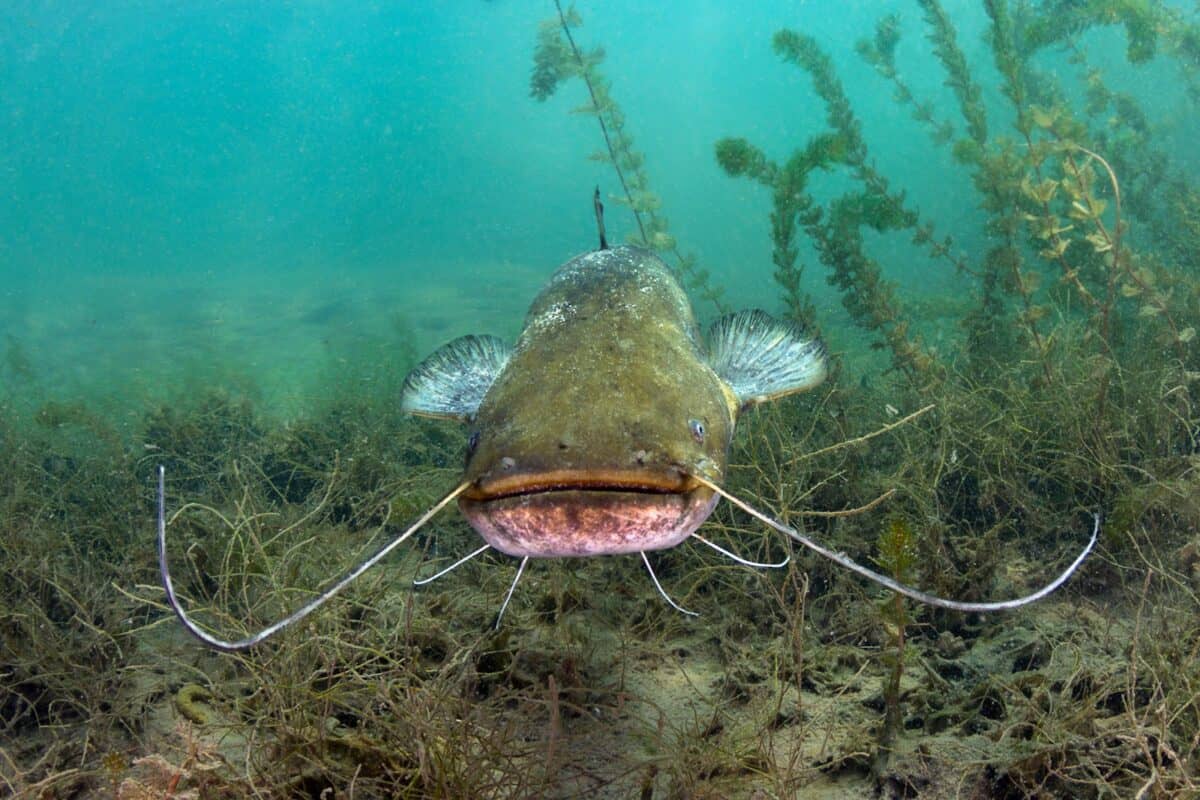
America’s freshwater systems are teeming with diverse life forms, many of which are uniquely adapted to their environments. Among these fascinating creatures lies one that stands out due to its potent venom, earning the title of the most venomous freshwater inhabitant in the United States. Discover the mysteries of this intriguing animal as we delve into its biology, ecological role, and interactions with humans.
Introduction to the Freshwater Venomous Creature
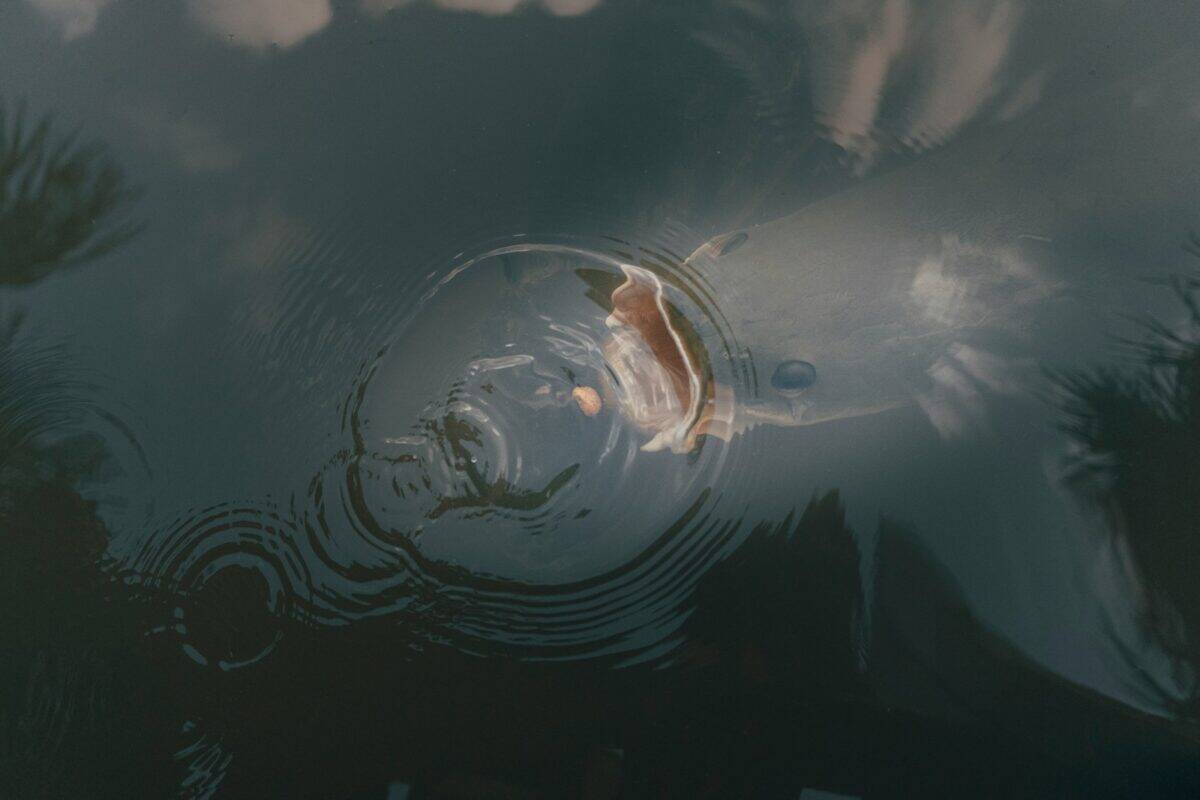
When it comes to venomous animals in the United States, most people’s thoughts immediately turn to snakes or spiders. However, freshwater environments are home to a less conspicuous but equally fascinating venomous creature: the freshwater catfish, especially certain species like the bullhead catfish and the flathead catfish. Contrary to popular belief, these fish can deliver a painful, venomous sting that warrants closer examination.
Identifying the Venomous Catfish

Catfish are easily recognizable by their whisker-like barbels and scaleless bodies. The venomous catfish in U.S. freshwater are typically smaller species like the bullhead catfish, which inhabit rivers, lakes, and ponds across the country. Their coloration and size can vary, but their distinctive features include a stout, elongated body and sharp spines located in their dorsal and pectoral fins.
The Anatomy of a Sting

Catfish stings occur when the sharp, rigid spines penetrate the skin. These spines are coated with a venomous mucus that induces immediate pain and swelling. Unlike a bite, the venom is delivered passively, making it crucial to handle these fish with care to avoid an accidental sting.
Symptoms of a Venomous Sting
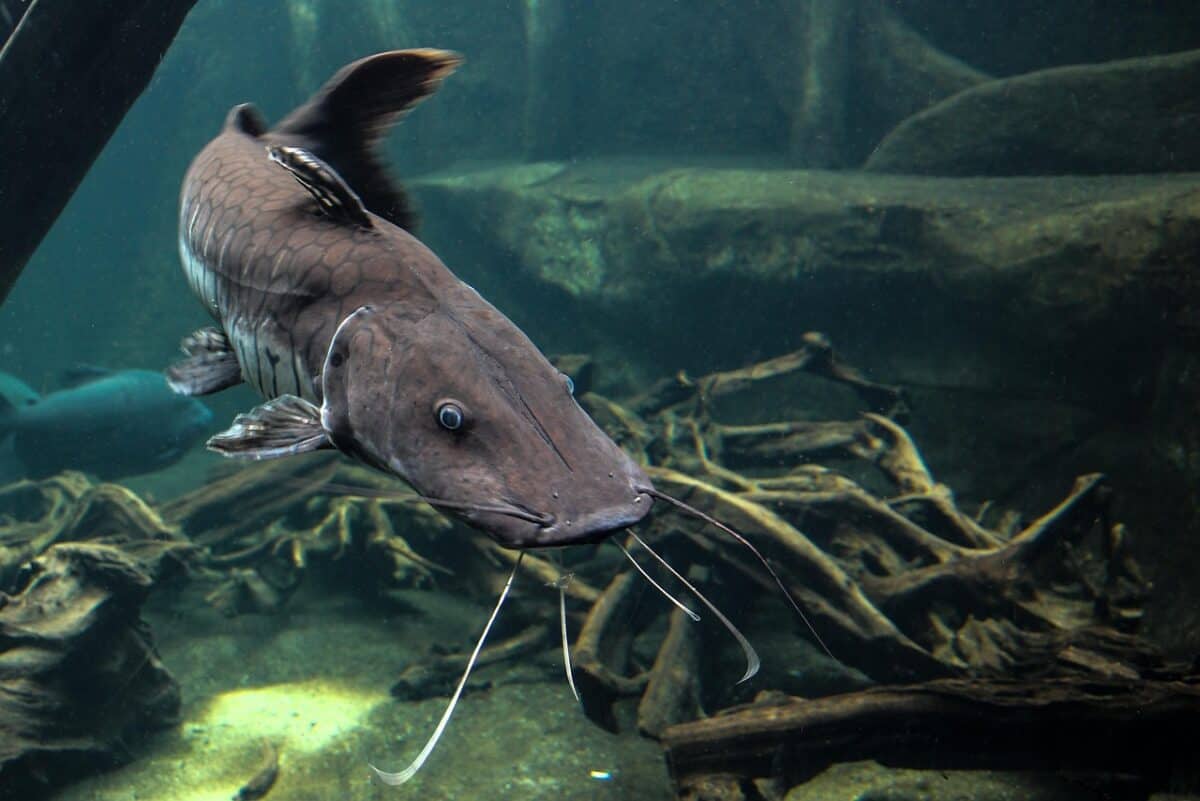
While catfish venom is not life-threatening to humans, it can cause significant discomfort. Common symptoms include sharp pain at the sting site, redness, swelling, and occasionally nausea. In some cases, individuals may experience an allergic reaction, necessitating medical attention.
First Aid for Catfish Stings
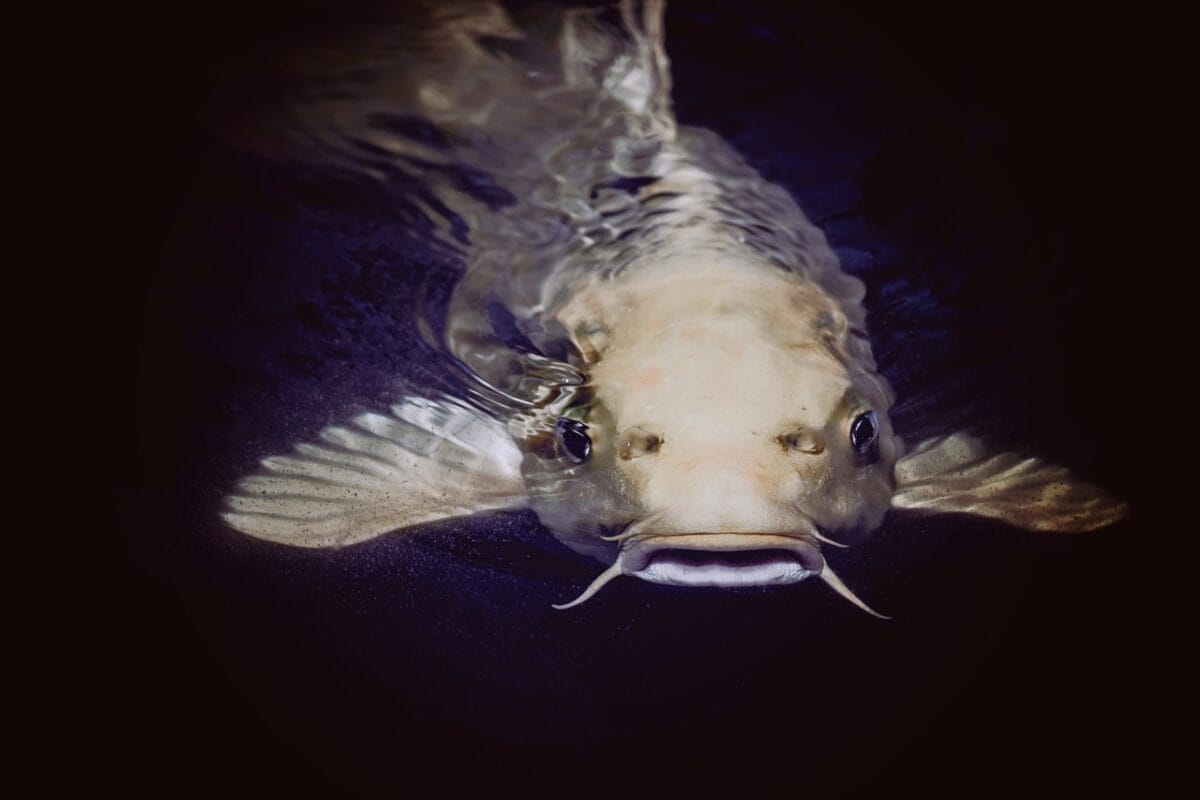
Treating a catfish sting involves immediate and proper first aid to alleviate pain and reduce swelling. First, it’s important to clean the wound with freshwater and remove any pieces of spine. Soaking the affected area in hot water can help to neutralize the venom, as heat breaks down the proteins responsible for pain.
Understanding Catfish Behavior

Catfish are primarily bottom-dwellers, feeding on algae, insects, and small aquatic animals. They are known for their nocturnal habits and rely on their barbels to detect food in murky waters. Despite their venomous stings, they are generally non-aggressive and will only sting as a reflexive defense mechanism when handled improperly or threatened.
Ecological Role of Catfish
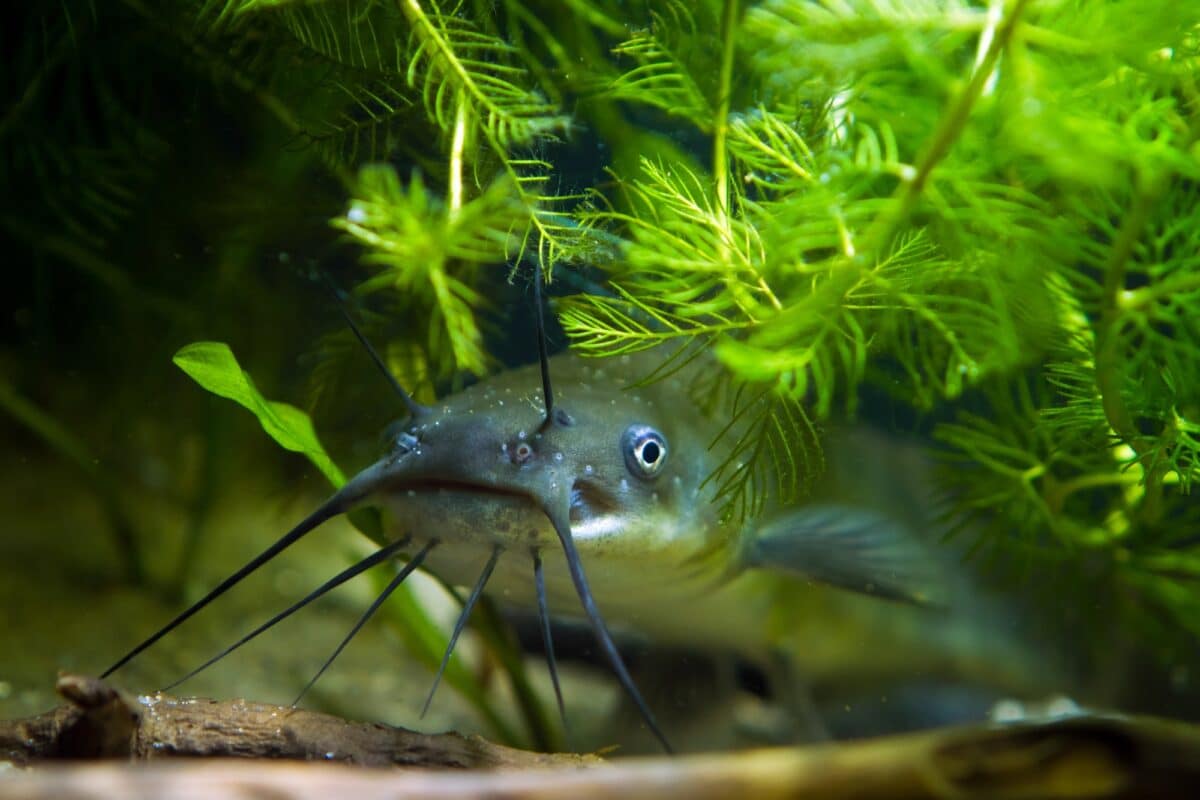
As scavengers and predators, catfish play a crucial role in freshwater ecosystems. They help maintain the ecological balance by consuming dead plants and animals, which prevents the accumulation of waste and supports nutrient cycling within the aquatic environment.
Conservation and Threats

Catfish populations are influenced by environmental changes such as pollution, habitat destruction, and overfishing. Sustainable management practices are necessary to preserve their populations, ensuring that these valuable ecosystem contributors continue to thrive.
Catfish in Cultural Context

Catfish have been a part of American culture and cuisine for centuries. They are a popular target for anglers and a staple in many regional dishes, particularly in the southern United States. Their unique taste and versatility have cemented their place in local traditions and folklore.
Research and Discoveries

Scientific research on catfish venom has expanded our understanding of this creature’s defensive mechanisms. While its venom is not lethal to humans, it holds potential for biomedical applications, such as developing pain management therapies based on its effects.
Fishing for Catfish: Precautions and Tips
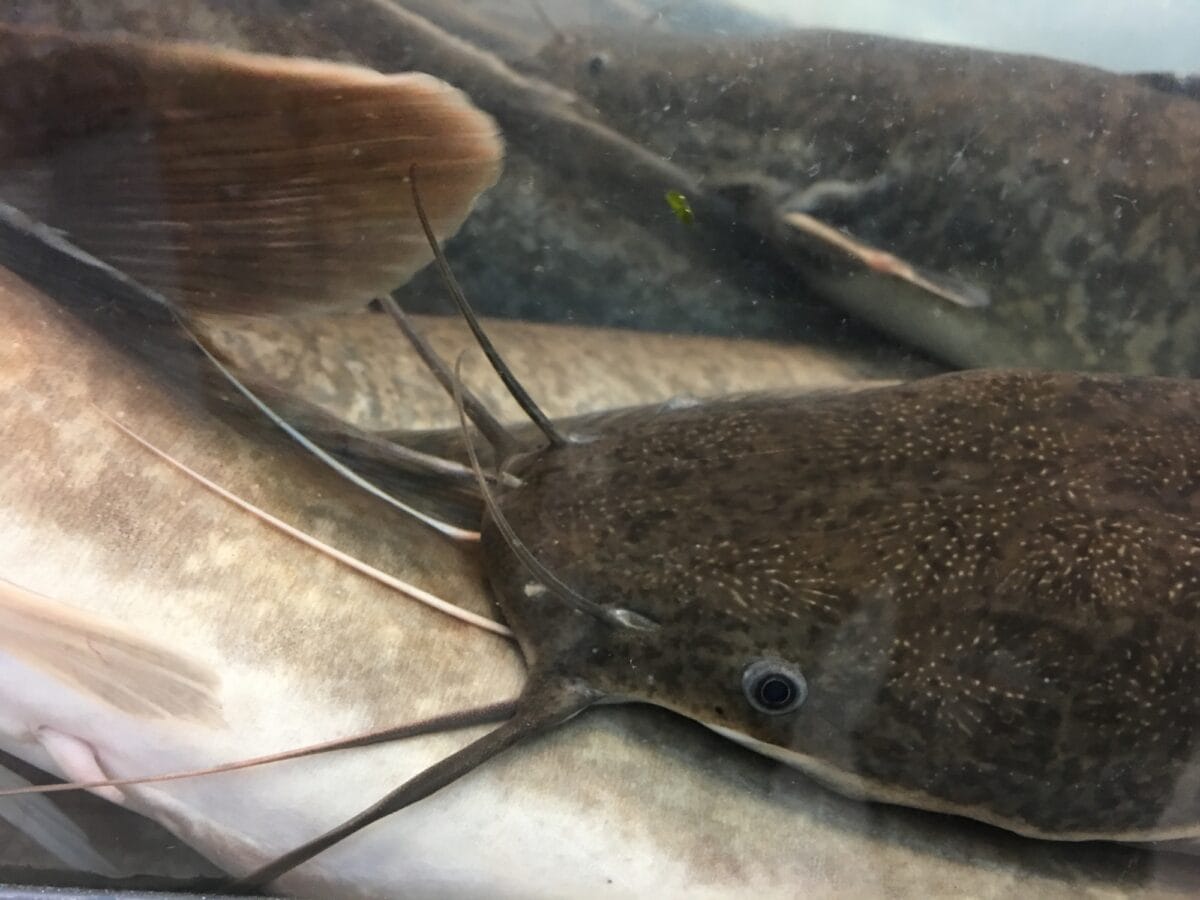
Due to the potential for a painful sting, anglers targeting catfish should wear gloves and utilize tools to handle the fish safely. Employing careful techniques when removing them from hooks can minimize the risk of accidental stings and ensure a pleasant fishing experience.
Conclusion: Respecting a Venomous Resident

The presence of the venomous freshwater catfish underscores the diversity and complexity of aquatic life in the United States. By understanding and respecting these creatures, humans can safely coexist with them, appreciating their role in maintaining healthy freshwater ecosystems. Whether you’re an angler, a conservationist, or simply a curious nature enthusiast, embracing this knowledge allows for more informed and respectful interactions with nature’s intricate tapestry.

- The Secret Language of Dolphins Decoded by Researchers - July 20, 2026
- 7 Animals That Can Survive Extreme Environments You Couldn’t - July 20, 2026
- The Longest Snake Ever Found in the U.S. - July 20, 2026