

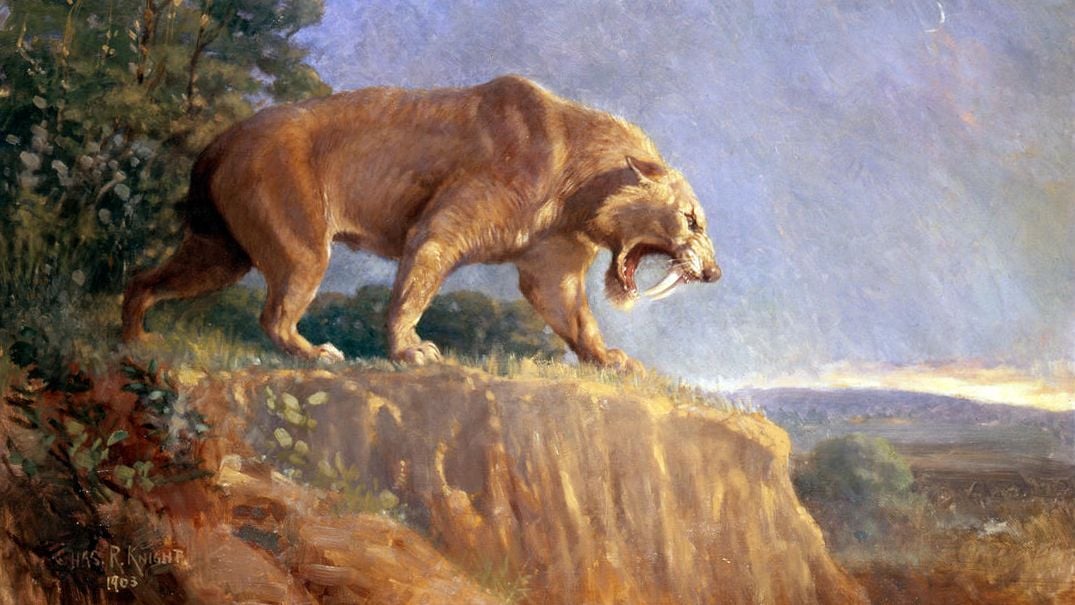
There’s something quietly remarkable about the fact that one of history’s most fearsome apex predators is now best known as a wisecracking best friend to a woolly mammoth and a clumsy sloth. The real Smilodon roamed the Americas for millions of years, terrorizing megafauna with canine teeth that grew as long as a kitchen knife. The creature that emerged from Hollywood in 2002, however, had a dry sense of humor, a secret soft spot, and a habit of rolling his eyes at Sid.
Smilodon is a genus of extinct felids and one of the best-known saber-toothed predators and prehistoric mammals, though it was not closely related to the tiger or other modern cats, belonging to the now-extinct subfamily Machairodontinae. That gap between scientific reality and cinematic reinvention is exactly what makes Diego such a fascinating case study. What did it actually take to transform this ancient killing machine into a character that children across the world wept over when they thought he was dying?
The Real Smilodon: A Predator Built for Devastation
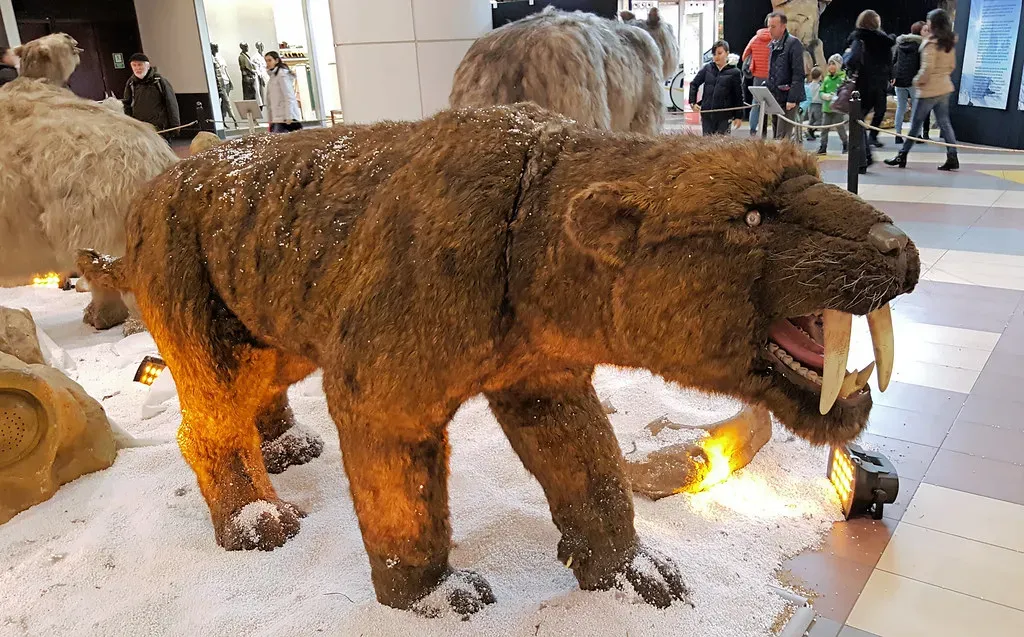
Before we get to the orange-furred charmer with the Denis Leary voice, it helps to understand just how formidable the real animal actually was. Despite the popular nickname, the saber-toothed tiger was not a tiger at all. This predator belonged to the extinct genus Smilodon, a type of saber-toothed cat that shared a distant ancestor with modern cats but split from that lineage approximately 20 million years ago.
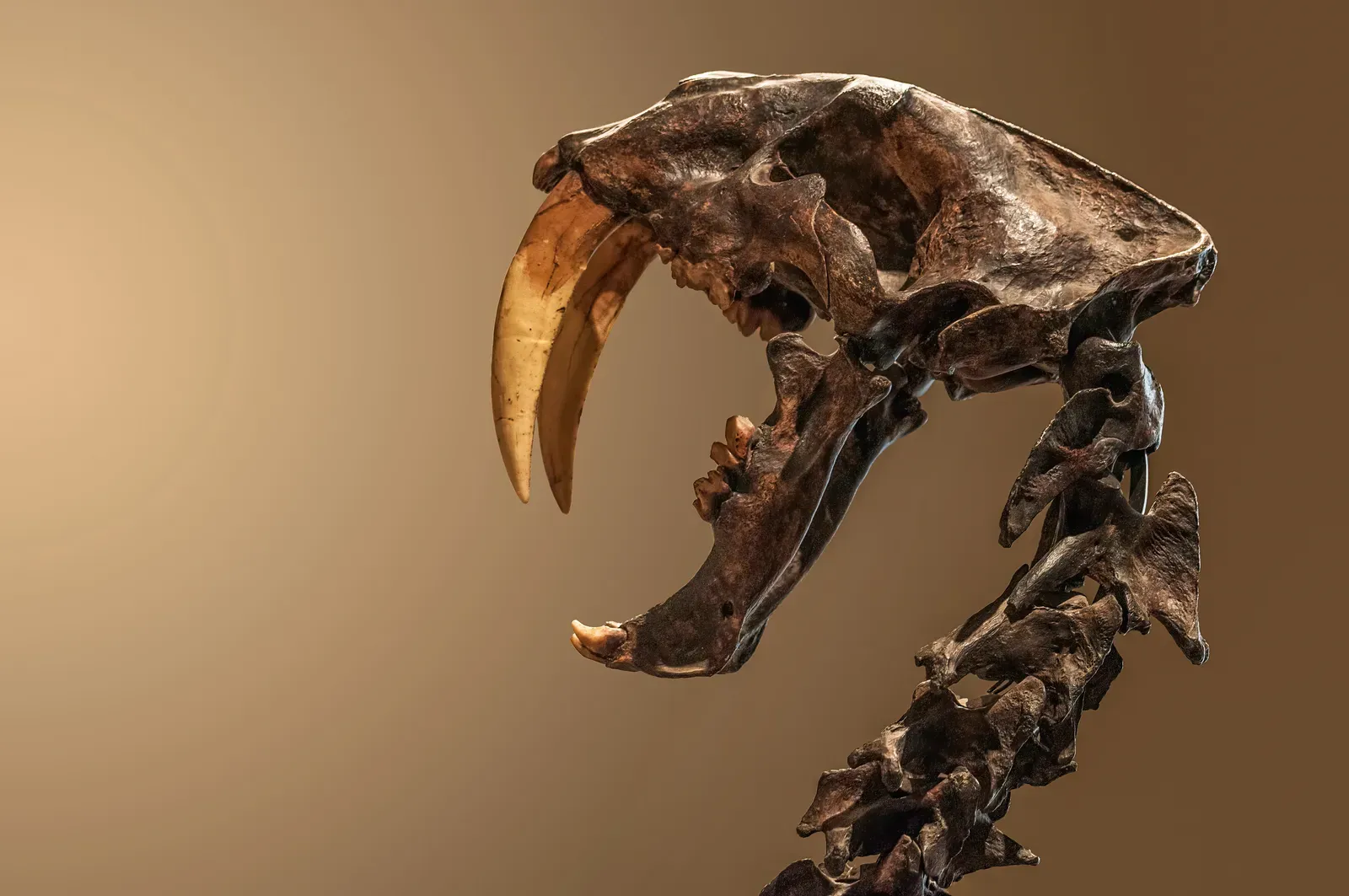
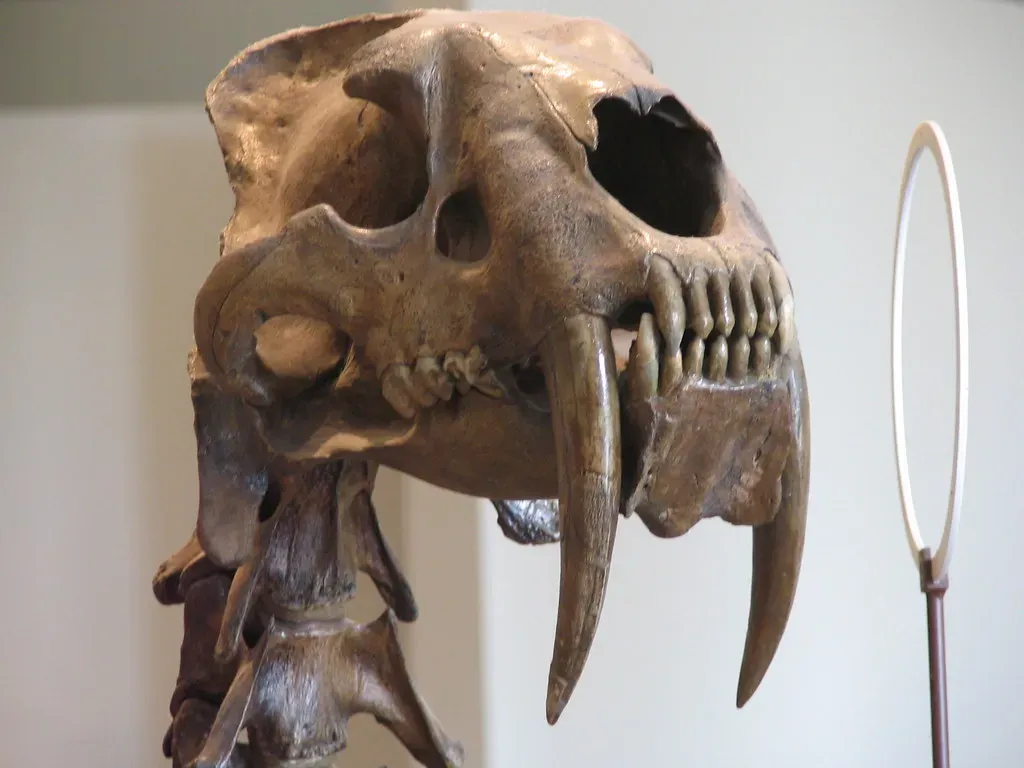
The famous canines were the central feature of its specialized killing method, growing up to 28 centimeters in the largest species. These teeth were slender and relatively fragile with fine serrations along the edges, suggesting they were not meant for crunching through bone. The bite force of Smilodon was actually weaker than that of a modern lion, meaning it could not risk biting a moving target or applying excessive pressure that could snap a fang. To compensate, Smilodon evolved the ability to open its jaw almost 120 degrees, far wider than the 65-degree gape of a modern lion.
The saber-toothed tiger was a very capable hunter that took down many creatures on its own, such as bison, camels, horses, woolly mammoths, mastodons, and giant sloths. Smilodon was a very large, very solid cat, built to wrestle its prey into submission rather than chase it down, and was capable of running at speeds of approximately 60 kilometers per hour. This was not a cuddly creature. It was an ecological force.
From Apex Predator to Animated Character: The Ice Age Origin Story
Ice Age is Blue Sky Studios’ first computer-animated movie franchise, started by Carlos Saldanha and Chris Wedge, and the first film was released on March 15, 2002. Ice Age was originally conceived by Fox Animation Studios as a traditionally animated film, but became a full-length CGI film from Blue Sky. Focus shifted from making an action-adventure drama film to a more comedy-oriented one, and several writers were brought on to lighten the tone.
Set during the days of the Pleistocene ice age, the film centers around an unlikely herd of three mammals: Manny, a no-nonsense woolly mammoth; Sid, a loudmouthed ground sloth; and Diego, a sardonic smilodon, who come across a human baby and work together to return it to its tribe. Diego’s role in that premise is quietly extraordinary. Initially a cunning and remorseless hunter in a pack of other sabers, Diego was tasked with delivering a human baby to his pack leader, Soto, as revenge upon the humans. During his interception of the child, Diego met a mammoth named Manfred and a sloth named Sid. That chance encounter changed everything.
Denis Leary and the Voice That Made a Monster Relatable

Voiced by Denis Leary in the mainline films, Diego’s smooth, confident, slightly gravelly voice perfectly matches his tough exterior and dry sense of humor. Casting is a surprisingly underrated element of how audiences connect with animated characters, and in Diego’s case the choice was unusually loaded. Leary had built a career on playing sharp-tongued, guarded characters with complicated moral centres, and that quality translated directly to a prehistoric cat with something to hide.
According to co-director Carlos Saldanha, Diego was one of the most complexly animated characters in the movie, with some scenes showing off his high movement speed as a sabre-toothed tiger while others kept his movement more contained and focused on his facial expressions to carry the moment. The voice cast of Ice Age was encouraged to make up their own dialogue during recording, and several lines in the film were improvised by the actors. That creative freedom helped Leary infuse Diego with a kind of reluctant warmth that no script note could have manufactured.
The Villain Who Wasn’t: Diego’s Moral Pivot in the First Film
In the first Ice Age film, Diego is first shown as being the sinister and serious type, but he softens as he travels with Manny and Sid to return a baby to his human tribe. That softening is the narrative engine of the entire first movie. Diego volunteered to lead both the baby and Manny to Glacier Pass, while secretly leading them to his pack at Half Peak to kill them. The audience knows it’s a trap. Diego knows it’s a trap. The tension lies entirely in watching him slowly stop wanting to go through with it.
Along the journey, Diego begins to see the world differently. He watches Manny risk his life for others, sees Sid’s loyalty despite his flaws, and unexpectedly forms a bond with the baby he was supposed to deliver to his pack. This slow internal shift transforms him from antagonist to anti-hero and finally to hero. His choice to betray Soto and protect the herd is the first major turning point of the franchise. It’s a well-worn redemption structure, but Diego’s version of it earns its emotional payoff because the filmmakers take their time with it.
The Death Scene That Was Never Meant to Be Cut
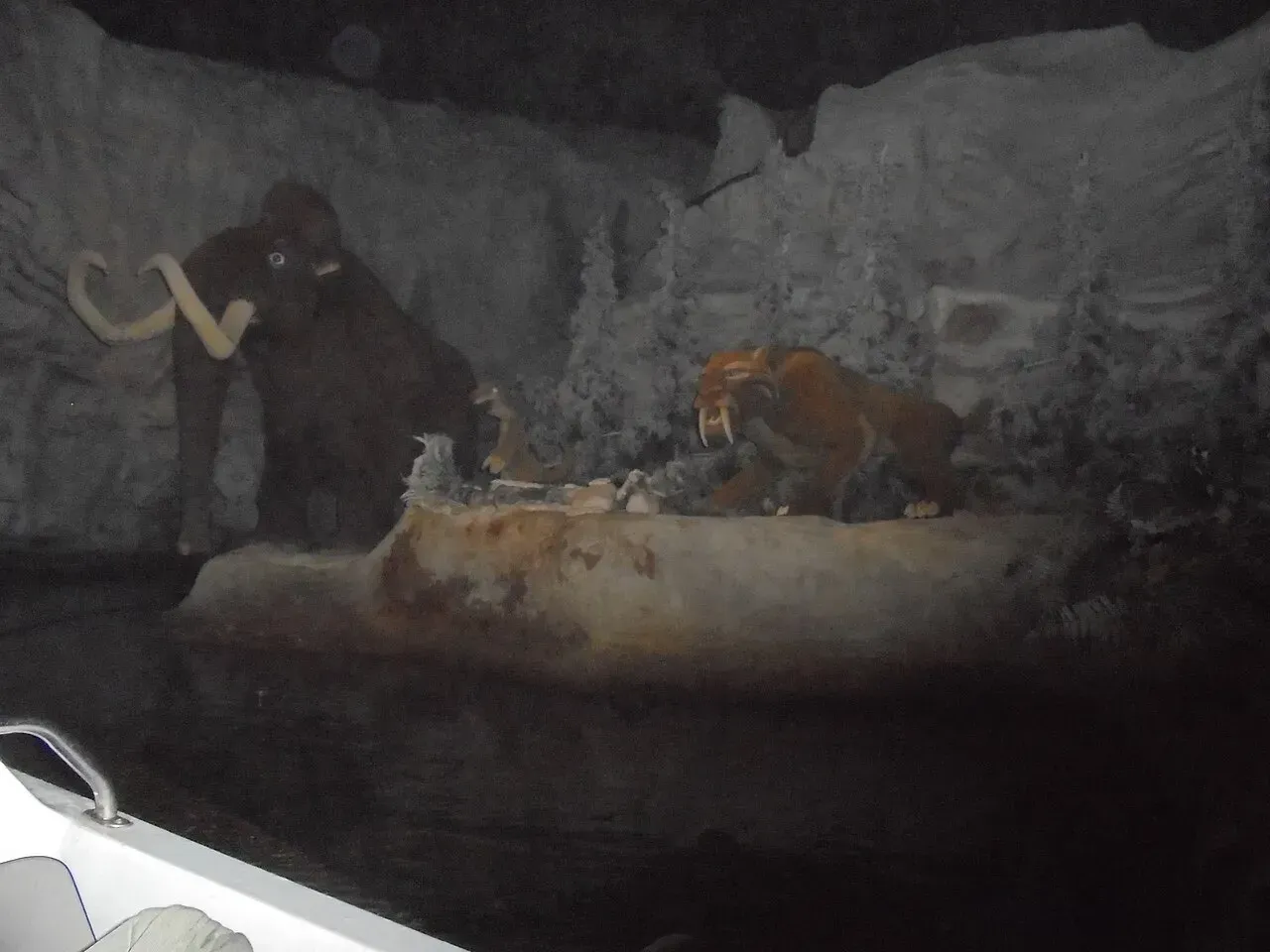
Here is the detail that changes how you see the entire Diego arc. Denis Leary revealed in a 2012 interview with Jay Leno that his character, Diego, originally died near the end of the film. However, it was reported that kids in the test audience burst into tears when his death was shown. Leary warned the producers that something like this would happen, and when it was proven true, the scene was re-written to ensure Diego survived.
Killing off a main character would have ended the movie on a dour note, at odds with the tone of the hijinks and comedy that preceded it. However, it would have also been a bold move for the film, giving it more gravitas and probably resulting in Ice Age joining the distinguished ranks of other family movies with tearjerker deaths such as The Lion King and Bambi. While Diego was integral to the first Ice Age movie, its sequels have struggled to give his character anything meaningful to do. From a franchise perspective, it was probably the right decision to have Diego survive. Still, there’s a version of Diego’s story that ended with genuine sacrifice, and it would have been something different altogether.
A New Kind of Weakness: How the Sequels Humanised Him Further
In the second film, Diego is less hostile, showing a calm, cool-acting personality, but he hides his fear of water, which Sid finds out about. The sloth teaches Diego how to swim, an ability the tiger later used to rescue Crash and Eddie, the twin opossum brothers of the mammoth Ellie. This is a quietly clever piece of character writing. Giving an apex predator a phobia of water and then having the most comedically useless member of the group teach him to overcome it is exactly the kind of comic inversion that made audiences adore the Ice Age herd.
In the third film, after failing to catch a gazelle, Diego fears that his time with the herd has made him soft and decides to leave the herd. He then later joins the herd in finding Sid, who was taken by a T-Rex, and protects a pregnant Ellie from a pack of hungry Guanlong. In the end, he decides not to leave. Each film essentially gave Diego a new vulnerability to work through, with each Ice Age movie featuring Diego’s own side story: double agency in the first, overcoming aquaphobia in the second, leaving then rejoining the herd in the third, and meeting and falling in love with Shira in the fourth. It’s a reasonably thoughtful way to keep a character evolving across sequels.
Science vs. Screen: What Hollywood Got Wrong About Smilodon
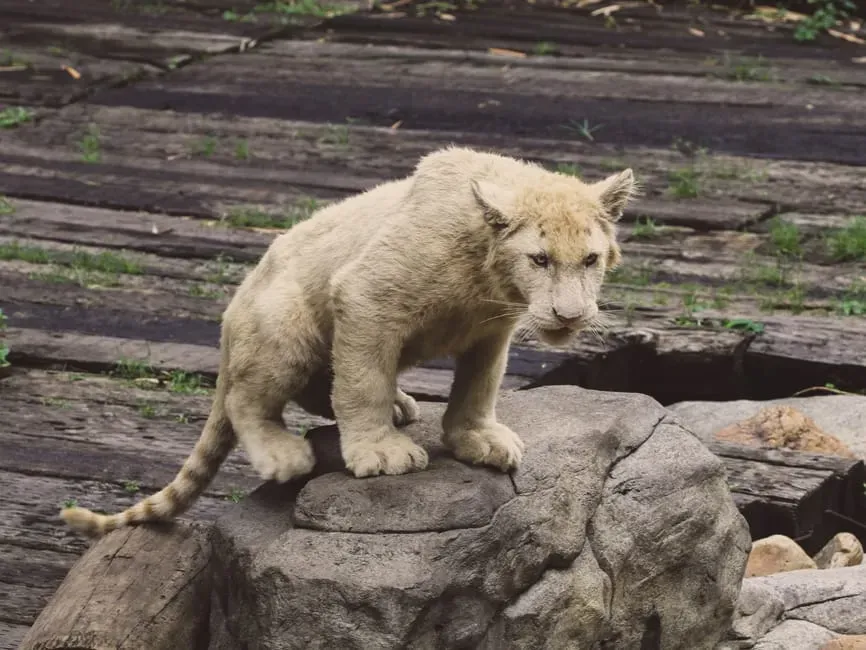
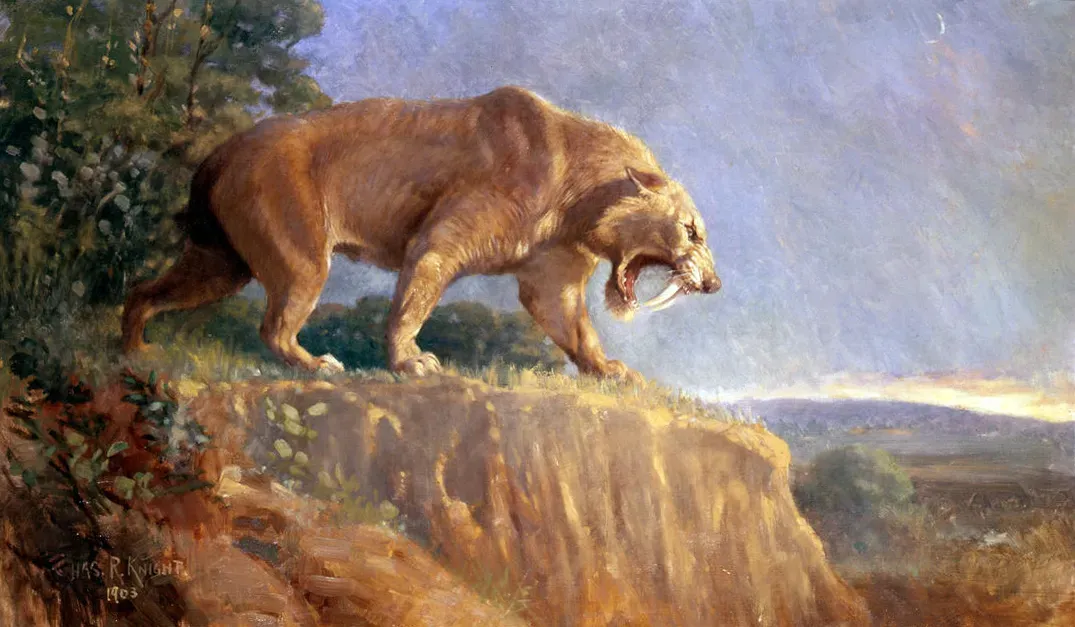
Diego is depicted as a pack hunter, which does actually align with some scientific thinking. Some scientists today theorize that Smilodon lived and behaved in an almost identical way to modern African lions, living in tightly knit clans. Some La Brea individuals show healed injuries, sometimes argued to suggest group living or at least tolerance around kills, though alternative explanations remain an ongoing debate in the literature.
What the film gets decidedly less right is the environment. The saber-tooth tiger primarily inhabited open environments like grasslands, savannas, and open woodlands across North and South America. Contrary to popular belief, they were not creatures of icy glaciers but thrived in warmer, more diverse ecosystems rich with megafauna prey. The snowy backdrop is atmospheric and visually iconic, but Diego’s ancestors were largely creatures of warm, prey-rich plains rather than frozen tundra. The saber-toothed cat genus Smilodon is second only to woolly mammoths as the most famous of the prehistoric ice age fauna, and in fiction it is usually portrayed inhabiting the same kind of snowy tundra climates mammoths were known for dwelling in. Hollywood has been repeating that visual shorthand for decades.
Diego’s Legacy: What a Reformed Predator Says About Storytelling
Diego’s character has left an indelible mark on animated cinema, influencing how antagonists-turned-protagonists are written in family films. Diego’s evolution throughout the Ice Age franchise is both emotional and inspiring. He starts as a cunning predator driven by duty but grows into a loyal friend, brave guardian, and integral member of the herd. His story is rich with conflict, humor, courage, and connection. That arc did not happen by accident; it was shaped by test audience feedback, a producer’s willingness to reverse a death scene, and a voice actor who understood his character’s subtext instinctively.
Ice Age Diego continues to resonate with audiences because he represents change, redemption, and the search for belonging. His journey from a predator defined by his pack to a loyal protector of a found family mirrors themes that many people relate to: choosing one’s own path, learning to trust others, and allowing personal growth to reshape identity. The real Smilodon had no such luxury. It lived and died by the laws of its ecosystem, with none of the warmth or choice that Diego eventually claimed for himself. That contrast, between the raw creature of paleontology and the emotionally complex character of animation, is ultimately what makes Diego so enduring. He’s not just a softened predator. He’s a mirror for something genuinely human, draped in orange fur and armed with canine teeth that, mercifully, he chose never to use on his friends.
Hollywood didn’t diminish the Smilodon by making it loveable. It revealed something more interesting: that the fiercest creatures, real or imagined, tend to be the most compelling when they’re given a reason to change.

As a little kid, I fell in love with nature, wildlife, and animals. Living in the USA, South Africa, Italy, China and Germany gave me the opportunity to discover the world's Wildlife. My favorite animals are Mountain Gorillas, Siberian Tigers, and Great White Sharks.
I'm a certified PADI Open Water Diver, went to Everest Base Camp and Trekked Gorillas in Uganda. I hold a Master of Science in Economics and Finance.
Please send any feedback to feedback@animalsaroundtheglobe.com
- The Most Colossal Bird Nest Ever Built in America - July 21, 2026
- The Most Bizarre Habits of Americas Wildest Creatures - July 21, 2026
- 15 Horse breeds that can Run like Lightning - July 21, 2026