

The natural world is a captivating tapestry of life, intricately woven over millions of years of evolution. Yet, every so often, scientists uncover astonishing discoveries that challenge our understanding of life’s continuous development. One such revelation came with the discovery of an extraordinary animal that has remained virtually unchanged for an astounding 100 million years. This remarkable find raises intriguing questions about the processes of evolution and the resilience of life in the face of changing environments. In this article, we delve deep into the fascinating story of this ancient creature.
What Is Evolution, and How Does It Work?

Evolution is the gradual process by which species of organisms change over time through variations in genetic material. It is driven by mechanisms such as natural selection, genetic drift, and mutations. Over millions of years, these changes can lead to the development of new species, adaptations to environments, and the diversification of life on Earth. Normally, all organisms experience some degree of evolutionary change, either adapting to new conditions or going extinct if they fail to do so.
The Discovery of a “Living Fossil”
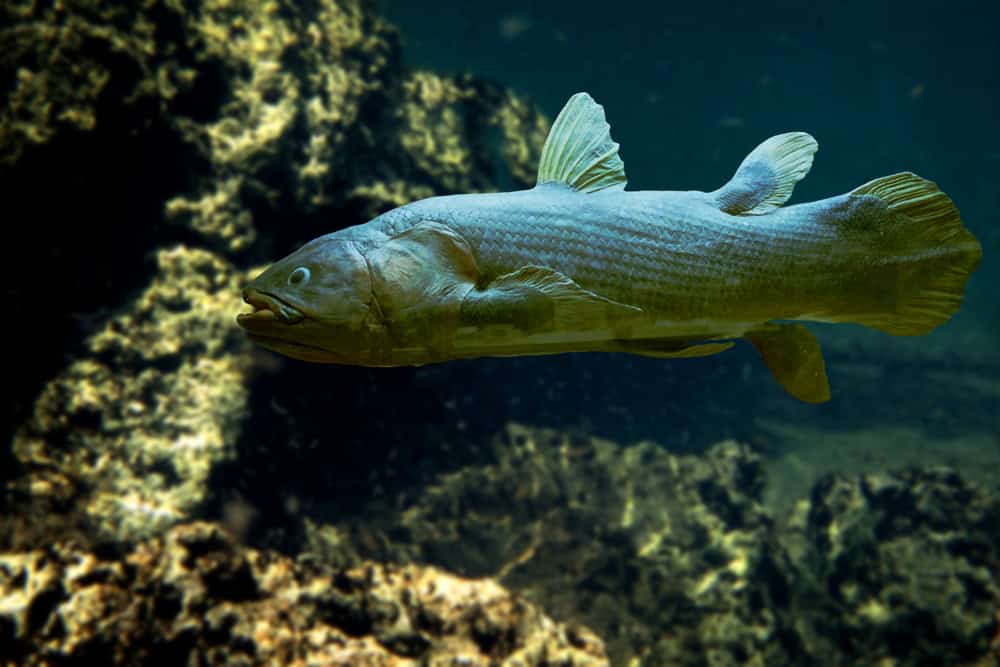
The term “living fossil” is used to describe species that have remained relatively unchanged over a vast expanse of geological time. This recent discovery involves an animal that has defied the typical path of evolutionary change for over 100 million years. Researchers stumbled upon this exceptional creature in an isolated environment, where it has managed to maintain its ancient form despite the dynamic nature of life on Earth.
Identifying the Unchanged Animal

The animal in question is the remarkably resilient coelacanth. Known to science primarily through its fossil record until a live specimen was discovered off the coast of South Africa in 1938, the coelacanth was once thought to have gone extinct with the dinosaurs. However, live specimens have shown that these fish have survived in deep ocean habitats, maintaining nearly the exact form as their distant ancestors from the Devonian Period.
A Glimpse Into Earth’s Past

The coelacanth offers scientists a rare glimpse into the prehistoric world. Its body plan has remained virtually unchanged for over 360 million years, making it a living snapshot of ancient marine life. Studying this creature allows scientists to understand how certain anatomical features have persisted alongside drastic environmental changes over the millennia.
Unique Characteristics of the Coelacanth

The coelacanth is a lobe-finned fish with several distinctive features. Its paired lobe fins are thought to resemble the limb precursors of terrestrial vertebrates, sparking interest in their evolutionary role. Coelacanths also possess a hinged joint in their skull, allowing them to widen their mouths for prey capture, and a unique organ in their snouts that likely aids in detect electroreception signals in the ocean’s depths.
The Coelacanth Habitat

These ancient fish predominantly inhabit the dark depths of the ocean, often dwelling at depths of 100 to 700 meters. The stable conditions of these deep-sea environments may contribute significantly to their unchanged form, shielding them from the perturbations that drive significant evolutionary change in other species.
Why Evolution Stopped for the Coelacanth

Scientists propose that the coelacanth’s lack of notable evolutionary change may be attributed to its stable habitat and lack of predators, which have negated the need for significant adaptations. Furthermore, its slow rate of reproduction and lengthy lifespan could contribute to the minimal evolutionary pressure to diverge.
Implications for Evolutionary Biology

The discovery of an animal like the coelacanth challenges traditional views on evolutionary processes. It posits questions about what evolutionary stasis means and how life can persist unaltered in a world that constantly changes. Understanding phenomena like this offers insights into the balance of change and stability within the evolutionary timeline.
The Role of Genetics in Evolutionary Stasis

Genetic research has revealed that while the coelacanth’s morphology remains unchanged, its genome contains signs of gradual evolutionary processes. This unique condition provides invaluable data on how genetic factors might operate differently in species showing stasis, offering new avenues for evolutionary biology research.
The Conservation Status of Coelacanths

The coelacanth is currently classified as a critically endangered species due to its limited population and narrow geographic distribution. Efforts in conservation are crucial to preventing its extinction, ensuring that this link to our planet’s distant past remains for generations to come.
The Future of Evolutionary Research

The discovery of the coelacanth’s evolutionary stasis doesn’t merely captivate the imagination; it also paves the way for future research. Understanding the causes behind its lack of evolution can shed light on protective measures for other species facing rapid environmental changes.
Conclusion: A Timeless Marvel
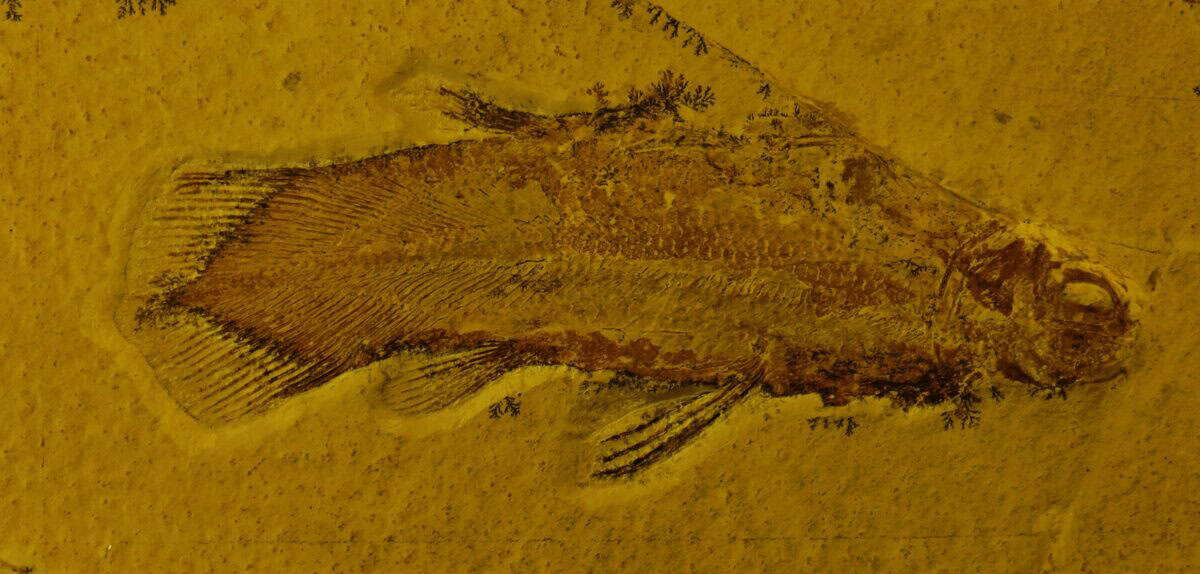
The coelacanth, a testament to life’s resilience and adaptability, serves as a remarkable link between the Earth of millions of years ago and today. By studying this enthralling creature, scientists gain not just insights into the past, but also valuable lessons on how life can endure in a rapidly changing world. Ensuring the survival of this living relic will allow future generations to marvel at the evolutionary marvels that continue to color the rich tapestry of life on Earth.

- The Glasswing Butterfly: Nature’s Invisible Beauty - July 21, 2026
- What Happens If a Whale Dies in the Ocean? - July 21, 2026
- Why You Should Stop Feeding Ducks at the Park - July 21, 2026