


Bird migrations are a spectacle of nature that have inspired poets, artists, and scientists alike for centuries. As these feathered travelers embark on epic journeys across continents, they follow ancient routes etched into their DNA. However, the looming shadow of global warming threatens to cast a dark cloud over these awe-inspiring voyages. Rising temperatures, shifting weather patterns, and habitat loss are altering the natural order, endangering these age-old migrations. Let’s delve into 13 stunning bird migrations that are now at risk due to the relentless advance of climate change.
The Arctic Tern’s Epic Voyage

The Arctic Tern is renowned for having the longest migration of any bird, traveling from the Arctic to the Antarctic and back again each year. Covering an astonishing 71,000 kilometers annually, this journey is a testament to endurance and instinct. However, global warming is melting the polar ice caps, disrupting the Tern’s breeding grounds and food sources. The warming oceans are affecting fish populations, which are vital for their survival. As the climate continues to change, the Tern’s future becomes increasingly uncertain. Without intervention, we may witness a decline in their numbers, threatening this majestic migration.
The Monarch of the Skies The Bar-tailed Godwit

The Bar-tailed Godwit holds the record for the longest non-stop flight, traveling over 11,000 kilometers from Alaska to New Zealand. This incredible journey is fueled by the Godwit’s ability to store vast amounts of energy. Yet, as global temperatures rise, the wetlands where they refuel are shrinking. These crucial stopover points are essential for their survival, providing the necessary resources for such a demanding journey. The loss of these habitats due to climate change could spell disaster for the Godwit, disrupting one of nature’s most remarkable migrations.
The Graceful Flight of the Whooping Crane

Once on the brink of extinction, the Whooping Crane has made a remarkable recovery. Their migration from Canada to the Gulf Coast of Texas is a symbol of hope and resilience. However, climate change poses new threats to their survival. Rising sea levels and increased storm activity are eroding their winter habitats. Additionally, changes in temperature can affect their breeding success, putting future generations at risk. The Whooping Crane’s journey is a delicate balance, and any disruption could have dire consequences.
The Enigmatic Journey of the Swainson’s Hawk

Swainson’s Hawks embark on a journey from North America to the grasslands of Argentina, covering a distance of over 10,000 kilometers. These raptors rely on the thermals created by warm air to glide effortlessly over vast distances. However, climate change is altering weather patterns, potentially disrupting these vital air currents. Furthermore, agricultural expansion in their wintering grounds is reducing available habitat. As global warming continues to reshape our world, the Swainson’s Hawk faces an uncertain future, with their migration hanging in the balance.
The Majestic Flight of the Sandhill Crane

Every year, Sandhill Cranes perform a spectacular migration from their breeding grounds in the northern United States and Canada to their wintering sites in the southern United States and Mexico. These graceful birds are often seen in large flocks, creating a breathtaking sight. However, climate change is impacting the wetlands they rely on for rest and refueling. Droughts and habitat destruction threaten their stopover sites, making their journey increasingly perilous. The Sandhill Crane’s migration is a delicate dance with nature, and any disruption could have lasting effects.
The Spectacular Sojourn of the Painted Bunting

The Painted Bunting, with its vibrant plumage, is a sight to behold as it migrates from the southern United States to Central America. This colorful songbird depends on specific habitats for breeding and feeding. However, climate change is altering these environments, affecting food availability and nesting sites. As temperatures rise, the Bunting’s range may shift, leading to potential conflicts with other species. The Painted Bunting’s migration is a delicate balance of timing and location, and any disruption could have far-reaching consequences.
The Mysterious Migration of the Common Cuckoo

The Common Cuckoo’s migration from Europe to Africa is shrouded in mystery and intrigue. Known for its brood parasitism, the Cuckoo lays its eggs in the nests of other birds. However, climate change is affecting the timing of breeding seasons, potentially disrupting this delicate relationship. As temperatures rise, the Cuckoo may arrive too early or too late, leading to a mismatch with its host species. The Common Cuckoo’s migration is a complex interplay of timing and behavior, and any disruption could have profound effects.
The Awe-Inspiring Flight of the Red Knot

The Red Knot’s migration from the Arctic to the southern tip of South America is a true marvel of nature. Covering over 14,000 kilometers, this journey is one of the longest in the avian world. However, climate change is impacting the Red Knot’s breeding and feeding grounds. Rising sea levels and changing temperatures are affecting the availability of food, such as horseshoe crab eggs, which are essential for their survival. The Red Knot’s migration is a delicate balance of timing and resource availability, and any disruption could have devastating consequences.
The Mesmerizing Journey of the Ruby-throated Hummingbird
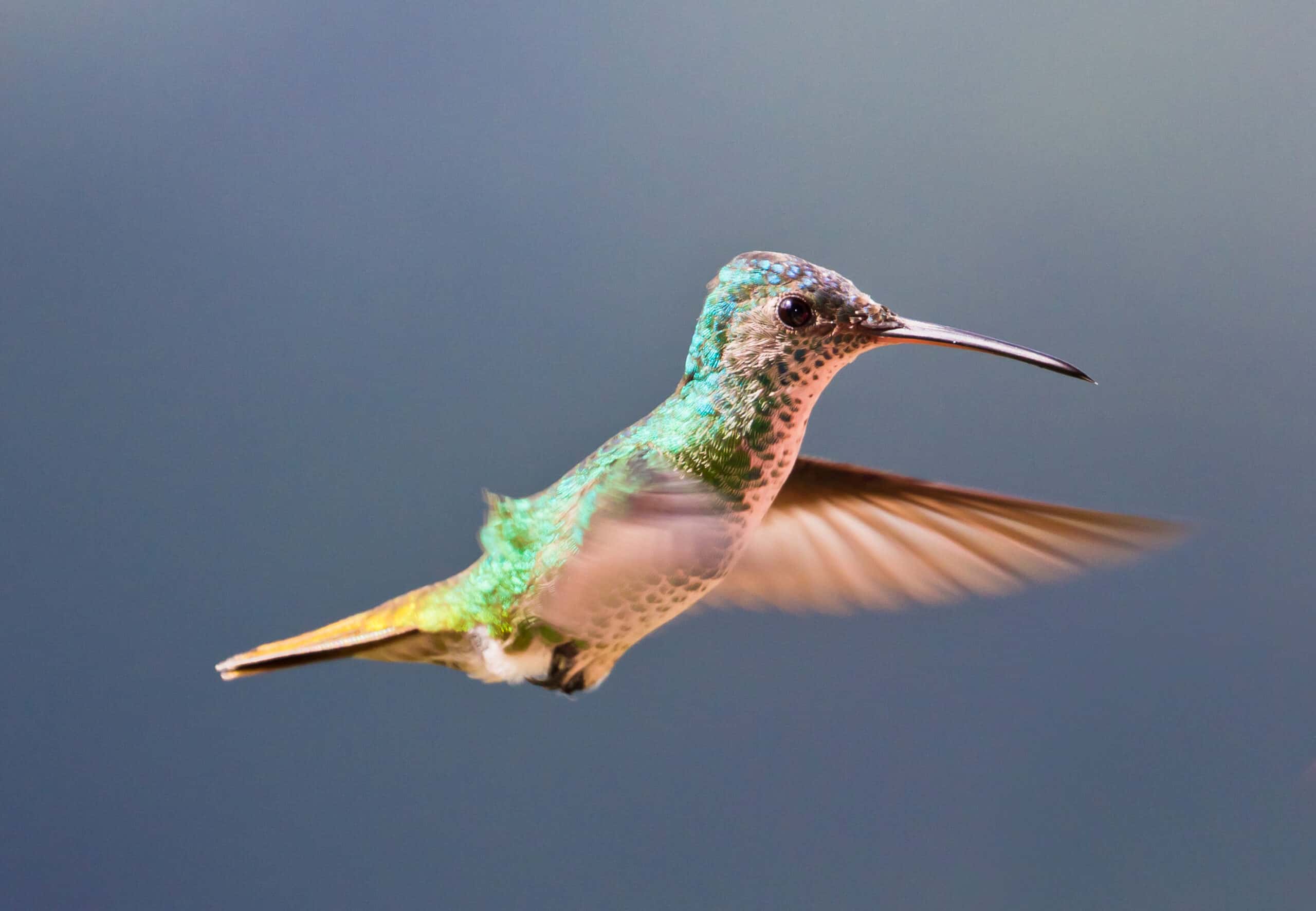
The Ruby-throated Hummingbird’s migration from North America to Central America is a feat of endurance and agility. These tiny birds travel over 3,000 kilometers, often flying non-stop across the Gulf of Mexico. However, climate change is affecting the availability of nectar-producing flowers, which are crucial for their survival. Additionally, habitat loss due to deforestation is reducing their wintering grounds. The Ruby-throated Hummingbird’s migration is a delicate balance of energy and resource availability, and any disruption could have significant effects.
The Marvelous Migration of the Blackpoll Warbler

The Blackpoll Warbler’s migration from North America to South America is a remarkable journey, covering over 3,000 kilometers. These small songbirds rely on favorable wind patterns to aid their flight across the Atlantic Ocean. However, climate change is altering these wind patterns, potentially making their journey more challenging. Additionally, habitat loss in their breeding and wintering grounds is reducing available resources. The Blackpoll Warbler’s migration is a delicate balance of timing and environmental conditions, and any disruption could have lasting effects.
The Intriguing Flight of the Amur Falcon

The Amur Falcon’s migration from Siberia to southern Africa is a journey of endurance and resilience. These raptors rely on specific stopover sites for rest and refueling. However, climate change is affecting these sites, reducing available resources and habitats. Additionally, changes in weather patterns could impact their ability to complete their journey. The Amur Falcon’s migration is a delicate balance of timing and resource availability, and any disruption could have profound effects.
The Breathtaking Voyage of the European Turtle Dove
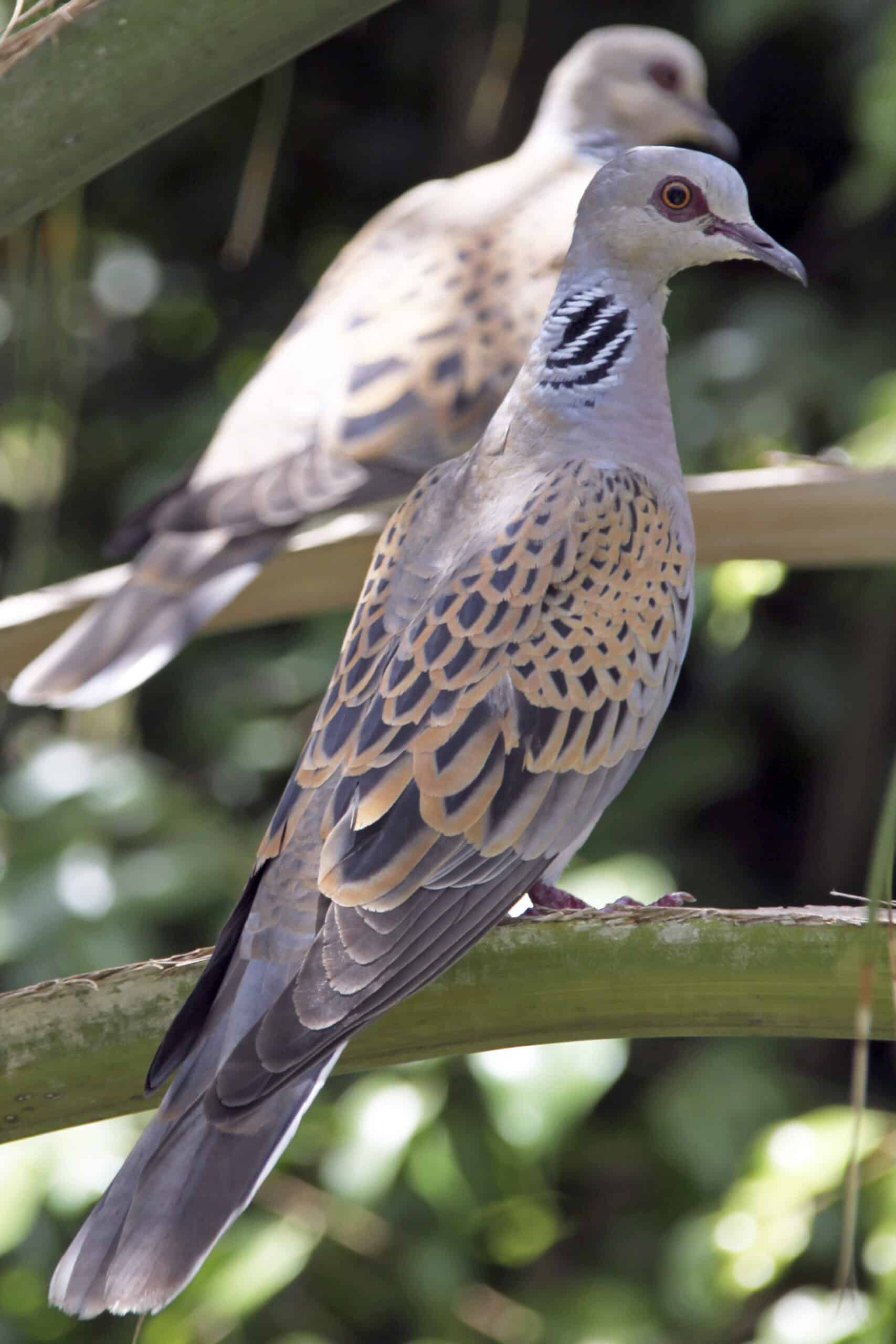
The European Turtle Dove’s migration from Europe to Africa is a symbol of grace and beauty. However, climate change is affecting the availability of food and habitat along their migration route. Rising temperatures and changing weather patterns are altering the timing of their journey, potentially leading to mismatches with food availability. The European Turtle Dove’s migration is a delicate balance of timing and environmental conditions, and any disruption could have significant effects.
The Astonishing Journey of the Greater Flamingo

The Greater Flamingo’s migration from Europe and Asia to Africa is a spectacle of color and elegance. These iconic birds rely on specific wetlands for breeding and feeding. However, climate change is impacting these habitats, reducing available resources and nesting sites. Additionally, rising sea levels and increased storm activity could threaten their breeding success. The Greater Flamingo’s migration is a delicate balance of timing and resource availability, and any disruption could have far-reaching consequences.
The Fascinating Flight of the White Stork

The White Stork’s migration from Europe to Africa is a journey of endurance and adaptability. These large birds rely on specific stopover sites for rest and refueling. However, climate change is affecting these sites, reducing available resources and habitat. Additionally, changes in weather patterns could impact their ability to complete their journey. The White Stork’s migration is a delicate balance of timing and resource availability, and any disruption could have profound effects.
The Remarkable Migration of the Snow Goose


The Snow Goose’s migration from the Arctic to the southern United States is a spectacle of nature’s resilience. These birds travel in large flocks, creating a breathtaking sight. However, climate change is impacting their breeding and feeding grounds, reducing available resources and habitats. Additionally, rising temperatures and changing weather patterns could affect their ability to complete their journey. The Snow Goose’s migration is a delicate balance of timing and environmental conditions, and any disruption could have lasting effects.
Conclusion
In conclusion, bird migrations are one of nature’s most awe-inspiring phenomena, showcasing the incredible adaptability and endurance of these feathered travelers. However, the threat of global warming looms large, threatening to disrupt these ancient journeys. As temperatures rise and habitats change, the future of these migrations hangs in the balance. It is up to us to take action and protect these remarkable journeys, ensuring that future generations can witness the wonder of bird migrations.

As a little kid, I fell in love with nature, wildlife, and animals. Living in the USA, South Africa, Italy, China and Germany gave me the opportunity to discover the world's Wildlife. My favorite animals are Mountain Gorillas, Siberian Tigers, and Great White Sharks.
I'm a certified PADI Open Water Diver, went to Everest Base Camp and Trekked Gorillas in Uganda. I hold a Master of Science in Economics and Finance.
Please send any feedback to feedback@animalsaroundtheglobe.com
- 13 Cat Breeds That Get Along with Dogs - July 20, 2026
- The 12 Largest Dog Breeds That Still Love to Cuddle - July 20, 2026
- 12 Pet Habits That Secretly Mean They Love You - July 20, 2026