


Pets have been indispensable companions to humans for centuries, offering companionship, loyalty, and endless entertainment. Yet, despite their familiarity, our furry, feathered, and sometimes scaly friends often exhibit behaviors that leave their owners puzzled. These seemingly mysterious actions might sometimes appear bizarre, but in the grander spectrum of animal behavior, they are surprisingly normal. This article delves into ten such intriguing pet behaviors, uncovering the rationality behind each and helping pet owners better understand their beloved companions.
Cats Kneading with Their Paws

One of the most common yet mystifying behaviors seen in domestic cats is kneading, where they rhythmically push their paws in and out against a soft surface. This action harks back to kittenhood when nursing kittens knead their mother’s belly to stimulate milk flow. In adulthood, kneading becomes a comforting ritual that provides cats with a sense of safety and contentment. Some experts also suggest that kneading helps cats mark territory with the scent glands located in their paws.
Dogs Circling Before Lying Down

Many dog owners observe their pets walking in circles before finally lying down for a nap. This behavior traces back to their wild ancestors, who would walk in circles to stomp down grass or leaves to create a comfortable sleeping area and to check for any hidden threats like snakes. Though pet dogs no longer need to worry about such dangers, the behavior persists as an instinctual habit.
Birds Head-Bobbing
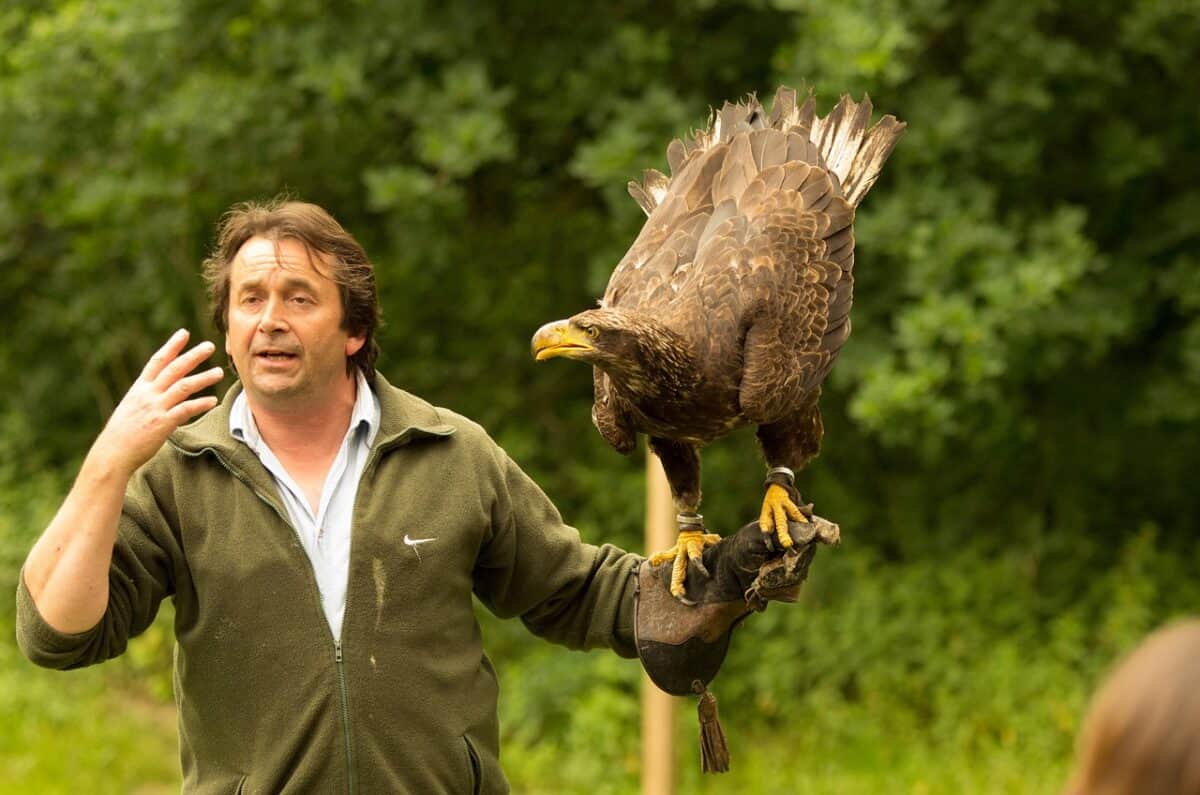
Bird enthusiasts might notice their pets frequently bobbing their heads up and down. This bobbing is a crucial part of a bird’s behavior that assists with depth perception. Birds have limited eye movement, and by moving their heads, they adjust perspective and better understand the world around them. This behavior can also be a sign of excitement or part of courtship displays, adding to their charming personalities.
Rabbits Thumping
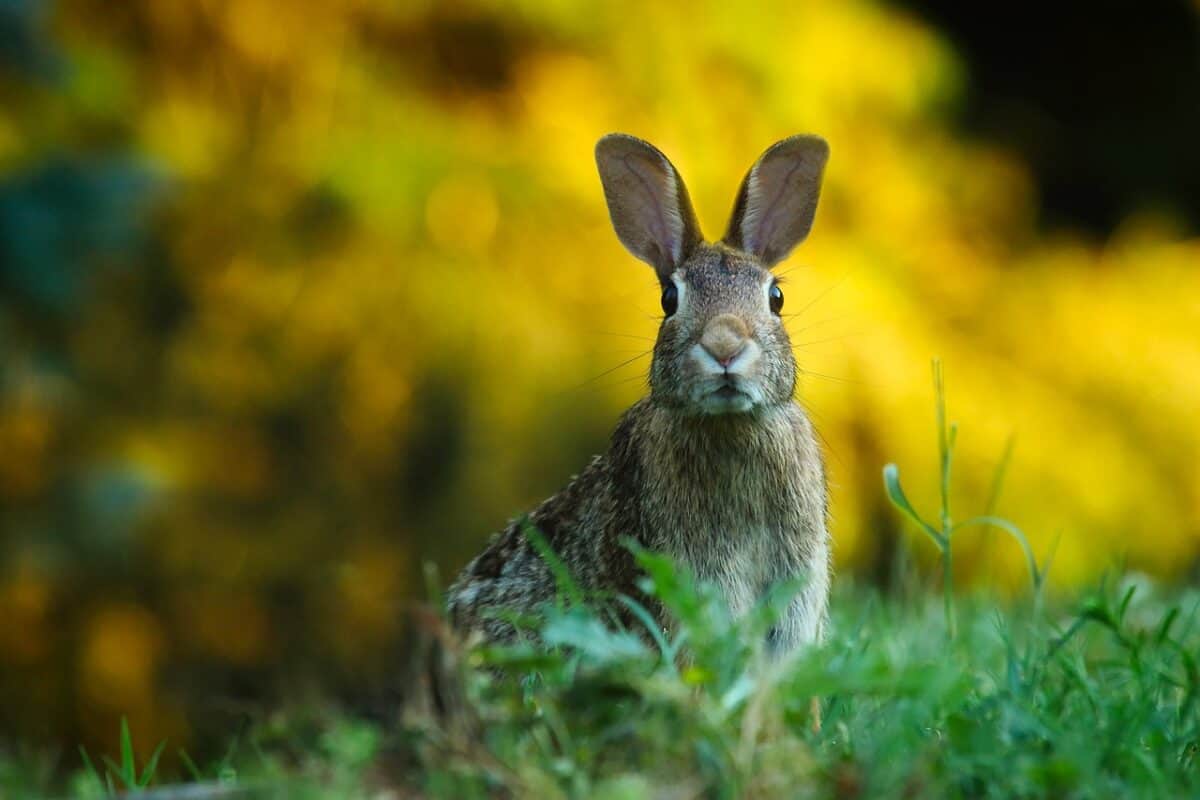
When rabbits abruptly thump their back feet on the ground, it often seems alarming. However, this behavior is typically a signal of danger or displeasure. In the wild, thumping serves as a warning to other rabbits of potential threats. Domesticated rabbits still retain this trait, using it to express unease or frustration about something in their environment. Understanding this signal can help owners better address their pets’ emotional needs.
Fish Glass Surfing

Aquarium owners may notice fish swimming up and down the sides of the tank, a behavior known as “glass surfing.” This is usually an indication of stress, often resulting from an inadequate environment, such as poor water quality, insufficient space, or lack of hiding spots. Fish may also glass surf out of boredom. Ensuring an enriched and well-maintained tank can help reduce this behavior.
Hamsters Burrowing

Hamsters are natural burrowers, a behavior rooted in their instinct to create safe nests to sleep and store food. In captivity, they often attempt to dig into the bedding inside their enclosures. Providing tunnels and plenty of bedding material can simulate their natural environment, keeping them happier and healthier. Owners need to remember that this behavior is crucial for hamsters’ physical and mental stimulation.
Dogs Licking People

Though often interpreted as a sign of affection, a dog’s licking is multifaceted. In the canine world, licking is a form of communication and exploration. Puppies lick their mothers’ faces to prompt regurgitation of food, and this habit can continue into adulthood as a sign of respect or to gather taste-based information about a person’s mood. It’s their way of interacting with their human family members.
Guinea Pigs Popcorning
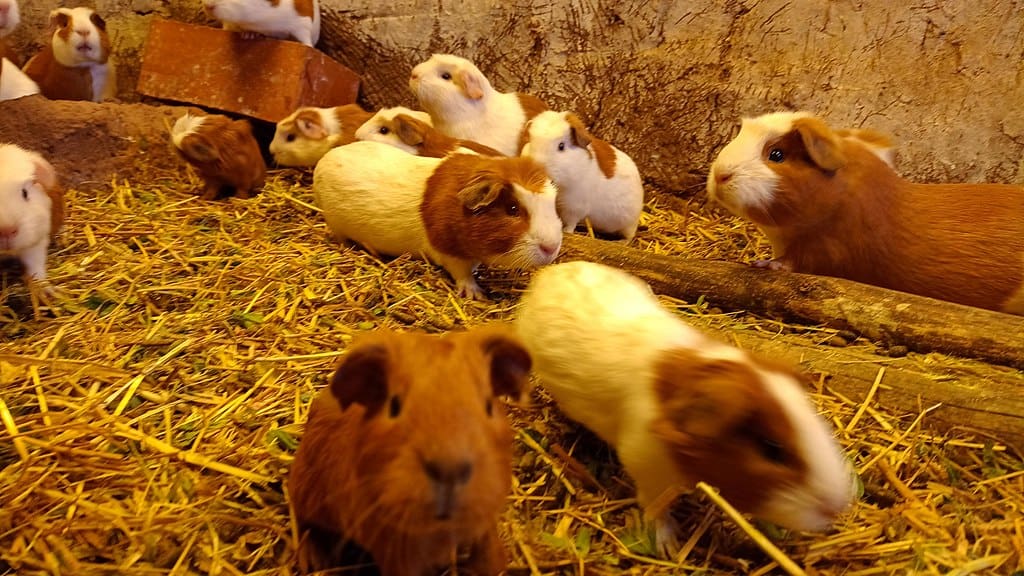
Guinea pigs sometimes exhibit an endearing behavior known as “popcorning,” where they leap into the air repeatedly. This spontaneous hopping is a clear sign of happiness and excitement, often seen when they are given fresh bedding or treats. While humorous and endearing, it is also entirely normal and highlights their playful nature.
Parrots Regurgitating Food
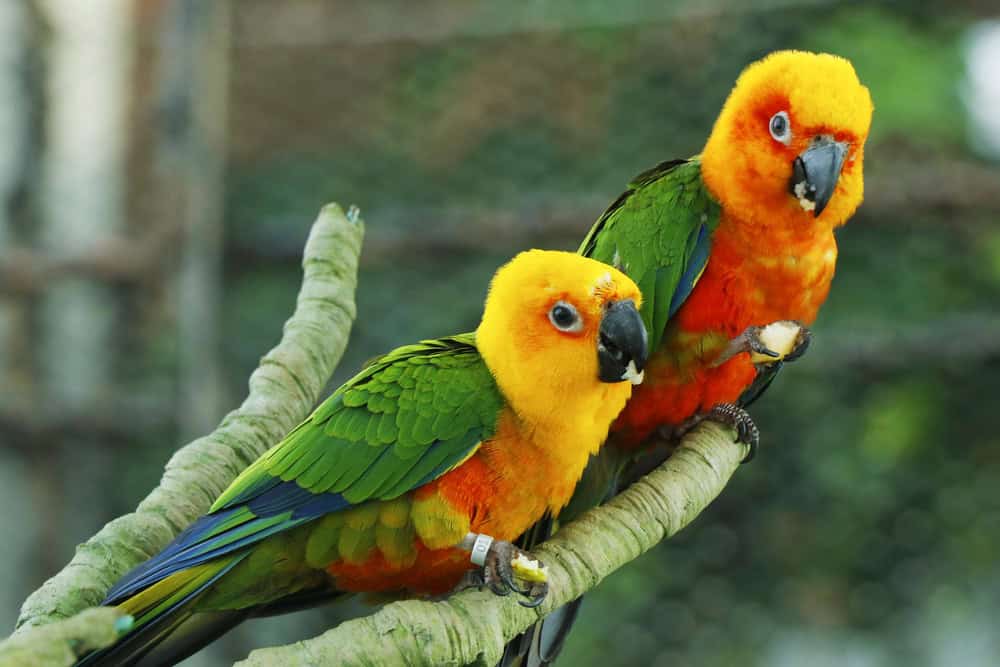
Though it might appear concerning, regurgitation in parrots is a natural behavior, usually an act of affection. In the wild, parent birds regurgitate to feed their chicks, and similarly, parrots may do so to bond with a mate or a trusted human. However, if it becomes excessive, it may indicate a health problem that requires veterinary attention.
Cats Chattering at Birds

Cats often make a funny chattering noise when they spot birds outside a window. This behavior is thought to be a display of frustration at being unable to catch the prey. Some suggest it’s an instinctual reaction that aids in preparing their jaw muscles for capturing and killing prey. It’s a fascinating glimpse into their predatory nature despite their life as pampered pets.
Conclusion

Understanding the fascinating behaviors of pets not only deepens the bond between humans and animals but also ensures that their needs are adequately met. Recognizing the normalcy in these actions allows us to appreciate our beloved companions ‘ innate instincts and provide better care for them. While some behaviors serve as remnants of their wild ancestry, others are expressions of their contentment and health in a human world. By keeping an observant and knowledgeable eye on these behaviors, pet owners can foster a nurturing environment that respects the instincts and emotions of their pets.

As a little kid, I fell in love with nature, wildlife, and animals. Living in the USA, South Africa, Italy, China and Germany gave me the opportunity to discover the world's Wildlife. My favorite animals are Mountain Gorillas, Siberian Tigers, and Great White Sharks.
I'm a certified PADI Open Water Diver, went to Everest Base Camp and Trekked Gorillas in Uganda. I hold a Master of Science in Economics and Finance.
Please send any feedback to feedback@animalsaroundtheglobe.com
- 10 Most Unique Reptiles You will See in the US - July 21, 2026
- 3 Dangerous Invasive Species the USA Must Eradicate - July 21, 2026
- 10 Things That Calm Cats And 4 That Make Them Nervous - July 21, 2026